Американский флот, развернутый в направлении Ирана, значительно превосходит по масштабам недавнюю операцию у берегов Венесуэлы, что означает и более резкое падение активов.
Несколько часов назад Трамп и иранская сторона начали активно обмениваться резкими заявлениями. В социальных сетях также распространилась информация о том, что американский авианосец «Линкольн» и его ударная группа на Ближнем Востоке перешли в режим «полного затемнения» и прекратили связь, что может свидетельствовать о скором начале операции против Ирана.
Все инвесторы на финансовых рынках находятся в напряжении.
Взглянем на американские акции. Nasdaq 100 быстро упал на 2%, S&P 500 — более чем на 1%, и Dow Jones также не избежал падения, снизившись на 0,5%. Сильнее всего пострадали активы, тесно связанные с аппетитом к риску: акции, связанные с криптовалютами, буквально рухнули. MSTR в какой-то момент упала почти на 10%, COIN — более чем на 4%, HOOD, SBET, BMNR, CRCL — все значительно откатились назад.
Так называемые защитные активы, золото и серебро, также падали. Спотовая цена на золото за полчаса пробила три ключевых уровня, обвалившись более чем на 400 долларов с пиковых значений и в последний раз торгуясь около 5155 долларов. Серебро было еще более драматичным: внутри дня оно обрушилось на 8%, упав с 121 доллара прямо до отметки чуть выше 108 долларов.
Крипторынок тоже не избежал распродаж. С открытием американских бирж биткоин пошел вниз, опустившись с 88 тысяч долларов до отметки около 83 тысяч; Ethereum ненадолго пробил уровень 2800 долларов, SOL упал ниже 118 долларов, BNB также провалился ниже 865 долларов.
Это означает, что глобальный капитал уже закладывает в цены худший сценарий: война вот-вот начнется.
К чему США готовились перед прошлой «атакой»
Сначала выложить карты на стол, а потом решать, стоит ли его переворачивать. Кажется, это обычная практика американского правительства.
Если оглянуться на недавние действия против Венесуэлы, можно увидеть последовательность сигналов перед正式ной атакой: за несколько недель до серии атак на венесуэльские суда США уже накопили значительные военные активы в Карибском регионе. Официальной версией тогда было то, что эти суда涉嫌向美国走私毒品, но четких доказательств представлено не было.
Истинный результат все узнали: 3 января американские войска напрямую вмешались, забрав президента Венесуэлы Мадуро из Каракаса.
И говорят, что тогда американский авианосец также был на позиции. Обычно за 5-7 дней до正式ных действий основные ударные силы США уже находятся в指定нной акватории, остается только ждать «подходящего момента».
Перед атакой на Иран в июне 2025 года ритм был абсолютно таким же. За несколько дней до начала операции СМИ зафиксировали аномальные перемещения американской техники. 21 июня США внезапно разместили 6 стратегических stealth-бомбардировщиков B-2 на Гуаме, а затем небрежно объяснили это как учебный маневр для сохранения преимущества внезапности. Но те, кто знаком с логикой действий американских войск, понимают, что активы такого уровня никогда не «тренируются» просто так.与此同时, две авианосные ударные группы во главе с «Карлом Винсоном» и «Линкольном» уже были заранее развернуты в Аравийском море. Эсминец УРО класса «Арли Бёрк» «Томас Хаднер» также был переброшен в восточную часть Средиземного моря.
Таким образом, развертывание авианосцев на море, переброска стратегических бомбардировщиков и тяжелых ударных capabilities, размещение систем ПРО — вот три характерные черты американских военных приготовлений перед конфликтом.
И сейчас похожие сигналы понемногу начинают повторяться.
Второй авианосец в пути?
«У нас есть огромный флот, движущийся в том направлении, возможно, нам не придется его использовать», — сказал Трамп, после чего Центральное командование США подтвердило в социальной платформе X, что атомный авианосец «Линкольн» был отправлен на Ближний Восток.
Этот авианосец покинул Сан-Диего в ноябре прошлого года и до этого выполнял задачи в Южно-Китайском море. Теперь у него новая боевая цель — Иран.
«Линкольн» — один из ключевых активов ВМС США и один из десяти атомных авианосцев. Он работает не на дизеле, а на ядерном реакторе и теоретически может работать десятилетиями без дозаправки. На его борту размещены высокоadvanced системы ракет, радары и сенсоры, сам он является плавучим командным центром.
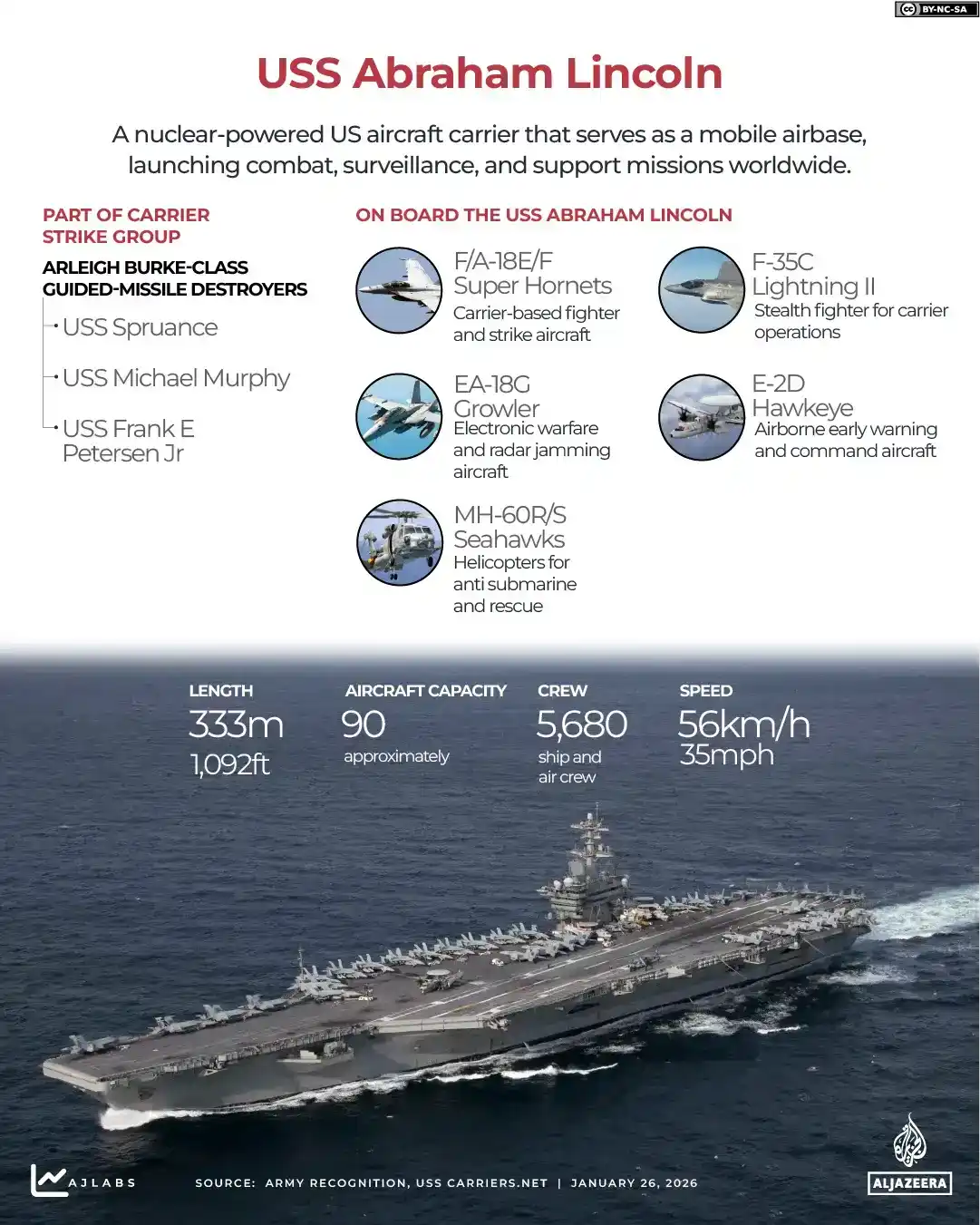
Местоположение «Линкольна» изначально было高度 засекречено, но для прохода через Малаккский пролив, один из самых загруженных shipping lanes в мире,必须 включить транспондер во избежание столкновений. Именно это кратковременное «включение света» позволило外界确认ить, что 23 января он уже прошел Индийский океан. Затем транспондер был выключен, и местоположение снова исчезло. Но по расчетам скорости, он уже基本上 прибыл в район боевых действий и перешел в состояние готовности.
После прохода Малаккского пролива транспондер снова отключили, авианосец снова исчез с радаров. Остальное можно только推算ить по скорости. Но согласно расчетам,现在的「Линкольн」,基本上已经抵达战区附近,完成就位.
与此同时, второй авианосец, кажется, также в пути.
«Джордж Буш» вышел с восточного побережья США 13 января, и外界普遍判断, что он, вероятно, пересечет Атлантику и через Гибралтарский пролив войдет в Средиземное море.虽然不排除这只是 учебные тренировки的可能,但在这个时间点,很少有人真的相信这是巧合. Большинство военных аналитиков предполагают, что цель выхода «Джорджа Буша» — «увеличить ставки» в ближневосточной ситуации.
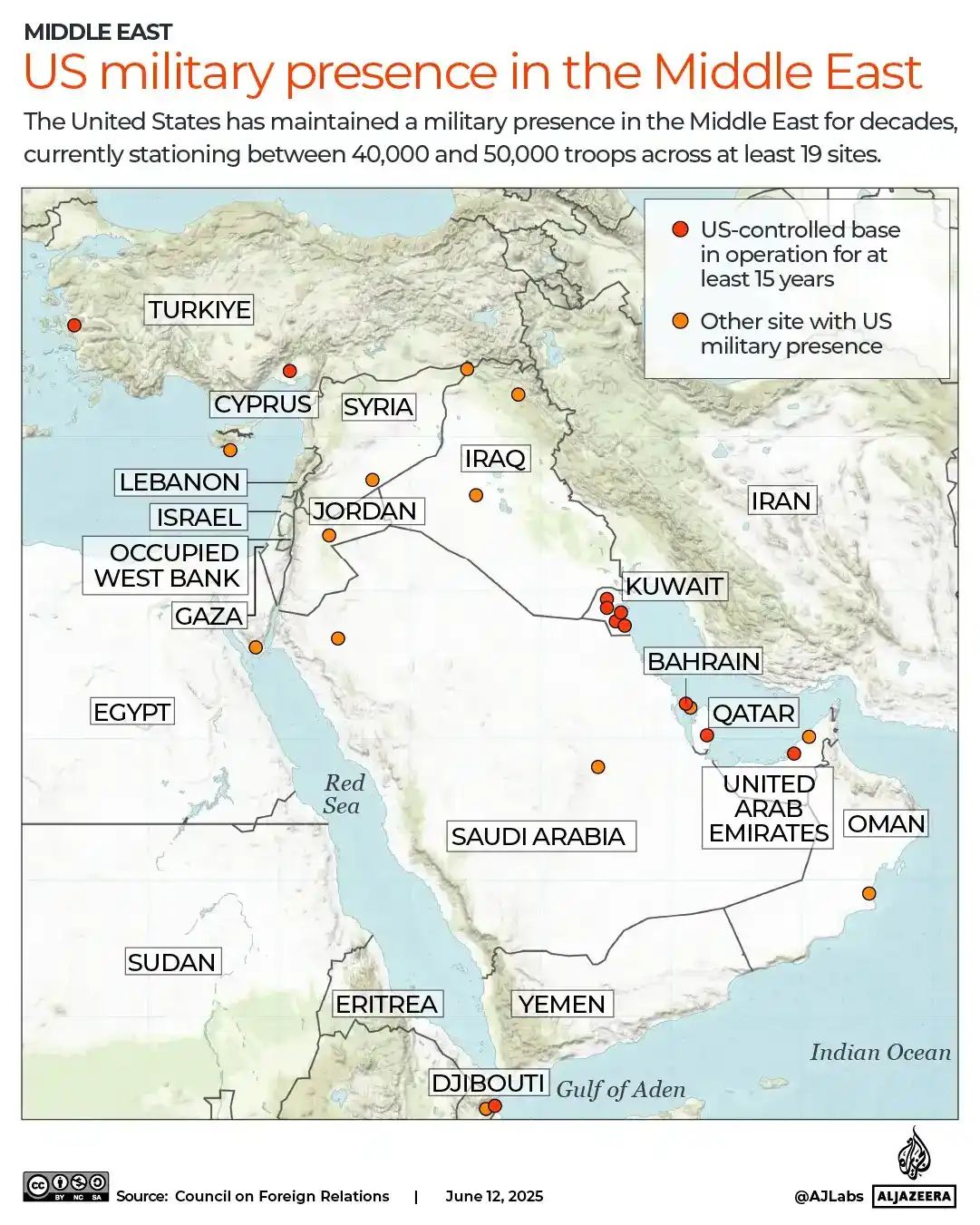
Мнения многих военных аналитиков также一致:真正「合适」的时间 для начала удара,很可能是在 прибытии второй авианосной группы. Один авианосец, конечно, тоже может нанести удар, но два означают, что господство в воздухе, частота ударов и запас надежности будут максимальными. Поскольку оптимальное окно для удара в начале января, во время протестов в Иране, уже упущено, разница между одним днем и одной неделей ожидания невелика. Вместо поспешных действий лучше дождаться прибытия второй авианосной группы, нарастить военную мощь в регионе до максимума и then нанести решающий удар.
Но на данный момент «Буш» еще не был замечен при прохождении ключевых проливов, и по расчетам скорости он еще не полностью занял позицию.
С развертыванием авианосцев разобрались, в воздухе тоже не сидят сложа руки. Центральное командование ВВС США уже объявило о многодневных учениях по готовности в своей зоне ответственности, охватывающих более 20 стран Ближнего Востока, Азии и Африки. Само слово «учения» весьма эластично.
Конечно, там, где есть атака, должна быть и защита.
Особенно защита США для Израиля. Согласно The Wall Street Journal, США также направляют на Ближний Восток дополнительные системы ПРО «Патриот» и «THAAD». После развертывания систем ПРО往往才会开启真正的开战时间表. Но конкретное время外界几乎无从得知.
Некоторые аналитики смотрят еще дальше: одержимость Трампа Гренландией вызвана не только ресурсами. Там находятся крайне важные radar预警设施 США, ключевые узлы для предотвращения внезапных атак межконтинентальными баллистическими ракетами. Контроль над этими местами по сути создает defensive纵深 для更大规模的 конфликтов.
Израиль, очевидно, также вошел в эту же временную шкалу. 25 января командующий Northern Command Армии обороны Израиля Рафи Мило公开 заявил, что израильская армия готовится к возможным последствиям военных действий США против Ирана. Ранее газета «Гаарец» со ссылкой на источники в министерстве обороны сообщила, что израильская армия повысила уровень готовности для应对「возможной атаки США в течение нескольких дней」.
На этом фоне真实ная цель США становится все более清晰. Если удар будет нанесен, цель, вероятно, не ограничится точечным ударом, а будет нацелена на сам иранский режим. Именно поэтому США格外强调「все готово». Неудачный удар будет стоить долгосрочного истощения, а это политический риск, на который не хочет идти ни одно американское правительство.
«Частичное закрытие» правительства США: внутренние и внешние проблемы
Помимо военных рисков, внутри США также нарастает давление.
Редакция律动 считает, что «частичное закрытие» правительства США до конца месяца также является важной причиной сегодняшнего падения.
Каждый финансовый год Конгресс США должен принять 12 appropriations bills. Если договориться не удается, правительство вынуждено закрыться. Текущий временный appropriations bill истекает 31 января, а у Конгресса осталось всего два рабочих дня. Неофициальный подсчет в Сенате уже показал, что procedural vote для продвижения appropriations bill провалилась, частичное или полное закрытие правительства стало практически вероятным событием.
А现在,只剩下 2个工作日,政府部分停摆的事实基本上已经确定了,美国国会参议院非正式计票结果显示,当天举行的程序性投票未能推进已获众议院通过的政府拨款法案.
Бюджетные разногласия между партиями в основном касаются Министерства внутренней безопасности. Ключевое событие: в недавнем прошлом в Миннесоте, longtime оплоте демократов, был раскрыт один из крупнейших в истории США случаев мошенничества с welfare, с вовлеченной суммой в 9 миллиардов долларов. Подробнее см. в相关阅读:《美国政府将再停摆,币圈又要被砸了吗》, здесь редактор кратко изложит points разногласий:
Многие involved организации тесно связаны с местной democratic политической экосистемой. Имеются свидетельства того, что средства, полученные этими welfare мошенническими организациями, в значительной степени пошли на捐款 в竞选资金 демократов.
А сам штат Миннесота также является高度 иммигрантским штатом с large сообществами иммигрантов, таких как сомалийцы. Прокуратура Миннесоты заявила, что из 92 обвиняемых по этому делу 82 являются американцами сомалийского происхождения. Это тесно переплело вопросы иммиграционного контроля, распределения welfare и общественной безопасности, что как раз попадает в核心议题长期对立 между демократами и республиканцами, а также является key政策承诺, которые Трамп и республиканцы反复强调在竞选中.
Поэтому Трамп усилил иммиграционный контроль в Миннесоте. Однако внезапное усиление контроля很快 привело к серьезным последствиям: произошли два инцидента, когда федеральные immigration执法人员在 задержании случайно застрелили местных жителей, что вызвало массовые protests и беспорядки, и даже потребовалось привлечение National Guard для维持秩序. Демократы быстро воспользовались这个机会, представив смертельные shooting инциденты ICE в Миннесоте как железное доказательство失控执法方式该机构.
Логика демократов ясна: ICE в Миннесоте стоила двух жизней, что доказывает серьезные проблемы в методах работы该机构. Без существенных реформ ICE, без добавления строгих ограничительных条款, с какой стати мы должны продолжать её финансирование? Демократы требуют сократить масштабы ICE или, по крайней мере, добавить строгие限制措施.
Позиция республиканцев прямо противоположна: дело о welfare мошенничестве в Миннесоте на 9 миллиардов долларов, в котором大部分被告是索马里裔, как раз доказывает, что нужно усиливать, а не ослаблять иммиграционный контроль. ICE — ключевая сила в борьбе с нелегальной иммиграцией и welfare мошенничеством, ей必须 дать достаточно денег.
Внутренняя борьба не дает结果, а внешние risks одновременно нарастают. Начнется ли война на самом деле, никто не может дать确定答案. Но редакция律动希望世界和平.



















