Автор оригинала: Oluwapelumi Adejumo
Перевод: Chopper, Foresight News
TL;DR
- При текущем медвежьем тренде ETH, приватные монеты показывают рост. Разработчики Ethereum ускоряют внедрение родных функций конфиденциальности.
- Публичность балансов активов и истории транзакций в сети Ethereum отпугивает институциональных инвесторов и подрывает её ключевое преимущество как стандартного расчетного слоя индустрии.
- По мнению экспертов, функции конфиденциальности Ethereum должны быть реализованы в течение 12 месяцев, иначе проект останется на уровне технических исследований, уступая внимание и трафик конкурентам.
По мере перетока капитала рынка в активы приватного трека и на фоне негативного медиафона и вопросов о позиционировании, Ethereum всё сложнее удерживать внимание инвесторов. В ответ разработчики вкладывают все силы в создание родных возможностей конфиденциальности для этой крупнейшей в мире платформы смарт-контрактов.
С начала года цена ETH упала примерно на 30%, недавно торгуясь около $2000; в то же время Zcash (ZEC) показал двузначный рост, демонстрируя явную дивергенцию.
Такой контраст на рынке превратил приватность из долгосрочной идеи крипто-анархистов в жесткое требование к продукту, которое Ethereum должно выполнить в срок.
В настоящее время Ethereum сохраняет монополию в расчетах стейблкоинов, токенизации активов, децентрализованных финансах (DeFi) и экосистеме второго уровня. Однако свойство полной публичности ончейн-данных является больной темой для обычных пользователей и институций: балансы активов, контрагенты по сделкам и история транзакций могут быть отслежены и раскрыты в реальном времени.
Том Данливи, глава венчурного подразделения Varys Capital, очень оптимистично смотрит на обновление приватности Ethereum, но подчеркивает, что темпы нужно ускорить: «Я чрезвычайно оптимистично настроен относительно внедрения Ethereum функций конфиденциальности, но весь комплекс решений должен быть реализован в течение 12 месяцев, иначе всё потеряет смысл. Сейчас Ethereum участвует в ожесточенной продуктовой гонке, конкуренты хорошо финансируются, обладают высокой исполнительностью и имеют доступ к отраслевым ресурсам, которых не хватает Ethereum. Только своевременная поставка позволит не быть вытесненным».
Это предупреждение прозвучало в момент, когда рыночные позиции Ethereum уже находятся под давлением. Данные GSR Research показывают, что доходы в блокчейн-индустрии постепенно перетекают к таким конкурентам, как Solana, Tron, Hyperliquid; соотношение цен ETH к биткоину также упало до минимума с середины 2025 года.
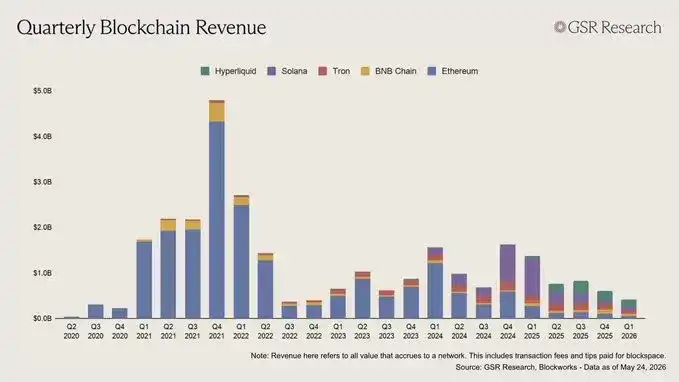
Квартальные доходы блокчейн-проектов, источник: GSR Research
Данные CryptoQuant также отражают кризис: мелкие и средние держатели Ethereum массово уходят с рынка. За последние три года общий объем активов кошельков с балансом от 100 до 1000 ETH практически сократился вдвое, снизившись с пика в 16,2 млн в 2023 году до примерно 8,75 млн на данный момент.
Крупные держатели также начали сокращать позиции. Адреса с балансом от 1000 до 10000 ETH, которые способствовали росту ETH в 2024 году, с конца прошлого года последовательно уменьшают свои доли.
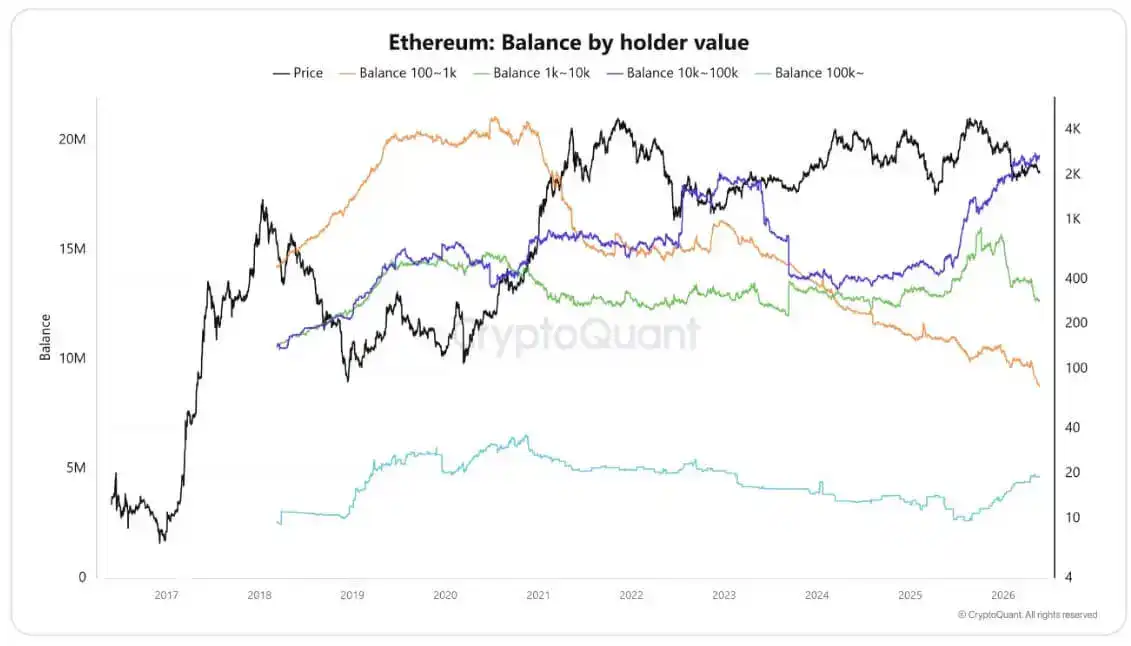
Балансы держателей Ethereum
Отток капитала нельзя полностью объяснить растущим спросом на приватность, но на фоне повышения интереса к приватным активам и поисков инвесторами точек роста для ETH, потеря долей только усиливает давление на развитие Ethereum.
Приватность стала новой главной темой крипторынка
В то время как Ethereum наращивает усилия по внедрению функций конфиденциальности, вся индустрия приходит к консенсусу: финансовая приватность будет определять следующий крупный цикл на крипторынке.
Недавний анализ Grayscale Research указывает, что индустрия цифровых активов стоит на пороге третьей волны всеобщего внимания к финансовой приватности.
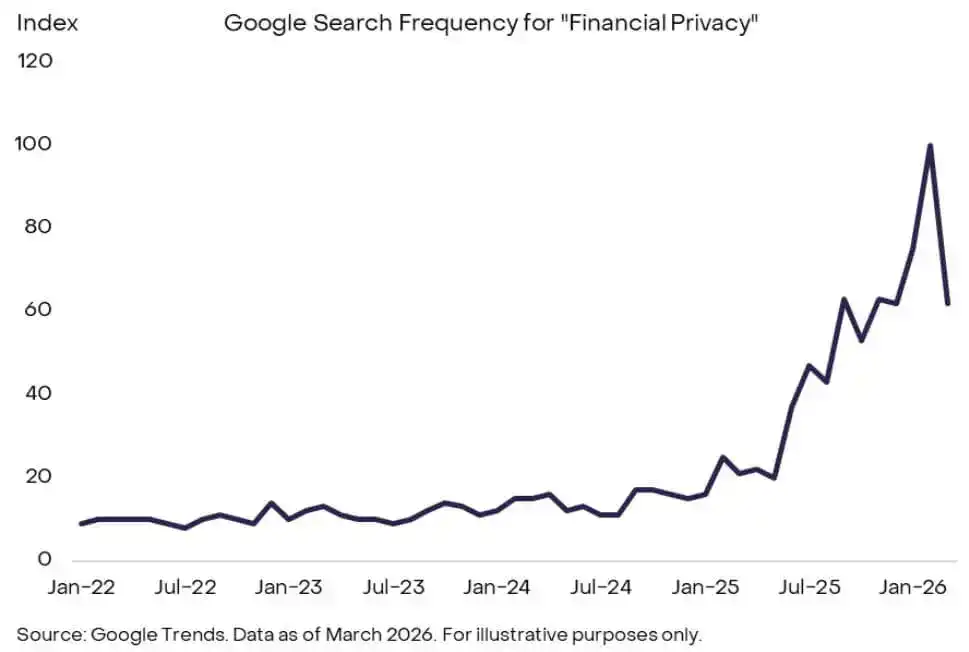
Количество поисковых запросов о финансовой приватности в Google, источник: Grayscale
Эту тенденцию совместно подстегивают распространение стейблкоинов, внедрение ончейн-приложений и стремительное развитие технологий искусственного интеллекта. Grayscale предупреждает, что инструменты ИИ породили более изощренные методы финансового отслеживания, а в традиционных публичных блокчейнах балансы активов, контрагенты и история транзакций раскрываются навсегда.
Спрос рынка на приватность исходит не только от тех, кто стремится к полной анонимности, но и отражает нормальное желание широкой публики и бизнеса сохранять конфиденциальность финансовой информации.
Обычные пользователи не хотят, чтобы их расходы были публичными; предприятиям необходимо сохранять в тайне платежи поставщикам, выплату зарплат, движение корпоративных средств; различным институциям неприемлемо, чтобы архитектура их кошельков могла быть проанализирована и отслежена в реальном времени.
Однако внедрение функций конфиденциальности также требует взвешивания бизнес-за и против. Исторический опыт показывает, что сильная приватность часто снижает ликвидность активов и создает препятствия для листинга на биржах, соответствия регуляторным требованиям и интеграции с кошельками.
Несмотря на эти сложности, председатель Grayscale Investments Барри Силберт заявил, что эпоха приватности в индустрии цифровых активов официально наступила.
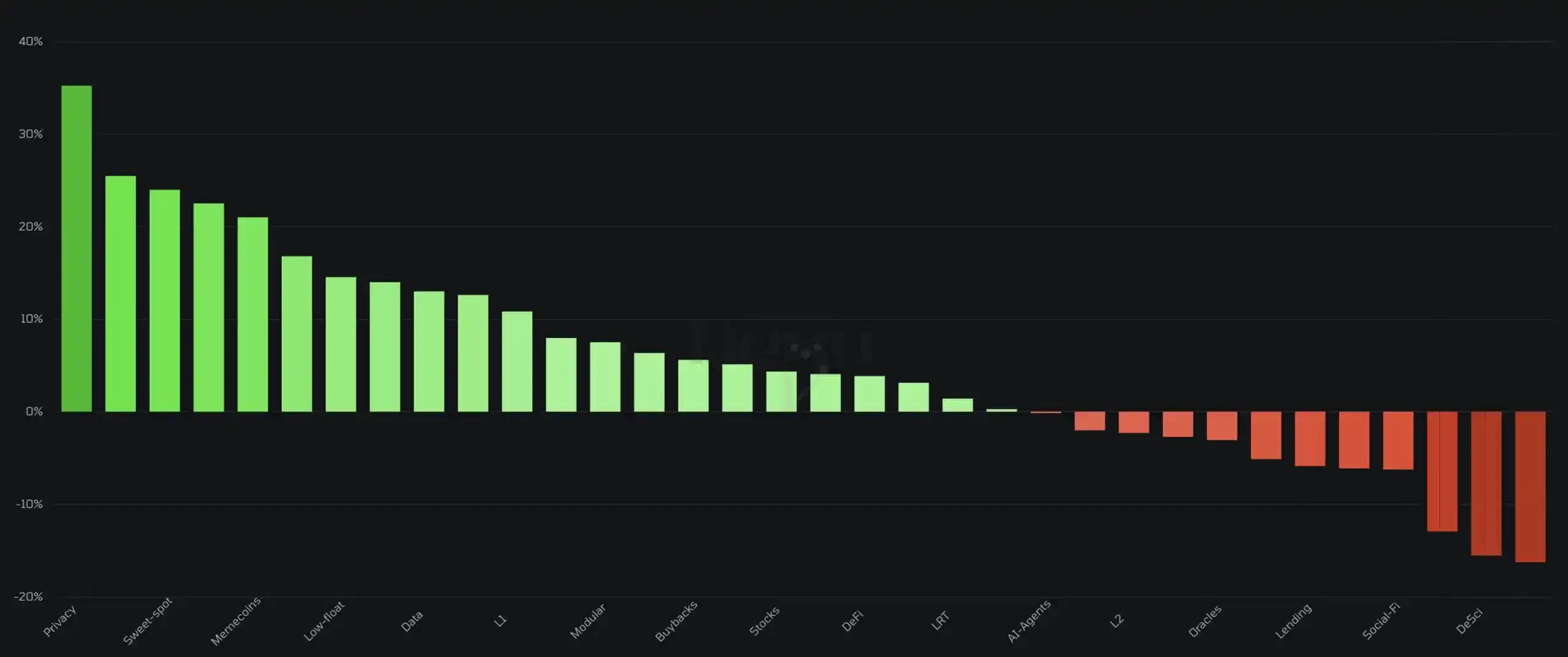
Приватные монеты начинают доминировать в криптоиндустрии
Смена направления тренда ярко отразилась на динамике рынка: за последний год капитализация ZEC взлетела более чем на 900%, приблизившись к $100 млрд; цена Monero (XMR), долгое время подвергавшаяся регуляторным спорам, также удвоилась.
Сооснователь Ethereum активно продвигает обновление приватности
В последнее время сооснователь Ethereum Виталик Бутерин вновь поставил развитие приватности на первое место в технической повестке. После многих лет исследований и обсуждений он призвал разработчиков ускорить реализацию приватности, к которой стремились крипто-анархисты.
Краткосрочная дорожная карта приватности Ethereum в основном фокусируется на трех направлениях: абстракция аккаунтов и FOCIL, случайность ключей и изменения на уровне доступа для приватности. Весь комплекс мер направлен на повышение устойчивости ончейн-транзакций к цензуре, разрыв связи между адресами и снижение зависимости от инфраструктуры доверенных третьих сторон.
FOCIL (Forced Branch Choice Inclusion Lists — списки обязательного включения с принудительным выбором ветки) призван решить проблему цензуры транзакций.
В настоящее время транзакции перед включением в блок попадают в публичный мемпул, где сборщики блоков и промежуточные узлы могут просматривать ожидающие подтверждения транзакции, а затем блокировать их, осуществлять фронтраннинг или мониторинг данных. Механизм FOCIL позволяет комитету валидаторов составлять список транзакций, которые сборщик блоков обязан включить; блоки, нарушающие это правило, будут отвергнуты сетью, снижая риск цензуры приватных транзакций на начальном этапе.
Абстракция аккаунтов решает еще один недостаток текущего дизайна Ethereum: большинство пользователей по-прежнему полагаются на внешние аккаунты, контролируемые одним приватным ключом. Абстракция аккаунтов делает поведение аккаунта более похожим на программируемый смарт-контракт, поддерживая функции социального восстановления, мультиподписи, оплаты комиссий сторонними лицами и т.д.
С точки зрения приватности эта функция может оптимизировать поведенческие паттерны кошельков, предотвращая раскрытие всех операций через один аккаунт, а также упрощая оплату комиссий третьими лицами.
Случайность ключей (Key Randomness) направлена на решение более узкой, но критически важной проблемы утечки метаданных. Ethereum использует nonce (число, используемое один раз) для предотвращения повторной отправки транзакций; это значение увеличивается последовательно, и внешние наблюдатели могут использовать его для связывания внешне не связанных транзакций и отслеживания одного аккаунта. Новая схема разделяет счетчик аккаунта на несколько независимых доменов, где транзакции разных типов используют разные значения случайности ключей, что значительно усложняет отслеживание адресов.
Кроме того, Фонд Ethereum представил набор инструментов с открытым исходным кодом Kohaku — пожалуй, самый амбициозный элемент этого обновления приватности. Этот проект не просто реализует приватность переводов, а сосредоточен на решении проблемы утечки данных на уровне доступа до попадания транзакции в блокчейн.
Даже если сама транзакция станет приватной, при запросе ончейн-баланса, вызове контракта или отправке транзакции кошелек всё равно будет раскрывать узлу удаленного вызова (RPC) IP-адрес, идентификатор кошелька и другую информацию. Kohaku предоставляет разработчикам кошельков компоненты приватности и безопасности, которые можно напрямую интегрировать в существующие продукты. Функционал включает приватные переводы, безопасное управление ключами, приватные ончейн-запросы и сопровождается эталонным кошельком для разработки. Инструмент также может взаимодействовать с существующим протоколом приватности Ethereum Railgun и разрабатываемым Privacy Pools. Его цель — позволить пользователям, не меняя привычный кошелек и не используя нишевые инструменты, пользоваться приватными переводами и приватными услугами DeFi.
Исследователь Ethereum soispoke.eth заявил, что если все вышеупомянутые предложения будут реализованы одновременно, Ethereum сможет уже в следующем году обеспечить родные, не требующие доверия третьим сторонам и устойчивые к цензуре приватные транзакции.
Почему функции приватности так важны для Ethereum
Крипто-юрист Габриэль Шапиро считает, что обновление приватности поможет Ethereum конкурировать на рынке токенизации активов для институций. У предприятий в таких сценариях, как токенизация ценных бумаг, управление капиталом, взаимодействие с DeFi, есть острая потребность в конфиденциальности.
Это также затрагивает основную инвестиционную логику Ethereum. Долгое время преимущество Ethereum заключалось в полноте экосистемы, охватывающей стейблкоины, кредитование, децентрализованные биржи, токенизацию активов, сети второго уровня и различную инфраструктуру для разработки. Но если все финансовые взаимодействия по-прежнему по умолчанию полностью публичны, одной лишь широты экосистемы будет недостаточно.
Для институций публичные расчеты без защиты приватности сами по себе несут риски: компании не хотят, чтобы конкуренты узнали об их цепочках поставок; управляющие активами не желают, чтобы их торговые пути отслеживались; банки не могут допустить, чтобы деятельность клиентов с токенизированными ценными бумагами была видна в публичном блокчейне.
Ethereum обладает базовой инфраструктурой для обслуживания институциональных клиентов, но рынок требует от него готового продукта, а не просто теоретических исследований.
Это подтверждает предупреждение Данливи об обратном отсчете в 12 месяцев. Zcash уже давно создал яркий нарратив о приватности, Monero, несмотря на регуляторное давление, остается в ряду основных приватных монет. В то же время конкуренты вроде Solana, Tron, Hyperliquid продолжают перетягивать на себя рыночное внимание, а биткоин по-прежнему прочно удерживает предпочтения институционального капитала.
На текущем этапе объем токенизированных активов в сети Ethereum превышает $3,5 трлн, а прикладная экосистема остается самой глубокой в индустрии, но это лидерство не вечно и не абсолютно.
Если Ethereum сможет представить зрелый и работающий продукт приватности в течение года, это дополнительно укрепит его позиции как расчетной инфраструктуры для частных лиц и институций. В противном случае, если обновление приватности останется лишь на уровне технического планирования, капитал рынка продолжит перетекать в те проекты, которые с самого рождения позиционировали приватность как свою ключевую особенность.





















