Составитель: ChainCatcher
Важные новости:
- Инфраструктурная компания по стабильным монетам Checker привлекла $8 млн при участии Galaxy Ventures и других
- Deloitte приобретает криптоинфраструктурную компанию Blocknative
- Mastercard отказалась от инвестиций в Zerohash, переключившись на BVNK для развертывания инфраструктуры платежей в стабильных монетах
- a16z, возможно, стал крупнейшим внешним держателем HYPE, совокупно построив позицию на сумму более $356 млн
- Tether приобрела все доли SoftBank в Twenty One Capital (XXI)
- Децентрализованная платформа деривативов Variational завершила раунд финансирования серии A на $50 млн под руководством Dragonfly Capital
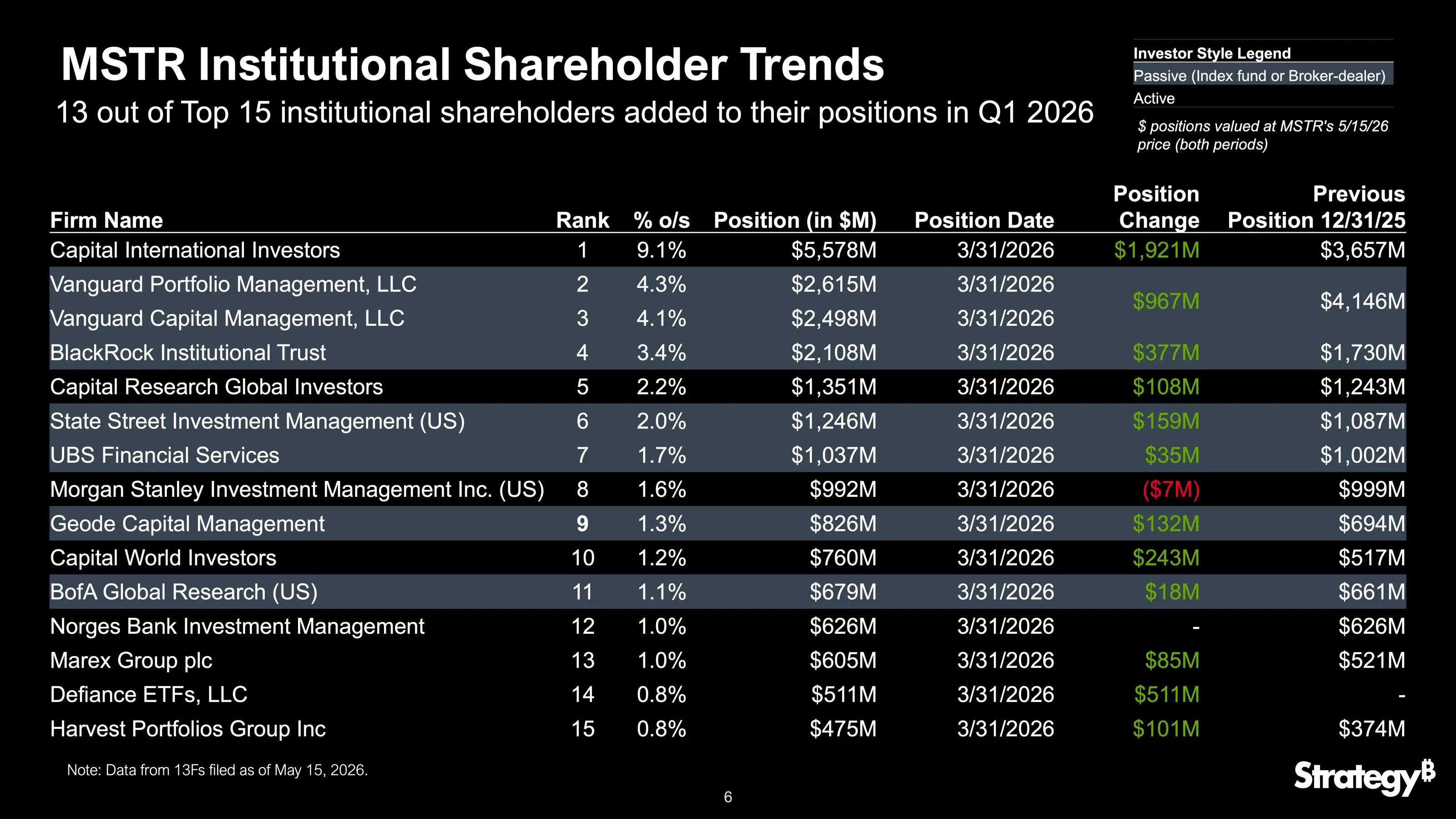
- CEO Strategy: 13 из 15 крупнейших институциональных акционеров увеличили позиции в MSTR в первом квартале, совокупные активы выросли на 27%
Какие важные события произошли за последние 24 часа?
CEO Strategy: 13 из 15 крупнейших институциональных акционеров увеличили позиции в MSTR в первом квартале, совокупные активы выросли на 27%
Сообщение от ChainCatcher: Генеральный директор Strategy Фонг Ле заявил, что в первом квартале 2026 года 13 из 15 крупнейших институциональных акционеров Strategy увеличили свои позиции в $MSTR, совокупный объем активов вырос на 27%.
Децентрализованная платформа деривативов Variational завершила раунд финансирования серии A на $50 млн под руководством Dragonfly Capital
Сообщение от ChainCatcher: Согласно отчету Fortune, децентрализованная платформа деривативов Variational объявила о завершении раунда финансирования серии A на $50 млн под руководством Dragonfly Capital, с участием Bain Capital Crypto и Coinbase Ventures.
Компания, базирующаяся на Каймановых островах, занимается построением ончейн-протокола деривативов для институциональных и традиционных финансовых трейдеров, агрегируя ликвидность традиционных финансов и крипторынков, чтобы предоставлять мгновенно торгуемые ончейн-рынки для реальных активов, таких как нефть и товары. Ее ключевой продукт, платформа Omni, использует модель с нулевой комиссией и сочетается с механизмом пулов ликвидности для повышения глубины рынка и эффективности исполнения.
Variational заявляет, что ее цель не в прямой конкуренции с централизованными биржами, а в «брокерской» модели, связывающей несколько источников ликвидности, включая традиционных финансовых маркет-мейкеров и основные криптовалютные торговые платформы, чтобы решить проблему «холодного старта ликвидности» на ончейн-рынках.
Материнская компания NYSE ICE планирует запустить рынок фьючерсов на вычислительную мощность
Сообщение от ChainCatcher: Согласно Bloomberg, материнская компания Нью-Йоркской фондовой биржи, Intercontinental Exchange Group (ICE), объявила о планах запустить фьючерсные контракты на «вычислительную мощность», отслеживающие изменения стоимости вычислительной мощности, такой как GPU, которая поддерживает AI-индустрию. Продукт все еще требует одобрения регулятора.
Сообщается, что ICE будет сотрудничать с финансовой инфраструктурной компанией Ornn для разработки системы ценообразования производных инструментов на основе ее индекса стоимости GPU. Этот индекс будет использоваться для поддержки фьючерсных контрактов на вычислительную мощность.
Tether приобрела все доли SoftBank в Twenty One Capital (XXI)
Сообщение от ChainCatcher: Согласно официальному объявлению, Tether International объявила о приобретении всех долей SoftBank в Twenty One Capital (XXI), став более крупным контролирующим акционером. После завершения сделки члены совета директоров XXI, назначенные SoftBank, покинули совет директоров в соответствии с акционерным соглашением.
Tether заявляет, что этот шаг отражает ее долгосрочное стратегическое обязательство и уверенность в подходе XXI, ориентированном на Bitcoin и построении публичной компании с нуля. Объявление указывает, что раннее участие SoftBank предоставило XXI важный институциональный фон и опыт управления, помогая компании завершить начальную стадию развертывания, и Tether будет продвигать XXI на следующую стадию развития на этой основе.
Финтех-компания Mercury привлекла $200 млн под руководством TCV
Сообщение от ChainCatcher: Согласно CNBC, финтех-компания Mercury объявила о завершении нового раунда финансирования на $200 млн под руководством TCV, с участием Sequoia Capital, Andreessen Horowitz (a16z) и Coatue Management.
Mercury в основном предоставляет банковские услуги стартапам, в настоящее время у нее более 300 000 клиентов и годовой доход составляет около $650 млн. Компания заявила, что недавний бум AI-стартапов значительно стимулировал спрос на регистрацию новых компаний и открытие счетов, что стало важным драйвером ее роста.
В то же время Mercury также объявила, что получила условное одобрение от Управления контролера денежного обращения США (OCC) и планирует подать заявку на федеральную банковскую лицензию, чтобы расширить возможности кредитования, доступа к платежным сетям (таким как Zelle) и снизить зависимость от банков-партнеров. Основатель компании заявил, что будущая цель — самостоятельный выход на биржу, а не продажа.
Goldman Sachs выступит ведущим андеррайтером IPO SpaceX
a16z, возможно, стал крупнейшим внешним держателем HYPE, совокупно построив позицию на сумму более $356 млн
Сообщение от ChainCatcher: Согласно мониторингу ончейн-аналитика Ai姨 (@ai_9684xtpa), a16z (@a16zcrypto), возможно, стал шестым по величине держателем HYPE и, вероятно, крупнейшим внешним институциональным держателем, учитывая, что первые пять позиций принадлежат собственной экосистеме Hype.
Данные показывают, что a16z начал режим крупномасштабного накопления с августа 2025 года, накопив в общей сложности 9,18 млн HYPE (примерно $356 млн) по средней цене покупки $38,77; за вычетом части, переведенной на биржи и маркет-мейкерам, осталось 884,4 тыс. HYPE, распределенных по десяткам адресов.
Только за последние 11 часов a16z добавил 206 тыс. HYPE (примерно $9,95 млн) к накоплениям; с 16 апреля совокупно накоплено 2,35 млн HYPE (примерно $102 млн); с 2026 года совокупно накоплено 4,92 млн HYPE (примерно $183 млн). По текущей цене плавающая прибыль по одной монете уже достигла $79,29 млн.
Coinbase, Kraken и Gemini призывают Сенат отменить пункт об ограничении листинга криптотокенов
Deloitte приобретает криптоинфраструктурную компанию Blocknative
Сообщение от ChainCatcher: Во вторник Deloitte объявила о приобретении криптоинфраструктурной компании Blocknative в основном через сделку по приобретению талантов. Согласно объявлению, команда Blocknative в будущем будет «сосредоточена на продвижении инноваций Web3 в клиентской системе Deloitte». В настоящее время на официальном сайте Blocknative появилось объявление о том, что компания «постепенно прекращает операции». Ее сервисы Blocknative API и Gas Network также будут постепенно закрываться, ожидается, что они продолжат работу до 19 июня.
Blocknative, основанная в 2018 году, является блокчейн-инфраструктурной компанией, специализирующейся на мониторинге mempool (пула памяти) в реальном времени, прогнозировании комиссий Gas и управлении транзакциями. Компания предоставляет API и связанные инструменты для оптимизации ончейн-транзакций; ее Gas Network — это децентрализованная оракульная сеть, предоставляющая данные о комиссиях Gas в реальном времени. Этот шаг происходит на фоне общей волны консолидации в криптоэкосистеме. Это также сопровождается усилением присутствия традиционных компаний, таких как Deloitte, в криптопространстве. Deloitte теперь предоставляет бухгалтерские, аудиторские и другие корпоративные услуги криптокомпаниям.
Топ Meme-токенов
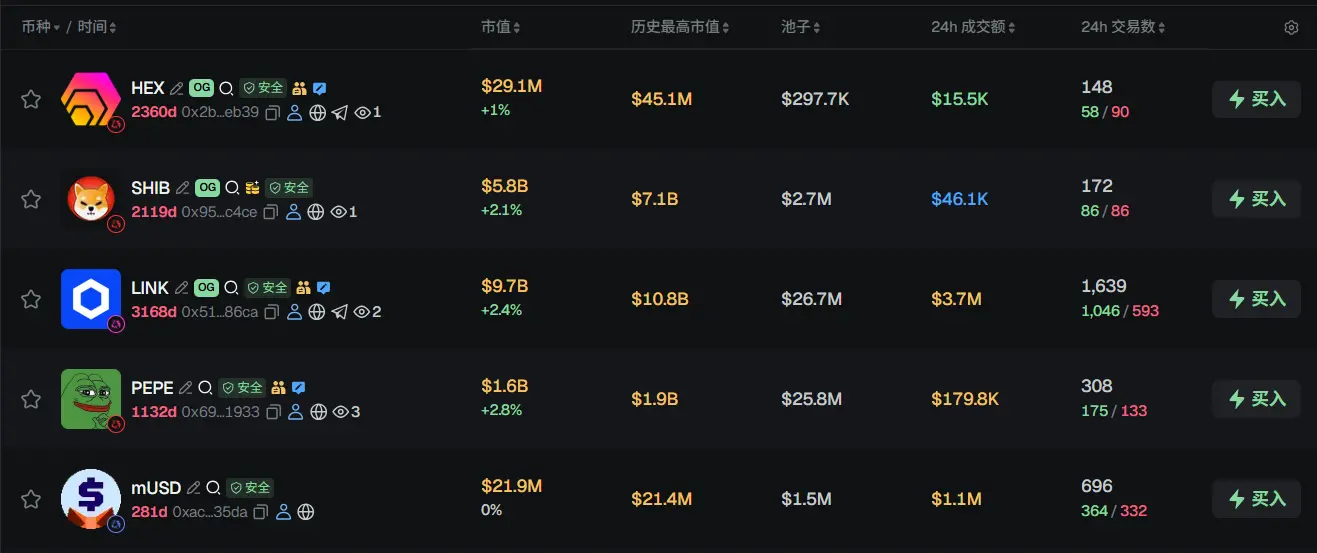
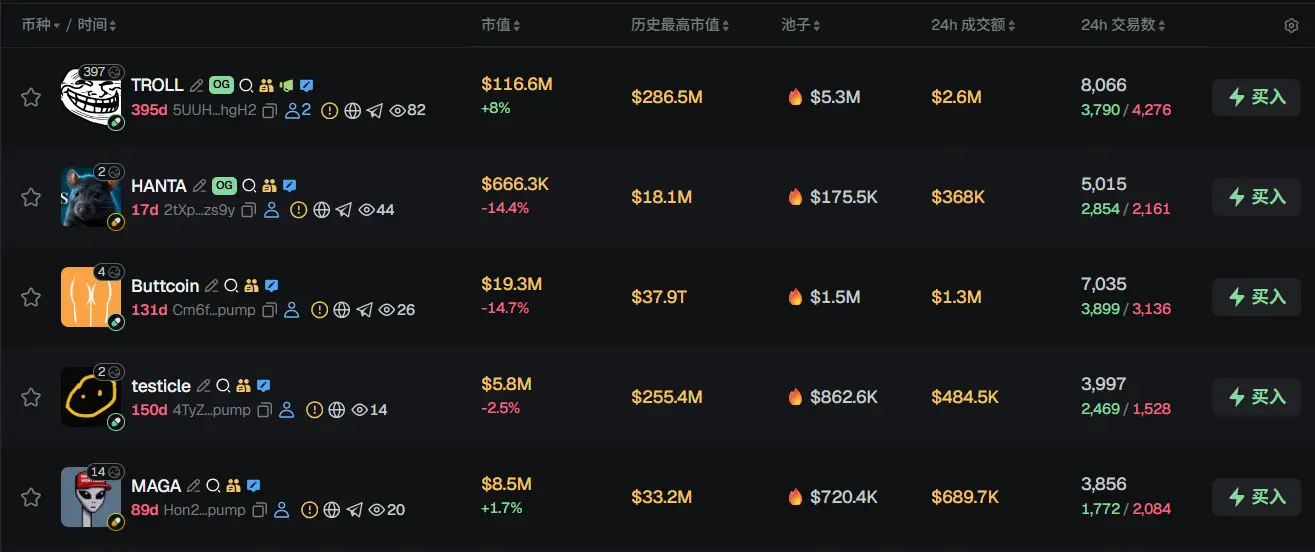
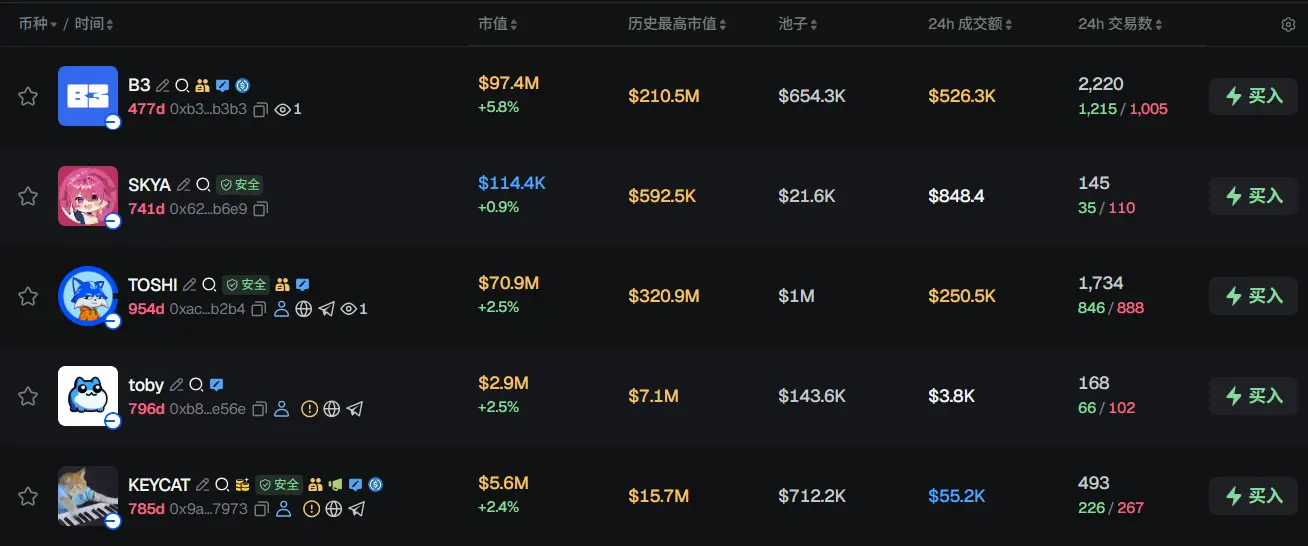
Согласно данным платформы отслеживания и анализа Meme-токенов GMGN, по состоянию на 09:00 21 мая
Топ-5 популярных токенов ETH за последние 24 часа: HEX, SHIB, LINK, PEPE, mUSD
Топ-5 популярных токенов Solana за последние 24 часа: TROLL, HANTA, Buttcoin, testicle, MAGA
Топ-5 популярных токенов Base за последние 24 часа: B3, SKYA, TOSHI, toby, KEYCAT
Какие интересные статьи стоит прочитать за последние 24 часа?
Дуань Юнпин впервые открыл позицию в криптокомпании: Почему Circle?
Известный инвестор Дуань Юнпин, которого называют «китайским Баффеттом», и его семейный управляющий капиталом H&H International Investment LLC недавно подали отчет о портфеле 13F по состоянию на 31 марта 2026 года в Комиссию по ценным бумагам и биржам США.
Согласно отчету, общая рыночная стоимость его инвестиционного портфеля значительно выросла с $17,49 млрд в предыдущем квартале до $20,004 млрд. Помимо сохранения крупных позиций в Apple (AAPL), Berkshire (BRK.B) и Nvidia (NVDA), новое лицо привлекло общее внимание криптоиндустрии и стоимостных инвесторов: гигант стабильных монет Circle (NYSE: CRCL).
Гарвард и другие учреждения распродали, 6 ключевых талантов ушли за месяц — что случилось с Ethereum?
Недавно Фонд Ethereum снова столкнулся с кадровым кризисом, ключевые исследователи Карл Бик и Джулиан Ма официально объявили об уходе.
С начала года как минимум 7 ключевых членов или опытных участников ушли один за другим, от сопредседателя до исследователя протокола, от координатора обновлений до эксперта по криптографии, что вызвало заметную озабоченность в сообществе относительно стабильности и исполнительной способности фонда.
В то же время появились данные об институциональных позициях. Goldman Sachs сократил позиции BlackRock в ETHA примерно на 70%, эндаумент-фонд Гарвардского университета полностью распродал свои предыдущие инвестиции в ETF на Ethereum на сумму около $87 млн, а седьмая по величине пенсионная компания Кореи зафиксировала убытки около $32,73 млн из-за инвестиций в левериджный ETF на Ethereum.
Кроме того, Фонд Ethereum недавно вывел из стейкинга в Lido 21 271 ETH и несколько раз продавал ETH на блокчейне для ребалансировки казначейства.
Внутренняя ключевая команда уходит, внешний крупный капитал уходит, сам фонд также сокращает позиции. Ethereum одновременно сталкивается с «голосованием ногами» со стороны разных типов участников.
Восстановление криптоактивов — это хороший бизнес, который приносит тихие деньги
Сегодня в Ханчжоу я долго разговаривал с другом, который специализируется на восстановлении криптоактивов.
За последний год с лишним они обработали немало дел, сумма по отдельным проектам в основном начинается от 1 миллиона долларов США, а некоторые суммы еще выше. До разговора мое понимание этого бизнеса тоже было довольно поверхностным, я думал, что так называемое «восстановление криптоактивов» в основном связано с более захватывающими сценариями, такими как кражи, мошенничество, хакерские атаки, ончейн-отслеживание. После разговора выяснилось, что на самом деле в большом количестве происходят более обыденные, конкретные и также более опустошающие для пострадавших проблемы.
Рынок токенизации достигнет масштаба триллиона долларов, но все еще существует четыре основных препятствия
Мы находимся на заре новой финансовой эры. Токенизация больше не является нишевым экспериментом, а быстро превращается в важную область, где институты соревнуются за лидерство в одном из крупнейших возникающих классов активов, а распределители капитала ищут здесь более значительную отдачу.
Сегодня вопрос уже не в том, перейдут ли триллионы долларов капитала в ончейн, а в том, кто возглавит этот процесс. В этой статье рассматриваются условия, необходимые для реализации этого процесса, а также возможности для операторов и предпринимателей, строящих платформы для хранения и торговли капиталом в триллионы долларов.
Токенизированные финансы уже достигли значительного масштаба. Только объем обращения стабильных монет превысил 300 миллиардов долларов, а общая рыночная капитализация других токенизированных финансовых активов (включая фонды денежного рынка, частный кредит, акции, товары и другие продукты) также превышает 30 миллиардов долларов. Многие крупнейшие мировые управляющие активами, включая BlackRock, Fidelity и Franklin Templeton, в совокупности разместили в ончейне десятки миллиардов долларов реальных мировых активов.



















