Автор: Think AI, Aaron
Этот ралли акций искусственного интеллекта продолжается уже три с половиной года и не собирается останавливаться;
Те, кто с прошлого года предрекал крах на американском рынке и лопнувший пузырь AI, теперь в глубоком раздумье.
Южнокорейский индекс в этом году уже 19 раз достигал порога остановки торгов. Основной индекс с прошлого года вырос в 4 раза. Акции SK hynix за год подорожали на 260% — они либо на новых максимумах, либо на пути к ним;
Американский гигант памяти Micron Technology преодолел отметку в триллион долларов капитализации, войдя в топ-10 компаний США по этому показателю, с ростом более чем в два раза за год, а на дистанции в год — в 10 раз и более.
Что касается Японии, то SoftBank, ранее инвестировавший в Alibaba, благодаря крупным ставкам на AI, непрерывно растет в цене и уже стал компанией с самой высокой капитализацией в Японии.
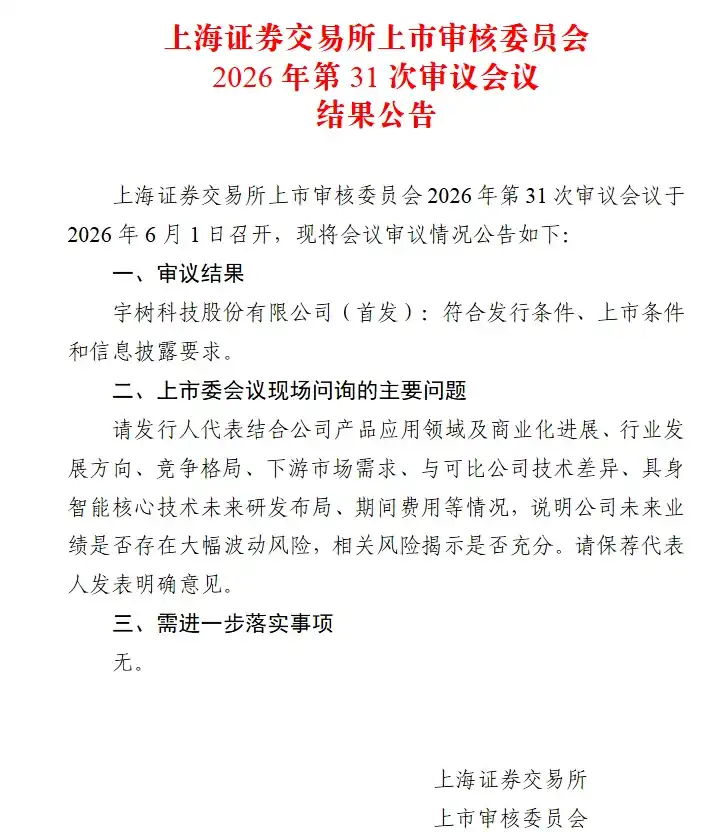
В Китае компании Unitree Robotics и CXMT уже прошли процедуру одобрения листинга. Рыночная капитализация CXMT сразу составит 1,5-2 трлн юаней, что выведет ее прямо в пятерку крупнейших компаний на рынке акций Категории А.
А акции AI-компаний, таких как Nvidia, Google и других, всегда растут на фоне страха; даже появились сообщения о том, что цены на жилье в Шэньчжэне и других городах Китая пошли вверх из-за сверхожидаемой прибыли полупроводниковых и AI-компаний. Руководители этих компаний начали массово скупать недвижимость.
Но существует и другая картина: те, кто в начале года брал кредиты на покупку золота, до сих пор в минусе. Китайские потребительские акции продолжают тихое падение. Многие пользователи в сети говорят, что полностью упустили этот бычий рынок AI, испытывают ежедневную тревогу. Что же делать сейчас?
Зарабатывают всегда немногие
Давайте взглянем на данные. В 2025 году доля розничных инвесторов на рынке акций Категории А, получивших прибыль, составила всего около 18,9%, а доля понесших убытки достигла 81,1%, со средним убытком около 21 тысячи юаней на человека. Среди мелких инвесторов с капиталом менее 100 тысяч юаней доля убыточных приблизилась к 98,7%.
И это при том, что в 2025 году основной индекс вырос почти на 20%, индекс STAR 50 за год достиг максимального роста в 80%, и в целом рынок рос. Данные Wind показывают, что в 2025 году 500 акций выросли в цене вдвое, а более 120 — в три раза и более.
Когда в январе-апреле 2026 года рынок скорректировался, вера в AI пошатнулась, и институциональные инвесторы зафиксировали убытки на минимумах.
Во время падения на акциях AI наблюдалась волна распродаж. Крупный акционер и топ-менеджеры компании Zhongji Innolight (оптические модули) сократили свои доли на 4,914 млрд юаней, после чего акции выросли еще на 35%. Крупный акционер Kunlun Tech, Ли Цюн, планировал продать 35,86 млн акций. После объявления о продаже цена акций упала на 20%, но в течение следующего месяца отыграла 40% — часть продавших акционеров "пропустила дно".
Специальный отчет China Securities Journal по сектору AI указывает, что в сегменте вычислительных мощностей AI в 2026 году преждевременная распродажа институциональными инвесторами привела к потенциальным потерям прибыли, превышающим 200 млрд юаней (рассчитано по среднему росту после продажи).
А те институциональные инвесторы, которые твердо держались за AI, во многих случаях сделали ставку не на то направление.
В конце 2025 года институционалы делали ставки на вертикальные приложения AI, такие как образование и медицина, но эти вертикали так и не взлетели. В 2026 году эти сектора упали в среднем более чем на 20%, в то время как сектор вычислительных мощностей вырос на 50%+.
На международной арене также хватает примеров упущенных возможностей и преждевременных продаж.
Всемирно известный фонд Bridgewater Fund в третьем квартале 2025 года значительно сократил доли в Nvidia (почти на две трети), Alphabet (более чем наполовину), Amazon (на 9,6%) и Microsoft (на 35%). Впоследствии, с четвертого квартала 2025 года по первый квартал 2026 года, эти акции выросли в среднем более чем на 80%.
Не обошлось и без коротких продаж. Совсем недавно объем коротких позиций на американском рынке достиг максимума с 2012 года.
Данные показывают, что общий леверидж хедж-фондов вырос примерно до 293%. Короткий интерес к индексу S&P 500 и показатель Days-to-Cover достигли рекордных значений.
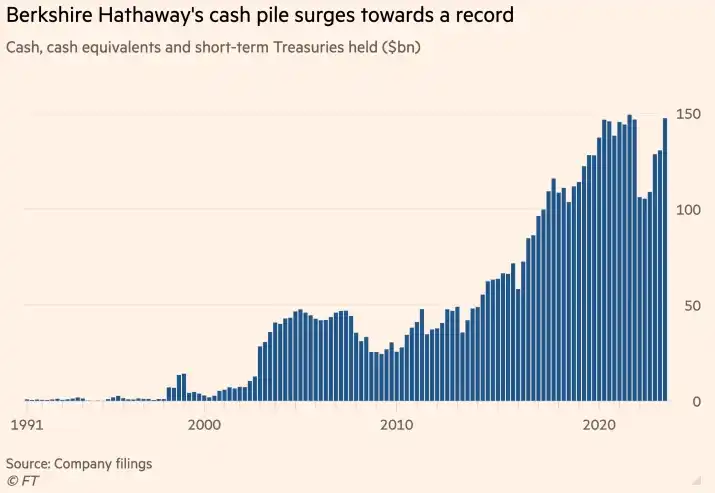
Даже такой титан, как Уоррен Баффетт, начал сокращать позиции довольно рано. В первом квартале 2026 года его денежные резервы достигли исторического максимума в 397,38 млрд долларов, что означает полный промах по ралли AI и упущенную возможность на росте американских технологических акций.
Поднимаются множественные волны
Однако нельзя отрицать, что AI по-прежнему остается самой определенной и революционной возможностью на рынке.
AI — это не краткосрочная концепция, а революция в области базовой инфраструктуры, подобная электричеству или интернету. Исторический опыт показывает, что многие из тех, кто упустил первую волну технологических акций, нашли возможности на уровне приложений или в следующем цикле модернизации инфраструктуры.
У Китая также есть уникальное пространство для развития в области собственных разработок AI, внедрения приложений и укрепления цепочек поставок.
Когда мы чувствуем себя потерянными и тревожными, возможно, стоит посмотреть, как думают лучшие представители индустрии. Это может дать нам некоторые ориентиры и подсказки.
Ма Хуатен из Tencent, чью компанию долго считали отстающей в эпоху AI, с прошлого года начал активно наверстывать упущенное. Его выступление на собрании акционеров в мае этого года вызвало горячие обсуждения.
Отвечая на вопросы об AI, он сказал: "Год назад мы думали, что уже взошли на корабль, но потом обнаружили, что он протекает. Сейчас чувствуется, что мы на него поднялись, но сесть еще не можем. Надеемся, что скорость корабля увеличится".
Что касается вопроса "куда двигаться дальше", он отметил: "Нельзя просто смотреть, как другие что-то делают, и перескакивать туда, захватывая чужие территории. Мы и раньше так делали, но в основном терпели неудачу".
Действительно, в эпоху AI открываются очень широкие возможности. Сочетание собственных преимуществ и особенностей, поиск наиболее подходящих возможностей — это лучший выбор.
Ма Юнь, который сейчас отошел от дел, но еще 10 лет назад глубоко понимал потенциал AI, заявляет, что AI — это возможность уровня промышленной революции, случающаяся раз в несколько столетий и сравнимая с изобретением электричества. Эра AI только начинается, и сейчас как раз подходящий момент для входа, нельзя говорить об упущенном шансе.
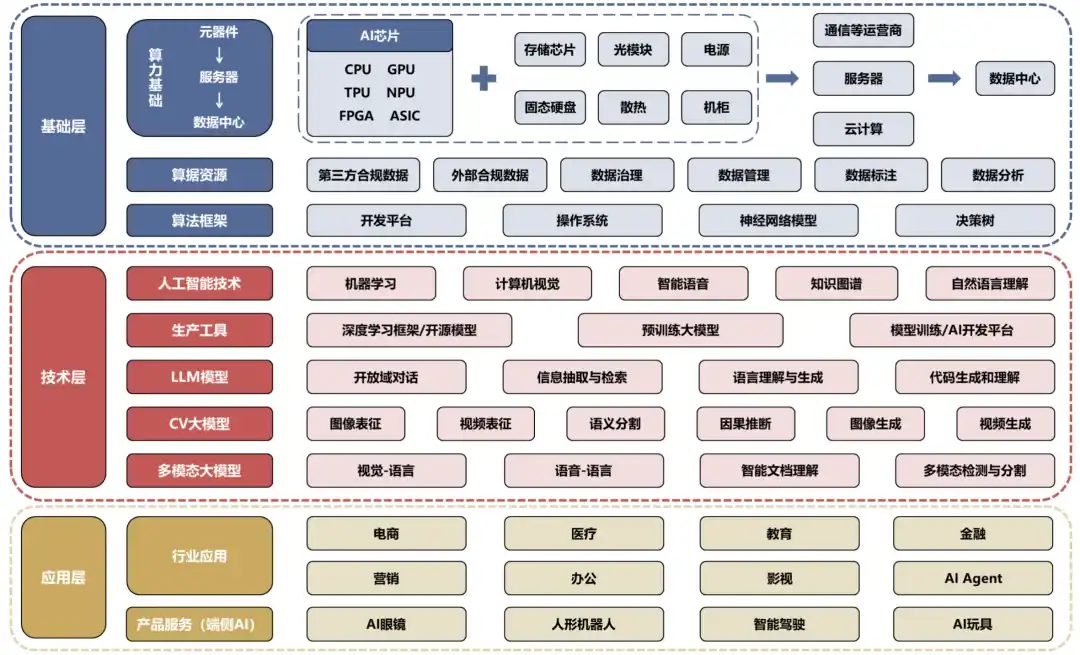
От инфраструктуры вычислений и платформ больших моделей до отраслевых AI-приложений — вся цепочка создания стоимости продолжает открывать долгосрочные инвестиционные возможности.
Исходя из этого, возможности всей цепочки бесконечны. Будь то работа, инвестиции или предпринимательство — углубление вдоль цепочки создания стоимости, нахождение в гуще волны AI в сочетании с долгосрочным подходом Дуань Юнпина и философией "честности" (бэньфэнь) в конечном итоге принесет свои плоды.
Сейчас большие модели уже достаточно умны, но только у Claude удалось добиться прибыльности в сегменте coding agent. AI+ все еще в пути.
Следующий раунд структурных возможностей обязательно достанется тем, кто хорошо подготовился и сохраняет устойчивое состояние духа.