Источник статьи: Гэлун Сюйгун в районе Чэнбэй
Поддержка данных: Gougu Big Data
Пузырь ИИ становится самым неоднозначным консенсусом на мировом рынке. Далио говорит, что пузырь уже высокий, Хуан Жэньсюнь говорит, что возможности только начинаются; один видит перегрев на рынке капитала, другой — начало революции в производительности.
Настоящий вопрос не в том, есть ли пузырь ИИ, а в том, что останется после его схлопывания. Пузырь доткомов 2000 года привел к обвалу NASDAQ, банкротствам компаний и испарению богатства, но он также оставил после себя подводные кабели, широкополосные сети и инфраструктуру облачных вычислений, которые в конечном итоге подняли Amazon, Netflix, YouTube и мобильный интернет.
Сегодня ИИ находится в аналогичном положении. С одной стороны, сотни миллиардов долларов вкладываются в центры обработки данных, электроэнергию, жидкостное охлаждение, оптические модули и GPU, с другой — огромный разрыв с еще не полностью реализованными доходами от приложений. Пузырь, очевидно, существует, но базовая производительность не содержит пустоты. Когда стоимость токена резко упадет, а интеллект начнет вызываться как вода и электричество, ИИ перестанет быть просто инструментом для чата и войдет в реальные рабочие процессы в коде, медицине, финансах, праве, производстве и научных исследованиях. Рынок вычистит компании-оболочки и предпринимателей с презентациями, но не обратит вспять направление ИИ+. Пузырь лопнет, отрасль останется. Далее, наслаждайтесь:
В последние дни рынок сильно колебался, и теории о "пузыре ИИ" стали повсеместными.
-
Основатель Bridgewater Далио говорит: на рынке ИИ существует пузырь, и его уровень "относительно высок".
-
Генеральный директор Nvidia Хуан Жэньсюнь говорит: в ИИ существуют огромные возможности, спрос на вычислительные мощности только начинает расти.
Кому верить?
Оба они правы.
Существует ли пузырь в индустрии ИИ? Несомненно, да.
Но пузыри в технологической сфере часто являются единственным способом, которым общество может отдать дань уважения перед появлением разрушительной передовой производительности. Это не просто негативный термин.
В долгосрочной перспективе это явление, неизбежное на начальных этапах появления передовых технологий.
Многие сравнивают нынешнюю ситуацию с пузырем доткомов 2000 года и с тревогой смотрят на это. Пузырь доткомов действительно привел к падению NASDAQ почти на 78% и испарению более 5 триллионов долларов богатства.
Но двадцать лет спустя, какая отрасль может обойтись без интернета? Сегодня стоимость интернет-индустрии уже намного превышает период пузыря.
Пузырь ИИ, по крайней мере на первый взгляд, похож на это. Пузырь, существующий на рынке капитала, не может остановить почти все отрасли в обществе от активного использования ИИ.
ИИ+ — это общая тенденция. Подобно тому, как сейчас все отрасли не могут обойтись без интернета, в будущем все отрасли также не смогут обойтись без ИИ.
01 "Налог на интеллект", который должен платить инновации
В ту эпоху, когда любая компания с названием, содержащим .com, могла выйти на IPO и привлечь деньги, с 1995 по 2000 год NASDAQ вырос почти на 600%. Затем последовал финансовый шторм, длившийся два с половиной года.
Те звучные имена того времени, такие как программная компания MicroStrategy, из-за бухгалтерских скандалов и чрезмерных обещаний, за один день упали на 62%; Pets.com (онлайн-продажи кормов для собак), Webvan (пионер онлайн-продаж свежих продуктов) просто рухнули... В панике почти все обвиняли интернет в мошенничестве.
Однако физическая инфраструктура, оставшаяся после чрезмерных трат спекулятивного капитала, часто с очень низкой стоимостью питает будущих сверхгигантов. Пузырь лопается не из-за самой технологии интернета, а потому что скорость физического строительства инфраструктуры не поспевает за рыночными ритмами.
Например, те телекоммуникационные компании (такие как WorldCom, Global Crossing), которые были на пике славы, вложили огромные деньги в прокладку глобальных подводных кабелей и сетей плотного волнового мультиплексирования. Хотя они сами обанкротились, эти дешевые "информационные магистрали" стали идеальной питательной средой для будущего взлета Netflix, Zoom и мобильного интернета.
Если бы не безумные сверхинвестиции в телекоммуникационную инфраструктуру по всему миру вокруг 2000 года, не было бы последующего взрыва видеопотоков YouTube и облачной инфраструктуры.
Типичным примером является Amazon. Ее акции упали с максимума в 107 долларов в 1999 году до 7 долларов в 2001 году, снизившись более чем на 90%. Но она выжила, потому что ее базовая бизнес-логика "перестройка розничной торговли с помощью сети" соответствовала направлению передовой производительности.
Это классический закон Амары: переоценивают краткосрочное влияние новой технологии и сильно недооценивают ее долгосрочное влияние. На начальных этапах технологической революции, энтузиазм спекулятивного капитала неизбежно приводит к чрезмерным инвестициям и образованию пузырей. Это "налог на интеллект", который должен платить инновации. Но когда пузырь лопнет, останется более несокрушимая передовая производительность.
02 Почему расходы предприятий на ИИ не снижаются, а растут?
Вернемся в 2026 год, пузырь в индустрии ИИ кажется еще больше.
Только пять крупных облачных провайдеров — Amazon, Google, Meta, Microsoft и Oracle — по прогнозам, в 2026 году потратят 6900 миллиардов долларов на капитальные расходы, а общий объем инвестиций в инфраструктуру ИИ к 2030 году, как ожидается, достигнет 5,3 триллиона долларов. Из них только около 25% уходит на покупку GPU, остальные 75% вкладываются в физическую инфраструктуру: системы жидкостного охлаждения, передачу электроэнергии, сетевые коммутаторы, оптические модули и землю.
Что касается доходов, то все ведущие чисто ИИ-компании, такие как OpenAI, Anthropic, Cohere, Mistral, Perplexity, по прогнозам на 2026 год, в сумме не превысят 400 миллиардов долларов общего дохода.
На базовый уровень вложено почти 7000 миллиардов, на прикладной уровень возвращено несколько сотен миллиардов. Такая серьезная асимметрия — это не пузырь?
Нельзя так прямолинейно и категорично делать такой вывод. Есть один ключевой момент, который нельзя игнорировать:
-
В марте 2023 года, когда OpenAI выпустила GPT-4, смешанная стоимость ввода на миллион токенов составляла примерно 30 долларов.
-
К апрелю 2025 года, с оптимизацией архитектуры моделей и повышением вычислительной мощности для логического вывода, цена на модель с аналогичным уровнем интеллекта упала до 0,1–0,15 доллара за миллион токенов.
Согласно "Отчету об индексе ИИ" Стэнфордского университета и данным TokenCost: стоимость логического вывода ИИ за последние два года упала более чем на 99,7%.
Согласно традиционному линейному мышлению, при падении стоимости расходы предприятий на ИИ должны были бы сократиться. Но реальность такова, что облачные расходы предприятий на ИИ утроились в период с 2024 по 2025 год.
Почему?
Потому что, когда предельная стоимость "интеллекта" приближается к нулю, ИИ перестает быть просто инструментом для суммаризации текста или чат-ботом, а вступает в новую эру агентов и мультимодального улучшенного поиска. Компании начинают использовать ИИ-агентов для автоматического выполнения тысяч задач: писать код, сканировать миллионы юридических контрактов, моделировать биологические эксперименты.
Дешевые токены разблокировали огромный объем длиннохвостового спроса, который ранее не мог быть коммерциализирован из-за затрат.
Это также можно увидеть, сравнив Nvidia 2026 года и сетевого хардварного гиганта Cisco 2000 года. Их рыночные ниши очень похожи, но базовая финансовая устойчивость совершенно разная.
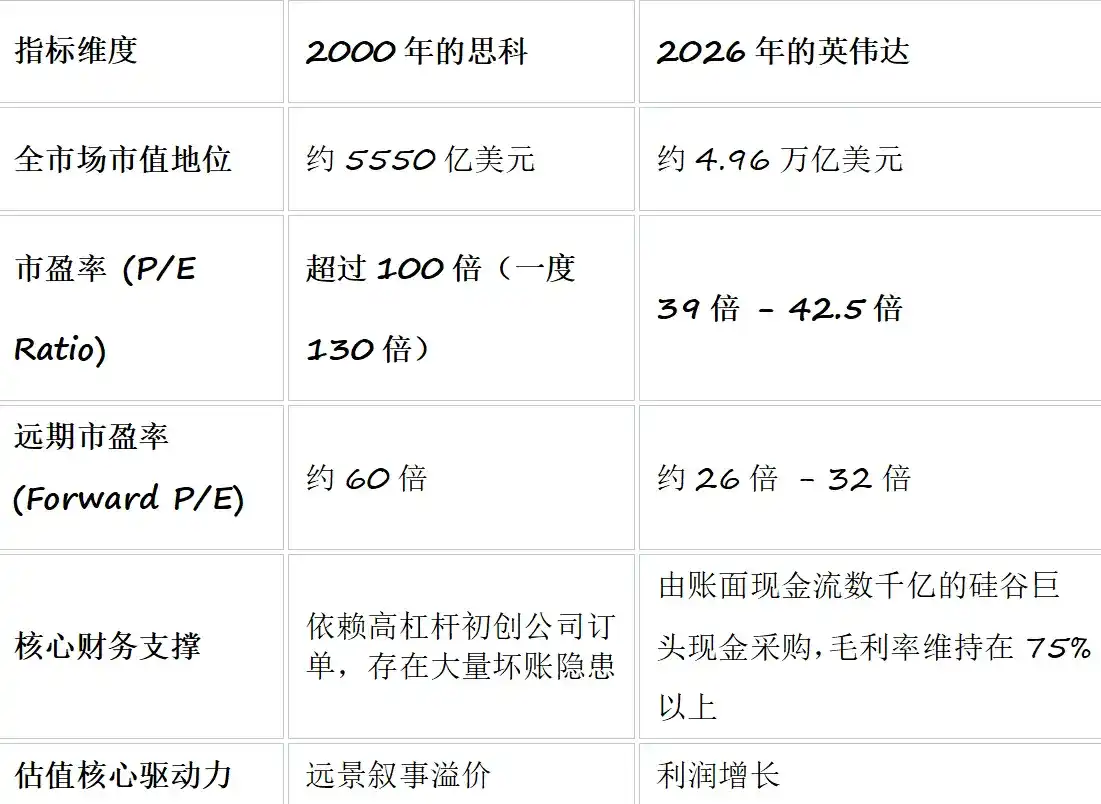
(Сравнение ключевых финансовых показателей Nvidia и Cisco)
Это подтверждает "парадокс Джевонса" в экономике: технический прогресс повышает эффективность использования энергии, но вместо сокращения потребления энергии, снижение затрат приводит к еще большему спросу.
Даже после так называемого "момента DeepSeek" в начале прошлого года рынок быстро пришел в себя в последующие месяцы: чем больше оптимизируются алгоритмы, тем ниже порог внедрения ИИ для предприятий, и в конечном итоге общее потребление вычислительных мощностей растет экспоненциально.
Именно поэтому ИИ потенциально может быть внедрен почти во все старые отрасли. Подобно тому, как за последние двадцать лет все отрасли внедряли интернет+. От SaaS-программ до биомедицины и робототехники для передового производства, управляемой воплощенным интеллектом, в 2026 году почти все отрасли принимают ИИ+. Никто не обсуждает "должны ли мы использовать ИИ", а скорее беспокоятся о "хорошо ли очищены наши данные? Достаточно ли квоты на вызовы API? Оптимальна ли архитектура RAG?".

В настоящее время в индустрии ИИ действительно существует пузырь. Но для предприятий, если не обнять пузырь, их раздавит время. Это уже подтверждено почти двадцатилетним опытом эпохи интернета.
03 Глубинная эволюция рынка: от инфраструктуры к приложениям
В настоящее время мы, несомненно, находимся в критической точке жизненного цикла технологии: накануне "низшей точки разочарования" на кривой зрелости технологий Gartner или в переломном моменте теории "Технологические революции и финансовый капитал".
Пузырь ИИ уже лопается, просто многие этого не осознают. Любой новичок, написав несколько десятков страниц презентации и обернув API OpenAI, мог привлечь деньги. Теперь, когда отлив обнажает все, эти компании без конкурентных преимуществ, только с концепцией, массово умирают.
Это рынок самоочищается, и это проявление лопания пузыря. Но это лишь поверхность. Глубокая логика рынка претерпевает три глубоких изменения:
Первое, перемещение стоимости от CapEx к OpEx
Сейчас деньги зарабатывают те, кто продает инструменты: Nvidia, TSMC, а также компании, продающие оптические модули и системы жидкостного охлаждения для серверов, получают большую часть прибыли. Но по мере того, как вычислительные мощности постепенно становятся "инфраструктурой", как вода и электричество, настоящая сверхприбыль будет постепенно переходить на прикладной уровень. То есть к тем исконно ИИ-компаниям, которые, используя токены с очень низкой стоимостью, действительно решают болевые точки вертикальных отраслей и перестраивают бизнес-процессы (оптимизация OpEx).
Второе, сжатие мультипликаторов оценки и усвоение результатов
То, что рынок дает завышенные оценки ИИ-инфраструктуре, не обязательно означает крах. Во многих случаях быстрый рост прибыли компаний постепенно, "обменивая время на пространство", усваивает высокие оценки. Пока темпы роста доходов гигантов облачных вычислений соответствуют скорости амортизации капитальных затрат, эта игра в горячую картошку может превратиться в беспрецедентную модернизацию отрасли.
-
Например, глобальные гиганты автомобилестроения и производители чипов, внедряя сквозные технологии ИИ-двойников, сократили цикл разработки и запуска новых продуктов на 35%, повысив общую эффективность оборудования всей линии на 18%.
-
Или, в финансовой отрасли, в 2026 году количественная торговля, управление рисками и оценка кредитоспособности полностью контролируются мультимодальными агентами. ИИ не только обрабатывает макроожидания с точностью до микросекунд, но и глубоко участвует в каждом микроуровневом ценообразовании активов.
-
В таких отраслях, как право, медицина, аудит, которые сильно зависят от экспертных знаний, ИИ уже совершил переход от "младшего помощника" до "эксперта уровня партнера".
Среди более чем 1 миллиарда активных пользователей ChatGPT, Gemini, Claude значительная часть использует их в качестве инструментов замены для ежедневной интенсивной умственной работы. Включая вас и меня. Все вышеперечисленное — это реальные события, которые может видеть каждый.
04 Заключение
Оглядываясь на бурную историю технологий, "созидательное разрушение", предложенное Шумпетером, всегда продолжается.
Рынок капитала всегда нетерпелив, всегда хочет, чтобы сегодня вложенный 1 доллар завтра принес 10 долларов. Когда почти 7000 миллиардов долларов инвестиций в инфраструктуру не могут в краткосрочной перспективе полностью превратиться в прибыль на прикладном уровне, рынок неизбежно столкнется с жестокой перетасовкой. Уничтожатся те спекулятивные компании-оболочки, которые живут только на презентациях, и останутся те, у кого есть реальные технологические основы и сценарии внедрения.
После перетасовки эти дешевые и огромные вычислительные центры, высокооптимизированные алгоритмы моделей будут служить тысячам отраслей по очень низким ценам.
После 2000 года человечество вступило в цифровую эпоху, когда ни одна отрасль не могла обойтись без интернета. Сегодня мы также необратимо движемся к эпохе полного расцвета интеллекта, когда все отрасли будут управляться и расширяться возможностями ИИ.
В шуме пузыря, базовый потенциал производительности не содержит ни капли пустоты.