Автор:Zen, PANews
Компания по производству человекоподобных роботов Figure AI недавно запустила глобально обсуждаемый "человеческий vs робот" челлендж по сортировке посылок. Многие подытожили этот состязательный матч, который человек выиграл с трудом, как "человек выиграл настоящее, но проиграл будущее". Это утверждение не лишено оснований: еще до начала соревнования Figure уже вела прямую трансляцию сортировки посылок роботом, которая на данный момент продолжается уже 7 дней. По способности работать без устали и непрерывно робот намного превосходит человека.
Прямая трансляция этого соревнования по сортировке, а также ранее опубликованный масштабный проморолик о домашнем роботе, также приклеили к Figure ярлык любителя устраивать шоу. Однако несомненно, что Figure AI становится одной из самых обсуждаемых в Кремниевой долине компаний по производству человекоподобных роботов. Всего через три года после основания, после нового раунда финансирования, оценка компании взлетела до 39 миллиардов долларов. Среди инвесторов — ведущие предприятия и капиталы, такие как NVIDIA, Intel Capital, Salesforce, LG, Qualcomm.
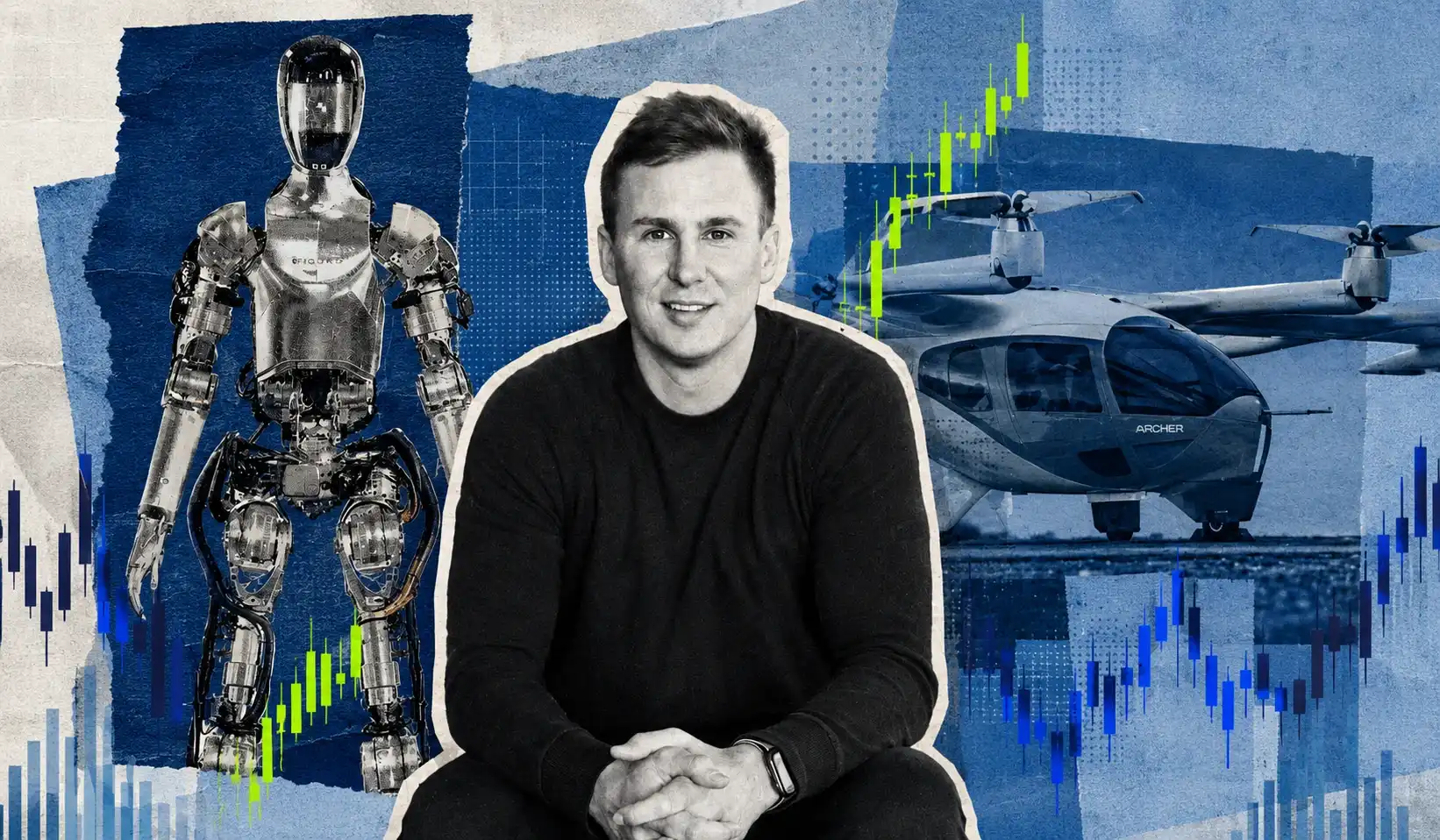
А за этой компанией стоит серийный предприниматель Бретт Эдкок (Brett Adcock), вышедший с фермы. До основания Figure у него уже было два совершенно разных предпринимательских опыта: сначала он создал платформу для подбора персонала Vettery, продав ее в 2018 году компании Adecco Group за 110 миллионов долларов; затем он стал соучредителем компании по производству электрических летательных аппаратов вертикального взлета и посадки Archer Aviation и способствовал ее выходу на Нью-Йоркскую фондовую биржу в 2021 году.
Бретт Эдкок — не тот основатель, который долго и глубоко погружен в одну отрасль, а тот, кто постоянно входит в более сложные, капиталоемкие и труднодоказуемые области. А Figure — это на сегодняшний день его самая заметная ставка, которая вывела его в эпицентр бума ИИ-роботов.
Вокруг этой компании существуют как грандиозные представления об универсальной рабочей силе в виде роботов, так и сомнения относительно завышенной оценки, ранней коммерциализации, рисков безопасности и технологического пути. Чтобы понять Figure, сначала нужно понять, как этот основатель шаг за шагом пришел к сегодняшнему дню.
Серийный предприниматель, вышедший с фермы кукурузы и сои
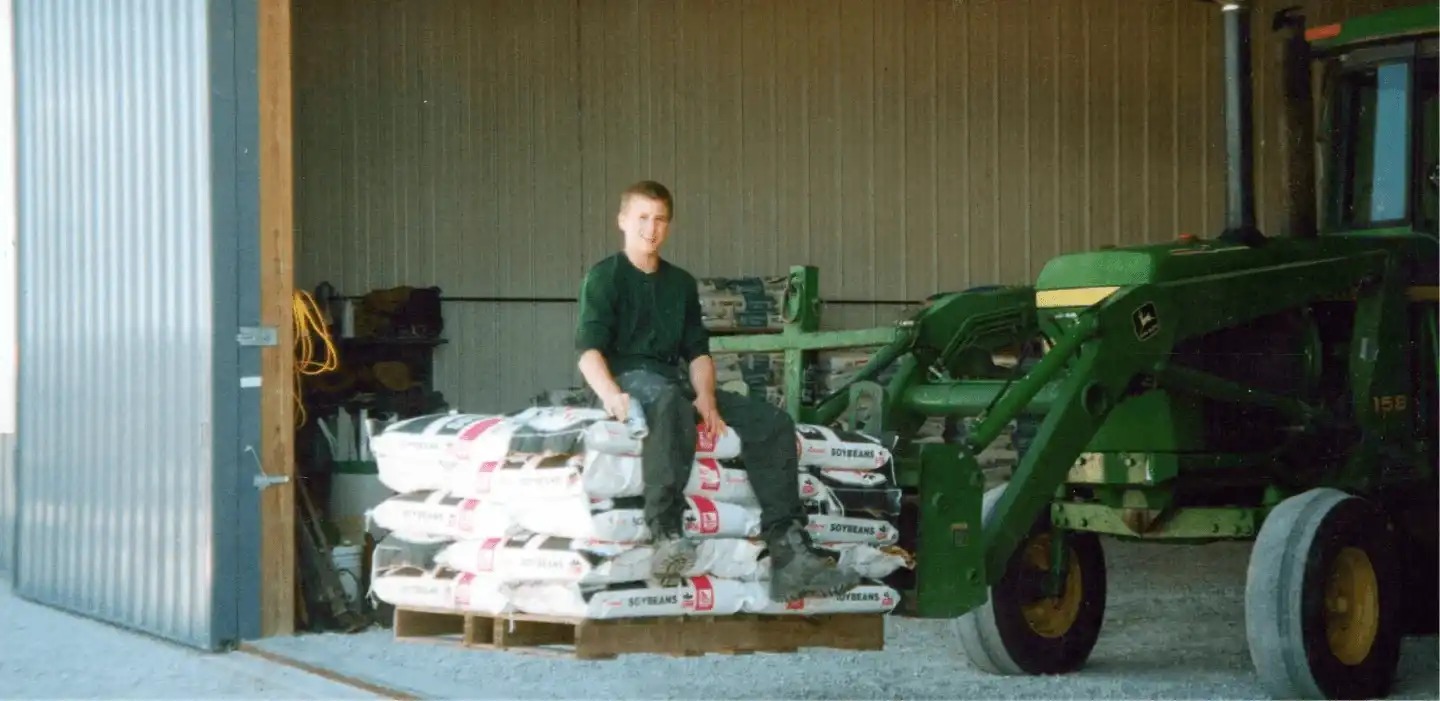
Бретт Эдкок родился в 1986 году на ферме по выращиванию кукурузы и сои в центральной части штата Иллинойс. Воспитание в такой семейной среде, где из поколения в поколение занимаются сельским хозяйством, заставило Эдкока особое внимание уделять тому, "как создавать ценность для мира с нуля". Он начал создавать интернет-компании с 16 лет, и к моменту окончания школы с лучшим результатом в выпускном классе семья уже отчетливо понимала, что ему, возможно, следует покинуть ферму и уйти в мир предпринимательства и бизнеса.
В университетские годы Эдкок продолжал экспериментировать с самостоятельной разработкой различного программного обеспечения, на раннем этапе создав сайт по продаже электроники для активного отдыха. Затем он сосредоточил усилия на сфере подбора персонала, разработав контент-сайт "Street of Walls" для помощи соискателям в подготовке к собеседованиям в финансовой и других сферах, мобильный сайт для поиска работы "Working App" и сайт для видеоинтервью. Эти проекты не были успешными, скорее напоминая ранние незрелые предпринимательские эксперименты.
В 2012 году, работая в Нью-Йорке, Эдкок снова обратил внимание на рынок рекрутинга. Он основал Vettery совместно с Адамом Гольдштейном (Adam Goldstein). Изначально Vettery была платформой для сторонних рекрутинговых компаний, но эта модель быстро доказала свою неконкурентоспособность. После нескольких корректировок Эдкок и команда решили сменить направление, разместив соискателей и компании на одной платформе и повысив эффективность подбора с помощью программного обеспечения и машинного обучения.
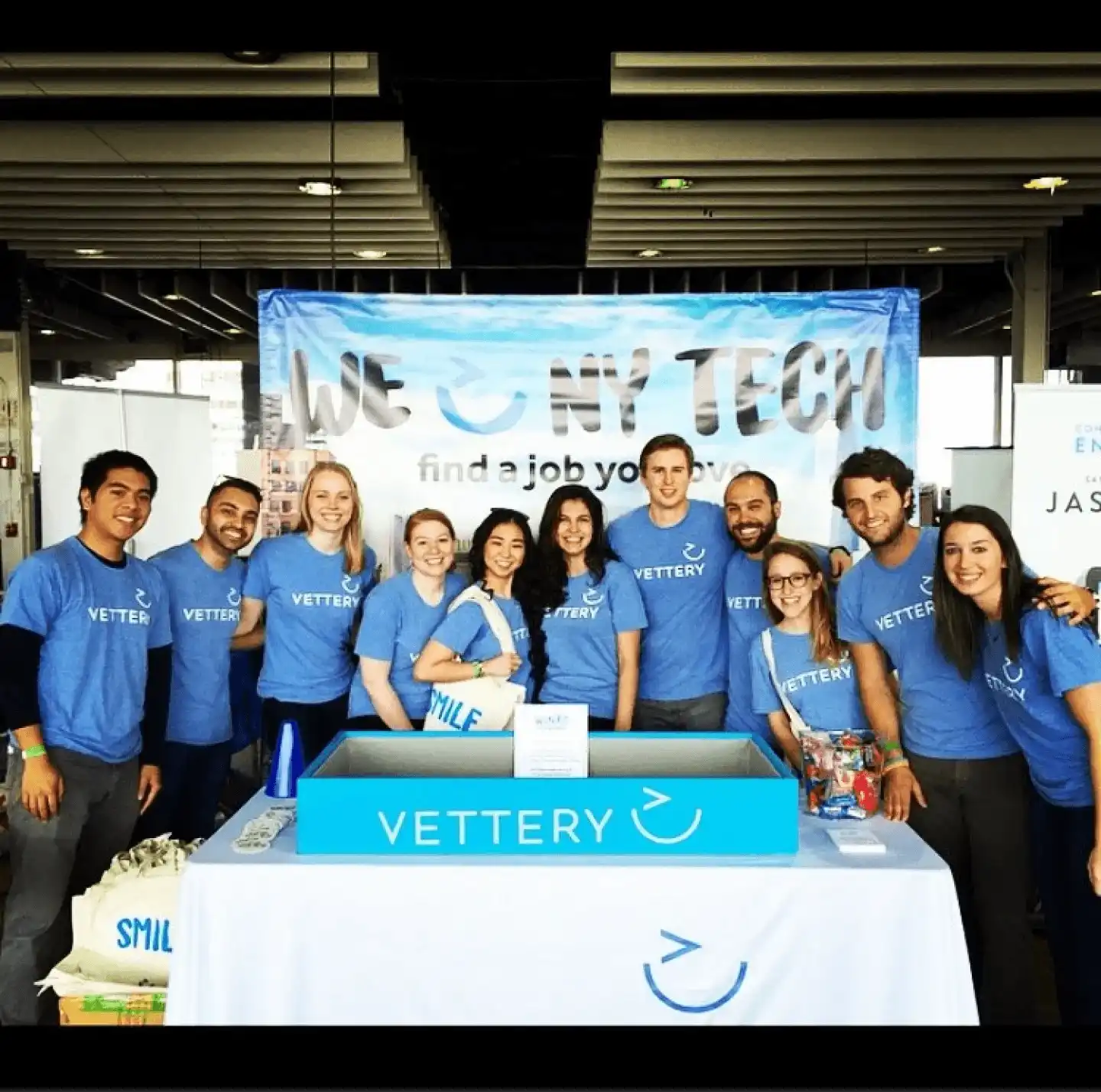
После запуска платформы Vettery рост начал ускоряться. Эдкок позже вспоминал, что количество пользователей платформы удваивалось в течение нескольких недель подряд. К 2017 году численность сотрудников Vettery выросла до 300 человек, у компании было около 20 000 клиентов, и ежемесячно через систему проводилось около 30 000 собеседований. Компания также привлекла внимание крупнейшей в мире рекрутинговой компании Adecco Group, которая приобрела ее в 2018 году за 110 миллионов долларов.
Эта сделка также принесла Эдкоку, только что перешагнувшему тридцатилетний рубеж, значительное личное состояние. Он начал искать более сложные, долгосрочные проблемы, требующие капитала и инженерных возможностей, чтобы заняться работой в области оборудования и устойчивого развития. Поэтому он переехал на запад, в Калифорнию, и отправился в Кремниевую долину в поисках следующей возможности.
Три года, чтобы превратить новичка в летающих автомобилях в публичную компанию
Пытаясь решать более сложные проблемы, Эдкок уже не мог, как в студенческие годы, разбрасываться идеями и тестировать их с низкими затратами. После всестороннего рассмотрения он решил сосредоточиться на решении транспортных проблем в трехмерном воздушном пространстве. Эдкок захотел попробовать создать летающий автомобиль из научно-фантастических фильмов, поэтому электрический летательный аппарат вертикального взлета и посадки (eVTOL) стал наиболее подходящим выбором.
В 2018 году Эдкок снова объединился с Адамом Гольдштейном, чтобы вместе основать Archer Aviation. По сравнению с предыдущим Vettery, Archer — это совершенно другой мир. Ей необходима команда топовых инженеров, разработка аппаратного обеспечения, цепочки поставок, инженерное производство, авиационная сертификация, общественная безопасность, а также долготерпение рынка капитала.
Создание Archer Aviation также имело случайную возможность. Как раз тогда французский авиационный гигант Airbus решил перенести все операции по "летающему автомобилю" Vahana во Францию; а сотрудничество компании летающих автомобилей Kitty Hawk с Boeing привело к сокращению затрат, что вызвало недовольство части инженерной команды (Kitty Hawk позже распалась в 2022 году). Эдкок воспользовался возможностью и привлек большое количество персонала из этих двух проектов, быстро сформировав опытную команду.
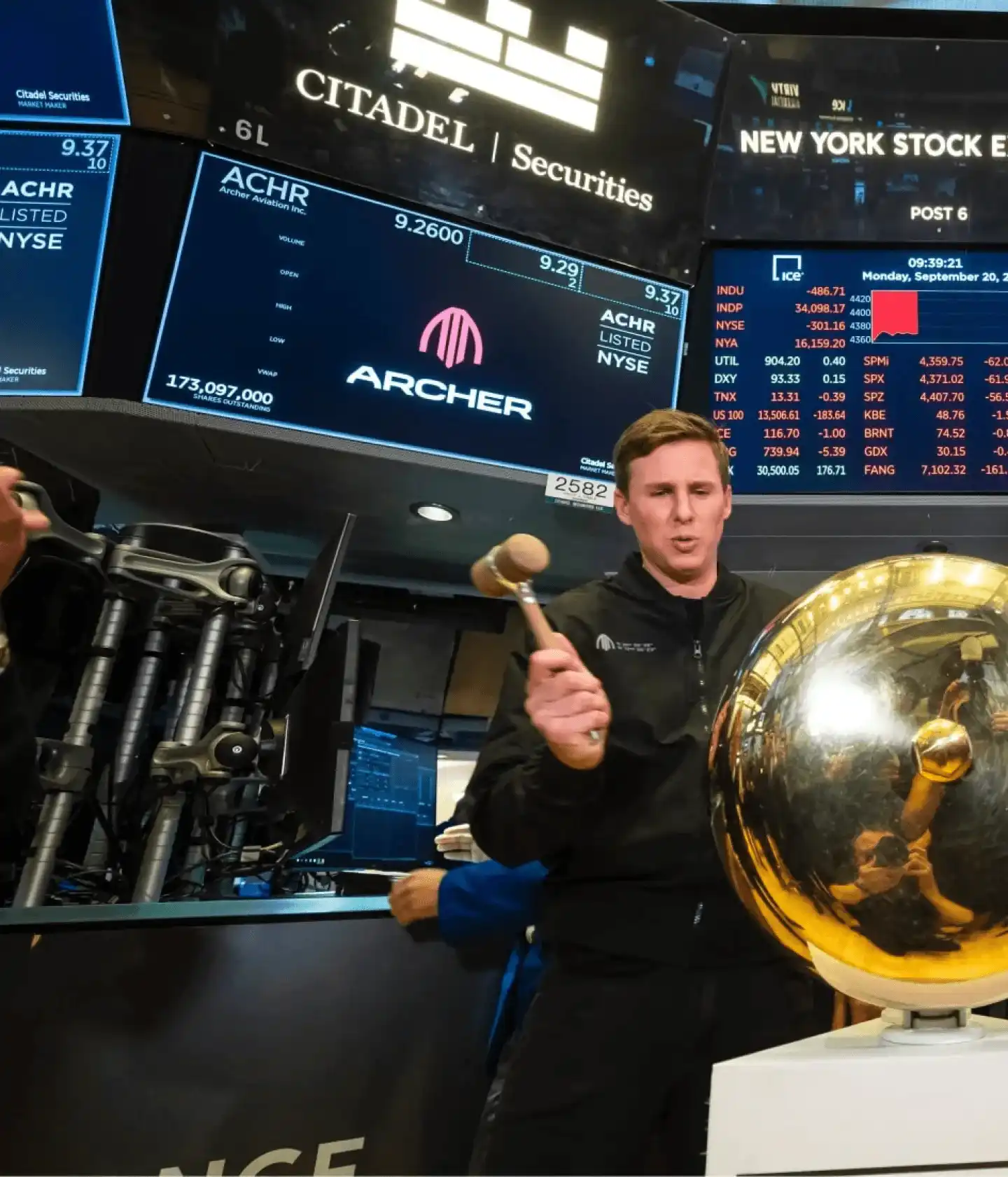
В 2021 году Эдкок и его команда успешно совершили первый полет полноразмерного прототипа двухместного беспилотного самолета Maker, наладили сотрудничество с автогигантом Fiat Chrysler в области цепочек поставок, передовых композитных материалов, а также инженерии, дизайна и производства, и получили крупный заказ на 10 миллиардов долларов от американской авиакомпании United Airlines. В том же году Archer Aviation вышла на Нью-Йоркскую фондовую биржу через SPAC с оценкой примерно в 2,7 миллиарда долларов. На сегодняшний день рыночная капитализация этой компании составляет 4,5 миллиарда долларов, и она также входит в инвестиционный портфель фонда Арки Кэти Вуд (ARK Invest).
Хотя вход на рынок был запоздалым, стремительный взлет Archer Aviation все же сделал ее одним из основных конкурентов в зарождающейся отрасли eVTOL. В ноябре 2022 года был представлен пятиместный самолет Archer "Midnight". После получения сертификата типа от Федерального управления гражданской авиации США (FAA) он станет первым продуктом компании в качестве воздушного такси.
Однако Эдкок незаметно покинул компанию вскоре после ее выхода на биржу. В апреле 2022 года Archer объявила, что Адам Гольдштейн займет пост единственного CEO, а Эдкок больше не будет со-генеральным директором, но останется в совете директоров. В компании тогда объяснили, что это изменение было внесено для упрощения операционной структуры и продвижения летных испытаний, сертификации и коммерциализации.
Реальная причина ухода, возможно, более сложная, и внешнему миру о ней ничего не известно. Судя по динамике акций компании, она действительно находилась в фазе спада после выхода на биржу. Позже Эдкок говорил, что покинул Archer из-за "разногласий" с советом директоров, особенно после того, как компания вышла на открытый рынок, и то, что он хотел делать, отличалось от того, что хотела делать команда.
Возможно, для него корпоративное управление публичной компанией, регуляторный путь и ритм коммерциализации больше не подходили основателю, который всегда стремился прыгнуть в следующую технологическую революцию.
Конец предпринимательству? Эдкок планирует строить Figure с 30-летней перспективой
После ухода из Archer Эдкок быстро погрузился в следующую, не менее фантастическую и на сегодняшний день более масштабную игру. В 2022 году он основал Figure AI, войдя в сферу универсальных человекоподобных роботов. В своем Мастер-плане для Figure он написал, что его цель — строить эту компанию с 30-летней перспективой, вкладывая время и ресурсы в "максимизацию полезного воздействия на человечество".
В вопросах укомплектования персоналом Эдкок применил стратегию, схожую с той, что использовал при создании Archer. Он быстро собрал команду из 60 человек, члены которой в основном пришли из известных компаний и проектов, таких как Boston Dynamics, Tesla, проект беспилотных автомобилей Apple, Google DeepMind и других.
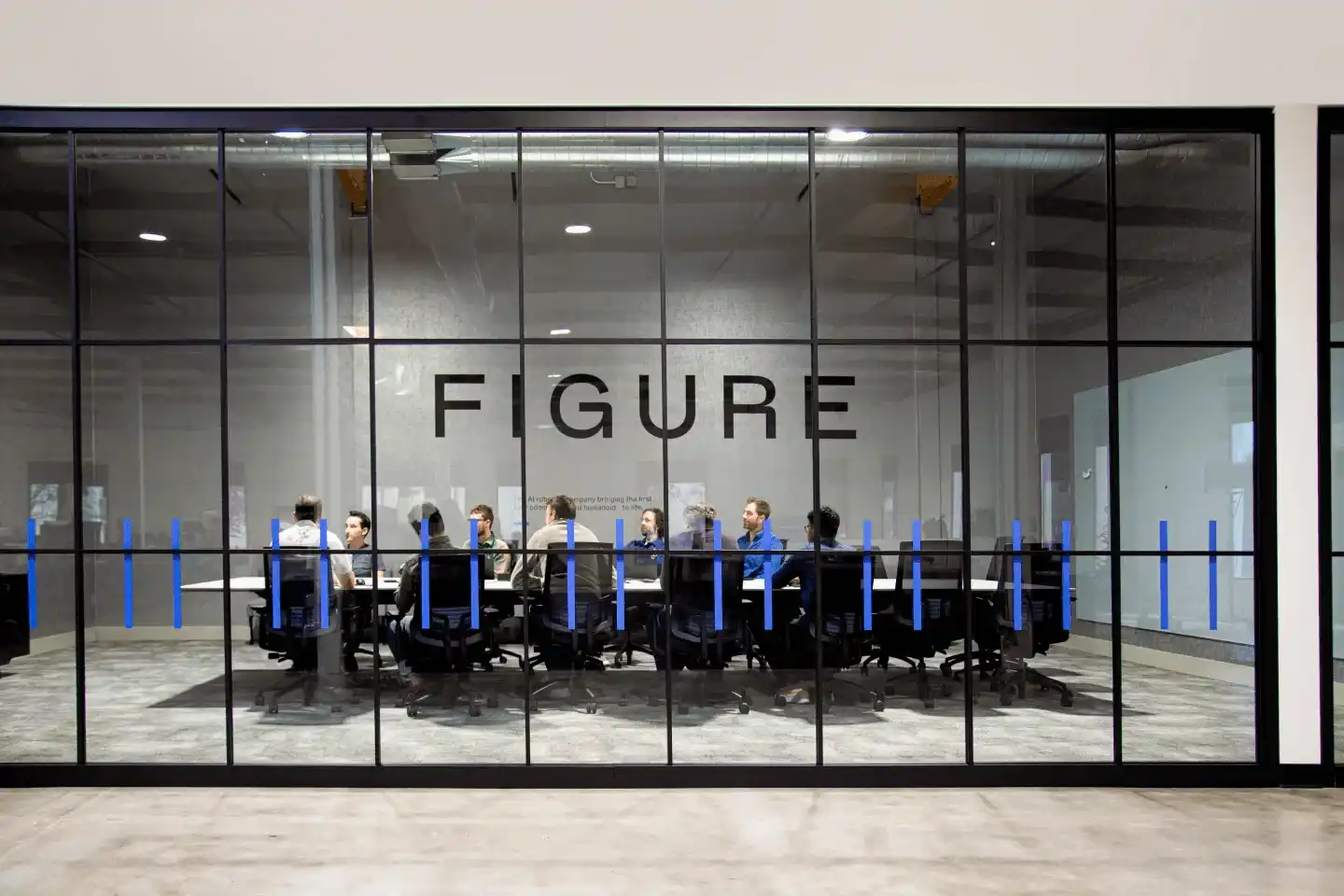
Дать ИИ тело — такую задачу поставил Эдкок перед Figure. Figure создает не промышленные манипуляторы и не сервисных роботов, а универсальных человекоподобных роботов, способных входить в человеческую среду, использовать человеческие инструменты и выполнять различные задачи. Эдкок считает, что мир изначально спроектирован для человеческого тела, и если можно создать роботов, которые взаимодействуют с миром похожим образом, то можно автоматизировать огромное количество работ.
В основе этой концепции лежит оценка Эдкоком рынка труда. В Мастер-плане Figure он пишет, что в США насчитывается более 10 миллионов "небезопасных или непривлекательных" рабочих мест, и старение населения еще больше усложнит для предприятий задачу расширения рабочей силы; если экономика все еще должна расти, потребуется больше производительности, а значит, больше автоматизации. Таким образом, Figure определила производство, логистику, складирование, розничную торговлю и домашние сценарии как долгосрочные направления.
По мере роста оценки Figure сомнения в адрес Эдкока также становятся все более концентрированными. Первый тип сомнений связан с огромным разрывом между коммерциализацией и оценкой. По сути, рынок покупает далекое будущее ожидание. Хотя Figure пользуется популярностью на рынке с оценкой, близкой к 400 миллиардам долларов, масштабы ее доходов и производственные возможности по-прежнему ограничены, а ее будущие прогнозы доходов в высокой степени зависят от способности развернуть большое количество роботов до 2029 года.
Кроме того, разрыв отношений Figure с OpenAI также привлек большое внимание и вызвал споры. В 2024 году Figure сотрудничала с OpenAI в разработке модели ИИ следующего поколения для роботов и получила поддержку инвестиций от OpenAI, Microsoft, NVIDIA, Джеффа Безоса (Jeff Bezos) и других. Но менее чем через год Эдкок решил прекратить сотрудничество и переключиться на внутреннюю разработку модели.
Согласно отчету Business Insider, Эдкок позже заявил, что OpenAI принесла Figure мало ценности, кроме бренда, и что ИИ для роботов требует другого технологического пути, отличного от чат-ботов. Он также сказал, что, когда OpenAI заявила о намерении самостоятельно заняться человекоподобными роботами, он счел сотрудничество завершенным. В отчете также упоминается, что технический специалист OpenAI поделился соответствующим фрагментом и назвал его утверждения "неправдой".
"Благосклонность" к более сложным проблемам и более крупным нарративам
Оглядываясь на три основные линии предпринимательства Эдкока — Vettery, Archer и Figure — на первый взгляд они не связаны между собой: платформа для рекрутинга, летающий автомобиль и человекоподобный робот. Но на самом деле они разделяют одну и ту же философию предпринимательства: выбрать огромный, неэффективный рынок, на котором появляется технологический переломный момент, и продвигаться одновременно с помощью капитала, инженерных команд и радикального нарратива.
В Vettery он сделал ставку на то, что машинное обучение повысит эффективность подбора персонала; в Archer — на то, что батареи, электродвигатели и авиационная инженерия откроют городские воздушные перевозки; в Figure — на то, что модели ИИ, аппаратное обеспечение для роботов и производственные возможности смогут слиться в новый тип рабочей силы. Мышление Эдкока исходит не из точечного продукта, а из обратного хода мысли: "как должен функционировать мир будущего", чтобы определить, какую компанию следует основать сегодня.
Карьера Бретта Эдкока напоминает кривую с постоянно растущей долей материальных активов: от программных платформ к летательным аппаратам, а затем к человекоподобным роботам. Он не тот технический эксперт, который десятилетиями углубленно работает в одной области, он больше похож на "охотника за стартапами", который улавливает возможности, организует ресурсы, набирает команду, усиливает нарратив, а затем уходит.
Сейчас, стоя в лучах софитов Figure AI, он сталкивается с такими же громкими сомнениями, как и аплодисментами. Но каким бы ни был финал, он уже вписал свое имя в первую главу коммерческой истории ИИ-роботов.



















