Справочный обменный курс предназначен только для справки и не является фиксированным. Окончательный курс определяется на основе фактической цены исполнения.
Текущая статистика ZEN
Реальлная цена Horizen (ZEN) сейчас составляет $5.52 USD и текущая рыночная капитализация составляет $-- USD.
Получайте обновления по ZEN/USD в реальном времени на HTX. Оставайтесь в курсе последних данных и тенденций рынка, чтобы принимать разумные торговые решения. HTX – ваш надежный источник точной информации о ценах на криптовалюты.
Основные данные по Horizen
Объем за 24ч (USD)
$--
Изменение цены сегодня
--
Оборотное предложение (ZEN)
18.25M
Зарегистрируйтесь и торгуйте, чтобы выиграть вознаграждения на сумму до 1,500 USDT.Участвовать
Динамика цены ZEN
Отслеживайте движение цены Horizen, просматривая графики за периоды в 1 день, 30 дней, 60 дней, 90 дней, 1 год и за весь период с момента листинга на HTX.Просматривайте еще больше данных о ценах Horizen
Время
Изменение
Изменение в %
Самая высокая цена
Самая низкая цена
No data
Рыночная информация по ZEN
Получайте последнюю информацию о цене Horizen на HTX: ценовые максимумы и минимумы за 24 часа, исторический максимум (ATH), и ежедневный процент изменения цены.
24ч Мин
$0
24ч Макс
$0
Исторический максимум
$0
Рыночная капитализация
$0.00
Объем за 24ч (USD)
$--
Объем в обращении
--
Что такое ZEN?
Horizen — это технологическая платформа, которая обеспечивает каждому конфиденциальность и полный контроль над своим цифровым следом. Запущенная в мае 2017 года, эта передовая платформа обеспечивает реальные возможности использования с помощью валюты ZEN, включая возможность приватного общения с другими пользователями и, в конечном итоге, позволяет пользователям публиковать информацию и перемещаться по веб-сети с полной конфиденциальностью.
Для получения более подробной информации, пожалуйста, прочтите: Что такое Horizen?
Как купить ZEN
Купить ZEN на HTX очень просто. Нажмите здесь, чтобы ознакомиться с полным руководством по покупке Horizen.
Рынки ZEN в реальном времени
Обзор цен Horizen в реальном времени на спотовых рынках HTX. Переключайтесь между спотовым и фьючерсным рынками, чтобы мгновенно сравнивать текущие цены и изменения цен за 24 часа.
Основываясь на исторических показателях Horizen, наш инструмент прогнозирования предполагает, что цена Horizen (ZEN) может достигнуть -- к -- году.
Прогноз цены ZEN за -- год
Наш самый последний прогноз говорит о том, что цена Horizen (ZEN) вырастет до -- к -- году, а изменение цены составит --% и совокупный ROI составит приблизительно --%.
Купите свои первые ZEN на HTXРегистрация
Часто задаваемые вопросы о ZEN
Какая сегодня цена Horizen (ZEN)?
Текущая цена Horizen (ZEN) составляет $5.52 USD.
Какая рыночная капитализация Horizen (ZEN)?
Текущая рыночная капитализация Horizen (ZEN) составляет $0.00 USD, рассчитанная путем умножения его оборотного предложения на текущую цену.
Каково оборотное предложение Horizen (ZEN)?
Текущее оборотное предложение Horizen (ZEN) составляет -- ZEN.
Каким был исторический максимум Horizen (ZEN)?
На 2026-08-22, исторический максимум Horizen (ZEN) составляет $0 USD.
Каков 24-часовой объем торгов Horizen (ZEN)?
24-часовой объем торгов Horizen (ZEN) на HTX составляет -- USD.
Могу ли я купить Horizen (ZEN) на HTX?
Да, HTX предлагает лучшие в отрасли торговые комиссии и высокую ликвидность, обеспечивая бесперебойную и безопасную торговлю Horizen (ZEN).
The article details a series of absurd and revealing anecdotes shared by Silicon Valley founders about their venture capital fundraising experiences, sparked by Greg Isenberg's story of pitching to a sleeping a16z partner.
Founders describe surreal pitch meetings: one faced a barefoot, peanut-eating investor who offered triple the requested amount after 30 seconds; another performed a pitch in a VC's parked car; a founder discovered his audience understood no English beyond "yes." These stories highlight the often irrational and performative nature of fundraising.
Beyond the absurdity, darker power imbalances are exposed. Stories include investors suggesting founders fire co-founders for their equity, blatant market misjudgments, disrespectful behavior from LPs, and discriminatory remarks. A debate also emerges around "Sequoia's" practice of splitting a round into two valuations.
However, the thread isn't solely critical. Positive counter-narratives celebrate supportive VCs who offered crucial advice during crises, respected founders' timelines, and showed simple gestures of respect—like a partner personally fetching coffee before a major pitch.
Ultimately, the collective sharing acts as a pressure release, illustrating that fundraising is a complex dance of power, trust, and sometimes sheer theater. It underscores that beyond capital, mutual respect and integrity remain the most enduring foundations of the founder-investor relationship.
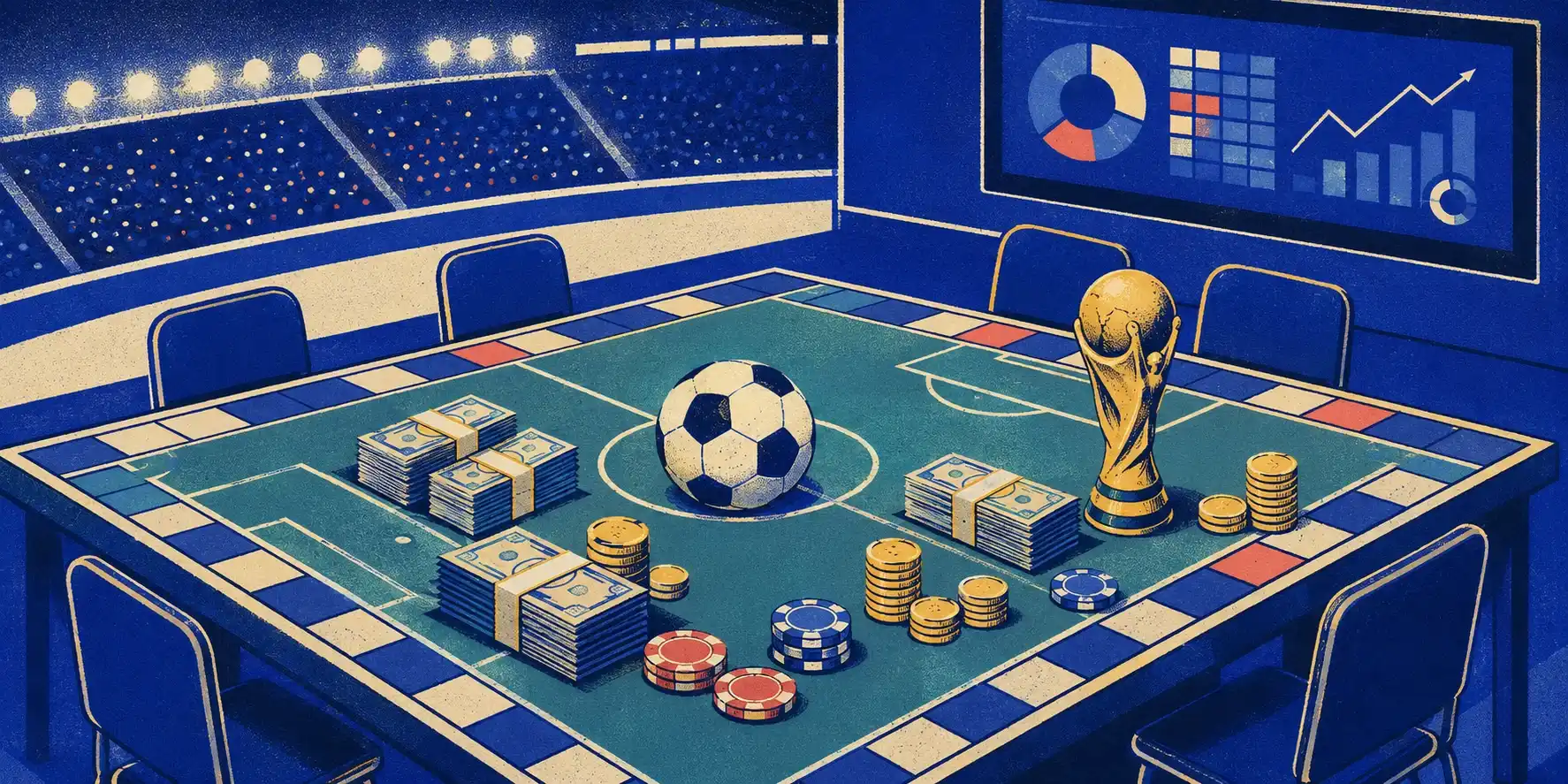
"Beyond the Pitch: The Profit Game Around the World Cup"
The FIFA World Cup transcends being a sporting spectacle, evolving into a massive global arena for speculation and profit-seeking. The 2026 tournament has amplified this dynamic, creating a multi-layered ecosystem of financial opportunism alongside the football.
**Prediction markets** have surged into the mainstream. Platforms like Polymarket and Kalshi saw trading volumes for World Cup contracts soar, attracting new users with their financial trading model and high-profile, chain-based wealth stories that overshadow traditional sports betting in terms of growth and narrative. However, **traditional sportsbooks** remain the dominant force, leveraging established user habits, legal markets, and comprehensive product offerings to handle the vast majority of speculative wagers, with projections suggesting record-breaking betting volumes.
Capital markets also react. **"Concept stocks"** in countries like South Korea and Japan experience volatile price swings based on team performance and anticipated fan spending on items like chicken, beer, and viewing parties, effectively becoming a stock market reflecting fan sentiment. The **ticket resale market** has become a sophisticated arena for arbitrage. Prices fluctuate wildly based on team draws and star power, with sellers sometimes listing tickets they don't yet own in a practice akin to short-selling, while FIFA's own "Right to Buy" tokens add another layer of speculative trading.
**Collectibles and merchandise** offer another avenue. Panini sticker albums, with their inherent scarcity and nostalgic value, can become high-value collectibles. Limited-edition or locally themed jerseys command significant premiums on secondary markets, and even counterfeit vendors profit from fans' desire for affordable match-day identity.
The **cryptocurrency** space has seen a frenzy of speculative, unauthorized World Cup-themed meme coins on chains like Solana. These tokens, often exploiting team names and player imagery, experience extreme pump-and-dump cycles, creating stories of massive gains for a few early entrants and steep losses for many others.
Finally, an entire industry thrives on **providing information and tools** to other speculators. Developers create platforms like SeatSidekick to track ticket inventory and prices, while paid Telegram groups and subscriptions sell betting tips and predictions, monetizing the widespread desire for an informational edge.
In essence, the World Cup has become a compressed, global laboratory for speculation. While the games determine champions on the field, a parallel, complex network of financial transactions—spanning prediction contracts, bets, stocks, tickets, collectibles, crypto, and information services—settles its own scores in the global market.
Former CFTC Chairman and Circle President Heath Tarbert has consistently advocated for a long-term vision in public, urging patience from investors as Circle’s stock price has fallen significantly from its peak. However, it has been revealed that since Circle’s IPO, Tarbert has continuously sold his CRCL shares through pre-arranged trading plans, cashing out approximately $30 million, without making any public market purchases. This contrast between his public messaging and personal actions has drawn criticism.
Tarbert joined Circle in July 2023 as Chief Legal Officer, leveraging his regulatory experience to help guide the company through its IPO and expansion. Despite promoting stablecoins as long-term infrastructure, he established a 10b5-1 trading plan just before Circle went public, leading to substantial stock sales over the following year. In March 2026, he initiated another plan to sell more shares.
His career trajectory highlights a pattern of moving between high-level regulatory roles and influential positions in the financial sector. After resigning as CFTC Chairman in early 2021, he joined Citadel Securities as Chief Legal Officer just 27 days later, during a period of intense regulatory scrutiny for the firm. He later joined Circle, aiding its efforts to navigate regulatory challenges for its public listing.
While Tarbert's expertise in policy and compliance is valuable to companies like Circle, his actions—advocating long-term confidence while personally divesting—raise questions about the alignment between his public statements and his private financial decisions, leaving investors who followed his advice to bear the market risks.
Summary: "From 'Western Ants' to National Pension: Why Korean Capital Continues to Flow to the U.S.?"
South Korea’s capital is increasingly moving toward U.S. markets, driven by two key investor groups. Individual retail investors, known as "Western Ants," actively trade U.S. stocks overnight, seeking exposure to major tech firms and higher returns often unavailable in Korea’s concentrated domestic market.
Simultaneously, the National Pension Service (NPS), managing over $1.16 trillion in assets, is expanding its global investment footprint. Facing demographic pressures and the sheer size of its fund, NPS has steadily increased overseas allocations, with over half its financial assets now invested abroad. A recent memorandum of understanding with six top U.S. venture capital firms (including Sequoia and a16z) marks a strategic extension into Silicon Valley’s private investment ecosystem, aiming to access growth-stage tech opportunities while leveraging external managers’ expertise.
While both flows reflect limitations of Korea’s home market, their risk profiles differ sharply: retail investors often pursue speculative, concentrated bets, whereas NPS must ensure long-term, diversified returns for national retirement security. This outward shift also creates macroeconomic tensions, as demand for dollars from both groups pressures the Korean won, prompting coordinated measures between NPS and the central bank to mitigate currency volatility.
Ultimately, Korea’s growing financial integration with global markets—especially the U.S.—signals a broader structural shift where citizens’ wealth and pension sustainability are increasingly tied to worldwide economic dynamics.
POAP, a digital collectibles project that issued blockchain-based badges as proof of attendance at events, announced it is ceasing development after over five years. Born from a 2019 hackathon, POAP evolved from an Ethereum community experiment into a widely adopted credential for conferences, brand activations, and major industry moments like the Ethereum Merge. It aimed to digitize the sentimental value of physical mementos like ticket stubs, allowing users to own and display records of shared experiences.
The project raised $10 million in 2022, envisioning POAPs as building blocks for a decentralized social graph and digital identity. Their potential utility for granting exclusive access, airdrops, or rewards drove adoption but also created a fundamental tension. As POAPs became linked to financial incentives, they attracted sybil attacks and speculative collection, undermining their role as authentic records of participation. This conflict between cultural value and crypto-economic utility proved difficult to resolve.
POAP's story mirrors the earlier Web2 platform GetGlue, which let users "check-in" to TV shows and collect digital stickers. Despite millions of users and media partnerships, GetGlue struggled to build a sustainable business around an ancillary record of consumption and was eventually shut down. Similarly, POAP found that while the badges held significant cultural meaning for users, this did not easily translate into a viable business model. The very aspects that gave POAP its value—being free, low-barrier, and non-speculative—clashed with the prevalent token-driven monetization strategies in crypto. Ultimately, POAP preserved many digital memories but could not secure its own future.
marsbit17天前
Треды
Приветствуем вас в Сообществе HTX. Здесь вы можете быть в курсе последних новостей платформы и получите доступ к профессиональной рыночной аналитике. Мнения пользователей о цене Horizen (ZEN) представлены ниже.