Event Preview: Creating Pop Culture with Prompts | Super Creator Live

marsbitОпубликовано 2026-04-01Обновлено 2026-04-01

Введение

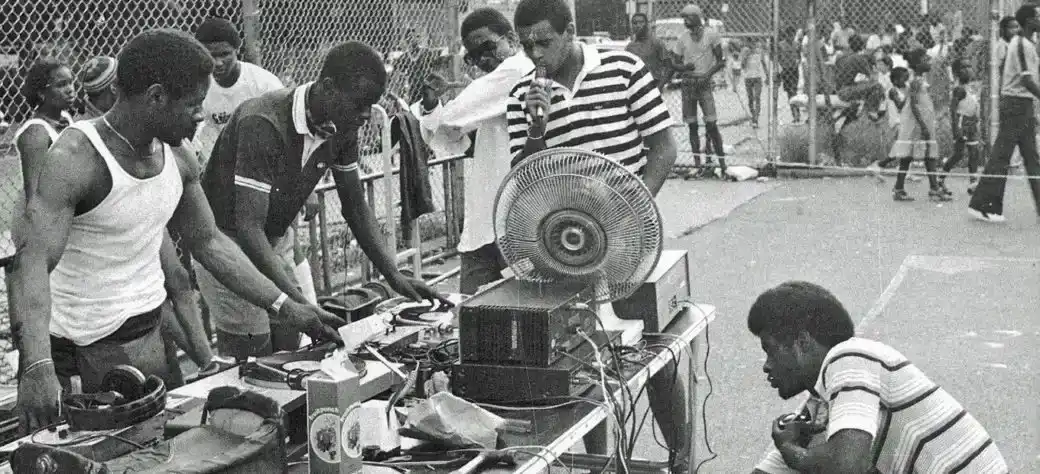
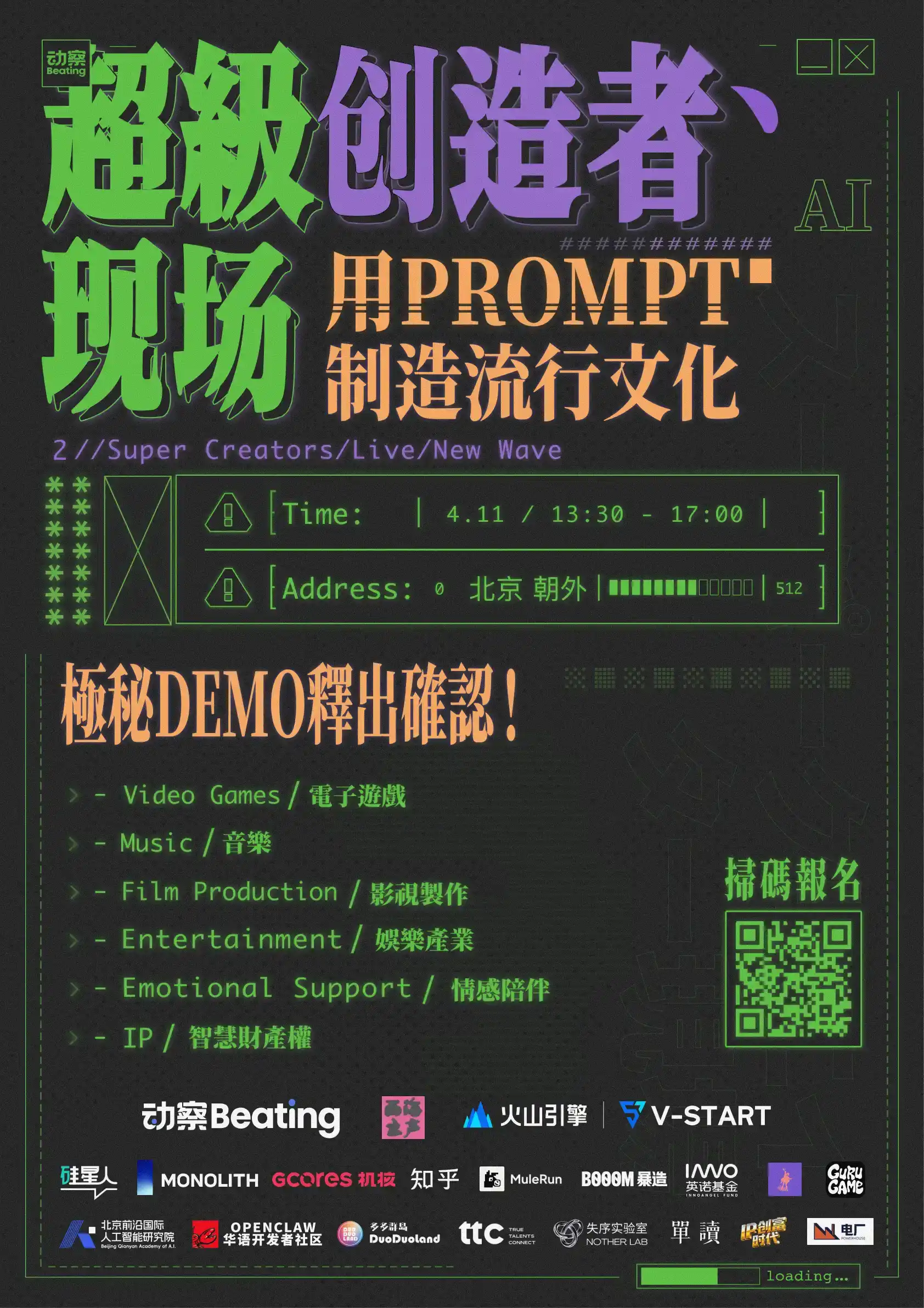
Event Preview: Creating Pop Culture with Prompts | Super Creator Live In 1970s South Bronx, New York, resourceful young people transformed record players into instruments by looping beats, birthing hip-hop and demonstrating how culture emerges from playful, rule-breaking creativity. Similarly, today’s AI technology is often narrowly viewed through a lens of economic efficiency—yet its true potential may lie beyond utilitarian applications. This event, co-hosted by Beating and West Sea Radio, invites creators to explore AI’s expressive, cultural, and emotional possibilities. We seek demos—whether games, films, music, or emotionally resonant experiments—that use AI to turn unique ideas into tangible creations. This gathering aims to connect creators, investors, and audiences, fostering a space for unconventional thinking. By enabling individuals to transform personal stories and emotions into shareable art, AI is democratizing pop culture—shifting it from top-down production to a participatory, prompt-driven movement. Join us to help shape this new wave.

In the South Bronx of the 1970s, resources were scarce, but the party had to go on. Young people who couldn't afford live bands brought home turntables to street corners and abandoned warehouses, dancing joyfully to the beat of the drums.

Before this, playing records was a ritual of step-by-step precision. Dust had to be wiped away, the record placed, the switch pressed, and the needle set down. After a few faint, intermittent crackles, the melody would rise from the background noise.

"It feels a bit too rigid."

That's what the young people of half a century ago thought as they repeatedly switched between the same drum breaks, cueing, looping, and looping again. In the never-ending rhythm, they turned a machine meant for playing back music into a brand new instrument. What happened next, we all know: these self-proclaimed "DJs" single-handedly created Hip-Hop, unleashing a torrent of vibrant energy that flows to this day.

Most moments in the birth of pop culture share a similar history—myths from imagination to popularity, constantly "played" out by those who refuse to be disciplined by convention, in a spirit of defiance.

There's no doubt that our era loves change more than any before. In the horizon of time built by imagination, human civilization, still toddling within the solar system, is in its most energetic years, so technological development also carries an unstoppable momentum.

Faced with the surging wave of AI, many people feel a sense of disorienting anxiety. Subconsciously, we take it for granted that cutting-edge technology must be used for economically rational purposes. So, in calculations of cost reduction and efficiency gains, we repeatedly sketch out that seemingly more powerful and cheaper virtual labor force.

"It feels a bit too rigid."

I wonder if you resonate with those young people on the streets back then. Just as no one said turntables could only play music, if we don't do the "serious business" mentioned above, what else can AI do?

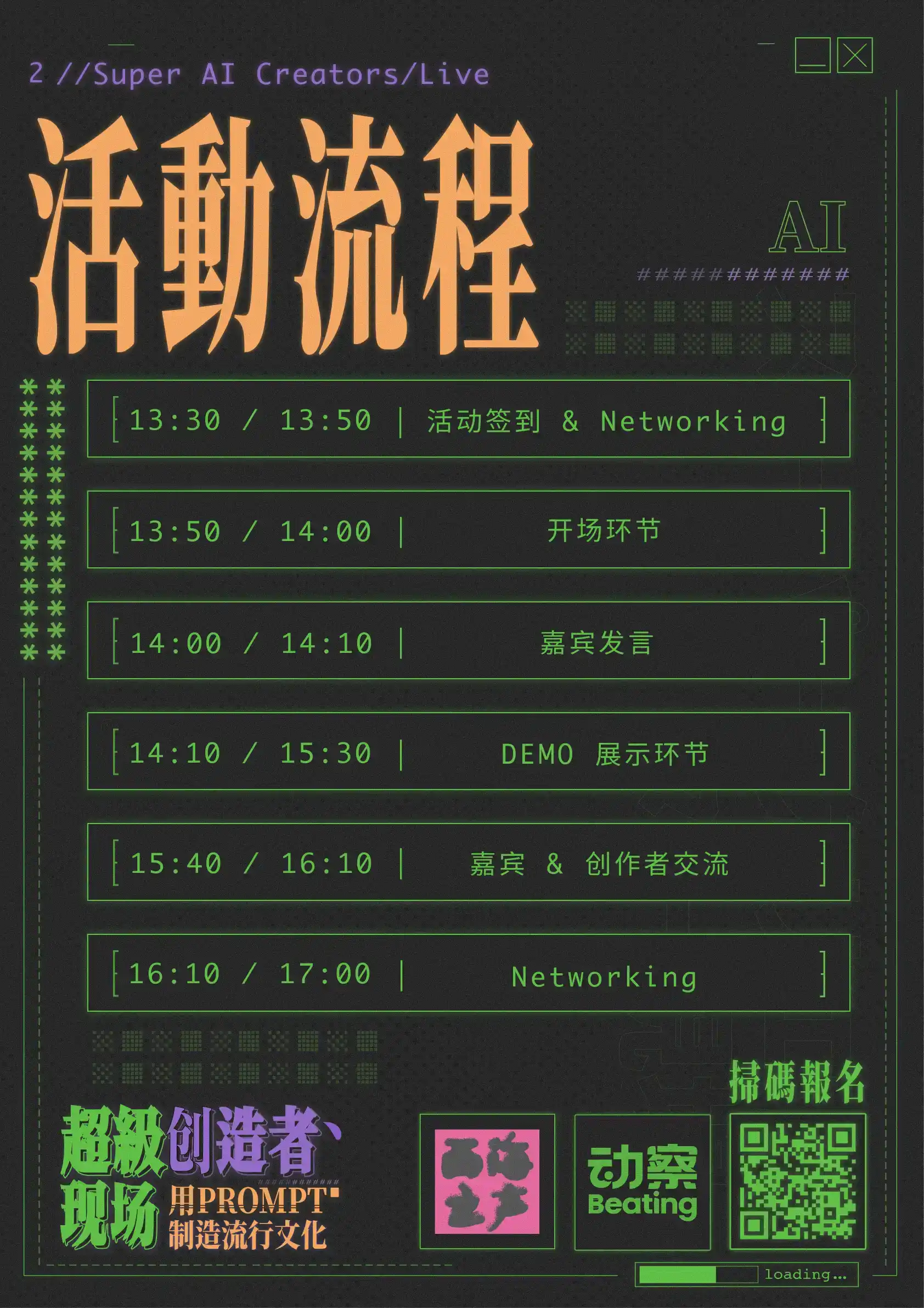
We want to see the fun and spirit that spills out when you cross swords with AI experts. Thus, Beating and our old friends at West Sea Radio have co-planned another offline gathering, giving it a somewhat cheeky name—"Super Creator Live."

Super, an adjective反复出现的形容词 in those热血少年漫画热血少年漫画 (hot-blooded少年少年少年少年少年少年少年少年少年少年少年少年少年少年少年少年少年少年少年少年少年少年少年少年少年少年少年少年少年少年少年少年少年少年少年少年少年少年少年少年少年少年少年少年少年少年少年少年少年少年少年少年少年少年少年少年少年少年少年少年少年少年少年少年少年少年少年少年少年少年少年少年少年少年少年少年少年少年少年少年少年少年少年少年少年少年少年少年少年少年少年少年少年少年少年少年少年少年少年少年少年少年少年少年少年少年少年少年少年少年少年少年少年少年少年少年少年少年少年少年少年少年少年少年少年少年少年少年少年少年少年少年少年少年少年少年少年少年少年少年少年少年少年少年少年少年少年少年少年少年少年少年少年少年少年少年少年少年少年少年少年少年少年少年少年少年少年少年少年少年少年少年少年少年少年少年少年少年少年少年少年少年少年少年少年少年少年少年少年少年少年少年少年少年少年少年少年少年少年少年少年少年少年少年少年少年少年少年少年少年少年少年少年少年少年少年少年少年少年少年少年少年少年少年少年少年少年少年少年少年少年少年少年少年少年少年少年少年少年少年少年少年少年少年少年少年少年少年少年少年少年少年少年少年少年少年少年少年少年少年少年少年少年少年少年少年少年少年少年少年少年少年少年少年少年少年少年少年少年少年少年少年少年少年少年少年少年少年少年少年少年少年少年少年少年少年少年少年少年少年少年少年少年少年少年少年少年少年少年少年少年少年少年少年少年少年少年少年少年少年少年少年少年少年少年少年少年少年少年少年少年少年少年少年少年少年少年少年少年少年少年少年少年少年少年少年少年少年少年少年少年少年少年少年少年少年少年少年少年少年少年少年少年少年少年少年少年少年少年少年少年少年少年少年少年少年少年少年少年少年少年少年少年少年少年少年少年少年少年少年少年少年少年少年少年少年少年少年少年少年少年少年少年少年少年少年少年少年少年少年少年少年少年少年少年少年少年少年少年少年少年少年少年少年少年少年少年少年少年少年少年少年少年少年少年少年少年少年少年少年少年少年少年少年少年少年少年少年少年少年少年少年少年少年少年少年少年少年少年少年少年少年少年少年少年少年少年少年少年少年少年少年少年少年少年少年少年少年少年少年少年少年少年少年少年少年少年少年少年少年少年少年少年少年少年少年少年少年少年少年少年少年少年少年少年少年少年少年少年少年少年少年少年少年少年少年少年少年少年少年少年少年少年少年少年少年少年少年少年少年少年少年少年少年少年少年少年少年少年少年少年少年少年少年少年少年少年少年少年少年少年少年少年少年少年少年少年少年少年少年少年少年少年少年少年少年少年少年少年少年少年少年少年少年少年少年少年少年少年少年少年少年少年少年少年少年少年少年少年少年少年少年少年少年少年少年少年少年少年少年少年少年少年少年少年少年少年少年少年少年少年少年少年少年少年少年少年少年少年少年少年少年少年少年少年少年少年少年少年少年少年少年少年少年少年少年少年少年少年少年少年少年少年少年少年少年少年少年少年少年少年少年少年少年少年少年少年少年少年少年少年少年少年少年少年少年少年少年少年少年少年少年少年少年少年少年少年少年少年少年少年少年少年少年少年少年少年少年少年少年少年少年少年少年少年少年少年少年少年少年少年少年少年少年少年少年少年少年少年少年少年少年少年少年少年少年少年少年少年少年少年少年少年少年少年少年少年少年少年少年少年少年少年少年少年少年少年少年少年少年少年少年少年少年少年少年少年少年少年少年少年少年少年少年少年少年少年少年少年少年少年少年少年少年少年少年少年少年少年少年少年少年少年少年少年少年少年少年少年少年少年少年少年少年少年少年少年少年少年少年少年少年少年少年少年少年少年少年少年少年少年少年少年少年少年少年少年少年少年少年少年少年少年少年少年少年少年少年少年少年少年少年少年少年少年少年少年少年少年少年少年少年少年少年少年少年少年少年少年少年少年少年少年少年少年少年少年少年少年少年少年少年少年少年少年少年少年少年少年少年少年少年少年少年少年少年少年少年少年少年少年少年少年少年少年少年少年少年少年少年少年少年少年少年少年少年少年少年少年少年少年少年少年少年少年少年少年少年少年少年少年少年少年少年少年少年少年少年少年少年少年少年少年少年少年少年少年少年少年少年少年少年少年少年少年少年少年少年少年少年少年少年少年少年少年少年少年少年少年少年少年少年少年少年少年少年少年少年少年少年少年少年少年少年少年少年少年少年少年少年少年少年少年少年少年少年少年少年少年少年少年少年少年少年少年少年少年少年少年少年少年少年少年少年少年少年少年少年少年少年少年少年少年少年少年少年少年少年少年少年少年少年少年少年少年少年少年少年少年少年少年少年少年少年少年少年少年少年少年少年少年少年少年少年少年少年少年少年少年少年少年少年少年少年少年少年少年少年少年少年少年少年少年少年少年少年少年少年少年少年少年少年少年少年少年少年少年少年少年少年少年少年少年少年少年少年少年少年少年少年少年少年极客漫画), is here to cheer on your "rule-breaking" ideas.

Beyond economic rationality, pop culture, emotional value, and fun creativity are also indispensable pieces of the world we live in.

A complete world is not just about the infrastructure of steel and concrete. One of the most important driving forces behind the popularization of technology is its silent infiltration into the daily lives of ordinary people: it's the music that makes someone hit repeat late at night, the short films that make people laugh and cry, the interactive games that carry joy and sorrow.

In the past, if you wanted to produce an album, shoot a short film, or create a game, you faced high financial barriers and technical walls. Pop culture back then was manufactured top-down by a few large institutions, and the masses could only sit in the audience, being dutiful consumers.

But now, if you have a great idea in your head and a strong desire to express it, AI can assist you in creating, giving form to your creativity.

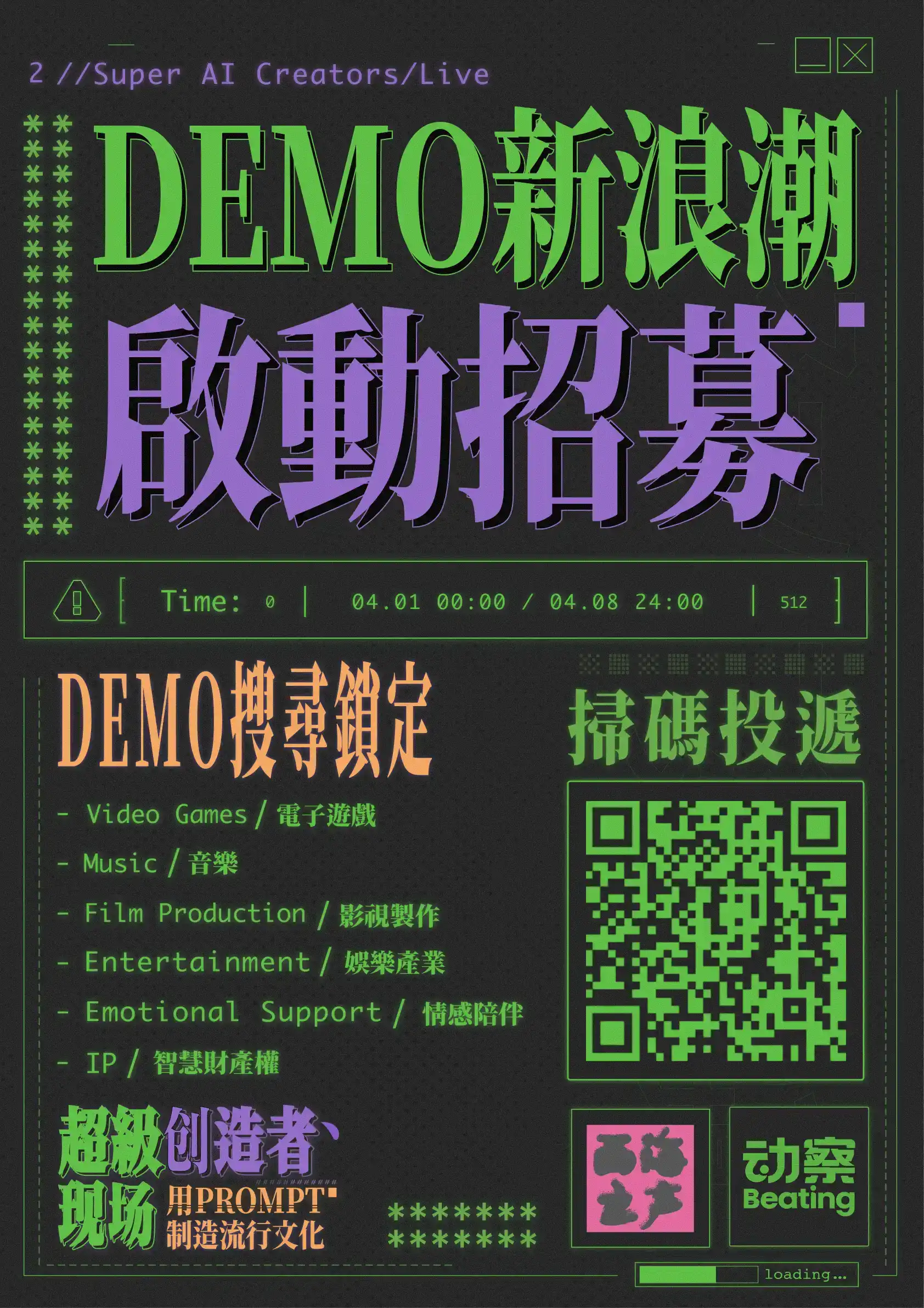
Thus, we are also opening Demo recruitment for this event.

If you're tinkering with some interesting products using AI, whether it's games, film and TV, music, or just weird things that provide emotional value, as long as it carries your expression and creativity, we welcome you to scan the code to submit your Demo and bring it to the event. (Whether you submit or not, we suggest scanning the code to take a look—there's a surprise.)

Come碰撞 (collide) with like-minded creators, chat with sharp investors, and meet potential users face-to-face. This is a field for wild ideas to freely碰撞 (collide), letting those seemingly "unserious" thoughts come out into the sun.

When everyone can use AI to turn their emotions, stories, and quirks into images, music, virtual companions, or interactive entertainment products, the production logic of pop culture is completely overturned. It is no longer a monopolized privilege but a new wave that everyone can participate in and create with Prompts.

We believe that the pop culture of the new era is being written line by line by us with Prompts.

Registration link: https://luma.com/7nkw0r3m

We'll see you there.

Связанные с этим вопросы

QWhat historical event in the 1970s is mentioned as the origin of Hip-Hop culture?

AIn the 1970s in the South Bronx, New York, young people who couldn't afford live bands brought home turntables to street corners and abandoned warehouses, repeatedly switching and looping the same drum beats, turning the record player into a new instrument and creating Hip-Hop.

QWhat is the main theme of the 'Super Creator Live' event mentioned in the article?

AThe event focuses on using AI not just for economic efficiency but for creating popular culture, emotional value, and fun ideas, encouraging people to use prompts to participate in and create new waves of culture.

QHow does the article suggest AI is changing the production logic of popular culture?

AAI lowers the financial and technical barriers that once restricted cultural production to large institutions, allowing anyone with ideas and expression to use AI to create music, films, games, or other emotional products, democratizing cultural creation.

QWhat kind of projects is the event looking for in its Demo recruitment?

AThe event welcomes demos of interesting products made with AI, including games, films, music, or any quirky creations that carry personal expression and creativity, regardless of whether they serve conventional 'serious' purposes.

QWhat is the significance of the phrase '好像有点太死板了' (It seems a bit too rigid) in the context of the article?

AThe phrase reflects a rejection of rigid, conventional uses of technology—first with record players being used creatively for music mixing instead of just playback, and now with AI being used for imaginative cultural creation beyond mere economic efficiency.

Похожее

The Value Distribution of Stablecoins

**Summary: The Value Distribution of Stablecoins** The article argues that stablecoins are evolving from mere trading tools into broader channels for dollar access. It divides the stablecoin ecosystem into four layers to analyze how value is distributed: 1. **Issuance Layer:** Mints stablecoins, holds reserve assets, and captures the spread between reserve yield and user costs (e.g., Tether, Circle). This layer currently earns the largest profit margin. 2. **Infrastructure Layer:** Connects stablecoins to the traditional financial system, handling fiat on/off-ramps, banking integration, compliance (KYC/AML), and asset management (e.g., Bridge, BVNK). This is the "unglamorous" but critical work, building the essential bridges between crypto and real-world finance. 3. **Acquiring/Distribution Layer:** Integrates stablecoins into merchant systems, manages payment flows, and provides enterprise financial software (e.g., Stripe, Coinbase). They act as the access point for businesses. 4. **Application Layer:** The end-users and businesses that ultimately use stablecoins for payments, settlements, or as a store of value. They benefit from convenience but have little pricing power. The core thesis is that while the issuance layer currently dominates profits, the often-overlooked **infrastructure layer holds significant long-term potential**. The real challenge and barrier to mass adoption is not the on-chain transfer of stablecoins (which is simple), but the complex "last mile" integration into existing business workflows, banking systems, and regulatory frameworks across different countries. Companies in this layer are currently in a "land grab" phase, investing heavily to build networks, secure bank partnerships, and establish compliance pathways. While their position is currently pressured by the profitable issuers above and distribution platforms below, the article suggests that if stablecoins become a default financial rail for businesses, the infrastructure providers who have done the hard work of integration will ultimately gain strong pricing power and become entrenched, essential players.

marsbit3 ч. назад

The Value Distribution of Stablecoins

marsbit3 ч. назад

The Value Distribution of Stablecoins

The Value Distribution of Stablecoins The article argues that stablecoins are evolving from a mere trading tool into a broad "dollar channel." It analyzes the industry's value chain through four layers: 1. **Issuance Layer (e.g., Tether, Circle):** The top layer that mints stablecoins, holds reserve assets, and captures the thickest interest rate spread. 2. **Infrastructure Layer (e.g., Bridge, BVNK):** Connects stablecoins to the traditional financial system, handling critical but complex "dirty work" like fiat on/off-ramps, banking integration, compliance (KYC/AML), and cross-border settlement. 3. **Acquiring/Distribution Layer (e.g., Stripe, Coinbase):** Embeds stablecoins into merchant systems, manages payment flows, and integrates with enterprise software. 4. **Application Layer:** End-users and businesses that ultimately use stablecoins for payments, settlement, or storing value. The author posits that while the issuance layer currently captures the most profit, the most overlooked and potentially critical layer is infrastructure. The core challenge for stablecoin adoption isn't the on-chain transfer (which is simple), but bridging the gap between blockchain and the real-world financial system. This involves solving practical problems for businesses: fiat conversion, reconciliation, tax handling, and user onboarding. Infrastructure companies are currently in a difficult "land-grab" phase—building networks, securing banking relationships, and achieving compliance country-by-country. They face pressure from both the profitable issuance layer above and distribution platforms below. However, the author suggests this layer is building a crucial moat. Once stablecoins become a default business rail, the infrastructure players who have done the hard work of integration may gain significant, durable value and pricing power.

链捕手3 ч. назад

The Value Distribution of Stablecoins

链捕手3 ч. назад

How to Do Research Well: Deliberately Practice the Real Skills That Matter

No one truly teaches you how to do research. You're often given a desk, a pre-selected problem, and vague instructions to "create something new." Consequently, many people reverse-engineer the job based on visible outputs—papers, posts, announcements—learning only how to *appear* like a researcher rather than how to *become* one. True research capability is built from stacking small, trainable skills, nearly all of which can be developed through deliberate practice. **Pick Your Own Problem:** Most researchers absorb problems from advisors or trends, lacking the underlying reasoning. Choosing a problem you genuinely care about, as John Schulman advises, leads to original work. Develop "taste" like a muscle: predict experiment outcomes, guess paper results from methods, and track which findings remain important over time. **Upgrade Your Inputs:** Relying on shared reading lists (arXiv hot lists, filtered group chats) leads to unoriginal conclusions. Undervalued old literature often holds crucial insights (e.g., MoE, LSTM, backpropagation). Richard Sutton's "The Bitter Lesson" or Claude Shannon's 1952 talk on creative thinking are more predictive than lengthy modern surveys. Breadth matters as much as depth: draw from neuroscience, mechanism design, hardware knowledge, and honest statistics. Read papers directly, especially appendices and limitations sections. **Write Everything Down:** As Paul Graham noted, writing exposes flaws in seemingly mature ideas. Writing is the cheapest defense against self-deception. Following Feynman's principle, Darwin programmatically wrote down facts contradicting his theory to combat memory bias. Maintain a detailed log of hypotheses, setups, predictions, results, and updated understandings. Reviewing past logs fosters essential humility.

marsbit5 ч. назад

How to Do Research Well: Deliberately Practice the Real Skills That Matter

marsbit5 ч. назад

Торговля

Спот
Фьючерсы
活动图片