Автор: Vivek Raman, Etherealize
Компиляция: Saoirse, Foresight News
За последнее десятилетие Эфириум утвердил себя как самую безопасную и надежную блокчейн-платформу в мире, принятую институциональными игроками.
Технология Эфириума достигла масштабируемости, прецеденты институционального применения уже созданы, глобальная регуляторная среда открыта для блокчейн-инфраструктуры, а развитие стейблкоинов и процесс токенизации активов приносят фундаментальные изменения.
Следовательно, начиная с 2026 года, Эфириум станет лучшей платформой для ведения бизнеса.
Пройдя десятилетие внедрения, стабильной работы, глобального распространения и обеспечения высокой доступности, Эфириум стал предпочтительным выбором для развертывания блокчейна институтами. Давайте вспомним ключевые этапы последних двух лет, как Эфириум постепенно стал платформой по умолчанию для токенизированных активов.
В заключение, мы дадим прогноз по Эфириуму на 2026 год: масштабы токенизации, объем стейблкоинов и цена ETH могут вырасти в 5 раз. Сцена для возрождения Эфириума подготовлена, время для внедрения его инфраструктуры предприятиями уже настало.
Эфириум: Ключевая платформа для токенизированных активов
Трансформация, которую блокчейн привносит в сферу активов, аналогична преобразованию, которое интернет совершил в сфере информации — делая активы цифровыми, программируемыми и обладающими глобальной интероперабельностью.
Токенизация активов оцифровывает, интегрируя активы, данные и платежи в единую инфраструктуру, кардинально улучшая бизнес-процессы. Акции, облигации, недвижимость и другие активы, а также средства смогут перемещаться со скоростью интернета. Это давно назревшее обновление финансовой системы, и теперь глобальные публичные блокчейны, такие как Эфириум, наконец делают это реальностью.
Токенизация активов быстро превращается из модной концепции в фундаментальное обновление бизнес-моделей. Подобно тому, как ни одна компания не откажется от интернета в пользу факсов,一旦 финансовые институты испытают эффективность, автоматизацию и скорость, предоставляемые глобальной общей блокчейн-инфраструктурой, они не вернутся к традиционным моделям — процесс токенизации необратим.
В настоящее время подавляющее большинство токенизаций высокоценных активов выполняется на платформе Эфириума — потому что Эфириум является самой нейтральной и безопасной глобальной инфраструктурой, подобно интернету, он не контролируется ни одним субъектом и открыт для всех пользователей.
К 2026 году «экспериментальная фаза» токенизации активов официально завершена, отрасль перешла в фазу развертывания. Крупные институты прямо запускают флагманские продукты на платформе Эфириума для получения глобальной ликвидности.
Вот некоторые примеры институциональной токенизации активов на Эфириуме:
- JPMorgan напрямую разместил фонд денежного рынка на Эфириуме, став одним из первых банков, напрямую использующих публичный блокчейн;
- Fidelity запустила фонд денежного рынка на Эфириум Layer1 (сеть первого уровня), включив управление активами и операционные процессы в блокчейн-систему;
- Apollo запустила фонд частного кредитования ACRED на публичном блокчейне, где ликвидность на Эфириуме и его Layer2 (сети второго уровня) наивысшая;
- BlackRock, как один из самых активных сторонников концепции «токенизации всего», возглавила волну институциональной токенизации активов, запустив токенизированный фонд денежного рынка BUIDL на Эфириуме;
- Amundi (крупнейший европейский управляющий активами) провела токенизацию своего фонда денежного рынка в евро на платформе Эфириума;
- BNY Mellon (старейший банк США) провела токенизацию фонда обеспеченных долговых обязательств (CLO) рейтинга AAA на платформе Эфириума;
- Baillie Gifford (один из крупнейших управляющих активами Великобритании) запустит первый в своем роде токенизированный фонд облигаций на Эфириуме и его сети Layer2.
Эфириум: Основной блокчейн для стейблкоинов
Стейблкоины — это первый четкий пример достижения «соответствия продукта рынку» в области токенизации активов — к 2025 году объем переводов стейблкоинов превысил 10 триллионов долларов. По сути, стейблкоины — это токенизированный доллар, эквивалент «апгрейда программного обеспечения денег», позволяющий доллару перемещаться со скоростью интернета и обладать программируемыми特性.
2025 год стал ключевым для стейблкоинов и публичных блокчейнов: в США был принят закон «GENIUS» (также известный как «Закон о стейблкоинах»). Этот закон одним махом установил регуляторные рамки для стейблкоинов и дал «зеленый свет» базовой инфраструктуре публичных блокчейнов для стейблкоинов.
Даже до принятия закона «GENIUS» внедрение стейблкоинов на Эфириуме уже значительно опережало другие платформы. Сейчас 60% стейблкоинов размещены на Эфириуме и его сетях Layer2 (если включить совместимые с Ethereum Virtual Machine цепи, которые могут стать Layer2 Эфириума в будущем, эта доля достигнет 90%). А принятие закона «GENIUS» ознаменовало официальное «открытие для бизнеса» Эфириума — институты получили регуляторное разрешение на развертывание собственных стейблкоинов в публичном блокчейне.
Массовое распространение электронной почты и веб-сайтов стало возможным благодаря подключению к единому глобальному интернету (а не к разрозненным внутренним сетям). Точно так же стейблкоины и все токенизированные активы могут полностью раскрыть свою полезность и сетевые эффекты только в единой глобальной экосистеме публичных блокчейнов.
Следовательно, взрывной рост стейблкоинов только начинается. Яркий пример: американский национальный банк SoFi стал первым банком, выпустившим стейблкоин (SoFiUSD) в разрешении не требующем публичном блокчейне, и в конечном итоге выбрал платформу Эфириума.
Это лишь «верхушка айсберга» развития стейблкоинов. Инвестиционные банки и необанки исследуют выпуск собственных стейблкоинов самостоятельно или в составе альянсов, финтех-компании также продвигают развертывание и интеграцию стейблкоинов. Процесс оцифровки доллара в публичном блокчейне全面启动, и Эфириум является платформой по умолчанию для этого процесса.
Эфириум: Создание собственных блокчейнов
Блокчейн — не универсальный инструмент. Глобальные финансовые рынки требуют адаптации в зависимости от региона, регуляторных制度 и клиентской базы. Именно поэтому Эфириум с самого начала был разработан с высокой безопасностью как основная цель и достиг высокой степени кастомизации через «блокчейны Layer2», которые могут гибко развертываться поверх него.
Подобно тому, как у каждой компании в интернете есть свой собственный веб-сайт, приложение и настроенная среда, в будущем многие предприятия будут иметь свои собственные блокчейны Layer2 в экосистеме Эфириума.
Это не теоретическая архитектура, а уже реализованное на практике применение. Эфириум Layer2 уже создал прецеденты институционального применения,实现了规模化 развертывание и стал核心支撑кой «бизнес-дружелюбности» Эфириума. Вот некоторые примеры:
- Coinbase построила блокчейн Base на основе Эфириум Layer2, который опираясь на безопасность и ликвидность Эфириума, также открыл для себя новый источник дохода;
- Robinhood строит собственный блокчейн, который будет интегрировать токенизированные акции,预测 рынки и различные активы, и построен на технологии Эфириум Layer2;
- SWIFT (глобальная сеть передачи банковской информации) использует сеть Эфириум Layer2 Linea для проведения расчетов на основе блокчейна;
- JPMorgan развернула业务 по токенизированным депозитам в сети Эфириум Layer2 Base;
- Deutsche Bank строит публичную разрешенную блокчейн-сеть на основе Эфириум Layer2, закладывая основу для создания更多的 банками сетей Layer2...
Ценность Layer2 заключается не только в кастомизации, это еще и лучшая бизнес-модель в области блокчейна. Layer2 интегрирует глобальную безопасность Эфириума и может достигать рентабельности более 90% через операции, открывая для предприятий全新的 источники дохода.
Для институтов, внедряющих технологию блокчейна, это лучший способ «получить и то, и другое» — можно опираться на безопасность и ликвидность Эфириума, сохраняя при этом собственную рентабельность и одновременно управляя собственной средой в экосистеме Эфириума. Выбор Robinhood построить собственный блокчейн на основе Эфириум Layer2 обусловлен именно этим соображением: «Создать по-настоящему децентрализованную безопасную цепь чрезвычайно сложно...... а с Эфириумом мы по умолчанию получаем безопасность.»
Глобальные финансовые рынки не будут сосредоточены в одном блокчейне, но глобальная финансовая система может достичь синергии через взаимосвязанную сеть — и этой сетью является Эфириум и его экосистема Layer2.
Изменение регуляторной среды
Без регуляторной поддержки根本ное обновление глобальной финансовой системы невозможно. Финансовые институты — не технологические компании, они не могут innovровать методом «быстрых экспериментов». Перемещение высокоценных активов и средств требует完善的 регуляторных рамок, и США лидируют в этой области:
- Под руководством председателя SEC США Пола Аткинса (Paul Atkins) была正式 установлена первая с момента создания Эфириума в 2015 году регуляторная система, поддерживающая инновации. Институты активно embraced токенизацию активов, финансовая система готовится к миграции на цифровую инфраструктуру, сам Аткинс заявил, что «в течение следующих двух лет все рынки США будут работать на блокчейне».
- Конгресс США также поддерживает ответственное внедрение технологии блокчейн. Принятый в 2025 году закон «GENIUS» (упомянутый ранее в разделе о стейблкоинах) и готовящийся к принятию закон «CLARITY» (который установит всеобъемлющие рамки для токенизации активов и инфраструктуры публичных блокчейнов) включили блокчейн в правовую систему, предоставив финансовым институтам четкие指引 для применения этой технологии.
- DTCC, хотя и не является государственным органом, но является оператором关键 инфраструктуры фондового рынка США. Эта организация全面 embraced токенизацию активов, разрешив активам, хранящимся в Depository Trust Company (DTC), обращаться в публичном блокчейне.
В течение более чем десяти лет экосистема блокчейна находилась в «серой регуляторной зоне», и ее потенциал для институционального применения подавлялся. Теперь, под руководством США, регуляторная среда превратилась из «препятствия» в «помощь». Сцена для того, чтобы Эфириум стал «лучшей платформой для бизнеса» и процветал, полностью подготовлен.
ETH: Институциональный казначейский актив
Эфириум утвердил статус «самого безопасного блокчейна», поэтому стал выбором по умолчанию для институционального принятия. Основываясь на этом, в 2026 году ETH будет переоценен и встанет в один ряд с BTC как «институциональный актив для хранения стоимости».
В блокчейн-экосистеме будет не один актив для хранения стоимости: BTC утвердил статус «цифрового золота», а ETH стал «цифровой нефтью» — активом для хранения стоимости, приносящим доход, обладающим полезностью и подкрепленным базовой экосистемой,驱动ющей экономическую активность.
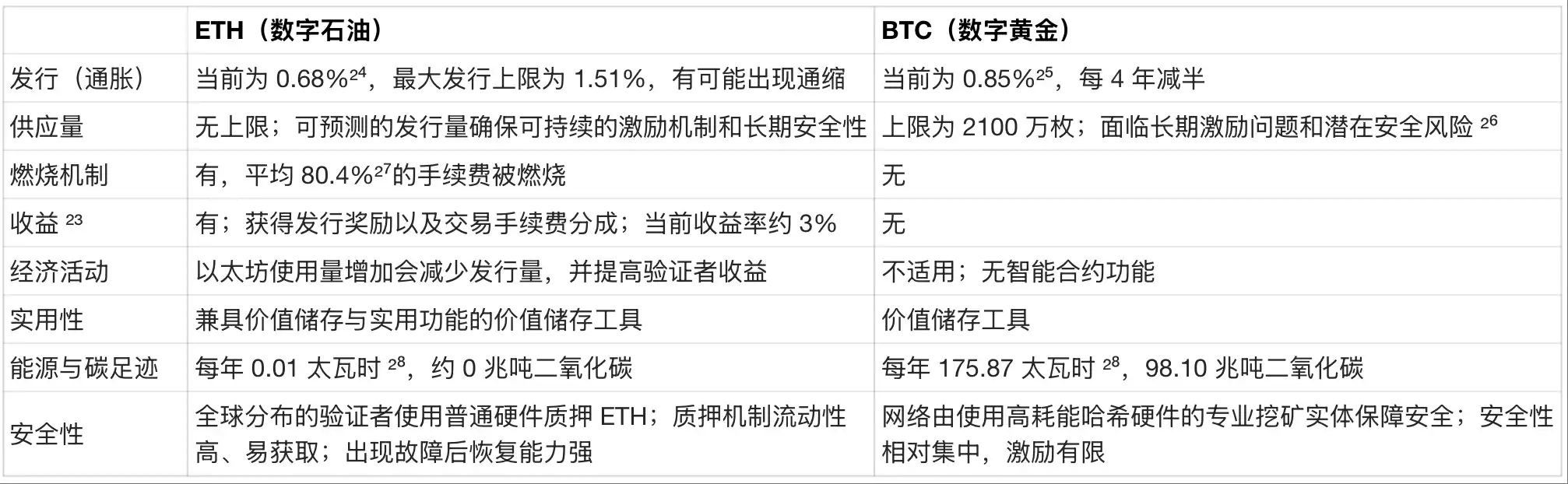
MicroStrategy, как компания, владеющая наибольшим количеством биткоинов, возглавила процесс становления BTC активом для хранения стоимости. В течение последних четырех лет MicroStrategy постоянно включала BTC в казначейские активы, пропагандируя ценностное предложение BTC, сделав его核心 категорией институциональных холдингов цифровых активов.
Теперь в экосистеме Эфириума появились 4 компании, подобные MicroStrategy, которые推动ят ETH к аналогичному прорыву:
- BitMine Immersion (тикер: BMNR), управляемая Tom Lee;
- Sharplink Gaming (тикер: SBET), управляемая Joe Lubin и Joseph Chalom;
- The Ether Machine (тикер: ETHM), управляемая Andrew Keys;
- Bit Digital (тикер: BTBT), управляемая Sam Tabar.
MicroStrategy владеет 3.2% от общего предложения BTC в обращении. Упомянутые четыре компании, владеющие ETH, за последние 6 месяцев累计 приобрели около 4.5% от общего предложения ETH в обращении — и этот процесс только начинается.
По мере того как эти четыре компании продолжают включать ETH в свои балансы, доля институционального владения акциями этих компаний, владеющих ETH, быстро растет, ETH有望 быть переоцененным и встать в один ряд с BTC как институциональный актив для хранения стоимости.
Прогноз по Эфириуму на 2026 год: Рост в 5 раз
Токенизированные активы: Рост в 5 раз до 100 миллиардов долларов
В 2025 году общая стоимость токенизированных активов в блокчейне выросла с около 6 миллиардов долларов до более чем 18 миллиардов долларов, причем 66% из них размещены на Эфириуме и его сетях Layer2.
Глобальная финансовая система только начала процесс токенизации активов, такие институты, как JPMorgan, BlackRock, Fidelity, уже используют Эфириум в качестве платформы по умолчанию для высокоценных токенизированных активов.
Мы预测, что в 2026 году общий объем токенизированных активов вырастет в 5 раз, достигнув почти 100 миллиардов долларов, и подавляющее большинство из них будет размещено в сети Эфириума.
Стейблкоины: Рост в 5 раз до 1.5 триллиона долларов
В настоящее время общий объем стейблкоинов в публичном блокчейне составляет 308 миллиардов долларов, из которых около 60% размещены на Эфириуме и его сетях Layer2 (если включить совместимые с EVM цепи, которые могут стать Layer2 Эфириума в будущем, эта доля достигнет 90%).
Стейблкоины стали стратегическим активом правительства США. Министерство финансов США неоднократно заявляло, что стейблкоины являются ключевой инициативой для укрепления доминирования доллара в 21 веке. В настоящее время общий объем долларов в обращении составляет 22.3 триллиона долларов. С вступлением в силу закона «GENIUS» и запуском массового применения стейблкоинов, ожидается, что 20% до 30% долларов мигрируют в публичный блокчейн.
Мы预测, что в 2026 году общая рыночная капитализация стейблкоинов вырастет в 5 раз, достигнув 1.5 триллиона долларов, и Эфириум будет играть ведущую роль в этом процессе.
ETH: Рост в 5 раз до 15 000 долларов
ETH быстро развивается как институциональный актив для хранения стоимости наравне с BTC. ETH — это «опцион колл» на рост технологии блокчейн, и его стоимость будет расти благодаря следующим趋势ам:
- Масштабное расширение токенизации активов
- Широкое применение стейблкоинов
- Процесс внедрения блокчейна институтами
- «Момент ChatGPT» для перехода финансовой системы в эпоху интернета (имеется в виду переломный момент отраслевых изменений, вызванный технологическим прорывом)
Владение ETH эквивалентно владению долей в «новом финансовом интернете». Логика роста его стоимости清晰: увеличение пользовательской базы, объема активов, количества приложений, сетей Layer2 и частоты транзакций — все это будет способствовать росту стоимости ETH.
Мы预测, что в 2026 году ETH достигнет как минимум 5-кратного роста стоимости (рыночная капитализация достигнет 2 триллионов долларов, что эквивалентно текущей рыночной капитализации BTC),迎来 свой «момент Nvidia» (имеется в виду ключевой этап взрывного роста, подобный тому, который пережила Nvidia благодаря волне AI).
Эфириум: Лучшая платформа для ведения бизнеса
К 2026 году дискуссии о «том, зачем внедрять блокчейн» остались в прошлом. Теперь институции全面 соревнуются в токенизации активов, применении стейблкоинов и развертывании кастомизированных блокчейнов, структурное обновление глобальной финансовой системы уже началось.
При выборе блокчейн-инфраструктуры институты в первую очередь учитывают такие факторы, как: история长期 работы, прецеденты применения, безопасность, ликвидность, доступность и уровень риска — и Эфириум демонстрирует наилучшие показатели по всем параметрам. Эфириум будет идеальным выбором, если предприятию необходимо:
- Повысить рентабельность? Можно снизить затраты через токенизацию активов, уменьшить комиссии с помощью стейблкоинов, построить собственный блокчейн на основе Эфириума.
- Открыть новые источники дохода? Можно создавать структурированные продукты на платформе Эфириума, выпускать новые типы активов, выпускать собственные стейблкоины.
- Осуществить цифровую трансформацию бизнеса? Можно использовать Эфириум для оптимизации операционных процессов, автоматизации учета и платежей, сокращения ручной сверки.
2025 год стал переломным моментом в развитии Эфириума: инфраструктура была модернизирована, пилотные проекты институтов были масштабированы, регуляторная среда изменилась в пользу.
В 2026 году глобальная финансовая система迎来ит свой «момент интернета» — и эта трансформация произойдет на Эфириуме, лучшей платформе для ведения бизнеса.





















