Ethereum начинает публично формализовывать свои усилия по постквантовой безопасности. Исследователь Ethereum Foundation Уилл Коркоран в ходе выступления на Институциональном форуме Ethereum в Нью-Йорке изложил как модель угроз, так и уже ведущуюся работу над протоколом. Он подчеркнул, что эти усилия важны далеко за пределами ETH, поскольку основное узкое место не уникально для одного блокчейна: каждая сеть proof-of-stake, построенная на современных криптографических допущениях, в конечном итоге столкнется с той же проблемой масштабируемости.
Параллельно с выступлением Ethereum Foundation запустила pq.ethereum.org — новый портал, который содержит дорожную карту проекта, технические ресурсы, FAQ для институциональных инвесторов и форму регистрации на постквантовый ретрит в Кембридже в октябре 2026 года. Коркоран охарактеризовал сайт как способ консолидировать годы исследований и ответить на то, что он описал как растущий интерес со стороны институтов, спрашивающих, как Ethereum планирует готовиться к будущему, в котором квантовые компьютеры смогут взломать эллиптическую криптографию.
Ethereum нацелен на отраслевой постквантовый стандарт
Это будущее, по прогнозам, еще наступит через годы, но Коркоран заявил, что Ethereum уже работает в условиях сжатых сроков. Он указал на текущие оценки «Q-Day»: появление криптографически значимого квантового компьютера, которое сгруппировано вокруг 2032 года, в то время как текущая дорожная карта нацелена на ключевые постквантовые компоненты для «L» или «M» форка протокола, примерно на 2029 год.
Ключевым аргументом презентации было то, что постквантовую безопасность нельзя свести к простой замене подписи. Сегодня Ethereum полагается на эллиптическую криптографию по всему стеку: аттестации валидаторов на уровне консенсуса, данные доказательств blob на уровне данных, а также подписи транзакций и кошельков на уровне исполнения. Если эта криптография будет взломана, большие части модели безопасности сети рухнут вместе с ней.
Но ее замена создает проблему второго порядка. Текущие подписи BLS в Ethereum компактны и чрезвычайно эффективно агрегируются: 10 000 подписей все еще сжимаются до 96 байт. Предлагаемая постквантовая замена, основанная на хэшах схема, которую Коркоран назвал Lean Sig, составляет около 3000 байт на подпись, и их наивное агрегирование давало бы примерно 30 мегабайт данных на слот.
Этот компромисс — не просто неудобство для инженеров. Коркоран неоднократно связывал это с ограничением децентрализации Ethereum, утверждая, что более крупные подписи повысили бы требования к пропускной способности, сократили количество жизнеспособных домашних валидаторов и ослабили бы свойства безопасности цепи. По его словам, вся задача проектирования проистекает из этого момента.
«Таким образом, обеспечение постквантовой безопасности Ethereum — это не просто замена схем подписи, потому что это одно изменение каскадно влияет на все остальное, — сказал он. — Более крупные подписи приведут к большей пропускной способности, что приведет к уменьшению количества домашних валидаторов, меньшей децентрализации и более слабым гарантиям безопасности. Таким образом, это одно изменение затрагивает все».
Предлагаемое Ethereum решение — это сочетание LeanSig с системой доказательств под названием Lean Multisig, которую Коркоран описал как механизм агрегации на основе STARK. Вместо того чтобы пересылать все подписи напрямую, система aims доказать, что они были проверены правильно, и сжать вывод до примерно 125 килобайт. Он назвал это сжатие примерно в 250 раз «лунной математикой», которая делает постквантовый консенсус жизнеспособным в Ethereum.
Коркоран также использовал выступление, чтобы подчеркнуть, что это больше не чисто теоретическое исследование. Он сказал, что Ethereum уже запускает devnets с 10 командами клиентов, на данный момент выпущено четыре devnet, и в качестве основы проектирования строится вокруг финализации за три слота и слотов в четыре секунды. Более широкие усилия, добавил он, охватывают более восьми лет исследований, около 25 миллионов долларов финансирования и примерно 1500 участников из более чем 250 организаций и команд.
Для Ethereum непосредственный посыл заключается в том, что готовность к постквантовой эре становится видимой частью его долгосрочной протокольной повестки дня. Для остального криптовалютного пространства утверждение Коркорана было более широким.
«На самом деле, каждый блокчейн с доказательством доли сталкивается с той же проблемой, и эта проблема — возможность агрегировать в больших масштабах подписи на основе хэшей. Это не подлежит обсуждению, — сказал он. — Когда мы успешно запустим LeanSig, LeanMultisig и Lean консенсус, мы думаем, что это действительно может стать де-факто отраслевым стандартом».
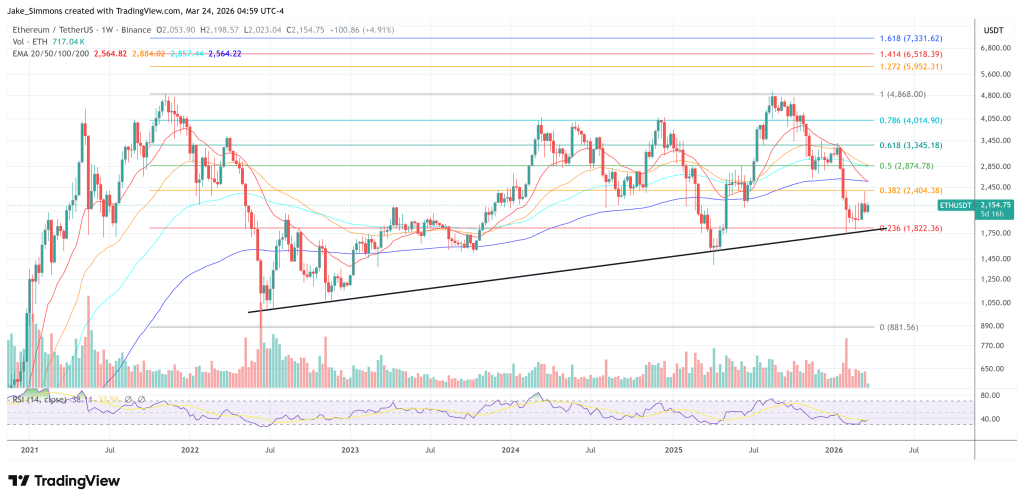
На момент публикации ETH торговался по цене $2154.