Автор: Oluwapelumi Adejumo
Компиляция: Luffy, Foresight News
Оригинальное название: Эфириум: Рекордная активность и копеечные комиссии — что за этим скрывается?
Текущие ежедневные показатели роста сети Ethereum достигли исторического максимума. На первый взгляд, этот резкий скачок статистики свидетельствует о значительном возвращении пользовательской активности.
По данным Token Terminal, на прошлой неделе основная сеть Ethereum обработала 2,9 миллиона транзакций, побив исторический рекорд.
В то же время количество ежедневно активных адресов также значительно выросло: с примерно 600 000 в конце декабря до примерно 1,3 миллиона.
Ключевой момент заключается в том, что этот взрывной рост пропускной способности произошел в условиях, когда стоимость транзакций остается крайне низкой. Несмотря на рекордный спрос на транзакции, средняя комиссия стабильно держится в диапазоне от 0,1 до 0,2 доллара.
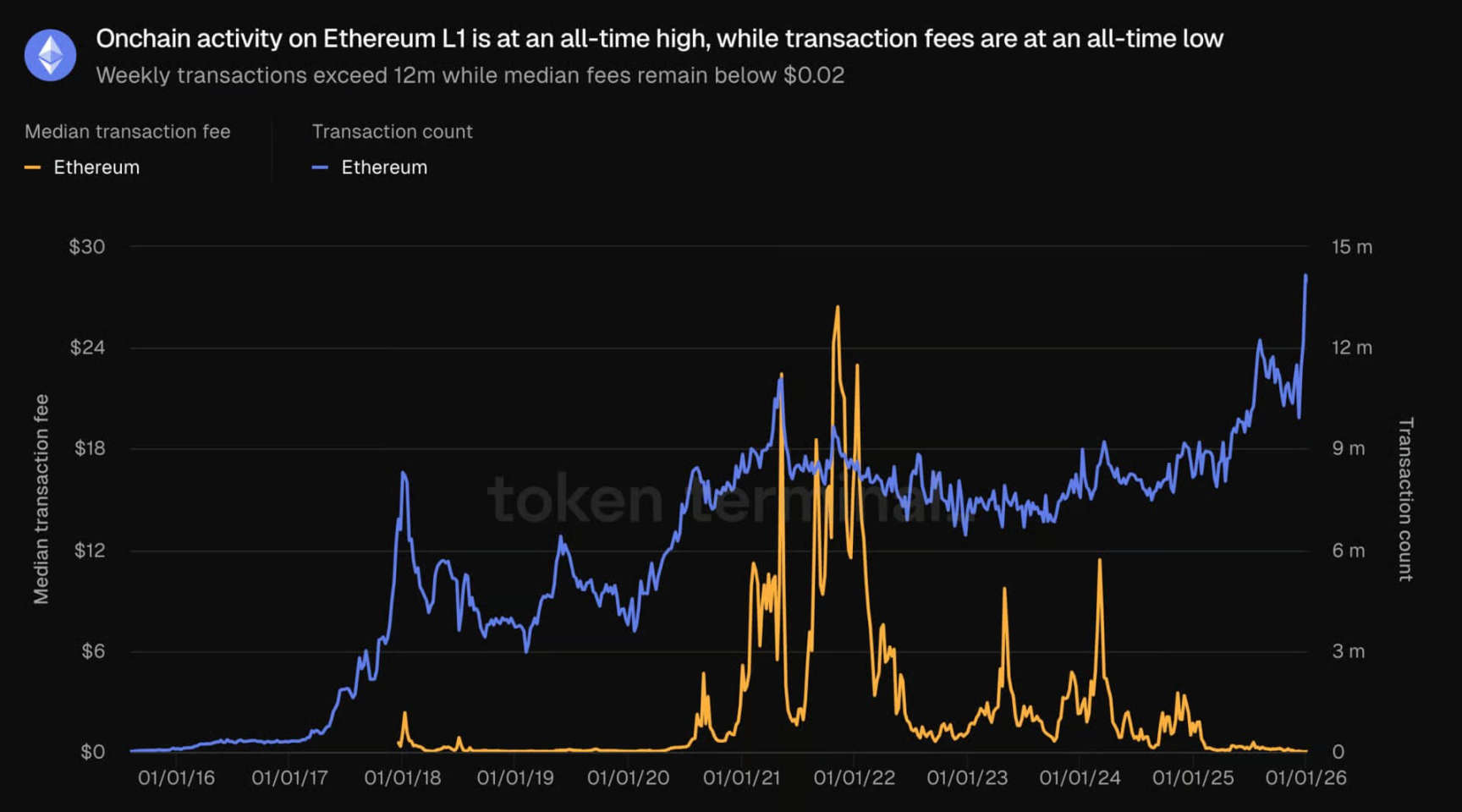
Активность в сети Ethereum, источник: Token Terminal
Для такой сети, как Ethereum, где во время бума NFT в 2021-2022 годах комиссии взлетали до 50-200 долларов, нынешние изменения означают фундаментальное преобразование порога входа для транзакций.
Однако анализ показывает, что этот рост не является полностью органическим. Хотя поверхностные показатели, казалось бы, предвещают восстановление бычьего рынка, исследователи безопасности предупреждают, что значительная часть трафика сети на самом деле управляется злоумышленниками.
Эти атакующие используют резко снизившиеся комиссии Ethereum для проведения промышленных кампаний «отравления адресов», маскируя автоматизированные схемы мошенничества под легитимные транзакции для целевого фишинга пользователей.
Контекст масштабирования сети
Чтобы понять этот внезапный скачок объема транзакций, необходимо обратить внимание на недавние структурные изменения в протоколе Ethereum. На протяжении многих лет сеть Ethereum, будучи мощной, имела неподъемные для большинства пользователей транзакционные издержки.
Глава исследований фонда Onchain Леон Вайдманн отмечает, что с момента его прихода в криптоиндустрию комиссии в основной сети Ethereum для обычных пользователей всегда были астрономически высокими.
По его словам, Ethereum был не только слишком дорогим для розничных трейдеров, но и для создания потребительских приложений.
Перелом наступил около года назад: команда разработчиков Ethereum, стремясь сохранить децентрализацию и безопасность сети, провела системную оптимизацию для ее масштабирования.
Были реализованы一系列 обновлений протокола, продвигающие roadmap масштабирования Ethereum, среди которых было три ключевых апгрейда.
Первый — это обновление Pectra в мае 2025 года, которое увеличило целевой объем данных Blob на блок с 3 до 6, а максимальный — с 6 до 9, что напрямую удвоило ожидаемую пропускную способность для данных Blob.
Затем, в декабре 2025 года, Ethereum завершил обновление Fusaka, представив технологи Node Data Availability Sampling (PeerDAS). Эта технология позволяет валидаторам проверять доступность данных Blob путем выборочной проверки, а не загрузки полных наборов данных, что позволило further повысить пропускную способность сети при сохранении разумного порога входа для нод.
Последним обновлением стал форк только параметров Blob в январе 2026 года, который увеличил целевой объем данных Blob на блок с 10 до 14, а максимальный — до 21. Эти обновления были направлены на значительное раскрытие потенциала пропускной способности Ethereum.
Экономический эффект от обновлений проявился быстро: комиссии в основной сети Ethereum резко упали, и простые транзакции вновь стали малозатратными.
Леон Вайдманн указывает, что прямое масштабируемое развитие в основной сети Ethereum теперь стало feasible, что также促使 прогнозные рынки, торговля реальными активами (RWA) и платежный бизнес вернулись в мейннет.
В то же время объем переводов стейблкоинов в сети Ethereum достиг около 8 триллионов долларов в четвертом квартале прошлого года.
Рекордная активность Ethereum не имеет реальной стоимостной поддержки
Хотя рекордная активность, казалось бы, знаменует расцвет Ethereum, данные в блокчейне показывают, что эта транзакционная активность не создает реальной ценности для сети.
Данные Alphractal показывают, что коэффициент Меткалфа, который измеряет соотношение рыночной капитализации и квадрата количества активных пользователей, продолжает снижаться. Это означает, что рост оценки Ethereum не поспевает за фактической скоростью adoption сети.
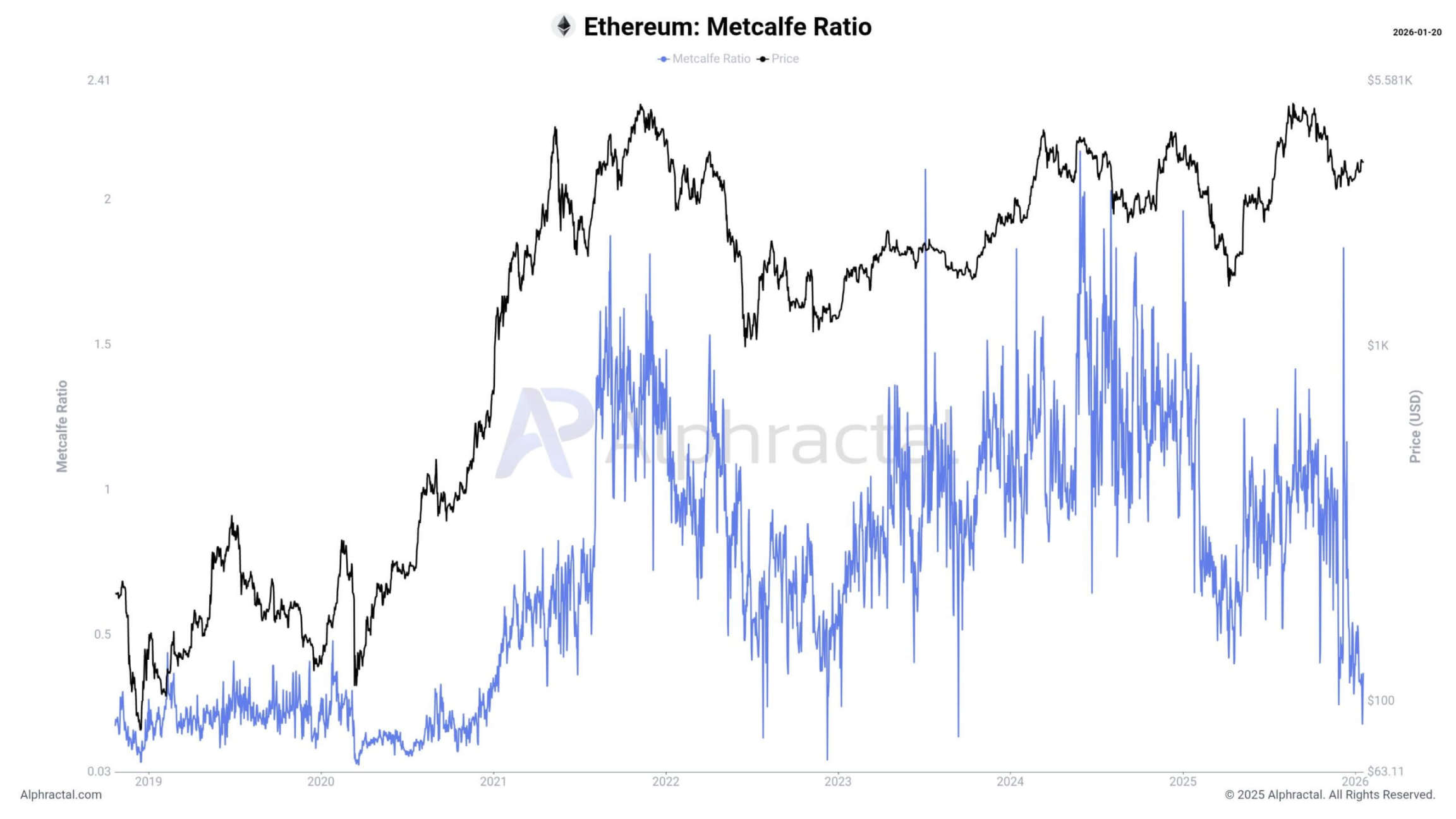
Коэффициент Меткалфа для Ethereum, источник: Alphractal
Кроме того, показатель внедрения сети Ethereum в настоящее время находится на уровне 1, что является историческим минимумом. Эти данные отражают текущую рыночную прохладу: сетевая оценка находится на низком уровне относительно ончейн-активности.
Исходя из этого, сооснователь GrowThePie Маттиас Зейдл считает, что нынешний рост активности Ethereum не является органическим.
В качестве примера он привел один конкретный адрес: за один день на этот адрес поступило 190 000 переводов ETH со 190 000 уникальных кошельков.
Маттиас Зейдл指出, количество кошельков, получающих переводы ETH, остается относительно стабильным, а количество кошельков, инициирующих переводы, значительно выросло. Он также подчеркнул, что множество переводов ETH потребляют всего 21000 Gas, что является самым дешевым типом транзакций в виртуальной машине Ethereum (EVM).
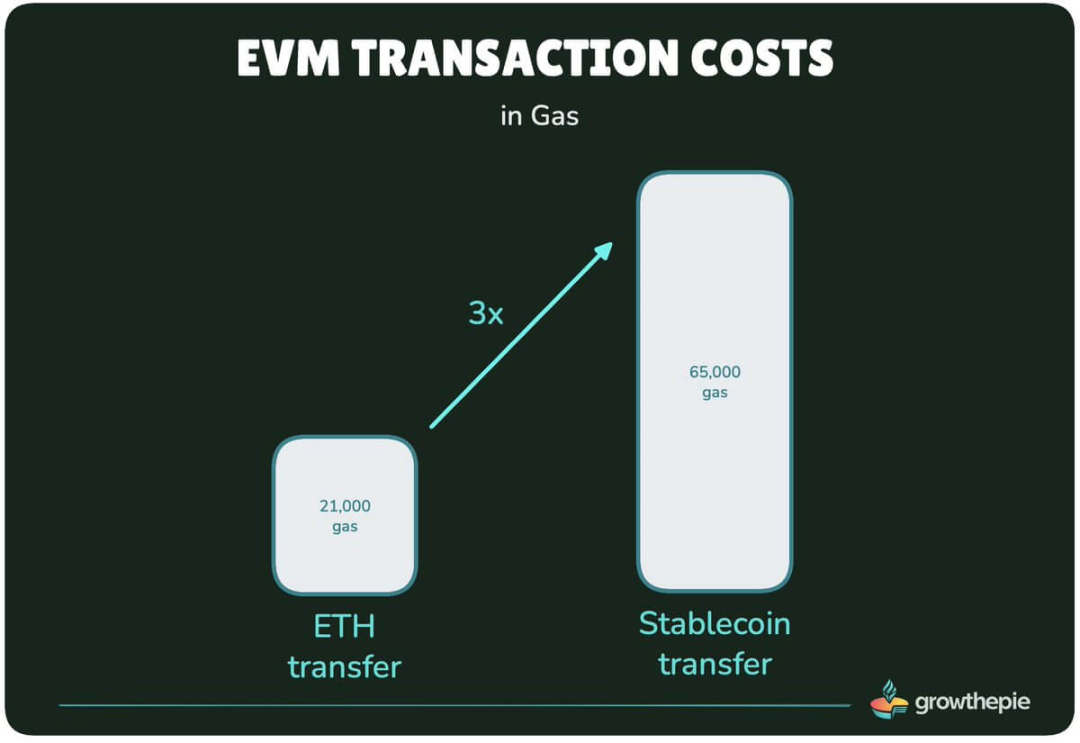
Стоимость транзакций в EVM Ethereum, источник данных: GrowThePie
В настоящее время на такие дешевые нативные переводы приходится почти 50% всех транзакций в Ethereum. Для сравнения, отправка одной монеты ERC20 требует около 65000 Gas, а перевод стейблкоина эквивалентен по потреблению Gas трем переводам ETH.
Отравление адресов: возвращение мошеннической схемы
Между тем, всплеск ончейн-активности Ethereum в此次 случае обусловлен старым мошенничеством, которое вернулось в эпоху низких комиссий.
Исследователь безопасности Андрей Сергеенков指出, что с декабря прошлого года волна атак по отравлению адресов распространяется, используя низкие комиссии Gas в Ethereum: накачивая сетевые метрики, они внедряют поддельные адреса в историю транзакций пользователей, побуждая их переводить реальные активы атакующим.
Механика таких атак довольно проста: мошенники генерируют «отравленные адреса», которые совпадают по начальным и конечным символам с легитимным адресом кошелька жертвы; после того как жертва совершает обычный перевод, атакующий отправляет ей小额 «пылевую транзакцию» (dust transaction), чтобы поддельный адрес появился в недавней истории транзакций жертвы.
Они рассчитывают на то, что впоследствии пользователь при переводе скопирует этот кажущийся знакомым адрес прямо из истории транзакций, не проверив полную строку адреса.
Исходя из этого, Андрей Сергеенков связывает всплеск создания новых адресов в Ethereum с этой мошеннической техникой. По его оценкам, текущий объем создания новых адресов в Ethereum примерно в 2,7 раза превышает средний показатель 2025 года, причем на неделе 12 января количество созданных адресов достигло примерно 2,7 миллиона.
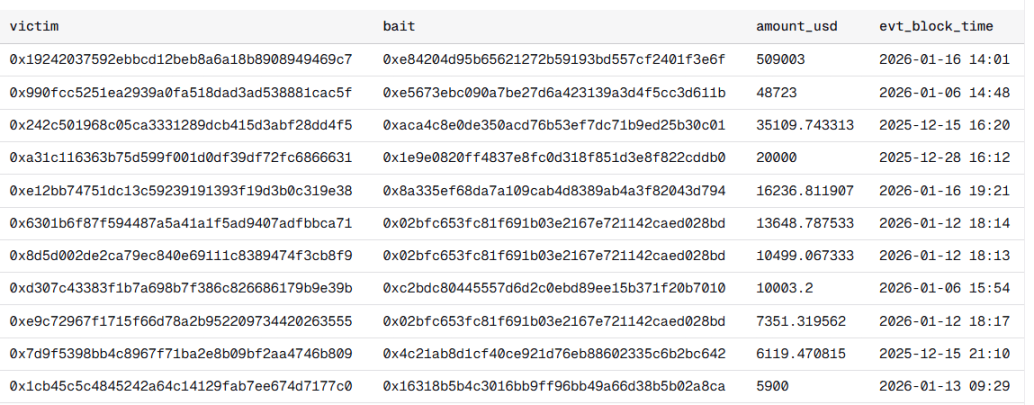
Данные жертв атак по отравлению адресов, источник: Андрей Сергеенков
Проанализировав денежные потоки, стоящие за этим ростом, он пришел к выводу: около 80% транзакционной активности驱动 переводами стейблкоинов, а не органическим пользовательским спросом.
Чтобы проверить, вызван ли этот рост отравлением адресов, Андрей Сергеенков искал характерный признак: адреса, первая транзакция которых — получение перевода стейблкоина на сумму менее 1 доллара.
По его подсчетам, 67% новых адресов соответствуют этому критерию. Конкретнее, из 5,78 миллиона новых адресов 3,86 миллиона адресов получили «пылевой перевод» в качестве первой транзакции со стейблкоином.
Затем он перенес focus исследования на инициаторов переводов: были проанализированы аккаунты, отправлявшие USDT и USDC на сумму менее 1 доллара в период с 15 декабря 2025 года по 18 января 2026 года.
Андрей Сергеенков подсчитал количество уникальных адресов получателей для каждого аккаунта-отправителя и отфильтровал те, которые инициировали переводы как минимум на 10 000 адресов. Выяснилось, что за этими аккаунтами стоят смарт-контракты, специально разработанные для промышленного осуществления отравления адресов; такой код может финансировать и координировать операции сотен отравленных адресов в одной транзакции.
Один из изученных им контрактов содержал функцию с пометкой fundPoisoners, которая, согласно其 описанию, может一次性 распределять стейблкоиновую пыль и небольшое количество ETH для оплаты Gas по массовым отравленным адресам.
Эти отравленные адреса затем рассылают пылевые переводы миллионам потенциальных жертв, создавая вводящие в заблуждение записи в истории транзакций их кошельков.
Ядро этой мошеннической схемы — масштабируемость操作: хотя большинство получателей не попадутся на удочку,整个 схема остается экономически целесообразной, если обмануть даже极小的 часть пользователей.
Андрей Сергеенков подсчитал, что фактический уровень успеха этой атаки составляет около 0,01%, что означает, что ее бизнес-модель изначально построена на容忍极高的 уровня失败率. В проанализированном им наборе данных 116 жертв в общей сложности потеряли около 740 000 долларов, при этом максимальный единичный убыток составил 509 000 долларов.
Ранее главным сдерживающим фактором для such схем были costs. Отравление адресов требует инициирования миллионов ончейн-транзакций, которые сами по себе не приносят дохода, если только жертва не переведет средства по ошибке.
Андрей Сергеенков считает, что до конца 2025 года сетевые комиссии Ethereum делали такую стратегию массовых переводов для мошенничества убыточной. Но теперь, когда стоимость транзакций упала примерно в 6 раз, соотношение риск/прибыль резко изменилось, и мошенничество стало чрезвычайно привлекательным для атакующих.
Таким образом,他指出, что повышение пропускной способности Ethereum без усиления защиты пользователей создает畸形的 среду, в которой «рекордную» активность сети трудно отличить от автоматизированных злонамеренных действий.
По его мнению, чрезмерное увлечение криптоиндустрии сетевыми метриками может скрывать более мрачную реальность: дешевое блок-пространство легко позволяет замаскировать мошенничество, нацеленное на массового пользователя, под легитимное adoption сети, а最终的 потери лягут на пользователей.
Twitter:https://twitter.com/BitpushNewsCN
Telegram-чат比推:https://t.me/BitPushCommunity
Telegram-канал比推: https://t.me/bitpush