Собрано и составлено: Shenchao TechFlow
Ведущий:Нико
Источник подкаста:Нико Frontier Alpha
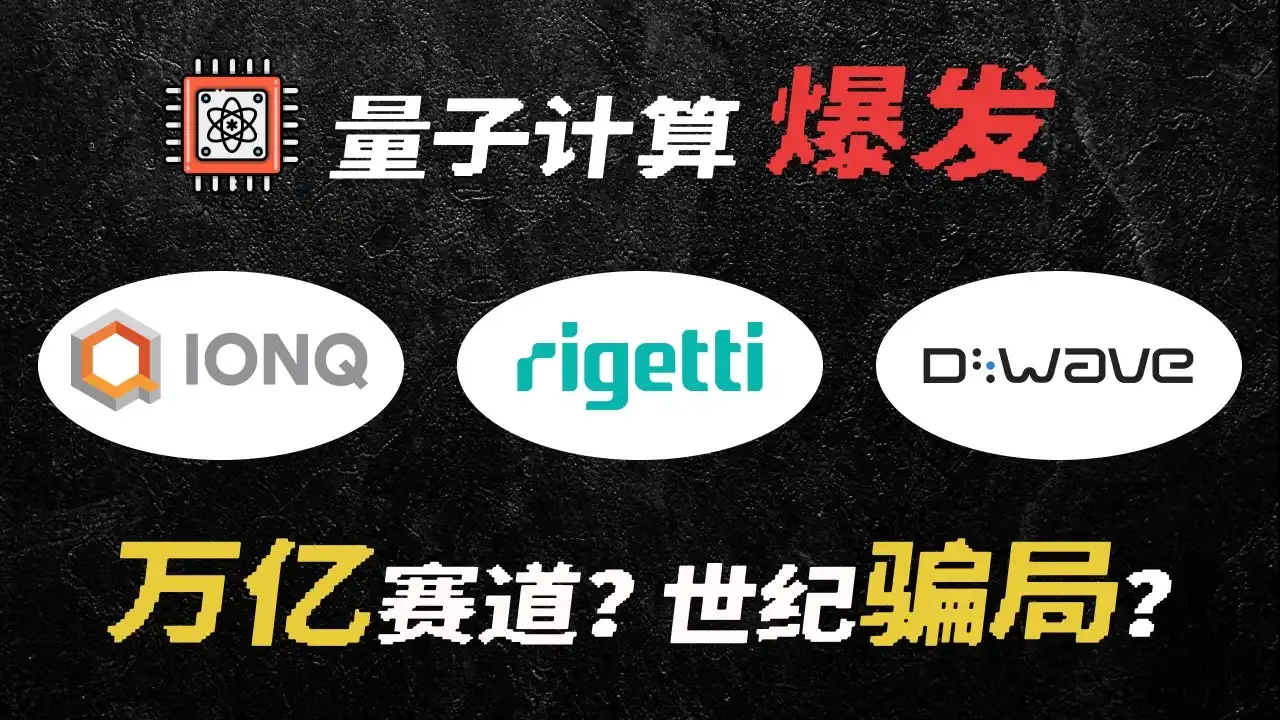
Оригинальное название:Взрыв квантовых вычислений: триллионный рынок или вековой обман? IonQ, Rigetti, D-Wave. Кто рисует картину, а кто — настоящее будущее? Разбор сектора квантовых вычислений на десять тысяч слов.
Дата выхода:29 мая 2026 года
Ключевые моменты
В этом выпуске подробно разбирается квантовые вычисления: от фундаментальных принципов и технологических направлений до прогресса в коммерциализации и инвестиционной структуры. По мнению Нико, квантовые вычисления — не пустая мистификация. Их долгосрочный рыночный потенциал связан с такими высокоценными сферами, как разработка лекарств, криптография, финансовое моделирование, материаловедение и оптимизация логистики. Однако сегодня они всё ещё находятся накануне коммерциализации, и для реального внедрения, вероятно, потребуется ещё от 3 до 7 лет. Программа в первую очередь сравнивает три американские компании-концепты в сфере квантовых вычислений — IonQ, Rigetti и D-Wave — по технологическим направлениям, финансовому состоянию, бизнес-моделям и рискам оценки. Также обсуждается роль гигантов, таких как Google, IBM, Microsoft, Amazon и Nvidia, в квантовой экосистеме. Для инвесторов текущий этап сочетает долгосрочный потенциал, подобный раннему ИИ, с высокими рисками очистки пузырей и коррекции оценок.
Выдержки из ключевых идей
Почему квантовые вычисления снова стали национальным приоритетом
- «Китай и США почти в одно и то же время поставили квантовые вычисления в число национальных приоритетов.»
- «Теоретически квантовые вычисления могут взломать почти все зашифрованные коммуникации в сегодняшнем интернете, включая системы шифрования, стоящие за банковскими переводами, военными коммуникациями и дипломатическими телеграммами. Тот, кто первым овладеет этой способностью, сможет получить инициативу в будущем киберпространстве.»
- «Компании квантовых вычислений на американском рынке — не обычные малые технологические акции, а фигуры, на которых делают ставки в национальной технологической гонке.»
Реальные границы возможностей квантовых вычислений
- «Источник квантового ускорения не в том, что каждая операция выполняется быстрее, а в экспоненциальном сокращении количества необходимых операций.»
- «Классические компьютеры — это эффективные машины, выполняющие чёткие инструкции, а квантовые компьютеры — это инструменты исследования, ищущие ответы среди почти бесконечных возможностей.»
- «Квантовые вычисления не всемогущи. Они полезны только в тех сценариях, где количество возможных ответов экспоненциально взрывается с ростом масштаба задачи и требуется найти оптимальное решение.»
Почему коммерциализация так затягивается
- «Фундаментальная причина, по которой квантовые вычисления до сих пор не коммерциализированы, — не в невозможности создать кубиты, а в том, что кубиты слишком подвержены ошибкам и не могут выполнять вычисления, имеющие практическую ценность.»
- «Идея квантовой коррекции ошибок заключается в использовании множества ненадёжных физических кубитов для кодирования одного высоконадёжного логического кубита.»
- «Стабильность, количество и скорость образуют невозможный треугольник квантовых вычислений. Шесть технологических направлений по сути делают выбор между этими тремя измерениями.»
Различия между тремя квантовыми концептуальными акциями
- «IonQ — самая стабильная в финансовом отношении компания с самым быстрым прогрессом в коммерциализации и высочайшим качеством клиентов, но цена за это — очень высокая оценка, рынок уже заранее заложил много положительных ожиданий.»
- «Rigetti — компания с самым высоким коэффициентом выплат, наименьшей выручкой и самой экстравагантной оценкой, но если технические катализаторы реализуются, потенциал роста акций будет наибольшим.»
- «Позиция D-Wave самая уникальная. Направление квантового отжига сегодня уже имеет реальных клиентов и реальные приложения, но ключевым риском остаётся успешность трансформации на две платформы.»
Симбиотические отношения гигантов и малых компаний
- «Особенность сегодняшнего квантового рынка в том, что технологические направления ещё не полностью сошлись. Никто не может с уверенностью сказать, какое из шести направлений — сверхпроводящее, ионные ловушки, отжиг, фотонное, нейтральные атомы, кремниевые спины — вырвется вперёд.»
- «Малые компании не обязательно конкурируют с гигантами, часто они поставляют им продукцию; если какая-то малая компания преуспеет на определённом направлении, гиганты скорее выберут сотрудничество или поглощение.»
- «Nvidia не создаёт квантовые компьютеры, а работает на уровне соединения между квантовыми и классическими вычислениями. Независимо от того, какое направление окажется успешным в будущем, квантовым компьютерам потребуется взаимодействовать с GPU.»
Инвестиционная структура и риски
- «Квантовые вычисления сейчас очень похожи на ИИ в 2018–2020 годах: базовые технологии ускоряются, правительства и технологические гиганты заранее занимают позиции, но переломный момент массовой коммерциализации ещё не наступил.»
- «До наступления этого момента сектор квантовых вычислений, вероятно, ещё переживёт раунд очистки пузыря.»
- «В настоящее время существуют два относительно безопасных способа инвестирования. Первый — в первую очередь создать «квантовое окно» через технологических гигантов, уже глубоко вовлечённых в квантовую сферу. Второй — это небольшие инвестиции в ETF квантового сектора; другой вариант — WQTM, это ETF без плеча с самой высокой «чистотой» на американском рынке, его официальная цель — инвестировать в компании аппаратного, программного обеспечения и инфраструктуры в экосистеме квантовых вычислений.»
Квантовые вычисления как новая линия китайско-американского технологического соперничества
Нико:
Квантовые вычисления, это понятие, звучащее несколько футуристично, снова стали очень популярны и вновь появились в поле нашего зрения. На прошлой неделе президент США Трамп подписал выделение 20 миллиардов долларов федеральных средств девяти американским компаниям квантовых вычислений, причём федеральное правительство напрямую получает миноритарную долю в этих компаниях. Это самая прямая и весомая государственная поддержка отрасли квантовых вычислений за последние годы, что означает официальное включение квантовых вычислений в следующее поколение технологической стратегии США.
На другом берегу Тихого океана Китай уже включил квантовые технологии в 15-ю пятилетку, поставив их наряду с воплощённым интеллектом и управляемым термоядерным синтезом в число ключевых направлений атаки для индустрий будущего. В первом квартале этого года объём финансирования в китайском квантовом секторе достиг более 2 миллиардов юаней, приблизившись к уровню прошлого года или, возможно, превысив его. Китай и США, две сверхдержавы, почти в одно и то же временное окно определили это направление как национальный приоритет.
Возникает вопрос: на каком этапе развития находятся квантовые вычисления в 2026 году? Станут ли они, вслед за ИИ, следующей отраслевой революцией, взорвавшей мир? Или же это очередной раздутый концептуальный ажиотаж? Три популярные на американском рынке акции-концепты в сфере квантовых вычислений — IonQ, Rigetti, D-Wave. Кто рисует воздушные замки, а кто — настоящее будущее?
В сегодняшнем выпуске за 40 с лишним минут будет полностью разобран весь сектор квантовых вычислений: от базовых технологических направлений до публичных компаний и инвестиционной структуры. После полного прослушивания вы будете знать, что такое квантовые вычисления, что они могут делать, какие существуют технологические направления, какие компании заслуживают внимания и как мы можем конфигурировать этот новый сектор в соответствии с нашими собственными предпочтениями по риску.
Прежде чем говорить о конкретных технологических концепциях, давайте взглянем на общий фон, на котором Китай и США одновременно начинают развёртывание квантовых вычислений. Чуть больше недели назад администрация Трампа использовала средства из фонда закона CHIPS, единовременно влив 20 миллиардов долларов в 9 американских компаний квантовых вычислений. Сами деньги — не самое главное; ключевое в том, что федеральное правительство США напрямую получило миноритарную долю в этих компаниях, лично вступив в капитал всей американской квантовой экосистемы. Управление научно-технической политики Белого дома также тихо повысило приоритет квантовых вычислений до уровня национальной стратегии, наравне с ИИ, а несколько крупных американских финансовых СМИ сообщили, что готовится специальная президентская директива, посвящённая квантовым вычислениям.
Политический сигнал за этими событиями очень ясен: США не хотят упустить ни одной технологической революции уровня инфраструктуры. Оглядываясь на историю, PC, интернет, мобильный интернет и ИИ — максимальными бенефициарами каждой глобальной технологической революции были американские компании. США сначала строят инфраструктуру, прокладывают путь от 0 до 1, и только затем другие страны получают свою долю. Действия администрации Трампа по сути направлены на заблаговременное закрепление доминирующей позиции США в квантовой индустриальной цепочке.
С точки зрения национальной безопасности, у квантовых вычислений есть ещё одно чрезвычайно чувствительное направление применения: теоретически они могут взломать почти все сегодняшние зашифрованные коммуникации в интернете, включая системы шифрования, лежащие в основе банковских переводов, военных коммуникаций, дипломатических телеграмм, — все они могут быть пробиты. Тот, кто первым овладеет этой способностью, получит инициативу в будущем киберпространстве. Вот что действительно беспокоит правительство США.
Перенося взгляд на Китай, мы видим ту же логику. Как 15-я пятилетка, так и объём финансирования в квантовом секторе демонстрируют амбиции Китая в этой новой области. Противостояние Китая и США на квантовом поле, хотя и не такое острое, как в сфере больших моделей ИИ, уже находится в состоянии подспудного брожения и может стать крупнейшей геотехнологической битвой через 5 или 10 лет.
Поняв этот общий фон, оглянемся на несколько компаний квантовых вычислений на американском рынке, выросших за последние годы в десятки раз, и увидим, что это не просто обычные малые технологические акции, а фигуры, на которых делают ставку в национальной технологической гонке.
Что такое квантовые вычисления: от битов, суперпозиции, запутанности до интерференции
Нико:
Если начать напрямую говорить о концепциях квантовых вычислений, можно запутаться, поэтому начнём с самого знакомого в нашей повседневной жизни. Будь то просмотр видео на телефоне или работа с документами на компьютере, всё это в основе своей можно назвать вычислениями. Все картинки, видео, текст, которые мы видим на телефоне или компьютере, на самом деле представляют собой двоичный код компьютера, его единица называется бит и состоит из 0 и 1. После серии вычислительных процессов они преобразуются в понятные нам текст, картинки и видео.
В последние десятилетия мы постоянно делали одно: пытались заставить компьютер обрабатывать 0 и 1 быстрее. Основной метод заключался в уменьшении размеров транзисторов на чипе, чтобы поместить больше транзисторов на чип того же размера, что увеличивало скорость обработки. Но сейчас этот путь постепенно подходит к концу. Самые передовые технологические процессы чипов достигли 2 нанометров, дальше приближаясь к масштабу отдельных атомов. На таком масштабе правила классической физики начинают давать сбои, и это уже не проблема, решаемая обычными инженерными методами.
Помимо аппаратных ограничений, сами 0 и 1 имеют фундаментальные ограничения. Независимо от скорости чипа, бит в любой момент времени может быть либо 0, либо 1. Если нужно проверить 1000 триллионов возможностей, придётся пробовать их одну за другой. Существует класс задач, где количество попыток экспоненциально взрывается с ростом масштаба задачи. Например, курьеру нужно доставить 100 посылок, количество всех возможных маршрутов доставки составляет примерно 10 в 158-й степени, это число на несколько десятков нулей больше, чем общее количество всех атомов во Вселенной. Самый быстрый современный суперкомпьютер не справится с этим вычислением, даже если будет работать до конца света.
Квантовые вычисления — это технология, предложенная для преодоления этого ограничения. Их фундаментальная логика полностью отличается от традиционных компьютеров. Традиционный бит может быть только 0 или 1, базовая единица квантового компьютера называется кубитом, или qubit. Кубит может одновременно быть и 0, и 1, это свойство называется квантовой суперпозицией. Звучит неинтуитивно: монетка либо орёл, либо решка; лампа либо включена, либо выключена. В повседневной жизни мы никогда не видели, чтобы объект мог находиться в двух состояниях одновременно.
Но в микроскопическом мире отдельные частицы естественным образом следуют правилам квантовой механики. Электроны, фотоны, атомы — эти микрочастицы действительно могут находиться в нескольких состояниях одновременно, что является физическим фактом, многократно подтверждённым бесчисленными экспериментами. Мы не ощущаем этого в повседневной жизни, потому что всё, с чем мы взаимодействуем, состоит из астрономического количества частиц. Когда вместе собирается большое количество частиц, их взаимное взаимодействие и контакт с внешней средой делают суперпозицию очень хрупкой и быстро исчезающей, поэтому макроскопический мир выглядит всегда определённым.
Задача квантового компьютера — найти способ защитить суперпозицию микрочастиц и использовать её для вычислений. Почему суперпозиция помогает быстрым вычислениям? Традиционному компьютеру, чтобы найти правильный ответ среди 1000 триллионов возможностей, необходимо пробовать их одну за другой, и никакая скорость чипа не изменит этот факт. Суперпозиция квантовых вычислений может сломать это ограничение. 50 кубитов, перебирая комбинации, также соответствуют 1000 триллионам возможных состояний, но ключевое отличие в том, что эти 50 кубитов в один момент времени одновременно находятся в суперпозиции всех состояний. Выполнив одну операцию над этими 50 кубитами, мы одновременно воздействуем на все состояния, одна операция эквивалентна 1000 триллионам повторений классического компьютера.
Но одной суперпозиции недостаточно. Если 50 кубитов одновременно находятся во всех состояниях, но независимы и не связаны друг с другом, мы не сможем координированно управлять ими. Это приводит ко второму важному понятию: квантовой запутанности. Два кубита каждый находятся в суперпозиции, результат измерения каждого — случайный; но если они образуют запутанность, между двумя случайными результатами возникает абсолютная корреляция.
Приведём пример: у вас есть два запутанных кубита, один в Пекине, другой в Нью-Йорке. Измерив один в Пекине и получив 0, вам не нужно ехать в Нью-Йорк, чтобы знать, что другой обязательно будет 1; и наоборот, получив в Пекине 1, кубит в Нью-Йорке обязательно будет 0. Каждый раз, глядя на любой кубит отдельно, результат случаен, но если смотреть на два вместе, результат всегда идеально дополняющий. Эта корреляция не требует передачи какого-либо сигнала, она мгновенно выполняется независимо от расстояния. Исторические эксперименты раз за разом доказывают, что запутанность реально существует.
Роль запутанности в квантовых вычислениях заключается в том, чтобы сделать несколько кубитов не отдельными, а единым неразделимым целым. Без запутанности 10 кубитов — это 10 независимых состояний, никак не связанных; с запутанностью эти 10 кубитов связываются вместе, воздействуя на один, мы воздействуем и на остальные. Таким образом, мы можем выполнять координированные операции над всей системой, заставляя все кубиты совместно эволюционировать в направлении правильного ответа.
Далее, как же получить правильный ответ? Здесь мы подходим к самому изящному аспекту квантовых вычислений. Когда кубит находится в суперпозиции, каждое состояние имеет соответствующий вес, который можно упрощённо понимать как величину вероятности. Вначале веса всех состояний равномерны, и если прямо сейчас прочитать результат, вероятность получить правильный ответ очень низка, почти как угадывание. Квантовый алгоритм делает следующее: через серию тщательно спроектированных операций шаг за шагом регулирует распределение этих весов.
Этот процесс регулировки использует квантовую интерференцию. Интерференция — это концепция волны: бросьте два камня в спокойную воду, две группы волн встретятся, и если два гребня накладываются, поверхность воды станет выше; если гребень накладывается на впадину, они взаимно гасятся, и поверхность становится плоской. Действие квантовой интерференции заключается в усилении волн, указывающих на правильный ответ, и гашении волн, указывающих на неправильный ответ. Каждое выполнение квантовой операции немного увеличивает вероятность правильного ответа и уменьшает вероятность неправильного. После достаточного количества повторений вероятность правильного ответа приближается к 100%, и при измерении суперпозиция коллапсирует в определённое значение, и мы получаем окончательный ответ.
Слово «коллапс» звучит загадочно, но простыми словами это означает, что в момент считывания состояния кубита он мгновенно переходит из суперпозиции (одновременно 0 и 1) в определённое 0 или 1. Почему наблюдение вызывает коллапс, физика до сих пор не объяснила полностью. Но для понимания квантовых вычислений достаточно запомнить это правило.
Кратко подведём итог: суперпозиция даёт квантовому компьютеру возможность одновременно обрабатывать все возможности; запутанность — возможность координировать все возможности между собой; интерференция — средство превращения неопределённости в определённость. Эти три механизма незаменимы.
Приведём полный пример, чтобы связать процесс воедино: предположим, вам нужно среди 1 миллиона замков найти единственный, который откроется вашим ключом. Классический компьютер берёт ключ и пробует открывать каждый замок по очереди, в лучшем случае с первого раза, в худшем — десятки тысяч раз. Квантовый компьютер поступает так: сначала устанавливает кубиты в суперпозицию, чтобы они одновременно охватывали все 1 миллион замков; затем создаёт запутанность между кубитами, чтобы они образовали координируемое целое; далее выполняет квантовую интерференцию — с каждой операцией сигнал правильного замка усиливается, сигналы других замков ослабевают. После примерно 1000 повторений происходит окончательное измерение, суперпозиция коллапсирует, и мы напрямую получаем правильный замок.
Классическому компьютеру может потребоваться десятки тысяч попыток, квантовому — всего около 1000. Источник квантового ускорения не в том, что каждая операция выполняется быстрее, а в экспоненциальном сокращении количества необходимых операций. Но здесь важно подчеркнуть: квантовый компьютер имеет такое преимущество только для задач определённого типа.
Что могут и чего не могут квантовые вычисления
Нико:
Сначала о направлении, которое касается личных интересов каждого: разработка новых лекарств. Вопрос о том, будет ли новая молекула лекарства действовать в организме человека, в конечном счёте зависит от квантовомеханического состояния электронов внутри молекулы. При моделировании этих электронных состояний на классическом компьютере объём вычислений экспоненциально взрывается с ростом сложности молекулы. Более простые молекулы ещё можно рассчитать, но для чуть более сложных молекул даже самый мощный суперкомпьютер в мире не справится. Вот почему за последние десятилетия средний цикл разработки нового лекарства застрял на уровне более 10 лет, а средняя стоимость достигла десятков миллиардов долларов.
Если когда-нибудь квантовый компьютер сможет точно моделировать сворачивание белков и взаимодействие между молекулами, весь цикл разработки новых лекарств теоретически можно сократить с десятилетий до нескольких лет или даже месяцев. Крупнейшие мировые фармацевтические гиганты, такие как Pfizer, AstraZeneca, Merck, уже сотрудничают с квантовыми вычислительными компаниями в соответствующих исследованиях.
Второе направление — криптография. Это наиболее известная широкой публике способность квантовых вычислений и то, что действительно беспокоит правительства. Весь современный интернет зависит от алгоритма шифрования под названием RSA. Безопасность этой системы заключается в том, что самому быстрому в мире суперкомпьютеру для взлома 2048-битного RSA-ключа могут потребоваться миллиарды лет. Но квантовый компьютер другой. Теоретически достаточно мощный универсальный квантовый компьютер с использованием квантового алгоритма Шора может выполнить взлом за несколько часов или неделю.
Это означает, что если в будущем появится такой универсальный квантовый компьютер, сегодня во всей финансовой и военной отраслях могут возникнуть серьёзные проблемы безопасности. Именно из-за этой угрозы квантовые вычисления породили совершенно новый рынок — квантово-безопасное шифрование. Правительствам и компаниям по всему миру необходимо мигрировать существующие системы на новую криптографическую архитектуру до того, как квантовые компьютеры действительно созреют. Сам этот процесс миграции представляет собой огромный рынок.
Третье направление — финансовое моделирование. Оптимизация инвестиционных портфелей, оценка рисков, ценообразование деривативов, обнаружение мошенничества — эти ключевые проблемы финансовой сферы по сути являются задачами нахождения оптимального решения среди огромного числа возможностей, что как раз относится к классу задач комбинаторной оптимизации, в которых сильны квантовые вычисления. Старые инвестиционные банки с Уолл-стрит, такие как JPMorgan Chase, Goldman Sachs, HSBC, в последние годы тихо формируют свои собственные команды по квантовым вычислениям, участвуя в тестировании и итерации различных квантовых алгоритмов.
Ещё одно направление, связанное с повседневной жизнью, — оптимизация логистики и цепочек поставок. Курьеру нужно доставить 100 посылок: как спланировать маршрут, чтобы доставить все за кратчайшее время? Количество возможных маршрутов для 100 точек составляет примерно 10^158, что больше количества атомов во Вселенной. Подняв эту проблему до уровня глобальной цепочки поставок — десятки тысяч складов, сотни тысяч транспортных маршрутов, плюс постоянный учёт запасов, погоды, трафика и других факторов — квантовые вычисления имеют огромный потенциальный потенциал в таких крупномасштабных задачах оптимизации.
Однако квантовые вычисления не всемогущи, они не могут делать многое. Например, повседневные задачи на компьютере: просмотр веб-страниц, редактирование документов, просмотр видео, отправка сообщений. Особенность этих задач в том, что шаги чёткие, логика ясная, не требуется поиск среди огромного количества возможностей, квантовый компьютер в таких задачах полностью проигрывает обычному компьютеру. Ещё пример: запросы к базам данных, хранение файлов, массовое чтение и запись данных — их основное узкое место — скорость ввода-вывода и архитектура хранения, что также не подходит для квантовых вычислений. Или системы реального времени, такие как автономное вождение, промышленные роботы — эти системы требуют детерминированного времени отклика, а вывод квантовых вычислений вероятностный и требует экстремальных физических условий, что делает невозможным встраивание в такие системы.
Можно запомнить простое правило для оценки: если шаги решения задачи чёткие и определённые, не требуется поиск среди огромного количества возможностей, больше подходит классический компьютер; если количество возможных ответов экспоненциально взрывается с ростом масштаба задачи, и вам нужно найти оптимальный ответ среди всех возможностей, тогда квантовый компьютер находит своё применение. Классический компьютер — это эффективная машина, выполняющая чёткие инструкции; квантовый компьютер — это инструмент исследования, ищущий ответы среди почти бесконечных возможностей, они дополняют друг друга.
С другой стороны, задачи, подходящие для квантовых вычислений, как раз распределены по нескольким наиболее ценным отраслям: разработка лекарств, финансовое моделирование, криптография, материаловедение, оптимизация логистики. Только эти несколько направлений вместе дают долгосрочный рыночный потенциал на уровне триллионов долларов. Однако все эти сценарии применения сегодня всё ещё находятся на стадии лабораторных исследований.
На чём застряла коммерциализация: уровень ошибок, квантовая коррекция ошибок и невозможный треугольник
Нико:
Почему история о квантовых вычислениях рассказывается уже много лет, но до сих пор нет коммерциализации? На каком именно этапе застряли?
Как уже упоминалось, суперпозиция микрочастиц чрезвычайно хрупка. Колебания температуры, электромагнитный шум, даже столкновение со свободной молекулой воздуха — и суперпозиция коллапсирует, кубит мгновенно превращается в определённый 0 или 1. Как только происходит этот коллапс, вычисление даёт ошибку. В реальности, независимо от того, какая физическая система используется для создания кубитов, помех невозможно полностью избежать, никакие инженерные методы не могут на 100% экранировать все шумы.
Поэтому в современных квантовых компьютерах каждая выполненная операция имеет определённую вероятность ошибки, примерно от долей процента до нескольких процентов. Звучит как низкая вероятность, но реальные задачи, которые нужно решать квантовым вычислениям, часто требуют тысяч и десятков тысяч операций. Если каждая операция имеет 1% вероятность ошибки, то после 1000 шагов конечный результат почти наверняка будет ошибочным. Это фундаментальная причина, по которой квантовые вычисления до сих пор не коммерциализированы: проблема не в невозможности создать кубиты, а в том, что кубиты слишком подвержены ошибкам и не могут выполнять никаких вычислений, имеющих практическую ценность.
Отраслевой консенсус заключается в том, что необходимо идти другим путём, называемым квантовой коррекцией ошибок. Идея заключается в использовании множества ненадёжных физических кубитов для кодирования одного высоконадёжного логического кубита. Можно понять это так: предположим, у вас есть очень важная информация, которую нужно передать другу, но человек, передающий сообщение, ненадёжен и каждый раз может сказать неправильно. Если отправить 100 человек одновременно передать одно и то же сообщение, даже если несколько человек скажут неправильно, друг, услышав, что большинство говорит правильно, всё равно сможет восстановить верную информацию.
Квантовая коррекция ошибок делает нечто подобное: использует множество физических кубитов для взаимной проверки, обнаруживая и исправляя ошибки. Но цена очень высока. По текущим оценкам, для создания одного надёжного логического кубита требуется примерно от 1000 до 10 000 физических кубитов. Если вашему алгоритму для решения реальной бизнес-задачи требуется 1000 логических кубитов, фактически вам понадобится квантовый компьютер, имеющий от 1 миллиона до 10 миллионов физических кубитов. А самые передовые современные квантовые компьютеры имеют количество физических кубитов на уровне от ста до нескольких тысяч — разница в несколько порядков.
На этом этапе основной барьер квантовых вычислений становится ясен. Нужно одновременно выполнить три условия: кубиты должны быть достаточно стабильны, уровень ошибок достаточно низок; количество кубитов должно быть достаточно большим, чтобы обеспечить масштабирование до миллионов; скорость управления кубитами должна быть достаточно высокой, чтобы завершить вычисления до исчезновения суперпозиции. Стабильность, количество, скорость — три условия, которые должны выполняться одновременно.
Но в реальном физическом мире между этими тремя целями существуют глубинные противоречия. Чтобы сделать кубиты стабильнее, требуются более экстремальные условия изоляции; чем экстремальнее изоляция, тем сложнее управление и масштабирование. Чтобы получить больше кубитов, сложность системы возрастает, источников шума становится больше, стабильность ухудшается. Чтобы увеличить скорость управления, страдает точность операций, и вероятность ошибок возрастает. Ни одна физическая система не может одновременно быть оптимальной по всем трём измерениям — это невозможный треугольник.
Шесть технологических направлений, о которых пойдёт речь далее, по сути делают различный выбор между этими тремя измерениями: стабильность, количество и скорость.
Шесть технологических направлений: сверхпроводящие, ионные ловушки, отжиг, фотонные, нейтральные атомы и кремниевые спины
Нико:
Сначала рассмотрим сверхпроводящие кубиты — это на сегодня самое основное направление с самой долгой историей исследований. Из трёх измерений — стабильность, количество, скорость — сверхпроводящие кубиты выбирают скорость. Метод заключается в охлаждении небольшой специальной металлической схемы до примерно минус 273 градусов, что близко к самой низкой температуре во Вселенной. При этой температуре металл переходит в сверхпроводящее состояние, сопротивление полностью исчезает. Что ещё важнее, ток в схеме может течь одновременно и по часовой стрелке, и против — это и есть суперпозиция, а управление осуществляется с помощью точных микроволновых импульсов.
Сверхпроводящее направление требует всего несколько десятков наносекунд на выполнение одной квантовой операции, это самое быстрое из шести направлений. Производственные процессы также могут заимствовать существующую полупроводниковую индустриальную цепочку, многие оборудование и процессы схожи с производством традиционных чипов. Цена — низкая стабильность: суперпозиция может сохраняться лишь от десятков до сотен микросекунд, все вычисления необходимо выполнить в очень коротком временном окне. Кроме того, соединения между кубитами ограничены физической компоновкой чипа, не любые два кубита могут напрямую взаимодействовать.
Второе, совершенно иное направление — ионные ловушки, они выбирают стабильность. Конкретный метод: с помощью электромагнитного поля создаётся ловушка в вакууме, в ней удерживается отдельный заряженный ион, чтобы он вообще не контактировал ни с какими другими веществами, а затем лазером точно переводят ион в состояние суперпозиции. Поскольку управление осуществляется на уровне отдельных атомов, атомы сами по себе очень стабильны, суперпозиция может сохраняться до нескольких секунд, что на несколько порядков дольше, чем у сверхпроводящих. Кроме того, любые два иона могут напрямую взаимодействовать, без ограничений по физическому расположению.
Цена — низкая скорость. Каждая операция занимает от нескольких до нескольких десятков микросекунд, что в 100–1000 раз медленнее, чем у сверхпроводящих. Кроме того, когда количество ионов увеличивается до сотен или тысяч, инженерной задачей становится стабильное управление таким количеством ионов в одной ловушке. Публичная американская компания, представляющая это направление, — IonQ.
Третье направление называется квантовым отжигом, оно жертвует универсальностью ради практической ценности. Оно не стремится создать универсальную машину, способную выполнять любой квантовый алгоритм, а специализируется только на задачах оптимизации. Принцип заимствует концепцию отжига из физики: металл нагревают до высокой температуры, затем медленно охлаждают, и атомы внутри металла естественным образом находят расположение с минимальной энергией. Квантовый отжиг делает нечто подобное, позволяя квантовой системе с помощью квантовых эффектов естественно эволюционировать в состояние с минимальной энергией, которое соответствует оптимальному решению задачи оптимизации.
Поскольку нет необходимости реализовывать универсальные квантовые операции, инженерные требования намного ниже, количество кубитов может быть очень большим, на сегодня достигнуто более 4400, что намного превышает количество в любом универсальном квантовом компьютере. В таких задачах, как логистическое планирование или финансовые портфели, уже есть реальные корпоративные клиенты. Ограничения квантового отжига также очевидны: он не может выполнять алгоритм Шора для взлома шифров или алгоритм Гровера для универсального поиска, область применения ограничена классом задач оптимизации. Если в будущем действительно появятся универсальные квантовые компьютеры, рыночное пространство квантового отжига, наоборот, может сократиться. Это направление на сегодня представлено только одной публичной компанией — D-Wave.
Четвёртое направление — фотонные квантовые вычисления, оно выбирает уникальный подход, используя фотоны в качестве кубитов. У фотонов есть естественное преимущество: они почти не взаимодействуют с внешней средой. Выпущенный фотон не подвержен температурным помехам или электромагнитному шуму. Это означает, что фотонные системы могут работать при комнатной температуре без сложного охлаждающего оборудования. Кроме того, фотоны естественным образом распространяются по оптоволокну, что хорошо совместимо с существующей коммуникационной инфраструктурой.
Но у фотонов есть и большой недостаток: когда два фотона сталкиваются, они в основном игнорируют друг друга и летят дальше каждый по своему пути. А для квантовых вычислений необходимо точное взаимодействие между двумя кубитами, например, создание запутанности. Заставить два фотона влиять друг на друга в точный момент времени и точным образом технически очень сложно.
Пятое направление — нейтральные атомы, набравшее популярность в последние год-два, делает ставку на масштабируемость. Метод заключается в использовании лазерных щипцов для захвата отдельных нейтральных атомов. Можно представить лазер как множество чрезвычайно маленьких щипцов, каждая пара захватывает один атом, затем эти атомы выстраиваются в аккуратные двумерные или даже трёхмерные массивы, каждый захваченный атом — это кубит. Чтобы создать запутанность между двумя атомами, нужно возбудить один из них в особое высокоэнергетическое состояние; атом в таком состоянии сильно взаимодействует с окружающими атомами, что позволяет создать запутанность.
Самое привлекательное в этом направлении — теоретически легче масштабироваться от сотен кубитов к тысячам или даже десяткам тысяч. Среди всех направлений потенциал масштабирования нейтральных атомов, возможно, самый сильный. Ограничение в том, что технологическая зрелость ещё недостаточна, это направление началось позже, чем сверхпроводящие и ионные ловушки, многие инженерные проблемы ещё исследуются.
Последнее направление — кремниевые спины, метод заключается в создании кубитов на традиционных кремниевых чипах. Электроны в кремниевых чипах естественным образом обладают квантовым свойством, называемым спином, который может находиться в суперпозиции состояний «вверх» и «вниз», что как раз можно использовать в качестве кубита. Самое большое преимущество в том, что производственные процессы могут напрямую использовать существующие полупроводниковые фабрики. В мире уже есть многолетний опыт и оборудование для производства кремниевых чипов, если кубиты можно производить на тех же мощностях, долгосрочные преимущества в масштабируемости и стоимости могут быть самыми сильными среди шести направлений.
Но на текущем этапе кремниевые спины — самое отстающее направление по качеству отдельных кубитов и количеству управляемых кубитов, явно уступая сверхпроводящим и ионным ловушкам.
Рассматривая все шесть направлений вместе, видно, что преимущество каждого направления как раз является недостатком других. Ни одно направление не лидирует по всем параметрам. Это и есть самое реальное состояние квантовых вычислений сегодня: тот, кто первым одновременно достигнет приемлемого уровня по стабильности, количеству и скорости, первым откроет дверь к помехоустойчивым квантовым вычислениям. Как только будет преодолён этот порог, последующая коммерциализация будет очень быстрой, потому что спрос уже готов. Правительство США, вложив 20 миллиардов долларов по закону CHIPS, делает ставки на каждое направление, потому что никто не знает, какое из них в итоге победит. Самый умный подход — сделать ставки на все.
Эта огромная неопределённость сама по себе является самым большим риском и самой большой возможностью для инвестиций в квантовый сектор.
Стадия отрасли и временная шкала: как далеко до коммерциализации квантовых вычислений
Нико:
На каком этапе находятся квантовые вычисления сегодня? Когда они действительно начнут приносить деньги?
Развитие всей индустрии квантовых вычислений можно разделить на три большие стадии. Первая стадия, на которой мы сейчас находимся, называется NISQ, что означает «шумные квантовые вычисления промежуточного масштаба». Проще говоря, количество кубитов достигло сотен или даже тысяч, но каждый кубит имеет шум, вычисления подвержены ошибкам, можно проводить технические демонстрации и решать определённые небольшие задачи, но настоящей коммерциализации ещё нет.
Следующая вторая стадия — ранняя стадия помехоустойчивости, или стадия логических кубитов. Как уже упоминалось, современные кубиты имеют слишком высокий уровень ошибок, который необходимо решать через квантовую коррекцию ошибок. Когда уровень ошибок будет снижен до достаточно низкого, и квантовый компьютер сможет стабильно выполнять сложные алгоритмы, это будет означать переход на вторую стадию. Это водораздел между демонстрацией и первоначальным внедрением для всей отрасли.
После преодоления этого барьера действительно наступит стадия крупномасштабных универсальных помехоустойчивых квантовых компьютеров, то есть стадия коммерциализации. Итак, когда же наступят помехоустойчивые квантовые вычисления?
Дорожная карта IBM на сегодня самая конкретная, с запланированными действиями на каждый год. Они планируют в 2029 году представить квантовый компьютер под названием Starling, целью которого являются 200 логических кубитов и выполнение 100 миллионов квантовых операций. Далее, к 2033 году, IBM планирует увеличить это число до 2000.
У Google чип Willow в конце 2024 года достиг знакового прорыва: чем больше количество кубитов, тем ниже общий уровень ошибок. За последние 30 лет это было невозможно. Раньше с увеличением количества кубитов ошибки только накапливались; значение этого прорыва в том, что он физически доказал работоспособность пути коррекции ошибок.
Помимо этих двух гигантов, дорожная карта компании ионных ловушек Quantinuum также указывает на 2030 год. Авторитетное исследовательское агентство Gartner прогнозирует, что к 2029 году квантовые вычисления начнут угрожать существующим криптографическим системам. Временные рамки, предлагаемые разными компаниями и учреждениями, сходятся в интервале с 2029 по 2033 год.
Другими словами, начиная с сегодняшнего дня, до того момента, когда квантовые вычисления действительно начнут коммерчески внедряться, потребуется как минимум ещё от 3 до 7 лет. Эта временная шкала напоминает мне траекторию развития ИИ, в 2018–2020 годах, когда только что вышел GPT-2, академические круги уже увидели потенциал архитектуры Transformer, компании вроде OpenAI и DeepMind начали вкладывать большие деньги, но широкая публика и большинство инвесторов тогда ещё считали ИИ просто спекуляцией на концепции. Затем индустрия ИИ пережила крупную коррекцию и откат, и только когда в конце 2022 года появился ChatGPT, весь ИИ действительно взорвался.
Квантовые вычисления сейчас, скорее всего, находятся накануне ChatGPT в 2018–2020 годах. По пути ещё могут быть крупные откаты и чистки, прежде чем произойдёт настоящий взлёт.
IonQ, Rigetti, D-Wave: какая из трёх квантовых концептуальных акций ближе к будущему
Нико:
После общего обзора сектора квантовых вычислений давайте рассмотрим трёх популярных компаний на этом поле: IonQ, Rigetti и D-Wave.
Сначала IonQ. Она следует направлению ионных ловушек, это компания с самой большой капитализацией и самым быстрым прогрессом в коммерциализации среди трёх. Доход IonQ в основном складывается из трёх частей: первая — облачный доступ. Клиентам не нужно тратить большие деньги на покупку целого квантового компьютера, они могут удалённо арендовать машины IonQ через облачные платформы, такие как Amazon, Microsoft, Google, оплачивая по мере использования, по тому же принципу, что и аренда облачных серверов. Финансовые институты, такие как JPMorgan Chase и Goldman Sachs, именно так используют машины IonQ для запуска алгоритмов оптимизации портфелей, моделирования рисков и т.д.
Вторая часть дохода — прямые продажи аппаратного обеспечения квантовых компьютеров. Это крупные контракты, нерегулярные, по одному за раз. Третья часть — государственные исследовательские контракты. IonQ получила контракт на 54,5 миллиона долларов от Лаборатории исследований ВВС США и подписала соглашение о сотрудничестве по космическим квантовым применениям с Министерством энергетики. Эта часть дохода обеспечивает стабильный многолетний денежный поток и, что ещё важнее, даёт официальную поддержку IonQ.
В структуре доходов IonQ около 60% приходится на коммерческих клиентов, а не только на государственные заказы. Кроме того, продукция IonQ уже продаётся в более чем 30 стран, год назад это число было однозначным. В списке клиентов есть как Министерство обороны США, Лаборатория исследований ВВС, так и крупные коммерческие клиенты, такие как Amazon, AstraZeneca, Nvidia. Совокупные заказы и оставшиеся обязательства к исполнению выросли на 554%, и в очереди ещё много контрактов, не признанных доходами.
Что касается финансовых данных, IonQ в прошлом году достигла выручки в 1,3 миллиарда долларов, рост на 202%, это первая в истории публичная квантовая компания, чья годовая выручка превысила 1 миллиард долларов. В первом квартале этого года выручка составила 647 миллионов долларов, рост на 755%, что на 30% превысило ожидания Wall Street. Компания также повысила прогноз годовой выручки до 2,6–2,7 миллиардов долларов.
Финансовое здоровье IonQ самое сильное среди трёх, на счетах — денежные средства, их эквиваленты и инвестиции общей суммой более 31 миллиарда долларов. Но здесь стоит напомнить, что в первом квартале этого года чистая прибыль IonQ по балансу составила 8 миллиардов долларов, что на первый взгляд говорит о высокой прибыльности квантовых вычислений. Однако эти 8 миллиардов в основном представляют собой бухгалтерские изменения оценки одного финансового инструмента — варрантов, это бумажная цифра, не означающая реального заработка. Если исключить этот разовый фактор, реальная операционная ситуация IonQ всё ещё убыточна. Собственный годовой прогноз компании также показывает, что в этом году на операционном уровне ожидается убыток в 3,1–3,3 миллиарда долларов. Таким образом, IonQ всё ещё является квантовой вычислительной компанией, сжигающей деньги, просто у неё на счетах 31 миллиард долларов, которых хватит на много лет.
В техническом плане у IonQ в последнее время есть несколько значимых достижений. Сначала о количестве кубитов: текущий коммерческий флагман IonQ называется Tempo, 100 кубитов. Но интересно, что IonQ сама не очень любит подчёркивать цифру физических кубитов, предпочитая показатель под названием алгоритмические кубиты. У Tempo 64 алгоритмических кубита, потому что в направлении ионных ловучей каждый кубит имеет высокое качество, и любые два кубита могут напрямую взаимодействовать, поэтому из одного и того же количества кубитов IonQ может извлечь больше полезной вычислительной мощности, чем другие.
Другое важное достижение IonQ — разработка технологии под названием EQC, то есть электронного квантового управления. Традиционно ионные ловушки используют лазеры для управления каждым ионом, но лазерные системы сложно масштабировать. Новая технология IonQ использует точные электронные сигналы для управления, интегрируя управляющие элементы прямо в обычные полупроводниковые чипы. Это означает, что её квантовые компьютеры могут производиться на существующих чип-фабриках, что облегчает масштабирование и снижает стоимость.
Ещё одна интересная деталь: среди 9 компаний, получивших финансирование по закону CHIPS, нет IonQ. Многие инвесторы сначала подумали, означает ли это, что IonQ не пользуется поддержкой правительства? Я считаю, что как раз наоборот. У IonQ уже есть 31 миллиард долларов наличными, ей не нужны деньги. Государственные средства предназначены для тех компаний, которым больше нужно финансирование для выживания и чьи технологические направления имеют уникальную ценность. То, что IonQ не получила денег, косвенно указывает на её финансовую независимость.
Основной риск IonQ на данный момент — слишком высокая оценка. Её рыночная капитализация превышает 200 миллиардов долларов. Если рассчитать по прогнозу выручки на 2026 год, ожидаемый коэффициент цена/выручка приближается к 100. Это распространённая проблема передовых секторов, таких как квантовые вычисления. На волне спекулятивных настроений рынок уже заложил в цену многолетний высокий рост. Если в каком-либо квартале рост окажется ниже ожиданий или общий переломный момент коммерциализации отложится, коррекция акций может быть очень резкой.
После IonQ рассмотрим Rigetti, она следует сверхпроводящему направлению, способ монетизации похож на IonQ, но с акцентом на другом. Она также получает доход от облачного доступа, продажи оборудования и государственных контрактов, но сейчас основной источник дохода — прямые продажи целых машин, причём продажи с частным развёртыванием, то есть клиент покупает целый квантовый компьютер и размещает в своём собственном дата-центре, а не арендует через облачных провайдеров.
По выручке Rigetti — самая маленькая из трёх. В прошлом году годовая выручка составила 7,1 миллиона долларов, снизившись на 34%. Но в первом квартале этого года произошёл перелом: выручка достигла 4,4 миллиона долларов, рост почти на 200%. Что касается финансового здоровья, у неё есть 569 миллионов долларов наличными, долга нет, операционный отток денежных средств в первом квартале составил 16,2 миллиона долларов. По грубым подсчётам, этих денег хватит на 8–9 лет. Хотя абсолютная сумма наличных намного меньше, чем у IonQ, но поскольку команда и масштаб продуктов Rigetti меньше, скорость сжигания денег также ниже.
В техническом плане у Rigetti недавно были значительные успехи. В апреле этого года она официально представила систему с наибольшим количеством кубитов на сегодня — Cepheus, 108 кубитов. Архитектура этой машины особенная: это не один большой чип, а сборка из 12 маленьких чипов по 9 кубитов каждый, в отрасли это называется архитектурой чиплетов. Если этот путь окажется успешным, масштабирование будет намного проще, чем создание одного большого чипа, это ключевое технологическое отличие Rigetti.
Однако при запуске этой системы точность совместной работы двух кубитов составляла 99,1%, что на 0,8 процентных пункта ниже, чем 99,9% у IonQ. Цель Rigetti — во второй половине года повысить этот показатель до 99,5%. На меньших 9-кубитных чипах она уже достигает 99,7%, но с увеличением количества кубитов точность поддерживать сложно, что как раз является общей проблемой сверхпроводящего направления. Следующим шагом Rigetti планирует выпустить чип Lyra на 336 кубитов, целью которого является впервые продемонстрировать, что квантовые вычисления действительно превосходят классические компьютеры в какой-то конкретной задаче.
Ключевой риск Rigetti аналогичен: годовая выручка чуть более 7 миллионов долларов поддерживает рыночную капитализацию в десятки миллиардов, коэффициент цена/выручка по доходам 2025 года превышает 1000, что очень экстравагантно. Если продукты, бизнес или прогресс сектора не оправдают рыночных ожиданий, вероятность резкого падения акций в краткосрочной перспективе очень высока.
Наконец, рассмотрим D-Wave. Это самая старая из трёх компаний, основанная в 1999 году. Ситуация с D-Wave самая особая, она в основном следует направлению квантового отжига, не создавая универсальный квантовый компьютер, а только специализированные машины для задач оптимизации. Её система Advantage2 уже достигла более 4400 кубитов, что является самым большим количеством среди всех квантовых машин.
Её основной доход поступает от облачной платформы Leap: клиенты через облако напрямую используют машины отжига для решения задач, оплачивая по объёму использования. Кроме того, D-Wave также продаёт целые машины, а также занимается профессиональными услугами, помогая клиентам переводить свои бизнес-задачи в задачи оптимизации, которые могут решать квантовые машины.
У D-Wave много клиентов — более 100 реальных корпоративных клиентов, причём в основном известные компании: Mastercard, Volkswagen, Lockheed Martin, Deloitte, Siemens Healthineers и другие используют её продукты. Что ещё важнее, эти клиенты используют их не для экспериментов, а для решения реальных производственных проблем, таких как составление графиков работы сотрудников, оптимизация инвестиционных портфелей, планирование логистических маршрутов, планирование производства на заводах и даже оптимизация операций продуктовых сетей. D-Wave совместно с клиентами реализовала уже более 250 реальных приложений. В этом её главное отличие: первые две компании в основном продают исследовательским учреждениям для экспериментов, а D-Wave решает реальные мировые проблемы. Это в основном благодаря практической применимости направления квантового отжига, оно уже реально внедрено и не ждёт появления помехоустойчивых квантовых компьютеров.
Помимо этого, самое большое стратегическое изменение D-Wave в последнее время — приобретение за 550 миллионов долларов компании Quantum Circuits, что означает официальный вход в сферу универсальных квантовых вычислений. Это означает, что теперь D-Wave следует стратегии двойной платформы, одновременно развивая направления отжига и универсальных вычислений, восполняя предыдущий пробел.
По финансовым данным, D-Wave в прошлом году получила выручку в 24,6 миллиона долларов, рост на 179%. В первом квартале этого года выручка составила всего 2,9 миллиона долларов, снизившись на 81% в годовом исчислении, но у этого падения есть особая причина: в аналогичном периоде прошлого года была крупная разовая продажа системы на 12,6 миллиона долларов. Более важным, чем выручка, является показатель заказов. В первом квартале D-Wave получила рекордные 33,4 миллиона долларов новых заказов, рост почти на 2000%; невыполненные заказы составили 42,4 миллиона долларов, рост на 563%. Среди них — закупка системы на 20 миллионов долларов Университетом Атлантического побережья Флориды и контракт на квантовые вычислительные услуги на 10 миллионов долларов с крупной корпорацией.
Что касается финансового здоровья, у D-Wave в распоряжении 588 миллионов долларов наличными, по грубым оценкам, этого хватит примерно на 4 года. Помимо рисков оценки, существуют риски трансформации на двойную платформу. Коммерциализация направления отжига уже налажена, есть много реальных клиентов и доходов; но направление универсальных квантовых вычислений только начинается, и конкурировать с такими игроками, как Google, IBM, Rigetti, которые много лет работают в сверхпроводящем направлении, будет непросто.
Если сравнить три компании, различия очень чёткие. IonQ финансово самая стабильная, с самым быстрым прогрессом в коммерциализации и высочайшим качеством клиентов, у неё 31 миллиард долларов наличными, рост выручки на 755% и невыполненных заказов на 4,7 миллиарда долларов, но цена — очень высокая оценка, рынок уже заложил много хороших ожиданий. Rigetti предлагает самый высокий коэффициент выплат, самая маленькая по выручке, с самой невероятной оценкой, но у неё есть технологические прорывы, во второй половине года ожидаются два важных катализатора — чип Lyra и узкое квантовое превосходство; если они реализуются, потенциал роста акций будет наибольшим; если реализация отложится, падение акций также будет сильным. D-Wave имеет самую уникальную позицию, следует направлению квантового отжига, у неё уже сегодня много реальных клиентов, динамика заказов очень сильная, и дальше всё зависит от успешности трансформации на двойную платформу.
Как оценивать квантовые концептуальные акции: не традиционная оценка, а опцион на вехи
Нико:
Говоря об этих трёх компаниях, обсудим вопрос оценки. Для таких передовых секторов с высокой популярностью концепций, но без крупномасштабной коммерциализации, традиционные методы оценки в основном не работают. Большинство компаний всё ещё сжигают деньги, масштаб выручки очень мал. Как же нам оценивать эти квантовые концептуальные акции?
Во-первых, необходимо смотреть на общий объём сектора, то есть тенденции потенциального размера рынка. Долгосрочный рынок квантовых вычислений оценивается от сотен миллиардов до триллионов долларов. Цена акций отражает долю, которую, по мнению инвесторов, компания сможет занять в будущем, и размер куска пирога, который она получит.
Другая логика — это оценка опционов на технологические вехи. Каждый прорыв в количестве кубитов, повышение уровня коррекции ошибок, выпуск новых продуктов заставляют рынок переоценивать. Помимо этого, есть премия за поддержку от правительства или крупных компаний, от сотрудничества и инвестиций. Получение финансирования по закону CHIPS равносильно официальной сертификации, это защита, которую предоставляет правительство США. При наличии государственной поддержки и политического стимулирования естественно снижаются опасения инвесторов относительно долгосрочного развития компании и сектора, повышается готовность рынка к риску в квантовых вычислениях.
После обсуждения трёх компаний нужно также посмотреть на настоящих лидеров в секторе квантовых вычислений: технологических гигантов, таких как Google, IBM, Microsoft, Amazon, Nvidia.
Сначала Google, она дальше всех продвинулась в сверхпроводящем направлении благодаря чипу Willow на 105 кубитов. Willow впервые показал, что чем больше кубитов, тем ниже общий уровень ошибок, что было невозможно за последние 30 лет. Этот шаг физически доказал работоспособность пути коррекции ошибок, это самый критический порог на пути к практическому квантовому компьютеру.
Далее IBM, её дорожная карта очень ясна, планируется в 2029 году создать машину на 200 логических кубитов, к 2033 году — на 2000. IBM также недавно достигла прорыва в технологии коррекции ошибок, сумев сократить количество физических кубитов, необходимых для создания одного логического кубита, на 90%, что значительно снижает порог коммерциализации. По закону CHIPS, IBM получила 1 миллиард долларов — больше всех компаний, для создания квантовой фабрики. Она хочет стать TSMC квантовой эры, производя квантовые чипы для всей отрасли.
Microsoft пошла самым особым и рискованным путём — топологическими кубитами. Теоретически, если этот путь окажется успешным, стабильность будет наилучшей, а стоимость коррекции ошибок самой низкой. Но на сегодня Microsoft создала только 8 кубитов, до практического применения ещё далеко, и в академических кругах её экспериментальным результатам постоянно бросают вызов. Однако у Microsoft есть запасной план: через облачную платформу Azure она предоставляет доступ к аппаратному обеспечению таких компаний, как IonQ и Quantinuum, так что даже если её собственное направление в итоге провалится, она всё равно сможет зарабатывать на продаже квантовых облачных услуг.
Amazon поступает аналогично, AWS предоставляет квантовые облачные услуги. И наконец, Nvidia, она не создаёт квантовые компьютеры, а строит мост между квантовыми и классическими вычислениями. Её платформа CUDA-Q позволяет GPU и квантовым компьютерам совместно работать, она также инвестировала в несколько квантовых стартапов. Расчёт Nvidia ясен: независимо от того, какое направление окажется успешным в будущем, квантовым компьютерам потребуется взаимодействие с GPU, а она как раз создаёт соединительный слой, являющийся базовой инфраструктурой.
Есть ли у малых компаний шанс под давлением гигантов
Нико:
Есть ли у малых компаний возможность выжить под давлением гигантов? Я считаю, что у малых компаний всё ещё очень большие шансы.
Сегодня в квантовом секторе есть особенность: технологические направления ещё не полностью сошлись. Никто не может с уверенностью сказать, какое из шести направлений — сверхпроводящие, ионные ловушки, отжиг, фотонные, нейтральные атомы, кремниевые спины — в итоге вырвется вперёд. Это даёт малым компаниям окно возможностей для создания локального лидерства на определённых направлениях. IonQ имеет преимущество первопроходца в ионных ловушках, Rigetti — уникальную архитектуру сборки чиплетов в сверхпроводящем направлении, у D-Wave практически нет конкурентов в области отжига.
Преимущества гигантов также очевидны: много денег, много талантов, много ресурсов, и многие гиганты также следуют тем же направлениям, что и малые компании. Чтобы выжить, этим малым компаниям в квантовом секторе действительно необходимо примыкать к технологическим гигантам. Квантовые компьютеры IonQ уже подключены к облачным платформам AWS Amazon и Azure Microsoft, системы Rigetti — аналогично. Это означает, что они не конкурируют с гигантами, а поставляют им продукцию. Если какая-то малая компания преуспеет на определённом направлении, гиганты с большей вероятностью выберут сотрудничество или поглощение.
Наконец, скажу о моей собственной оценке квантового сектора. С инвестиционной точки зрения, квантовый сектор всё ещё находится на довольно ранней стадии, очень похожей на ИИ в 2018–2020 годах. Базовые технологии ускоряют прорывы, правительства и технологические гиганты заранее занимают позиции, но переломный момент крупномасштабной коммерциализации ещё не наступил. До наступления этого окна, я считаю, скорее всего, произойдёт ещё один раунд очистки пузыря, поэтому я пока не открывал позиции ни в одной компании квантового сектора.
Инвестиционная структура: более надёжные окна и выбор ETF
Нико:
Я считаю, что на данный момент есть два относительно надёжных способа инвестирования.
Первый — в первую очередь создать «квантовое окно» через технологических гигантов, уже глубоко вовлечённых в квантовую сферу, таких как Google, IBM, Microsoft, Nvidia, Amazon. Квантовый бизнес этих компаний составляет лишь небольшую часть общего бизнеса, поэтому даже если прогресс в квантовых технологиях не оправдает ожиданий, цена их акций не будет сильно колебаться.
Второй способ — небольшие инвестиции в ETF квантового сектора. Поскольку мы не можем точно определить, какая компания в итоге преуспеет, лучший способ — инвестировать в форме ETF. В настоящее время есть два ETF на выбор. Один — QTUM, это самый крупный и ликвидный ETF в этом секторе, основанный в 2018 году, сейчас его размер превышает 5 миллиардов долларов. Но важно понимать, что это не чистый ETF квантового сектора, а смешанный ETF «квантовые вычисления + машинное обучение + ИИ + полупроводники». Чистые квантовые активы, такие как IonQ, D-Wave, Rigetti, имеют вес менее 1% каждый.
Другой — WQTM, это ETF без плеча с самой высокой «квантовой чистотой» на американском рынке, его официальная цель — инвестировать в компании аппаратного, программного обеспечения и инфраструктуры в экосистеме квантовых вычислений. У него высокая чистота, он хорошо подходит для сателлитного портфеля в квантовом секторе.
Вернёмся к начальному вопросу: квантовые вычисления — это реальный технологический сектор с огромным долгосрочным потенциалом роста, долгосрочное пространство развития может достигать сотен миллиардов или даже триллионов долларов, это не вековой обман. В следующие 5–7 лет квантовые вычисления могут войти в стадию крупномасштабной коммерциализации, и сегодня мы как раз стоим накануне взрыва квантовых технологий.
Но также необходимо видеть, что краткосрочная волатильность и неопределённость в квантовом секторе всё ещё очень высоки. Прежде чем инвестировать, необходимо чётко понимать связанные с этим доходы и риски.