Автор: Shenchao TechFlow
Вчерашние рыночные движения
Количество первичных заявок на пособие по безработице в США за неделю до 20 декабря: 214 тыс., ожидалось 224 тыс.
Количество первичных заявок на пособие по безработице в США за неделю до 20 декабря составило 214 тыс. человек, при ожидаемых 224 тыс. и предыдущем значении 224 тыс.
BlackRock: ФРС может ограничить снижение ставок в 2026 году
Стратеги BlackRock Аманда Лайнам и Доминик Блай в своем отчете указали, что ФРС, как ожидается, проведет лишь ограниченное снижение ставок в 2026 году. Поскольку в текущем цикле уже накоплено снижение на 175 базисных пунктов, ФРС приближается к уровню нейтральной процентной ставки. Если только на рынке труда не произойдет резкого ухудшения, пространство для дальнейшего снижения ставок в 2026 году весьма ограничено. Согласно данным LSEG, рынок в настоящее время ожидает два снижения ставок ФРС в 2026 году.
CNBC: Kraken планирует запустить сервис прогнозных рынков в 2026 году
Согласно сообщению CNBC, криптобиржа Kraken планирует запустить сервис прогнозных рынков в 2026 году. Глобальный руководитель потребительского бизнеса Kraken Марк Гринберг раскрыл эти планы в программе CNBC Crypto World.
Brevis публикует модель токеномики: общее предложение 1 млрд токенов, 32,20% для стимулирования сообщества
Согласно официальной информации, ZK-платформа верифицируемых вычислений Brevis опубликовала подробности о своем собственном токене экосистемы $BREV.
Общее предложение $BREV составляет 1 млрд токенов, из которых 37% выделено на развитие экосистемы, 32,20% — на стимулирование сообщества, 20% — команде и 10,80% — инвесторам.
Доли развития экосистемы и стимулирования сообщества после первоначального разблокирования будут высвобождаться линейно в течение 24 месяцев, при этом 14,50% и 10,50% токенов соответственно будут в обращении на момент TGE. Доли команды и инвесторов полностью заблокированы на первый год без первоначального разблокирования, с последующим линейным высвобождением в течение 24 месяцев.
Ранее сообщалось, что Brevis Network привлекла 7,5 млн долларов в раунда seed-финансирования под руководством Polychain Capital и Binance Labs.
Sonic корректирует модель аирдропа токенов, оставшиеся 92,2 млн токенов в казне будут использованы для будущих стимулов
Согласно официальному блогу Sonic Labs, Sonic переходит от этапа раннего распределения к этапу создания стоимости, корректируя свою стратегию стимулирования токенами. С момента чеканки 190,5 млн токенов S в июне 2025 года было распределено около 89,5 млн в первом квартале, около 6 млн во втором квартале и около 2,8 млн в рамках мероприятия Kaito. В настоящее время в казне осталось около 92,2 млн токенов S, которые будут использованы в программах стимулирования в 2026 и 2027 годах.
Sonic заявляет, что «модель аирдропа» в криптоиндустрии за последние годы, хотя и способствовала краткосрочному росту данных, является палкой о двух концах. Аирдроп первого квартала успешно принес Sonic более 1 млрд долларов общего объема заблокированных средств (TVL), но масштабные стимулы также привлекли краткосрочных участников и создали давление продаж. В будущем Sonic не будет проводить дополнительную чеканку для аирдропов, оставшиеся токены будут использованы для аирдропов, стимулов или сожжены, одновременно будет пересмотрена токеномическая модель, чтобы обеспечить создание стоимости для долгосрочных участников за счет сетевой активности.
Curve DAO отклонило предложение о выделении 6,2 млн долларов Swiss Stake
Согласно отчету The Defiant, Curve DAO отклонило предложение о выделении 17,4 млн токенов CRV (примерно 6,2 млн долларов) основной компании-разработчика децентрализованной биржи Curve Finance, Swiss Stake AG.
Предложение было внесено основателем Curve Finance Майклом Егоровым и aimed at предоставление финансирования команде Swiss Stake, которой он управляет, для разработки программного обеспечения, инфраструктуры, работ по безопасности и поддержки экосистемы. Результаты голосования показали, что 54,46% участников проголосовали против предложения, 45,54% — поддержали.
Данные голосования показали, что адреса, связанные с Yearn Finance и Convex Finance, составили почти 90% голосов против. Члены сообщества в комментариях на форуме заявили, что предложение вызвало опасения по поводу централизации, подвергнув сомнению, не зависит ли управление Curve чрезмерно от небольшой группы. Некоторые участники также предложили, чтобы Swiss Stake лучше объяснила использование предыдущих средств перед утверждением нового финансирования.
Hyper Foundation: Токены HYPE, принадлежащие фонду помощи, официально признаны сожженными
Hyper Foundation сообщила в социальных сетях, что токены HYPE на адресе фонда помощи были официально признаны сожженными. Данное голосование проводилось с учетом веса стейкинга, результат: 85% стейкинга поддержало сжигание, 7% выступило против, 8% воздержалось.
Polymarket подтвердила взлом аккаунтов пользователей из-за уязвимости стороннего провайдера аутентификации
Согласно отчету The Block, платформа прогнозных рынков Polymarket 24 декабря подтвердила, что несколько пользовательских аккаунтов были скомпрометированы хакерами из-за уязвимости безопасности у стороннего провайдера аутентификации. Пострадавшие пользователи сообщали в социальных сетях, что их средства были обнулены, даже при включенной двухфакторной аутентификации. Проблема, по-видимому, была связана с сервисом входа по электронной почте, предоставляемым Magic Labs, который часто используется многими новыми пользователями криптовалют для регистрации.
Polymarket заявила, что проблема безопасности устранена, в настоящее время постоянного риска нет, но не раскрыла количество пострадавших пользователей и сумму ущерба.
Покупка основателем Aave токенов на 10 млн долларов обвиняется в возможном манипулировании голосованием
Согласно сообщению Cointelegraph, основатель Aave Стани Кулечов недавно вызвал споры в сообществе из-за покупки токенов AAVE на 10 млн долларов. Критики указали, что этот шаг, возможно, aimed at усиление его влияния в голосовании по ключевому предложению управления. Текущие споры сосредоточены на предложении о возврате контроля над активами бренда протокола, которое, как утверждается, было rushed to голосованию без достаточного обсуждения. Данные показывают, что три крупнейших голосующих в Aave DAO контролируют более 58% голосов, что вызывает вопросы о справедливости механизмов управления.
И Лихуа: Trend Research подготовит еще 1 млрд долларов для дальнейшего накопления ETH
Основатель LD Capital И Лихуа написал в социальных сетях: «Я объявляю, что Trend Research готовит еще 1 млрд долларов для дальнейшего накопления и покупки ETH на этой основе. Мы последовательны в словах и делах, настоятельно рекомендуем не открывать short-позиции, без сомнения, это историческая возможность.»
Ранее сообщалось, что Trend Research под управлением И Лихуа сегодня накопил 46 тыс. ETH на сумму approximately 137 млн долларов.
Совет директоров Metaplanet одобрил расширение плана покупки биткоинов
Согласно отчету Dlnews, совет директоров японской компании Metaplanet одобрил несколько предложений по акционерному капиталу, aimed at привлечение средств для достижения цели владения 210,000 биткоинами к концу 2027 года. При текущей цене биткоина (approximately 87,250 долларов за монету) общая стоимость этих биткоинов превысит 18 млрд долларов. Компания будет выпускать акции класса A и B с плавающей процентной ставкой и ежеквартальными дивидендами, одновременно открывая каналы инвестирования для зарубежных институциональных инвесторов.
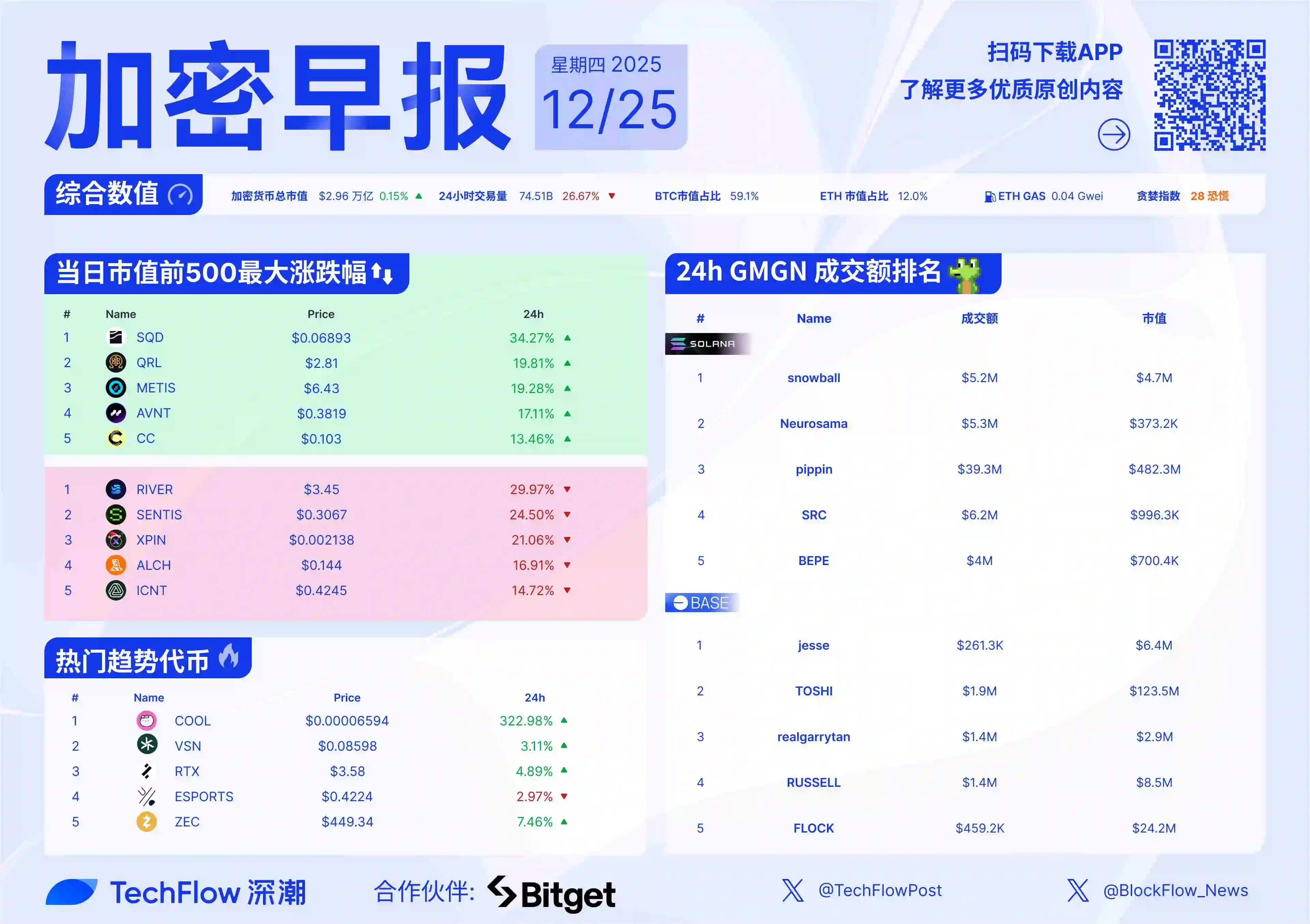
Движение行情 (Рыночная динамика)
Рекомендуемое чтение
«Линия убийства», взорвавшая интернет: момент крушения американской мечты, пробуждение в мире криптовалют
В статье исследуется метафора «линии убийства» от игрового термина до реального общества, раскрывая потенциальные экономические риски и уязвимости американского общества и рынка криптовалют. «Линия убийства» в американском обществе представляет критическую точку финансового краха, а на крипторынке проявляется как более быстрая и непредсказуемая ликвидация и потеря средств. В статье отмечается, что в 2025 году глобальная экономическая нестабильность усилилась, госдолг США высок, крипторынок пережил несколько серьезных ударов, включая хакерские атаки, скамы проектов и обвалы рынка, и призывает к rational инвестициям и усилению управления рисками.
Интервью с CEO Move Industries Торабом Тораби: После скандала с маркет-мейкерами, как Movement восстанавливает доверие?
В статье представлены прошлые споры, текущее развитие и будущие планы криптопроекта Movement, в частности, как его недавно созданная компания Move Industries вновь строит доверие и продвигает развитие экосистемы в аспектах сообщества, технологий и токеномической модели. Статья также затрагивает прогнозы тенденций крипторынка и отраслевые точки зрения.
26 прогнозов от Galaxy: В следующем году биткоин все еще достигнет ATH, через год достигнет 250 тысяч долларов
В статье представлен глубокий анализ тенденций и прогнозов рынка криптовалют на ближайшие годы, охватывая биткоин, эфириум, стейблкоины, децентрализованные финансы (DeFi), privacy-токены и политику, предоставляя detailed прогнозы и обзоры, исследуя будущие направления развития крипторынка.
Обзор активов за 2025 год: Почему биткоин значительно отстал от золота и американского фондового рынка?
В статье анализируются причины, по которым биткоин показал худшие результаты по сравнению с золотом и американским фондовым рынком в 2025 году, подчеркивая такие глубинные факторы, как поток энергии, плотность информации и другие, указывая, что краткосрочная привлекательность биткоина снизилась из-за driven AI революции производительности, спроса на золото из-за геополитики и распространения ETF, но долгосрочная стоимость сохраняется.
Пять криптоподарков на рождественский сезон
В статье в основном представлены пять видов подарков, подходящих для любителей криптовалют в рождественский сезон, включая инструменты AI-исследований, аппаратные кошельки, устройства для безопасного резервного копирования, тематический виски и забавные майнинговые устройства, а также упоминаются последние движения и анализ тенденций крипторынка.