Regulatory Policy

Focuses on global regulatory developments, policy changes, and compliance requirements. It provides in-depth analysis of government regulations and their impact on the cryptocurrency and blockchain industries, helping businesses and investors proactively manage policy-related risks.

Warsh Hearing Concludes: What Are the Notable Signals for the Crypto Industry?

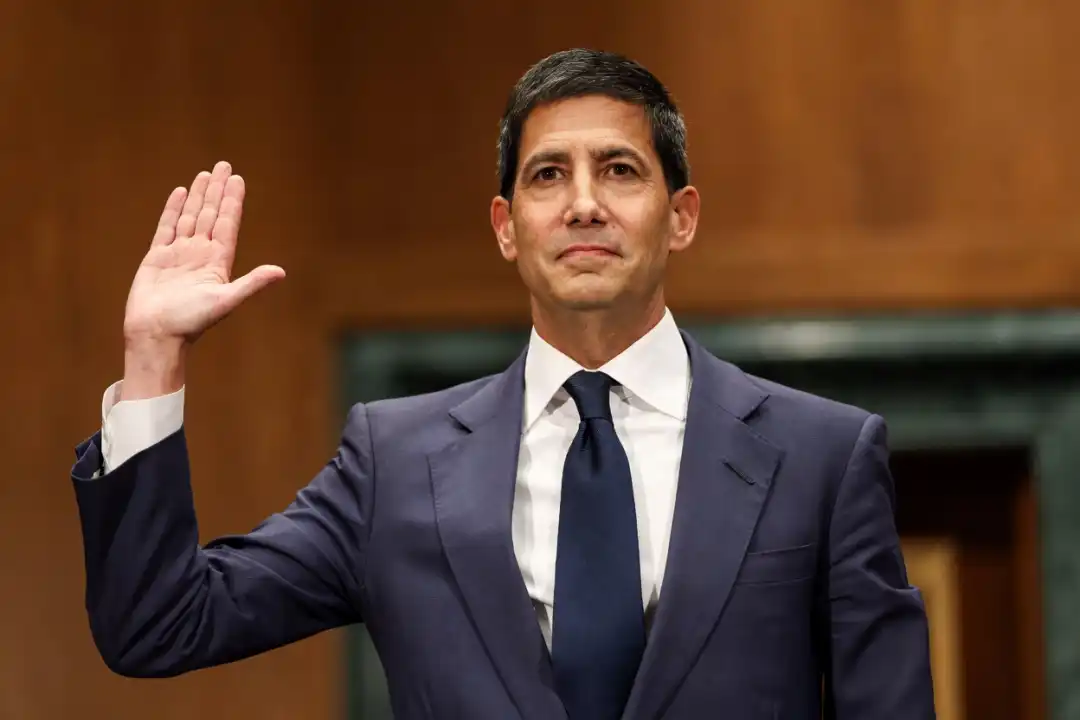
The Senate Banking Committee held a confirmation hearing for Judy Shelton, a Federal Reserve nominee, who faced intense questioning regarding her ability to maintain the central bank's independence amid pressure from President Trump to lower interest rates. Shelton denied any pre-arranged commitments on rate cuts and emphasized her independence, though Democrats remained skeptical, citing contradictions with Trump's public statements. Shelton characterized post-pandemic inflation as a major policy failure and called for a "regime change" in the Fed’s approach, including reforms to inflation measurement and communication strategies. She criticized the current practice of Fed officials frequently signaling future rate moves and did not commit to maintaining post-meeting press conferences, suggesting potential reductions in transparency. Regarding crypto markets, Shelton’s extensive investments in digital asset companies—including Solana, DeFi, and blockchain infrastructure—were noted, though she has pledged to divest these holdings due to ethics rules. Her familiarity with the crypto industry and deregulatory leanings may signal a more open, though cautious, stance toward digital assets. However, concerns were raised about potential conflicts of interest, especially given Trump family involvement in crypto-financial ventures. The timing of her confirmation remains uncertain, pending a Justice Department investigation into current Chair Powell. Shelton’s potential leadership could lead to a more hawkish, productivity-focused Fed with tighter policy communication—factors that may significantly influence liquidity conditions and macro narratives for crypto markets.

marsbit04/22 13:34

Warsh Hearing Concludes: What Are the Notable Signals for the Crypto Industry?

marsbit04/22 13:34

Hong Kong Web3 Carnival: The Watershed Moment for Web3 Entering the Execution Phase

The 2026 Hong Kong Web3 Carnival marked a significant shift from previous industry discussions, signaling that Web3 has moved beyond theoretical validation into a phase of institutional and structural implementation. Hong Kong is not merely building a "Web3 industry cluster" but developing an operating system for the next-generation financial infrastructure. Key developments include the expansion of asset tokenization beyond cryptocurrencies to encompass bonds, real estate, and future income rights. This transition represents a fundamental restructuring of financial logic—shifting from institution-dominated asset control to rule-driven, programmable asset流动性 and distribution. Tokenization enables lower-friction participation and broader access to financial resources. Concurrently, AI is evolving from a tool into an autonomous economic agent. The proposed Decentralized Agentic Economy (DAE) framework suggests AI agents, empowered by blockchain-based identity and programmable money, will independently execute transactions and strategies—redefining market dynamics and reducing intermediation. Regulatory progress has been systematic: Hong Kong has expanded oversight to include exchanges, custody, staking, and derivatives, while gradually approving products like tokenized funds and stablecoins. The "same risk, same regulation" principle, combined with sandbox mechanisms, provides stability and transparency—key advantages in a globally fragmented regulatory landscape. Hong Kong’s approach integrates three core elements: real-world asset (RWA) tokenization, stablecoin settlement networks, and AI-driven economic agents. This systemic build-up positions Hong Kong not just as a participant but as a potential rule-maker in the next-era financial system, where asset flow, rules, and participants are simultaneously transformed.

marsbit04/22 10:50

Hong Kong Web3 Carnival: The Watershed Moment for Web3 Entering the Execution Phase

marsbit04/22 10:50

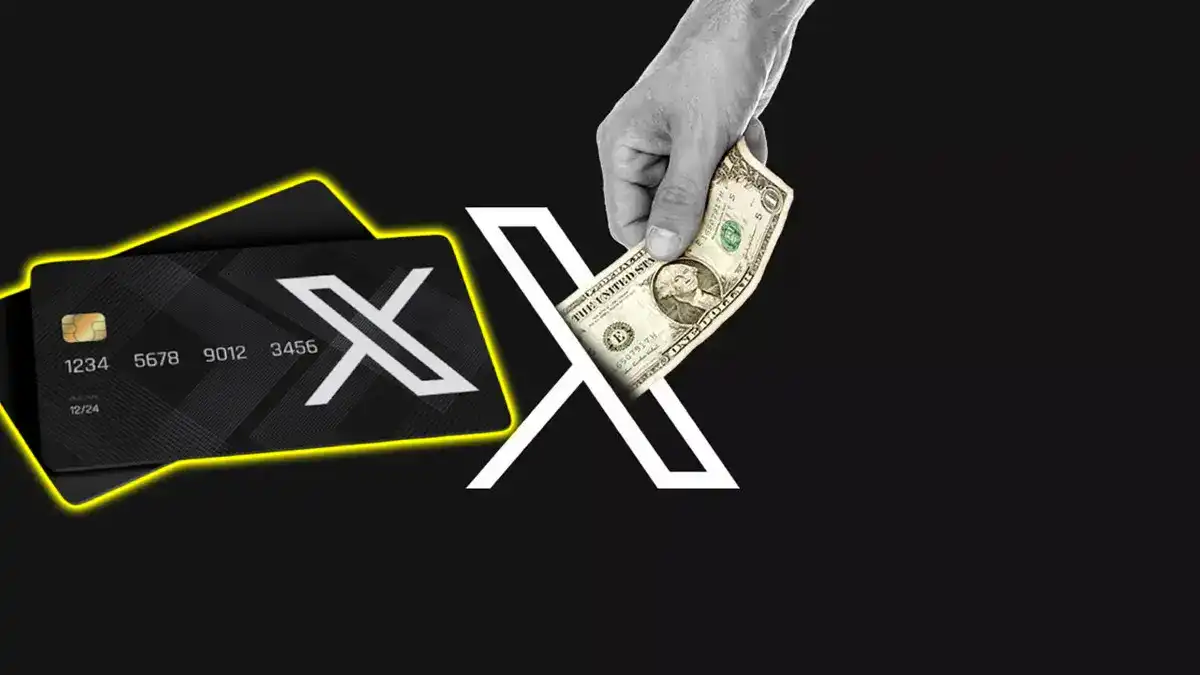
On the Eve of X Money's Launch, Musk Dismantles the Referee First

"X Money Launches After Dismantling Regulator: Musk's 9-Day Power Play" In February 2025, a team from the "Department of Government Efficiency" (DOGE), led by Elon Musk, entered the Consumer Financial Protection Bureau (CFPB) headquarters. Shortly after, the CFPB was effectively dismantled—its funding frozen, activities suspended, and nearly 90% of staff laid off. This move came just nine days after X announced a partnership with Visa and as X Money prepared to launch. The article contrasts this with the decade-long regulatory battles faced by companies like Coinbase and PayPal. Coinbase spent over $75 million in political contributions and endured a major SEC lawsuit to operate legally. PayPal complied with strict state and federal rules for its stablecoin PYUSD, including 100% reserve requirements and monthly audits. However, Musk’s approach was different. After the CFPB introduced a rule placing large digital payment apps under federal oversight, Musk tweeted "Delete CFPB." Within months, the rule was revoked by Congress. Meanwhile, DOGE operatives gained "god-tier" access to CFPB databases, potentially obtaining sensitive competitive information from rivals like Apple, Google, and PayPal. The article also highlights a "suspicious exemption clause" in the GENIUS Act, which allows private companies like X to issue stablecoins with fewer restrictions. Senator Elizabeth Warren questioned whether Musk, who was a senior presidential advisor during the Act’s drafting, influenced this clause. X Money offers a 6% APY on deposits, despite FDIC warnings that stablecoin users are not insured. As X Money launches to 600 million monthly users, the article questions the fairness of a system where Musk can bypass regulations that others spent years and millions to comply with. The dismantling of the CFPB and the alleged regulatory advantages raise concerns about the future of equitable rule-making in the U.S. financial system.

marsbit04/22 07:35

On the Eve of X Money's Launch, Musk Dismantles the Referee First

marsbit04/22 07:35

活动图片