Regulatory Policy

Focuses on global regulatory developments, policy changes, and compliance requirements. It provides in-depth analysis of government regulations and their impact on the cryptocurrency and blockchain industries, helping businesses and investors proactively manage policy-related risks.

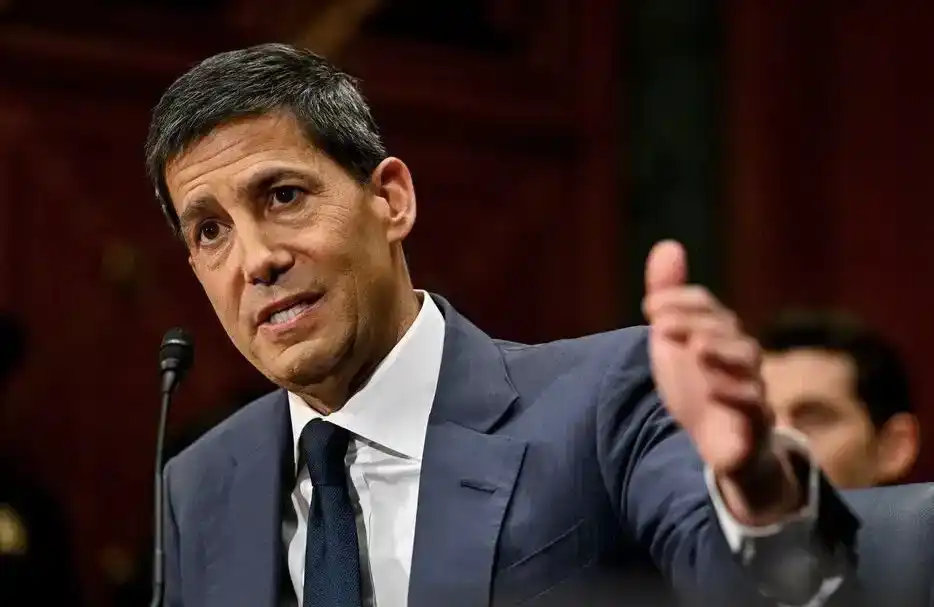
"Crypto Czar" Steps Down: 130-Day Political Performance Concludes, How Much of Trump's Crypto Promises Remain?

"Crypto Czar" David Sacks has stepped down after reaching the 130-day term limit for his special government role. Appointed by former President Trump in December 2024 to lead AI and crypto initiatives, Sacks was tasked with creating a clear regulatory framework for the cryptocurrency industry in the U.S. During his tenure, Sacks achieved several symbolic victories, including organizing the first-ever White House Crypto Summit, establishing a strategic Bitcoin reserve (using seized assets rather than new purchases), and facilitating the passage of the GENIUS Act, which provides a federal framework for stablecoins. However, the article argues that these accomplishments were largely performative. The crypto summit was criticized as a publicity event with little substantive policy discussion. The Bitcoin reserve did not involve new government purchases, failing to inject liquidity or strong endorsement into the market. Moreover, the more impactful CLARITY Act—intended to provide regulatory clarity for crypto markets—remains stalled in Congress, with recent drafts favoring traditional banks over crypto interests, causing concern in the industry. Sacks will continue as co-chair of the Presidential Council on Technology, focusing on AI policy, signaling a shift away from crypto advocacy. The piece concludes that Trump’s pro-crypto promises have resulted in political theater rather than meaningful, lasting regulatory progress.

Odaily星球日报03/27 09:27

"Crypto Czar" Steps Down: 130-Day Political Performance Concludes, How Much of Trump's Crypto Promises Remain?

Odaily星球日报03/27 09:27

Wikipedia Implements New Editing Rules: Vote Passes, Strictly Prohibits Using AI to Generate or Rewrite Article Content

On March 26, Wikipedia officially passed a new policy through a community vote that explicitly prohibits users from directly using AI to generate or rewrite article content. This decision reinforces the platform's commitment to content accuracy and human editorial control. The updated policy strengthens previous guidelines by moving from a recommendation against generating articles from scratch to a strict ban on using large language models (LLMs) for content creation or rewriting. The policy was approved overwhelmingly by volunteer editors, with a vote of 40 to 2, reflecting deep concerns within the community about AI-generated misinformation and inaccuracies. While AI tools are still permitted for suggesting basic edits, they must not introduce any unverified content. All AI-assisted contributions must undergo human review to prevent factual errors or hallucinations. This move highlights Wikipedia’s effort to balance technological efficiency with content integrity amid the growing use of generative AI across digital platforms. By clearly distinguishing between AI-assisted editing and AI-generated content, Wikipedia aims to preserve human-driven knowledge curation and prevent trust issues caused by automated content production. The decision sets a significant precedent for ethical knowledge management in the age of artificial intelligence.

marsbit03/27 01:08

Wikipedia Implements New Editing Rules: Vote Passes, Strictly Prohibits Using AI to Generate or Rewrite Article Content

marsbit03/27 01:08

UK targets crypto network behind Southeast Asia scam centres in first-of-its-kind sanctions move

The UK government has imposed first-of-its-kind sanctions on the cryptocurrency platform Xinbi for its role in enabling large-scale scam operations in Southeast Asia. Announced on March 26, the measures target a network providing crypto-based services to fraud centres, including the sale of stolen data and tools to target individuals. The action also focuses on individuals linked to a major scam compound in Cambodia, known as “#8 Park,” which can house up to 20,000 workers—many of whom are reportedly trafficked and forced to conduct scams. Authorities stated that Xinbi played a central role in facilitating payments and laundering proceeds from these illicit activities, which include romance frauds targeting global victims. The platform has also been associated with moving crypto assets connected to North Korea. This move is part of a broader crackdown that has already led to over £1 billion in asset freezes and seizures, following coordinated efforts with international partners like the US. The sanctions aim to isolate such platforms from the legitimate crypto ecosystem, disrupt financial channels, and freeze UK-based assets of sanctioned individuals. This action reflects a strategic shift toward targeting the financial infrastructure behind illicit operations, not just the perpetrators, signaling increased regulatory focus on crypto-enabled crime.

ambcrypto03/26 23:01

UK targets crypto network behind Southeast Asia scam centres in first-of-its-kind sanctions move

ambcrypto03/26 23:01

活动图片