Фонд Jito возвращается в США на фоне «более четких правил» для цифровых активов
Фонд Jito, некоммерческая организация, занимающаяся развитием платформы Jito, объявил о возвращении в США, ссылаясь на «более четкие правила» для цифровых активов в стране. Ранее фонд был вынужден работать за рубежом из-за так называемой «Операции Chokepoint 2.0», в ходе которой криптоиндустрия столкнулась с массовым закрытием банковских счетов. Соучредитель Jito Labs Лукас Брудер заявил, что банки отказывали им в обслуживании, а каждое бизнес-решение сопровождалось юридическими рисками.
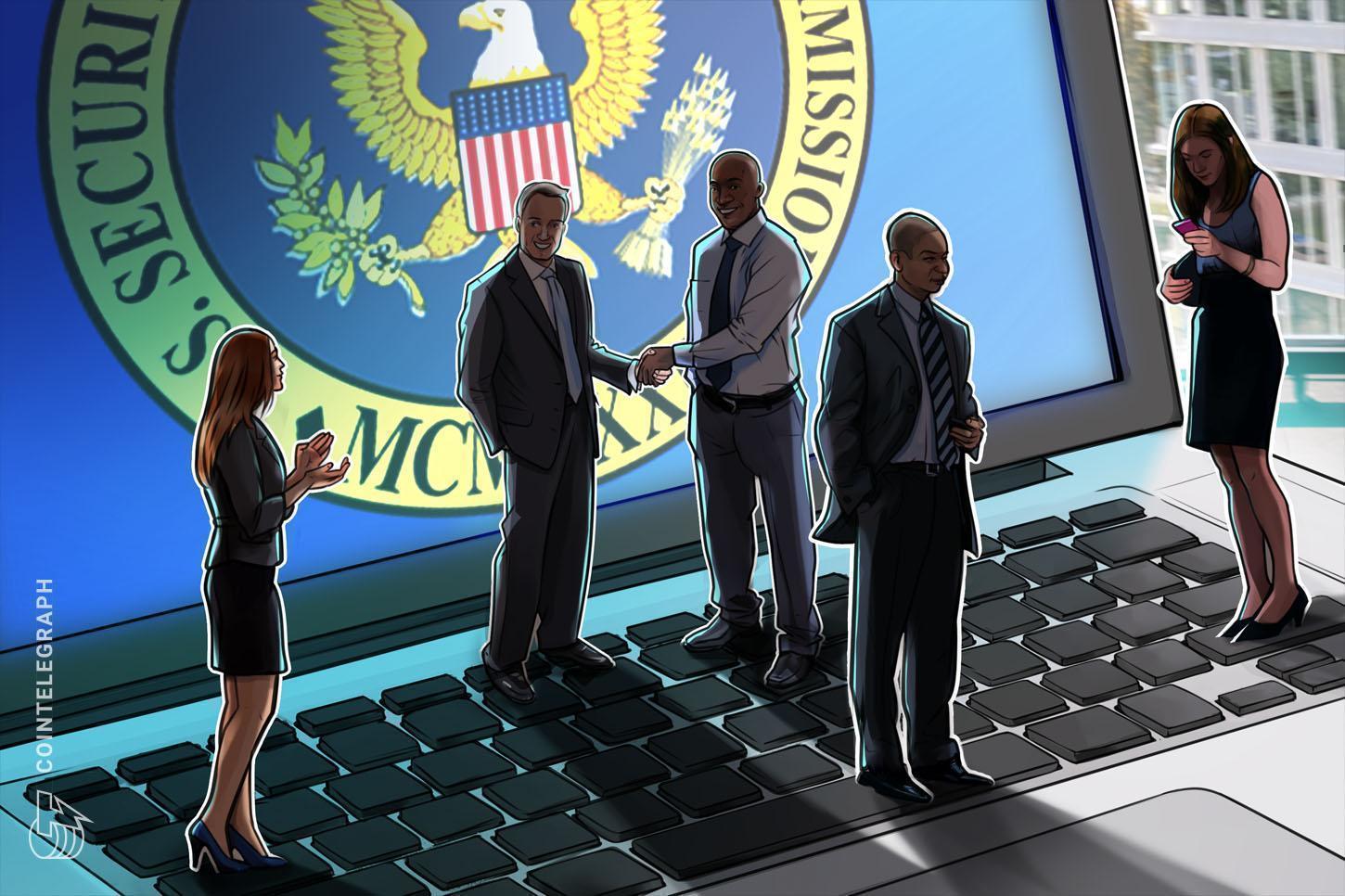
Решение о возвращении связано с недавними изменениями в регулировании, включая принятие закона о стейблкоинах GENIUS и работу над законом о структуре крипторынка. Это отражает сдвиг в регуляторной политике США, особенно в SEC, после президентских выборов 2024 года и назначения Пола Аткинса главой комиссии.
Несмотря на про-крипто администрацию, руководители индустрии, такие как CEO Strike Джек Маллерс, продолжают сообщать о случаях дебанкинга. В ноябре JPMorgan Chase закрыл его личный счет без объяснения причин. Партнер Andreessen Horowitz Алекс Рампелл также предупредил, что банки используют другие тактики, такие как завышенные комиссии или блокировка переводов на криптоплатформы.
cointelegraph12/17 21:52