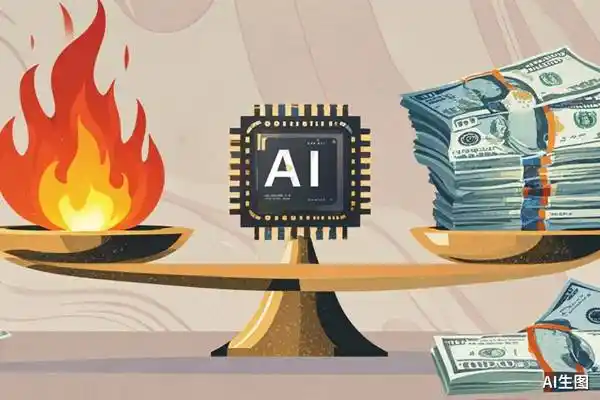
Huawei Cloud не участвует в ценовой войне за токены, Чжоу Юэфэн предлагает новый способ победы в AI-облаке
«Хуавей Облако не ведет ценовых войн за токены, Чжоу Юэфэн предлагает новый способ победы для ИИ-облака»
На конференции Huawei Cloud INSPIRE в 2026 году Чжоу Юэфэн, генеральный директор Huawei Cloud, заявил, что стратегический фокус компании смещен с гонки за объемами токенов и доходами на реальное повышение производительности для каждого токена. В отличие от других облачных провайдеров, таких как Alibaba Cloud и Volcano Engine, которые делают акцент на количестве вызовов и масштабе доходов от MaaS, Huawei Cloud выбирает иной путь в переполненном рынке ИИ-облаков.
Этот путь определяется тремя ключевыми отличиями:
1. **Собственная экосистема вычислений:** Huawei Cloud полагается на полностью отечественный стек аппаратного и программного обеспечения (Ascend, Kunpeng, CANN, openEuler), создавая «вторую плоскость вычислений» в дополнение к доминирующей экосистеме NVIDIA и публичных облаков.
2. **Фокус на государственном и промышленном секторе:** Вместо ориентации на потребительский трафик, Huawei Cloud концентрируется на правительственных, финансовых и государственных предприятиях, предлагая гибридные облачные решения с конфиденциальными вычислениями для баланса суверенитета данных и доступа к облачным мощностям.
3. **Открытая экосистема:** Компания активно развивает open-source (CANN, openEuler, CCE Volcano, ModelArts) и сотрудничает с ведущими разработчиками моделей, запуская инициативу «Сотни моделей, тысячи состояний — облако объединяет для победы».
Новая парадигма Huawei Cloud — **«Agentic Infra»** — переносит конкуренцию с продажи токенов на продажу производительности. Компания выпустила комплекс продуктов для развертывания агентов на предприятиях: кластер AI Computing Service (AICS), хранилище памяти AMS, механизм оркестрации CCE Volcano Next и платформу безопасности AgentSphere. Модель ModelArts Next переосмысливает MaaS, снижая стоимость вызовов на 20%.
Ключевым дифференциатором стали **отраслевые «фабрики мечты»** для ИИ: умное здравоохранение, воплощенный ИИ, умное производство и научные вычисления. Например, в здравоохранении платформа совместно с больницей Жуйцзинь позволяет распространять экспертные диагностические возможности на региональные больницы.
Таким образом, стратегия Huawei Cloud заключается в комбинации отечественных вычислений, открытой экосистемы, гибридного облака для госсектора и инфраструктуры для агентов, ориентированной на конкретные отрасли. Это более сложный путь, избегающий ценовых войн, но нацеленный на захват позиции фундаментальной инфраструктуры в будущем, когда ИИ-агенты станут реальной производительной силой в промышленности. Как отмечает Чжоу Юэфэн, Huawei Cloud создает не просто конкурентную экосистему, а жизнеспособную отечественную альтернативу, отвечающую будущим потребностям промышленного ИИ Китая.
marsbit06/06 05:48