Автор: Thejaswini M A
Перевод: Block unicorn
Я давно хотела неспешно прочитать книгу «Биткоин-стандарт» — от начала до конца, чтобы увидеть, как она повлияет на моё мышление. Она часто упоминается в контексте многих дискуссий о биткоине, её считают основополагающей работой. Люди говорят: «Как объяснил Сайфедин...», а потом понимаешь, что всё, на что они ссылаются, основано на каком-то меме или скриншоте обложки.
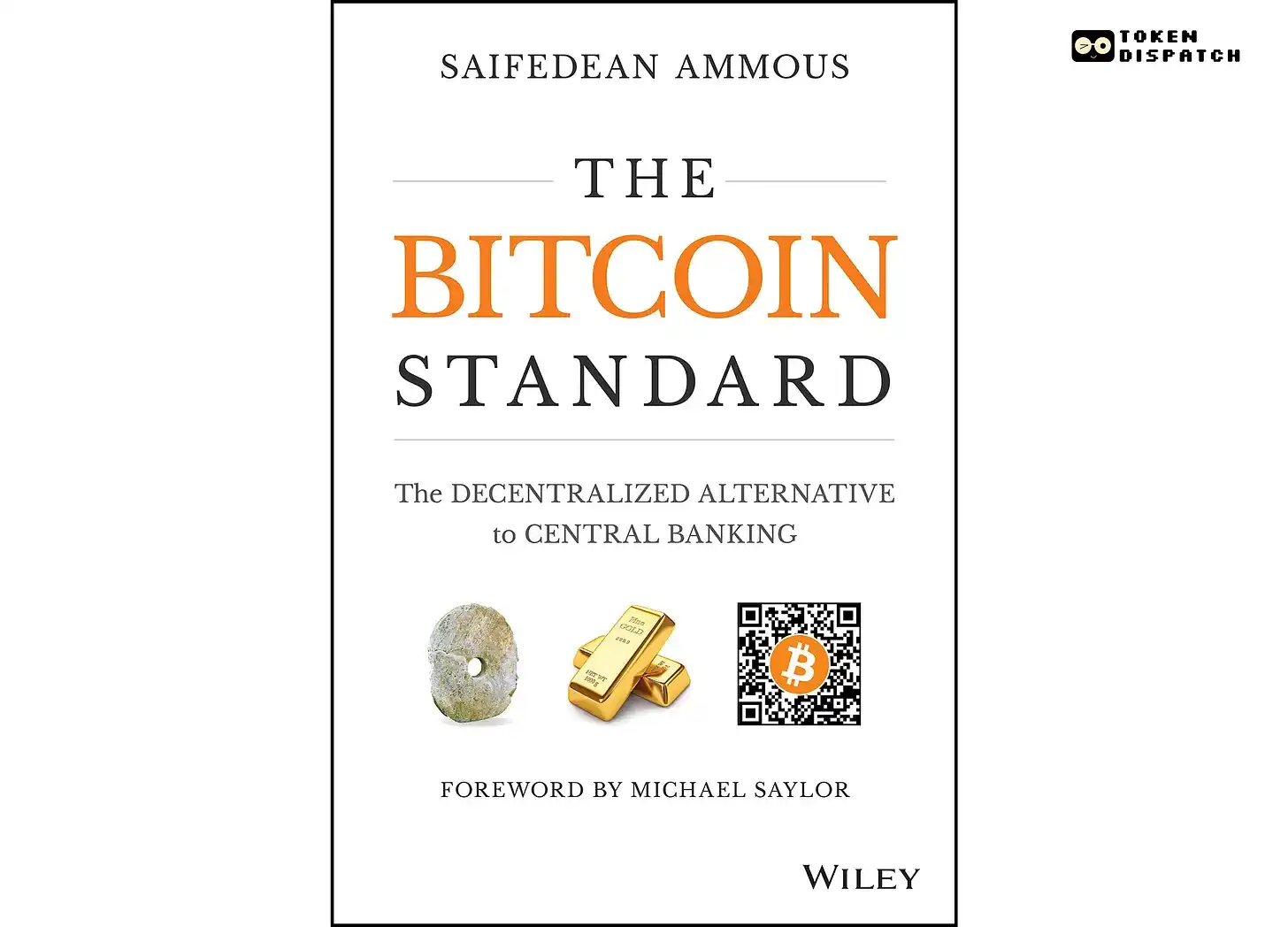
Поэтому я прочитаю эту книгу полностью, разбив на три части. Это первая часть.
Мы всё ещё в первых главах, ещё не дошли до полного этапа критики: «Фиатные деньги разрушили всё, от архитектуры до талии». Пока Сайфедин Амус закладывает основу, пытаясь убедить вас, что деньги — это технология, что некоторые формы денег «твёрже» других, и что история по сути — это процесс просеивания, в конечном итоге побеждают более твёрдые варианты. Если он сможет заставить вас понять это, то биткоин позже появится как «самая твёрдая валюта на сегодняшний день», и вы почувствуете, что это неизбежно.
Я ещё не полностью убеждена, но должна признать, что это хитрая структура.
Книга начинается с того, что снимает с денег романтический флёер, обнажая их суть. Это не «социальный договор» и не «продукт государства», а просто инструмент для передачи ценности в пространстве и времени, о котором людям не нужно слишком много думать каждый день.
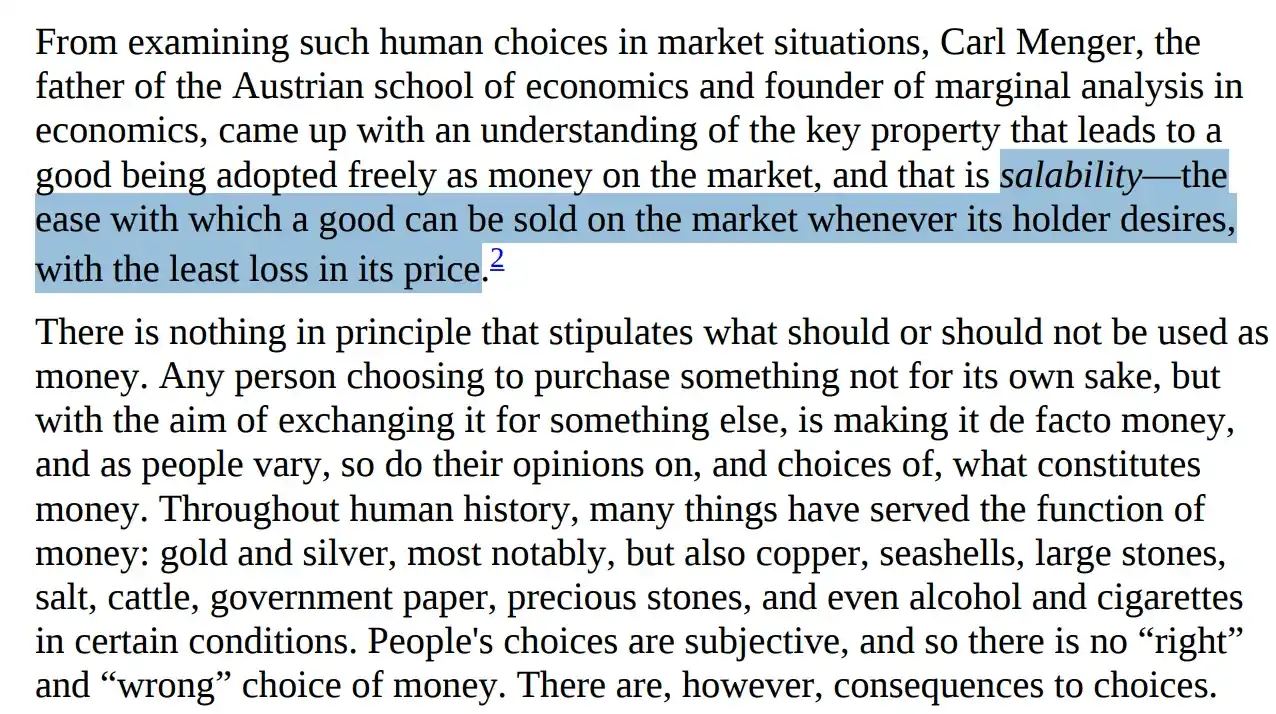
Амус постоянно подчёркивает концепцию «реализуемости» (Salability). Хороший денежный актив должен легко продаваться в любое время и в любом месте без огромных потерь. Чтобы быть реализуемым, он должен удовлетворять трём условиям: в пространстве — чтобы вы могли носить его с собой и обменивать на то, что вам нужно; во времени — чтобы он не портился и не обесценивался; в масштабе — чтобы его можно было использовать для любых целей, от чашки чая до дома, без калькулятора или огромного мешка мелочи.
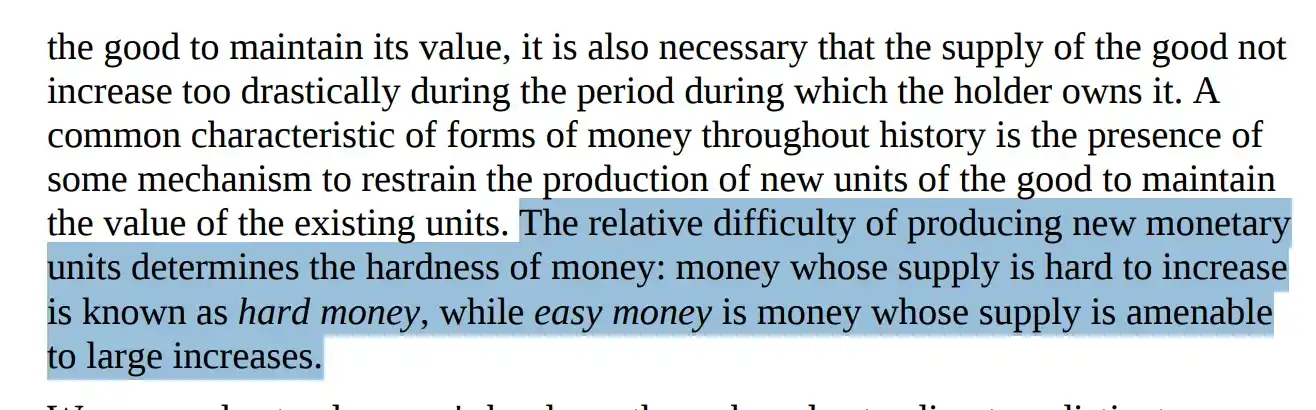
Затем появляется по-настоящему определяющее слово книги: твёрдость. Твёрдые деньги — это деньги, предложение которых трудно увеличить. Мягкие деньги легко напечатать. В этом суть. Основная логика проста: зачем вам вкладывать всю свою жизнь в то, что другие могут легко создать?
В каждом предложении чувствуется влияние австрийской экономической школы, но как только вы отбрасываете идеологию, книга оставляет вас с очень полезным вопросом: если я вкладываю свои сбережения в X, то насколько легко другим заработать больше X?
Как только вы посмотрите на свою жизнь через эту призму — будь то рупии, доллары, стейблкоины, биткоин или любая другая комбинация валют — становится трудно это игнорировать.
Установив эту структуру, книга проводит вас по небольшому «музею сломанных денег».
Первый экспонат — остров Яп и его райские камни (Rai Stones). Эти огромные круглые известняковые диски, некоторые весом до четырёх тонн, добывались на других островах и с огромным трудом доставлялись на Яп. Амус пишет, что на протяжении веков это удивительно эффективно работало. Эти камни были громоздкими, их трудно было перемещать или красть. Каждый в деревне знал, какой камень кому принадлежит. Оплата осуществлялась путём объявления смены владельца сообществу. Эти камни «легко продавались в любой точке острова», потому что они были известны везде на острове; они также выдерживали испытание временем, поскольку стоимость добычи новых камней была чрезвычайно высока, так что существующие запасы «всегда были намного больше, чем новое предложение, которое можно было произвести в конкретный период... Соотношение запасов и потока райских камней было очень высоким.»

Затем появились технологии.
В 1871 году ирландско-американский капитан по имени Дэвид О'Киф потерпел кораблекрушение у острова Яп. После выздоровления он уехал, а затем вернулся с большим кораблём и взрывчаткой, осознав, что с помощью современных инструментов можно добывать райские камни в больших количествах. Жители деревни разделились во мнениях. Вождь считал, что добытые им камни «слишком легки», запретил их добычу и настаивал, что только традиционные камни имеют значение. Другие не согласились и начали добывать вновь обнаруженные камни. Возник конфликт. Использование этих камней в качестве денег постепенно сошло на нет. Сегодня они в основном используются в ритуальных целях.
Это лаконичная, возможно, слишком лаконичная притча. Но она иллюстрирует важный момент: как только денежный товар теряет свою твёрдость (как только кто-то может дешёво производить его в больших количествах), те, кто держал этот товар, в конечном итоге субсидируют поздних пришельцев.
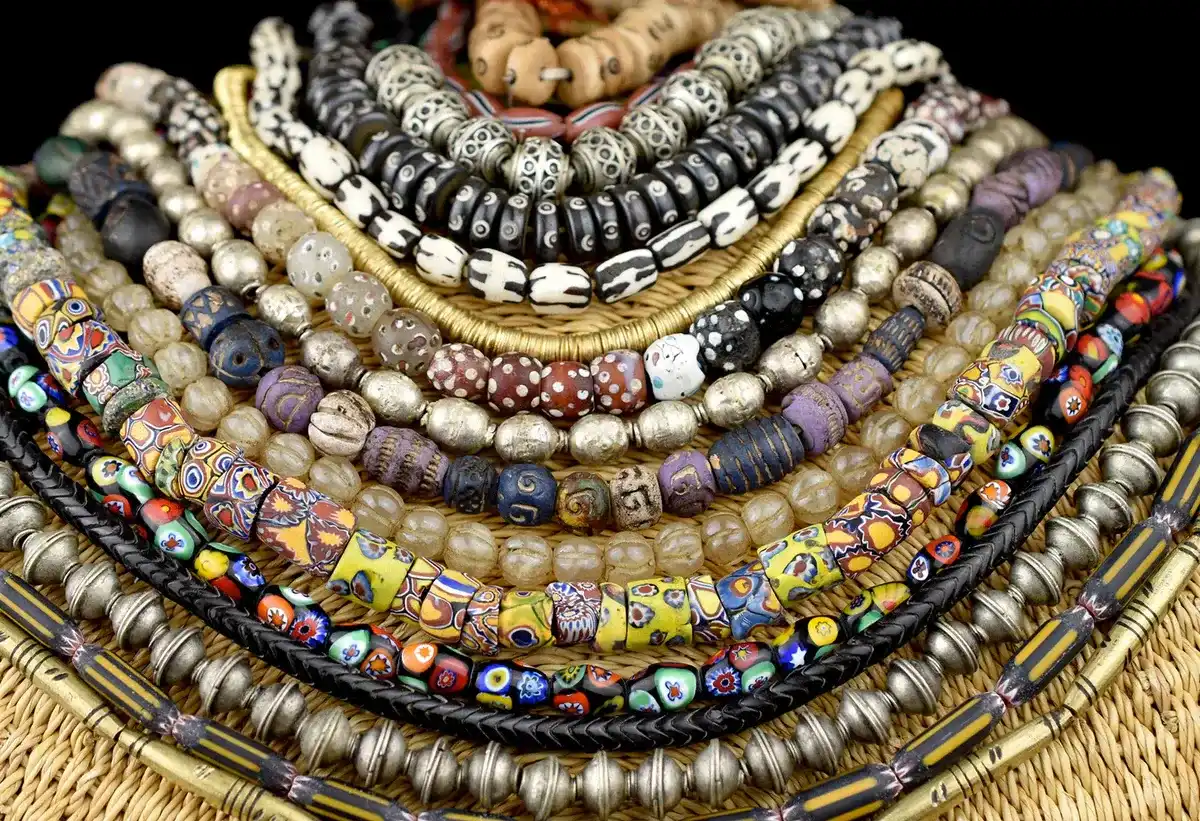
Бусины и ракушки следовали той же модели. Агри-бусины (Aggry Beads) в Западной Африке были ценными, потому что они были редкими и трудоёмкими в изготовлении. Позже европейские торговцы начали массово импортировать эти бусины со стекольных заводов. Амус описывает, как этот импорт «медленно, но верно» превратил их из «твёрдых денег» в «дешёвые деньги», «подорвал их реализуемость и привёл к снижению покупательной способности этих бусин у африканских владельцев с течением времени, в конечном итоге ввергнув их в бедность, поскольку их богатство перешло к европейцам, которые теперь могли легко получить эти бусины.»
Морские раковины и вампум (wampum) прошли схожий путь. Изначально они были редкими твёрдыми деньгами, их было трудно добыть, с высоким соотношением запасов к потоку. Позже, с появлением промышленных судов, «их предложение резко расширилось, что привело к падению их стоимости и потере обращаемости с течением времени», и к 1661 году они потеряли статус законного платёжного средства.
Вы снова и снова будете встречать истории о крупном рогатом скоте, соли, счётных палочках и сигаретах в лагерях для военнопленных. Каждая история делает одно и то же: тренирует вашу интуицию, заставляя думать, что если предложение новых единиц может внезапно резко увеличиться с чрезвычайно низкими затратами, то сбережения, хранящиеся у вкладчиков, по сути, являются пожертвованием.
Вы можете критиковать эти исторические повествования за излишнюю аккуратность. В этих маленьких историях почти нет места насилию, политике или культуре. Каждый ведёт себя как рациональный экономический субъект с феноменальной памятью. Но как средство, чтобы заставить вас усомниться в легко печатаемых деньгах, это эффективно.
Когда вы окончательно напуганы ракушками и бусинами, появляются металлы как зрелое решение.
Металлы решили многие проблемы реализуемости. Они не портятся, как зерно. Они более портативны, чем гигантские камни. Их можно отливать в стандартные монеты, что облегчает ценообразование и учёт. Со временем золото и серебро в конечном итоге победили, потому что их сложнее всего подвергнуть инфляции. Годовой объём добычи увеличивает существующие запасы лишь на небольшую долю, поэтому ни один отдельный рудник не может обесценить сбережения всех.
Так началась долгая эра металлических денег, а позже и бумажных денег, обеспеченных золотом. Книга не вдаётся в подробности. Её цель — дать вам почувствовать, что как только человечество открыло золото, оно нашло деньги, близкие к совершенству: портативные, долговечные, делимые и, что самое главное, дорогие в производстве.
Позже вы поймёте, как это закладывает основу для появления биткоина. Если вы полностью принимаете утверждение, что «в условиях тогдашней физики и металлургии золото было лучшим веществом, которое мы могли сделать», то «биткоин — это цифровое золото с большей твёрдостью» звучит вполне логично.
Меня заинтересовало то, что в этой части золото представлено не как мистический предмет, а как практическое решение, обходящее физические ограничения. Если представить древние общества как постоянно пытающиеся ответить на вопрос: «Как нам сохранить урожай или результаты плавания в форме, которая переживёт нас?», то золото представляется относительно умным, хотя и не идеальным, но разумным ответом.
Эта структура также работает на пользу биткоину. Это уже не «волшебные интернет-камни», а «ещё одна попытка решить ту же проблему новыми инструментами».
В книге ещё не дошли до этого, но вы чувствуете, как строится взлётно-посадочная полоса.
Затем на сцену выходят государственные деньги как главный злодей.
До сих пор крах денег происходил из-за внешних факторов. Появлялись новые технологии, ломавшие жёсткость денежной системы, и вкладчики теряли всё. А теперь злодей пришёл изнутри: правительства и центральные банки, обладающие законным правом печатать деньги без какой-либо поддержки в виде稀缺ного товара.
В этой версии фиатные деньги — это то, что произошло, когда правительства осознали, что могут полностью отделить денежные символы от реальных активов. Они сохранили денежную единицу, но убрали ограничения. Правительства сказали людям, что их бумажные деньги имеют ценность, потому что так предписывает закон, потому что налоги должны уплачиваться бумажными деньгами, а не потому, что они чем-либо обеспечены.
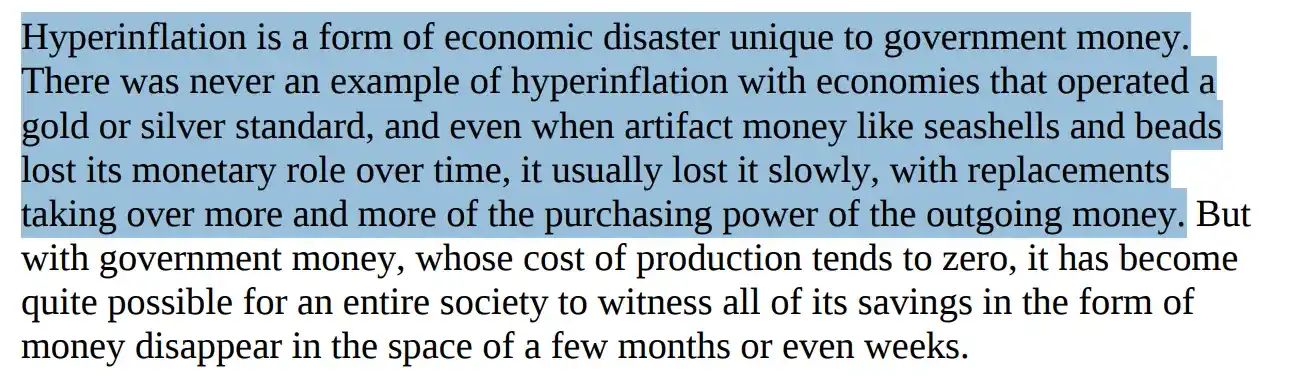
При золотом или серебряном стандарте деньги можно было девальвировать или снижать их пробу, но не было зимбабвийских коллапсов, когда зарплаты превращаются в ничто за месяцы. Но при фиатной системе это возможно. И некоторые правительства делали это снова и снова.
Амус тратит много времени на объяснение социальных последствий этого явления. Чтобы выжить, людям приходилось распродавать капитал, производственная деятельность подрывалась. Долгосрочные контракты рушились из-за отсутствия доверия. Политический экстремизм процветал на почве гнева и хаоса. Веймарская Германия — хрестоматийный пример. Крах денег был лишь предвестником худшего.
То, что большинство фиатных валют со временем обесцениваются по отношению к физическим товарам, не является ошибкой. В некотором смысле, так задумано денежной системой.
То место, где у меня в голове начали возникать вопросы к этой книге, — это не факты, а её нарративная структура. Почти все пороки общества приписываются фиатной денежной системе. Центральные банки изображены почти исключительно как инструмент скрытого налогообложения вкладчиков в пользу заёмщиков. Любые преимущества наличия гибкого кредитора последней инстанции легкомысленно сводятся к «но они будут злоупотреблять этим», что, конечно, справедливо, но это не единственный вопрос, на который должно ответить общество.
Даже если вам не нравятся центральные банки, утверждение, что «с того момента, как мы отказались от полного металлического стандарта, весь двадцатый век был ошибкой», кажется немного чрезмерным.
Что произвело на меня впечатление
Итак, какой практический смысл для меня имеет первая часть, помимо добавления в мою ленту большего количества цитат из классиков, на которые стоит обратить внимание?
Как это ни странно, это не укрепило мою уверенность в биткоине. Это просто прояснило вопрос, который я раньше не задавала достаточно внимательно.
Я редко смотрю на свои деньги так, как это делает Амус. Я думаю о рисках и доходности, о волатильности, о том, сколько времени я готова потратить на криптовалюты, а не на скучные, обыденные вещи. Я не сажусь систематически и не изучаю тщательно, кто может напечатать сколько из каждой криптовалюты, с которой я имею дело, и по каким правилам.
Потом я вижу график от Bloomberg, где индекс S&P 500 указан не в долларах, а в золоте. Это так нечестно. В пересчёте на золото американский фондовый рынок вернулся к уровням более чем десятилетней давности, к периоду после глобального финансового кризиса. Все эти исторические максимумы в долларах, вся послепандемийная лихорадка — всё это превратилось в шумную рябь на плоской линии.
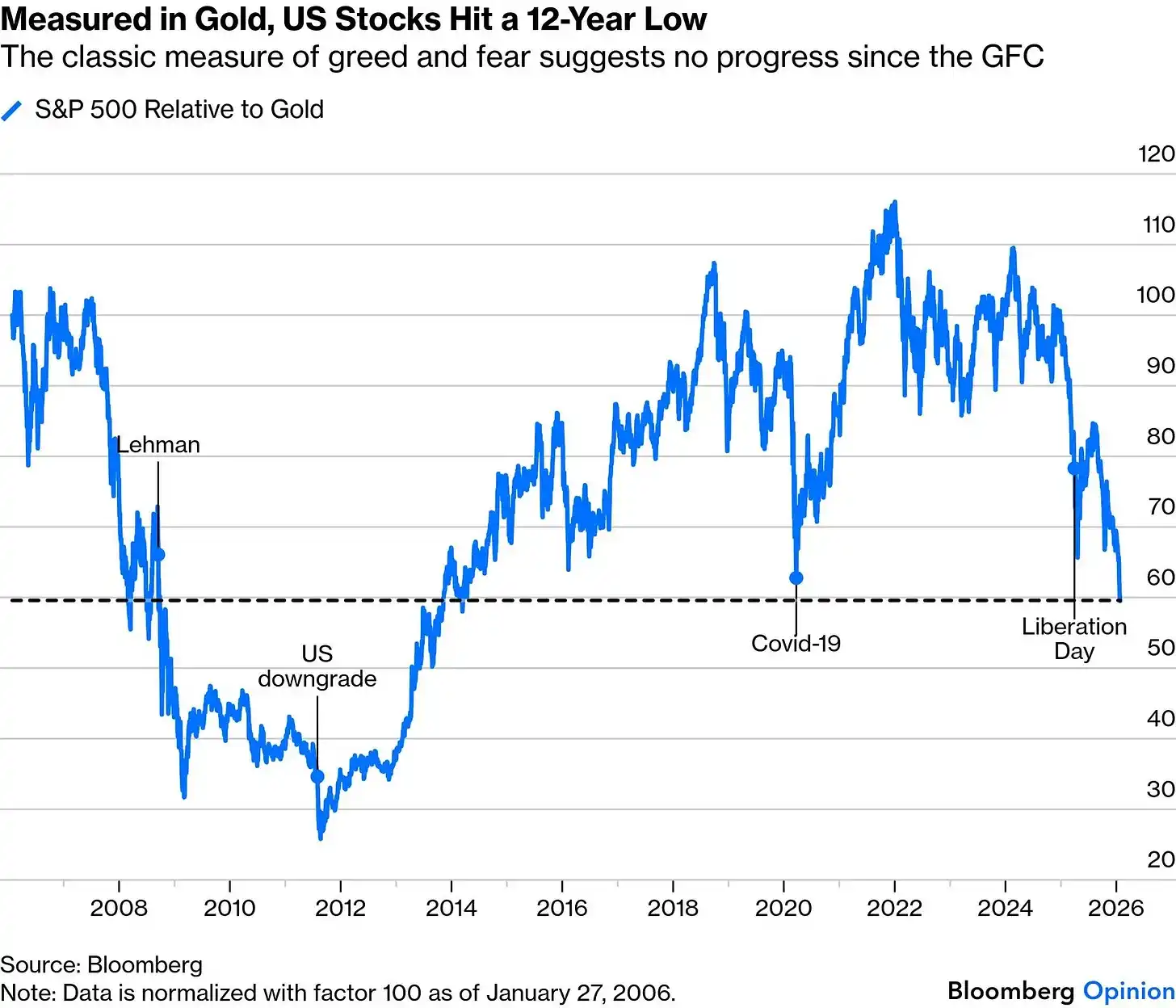
Как только вы это понимаете, трудно игнорировать простую истину, которую постоянно подчёркивает Амус: производительность всегда «в сравнении с чем?». Если ваша базовая единица медленно обесценивается, даже если ваш индекс достигает новых высот, в более твёрдых единицах ваши результаты могут оставаться на месте.
Я осознаю, что в книге многое упущено. В ней почти не рассматривается серьёзно кредит как социальный инструмент, не упоминается, что государства не только разрушают деньги, но и создают правовую и военную среду, позволяющую рынкам расти. В ней также глубоко не исследуется идея о том, что некоторые группы могут пожертвовать некоторой экономической мощью ради получения большего пространства для манёвра перед лицом потрясений. Все вопросы вращаются вокруг одного ядра: размываются ли интересы вкладчиков?
Возможно, в этом и есть суть. Это полемическое эссе, а не учебник. Но я не хочу притворяться, что это вся правда.
Пока я смотрю на это как на перспективу, а не как на веру. Всякий раз, когда я вижу балансы центральных банков, новые планы выпуска облигаций второго уровня или какие-нибудь «стабильные» продукты, обещающие 18% доходности в долларах, у меня в голове звучит саифединовский голос: насколько твёрда эта валюта? И сколько уже людей, подобных О'Кифу, спустились на воду со взрывчаткой?
Сейчас я просто хочу помнить одно: деньги хранят наши будущие возможности. Внимательно выбирайте денежную единицу и будьте настороже с теми, кто может печатать больше, чем вы зарабатываете.





















