В тихое воскресное утро кто-то превратил 100 000 долларов в 25 миллионов долларов примерно за 17 минут.
Целью был протокол стейблкоинов с доходностью Resolv. До того как Resolv приостановил контракт, его стейблкоин USR, привязанный к доллару, упал до нескольких центов. На момент написания этой статьи USR все еще сильно отклонился от привязки, торгуясь примерно по 0,25 доллара, потеряв более 70% на этой неделе.
Ударная волна вышла далеко за пределы самого Resolv. Fluid/Instadapp поглотили более 10 миллионов долларов плохих долгов за один день, в тот же день столкнувшись с чистым оттоком более чем на 300 миллионов долларов, что стало рекордным дневным оттоком в их истории. Были затронуты 15 хранилищ Morpho. Euler, Venus, Lista DAO и Inverse Finance последовательно приостановили работу рынков, связанных с USR.
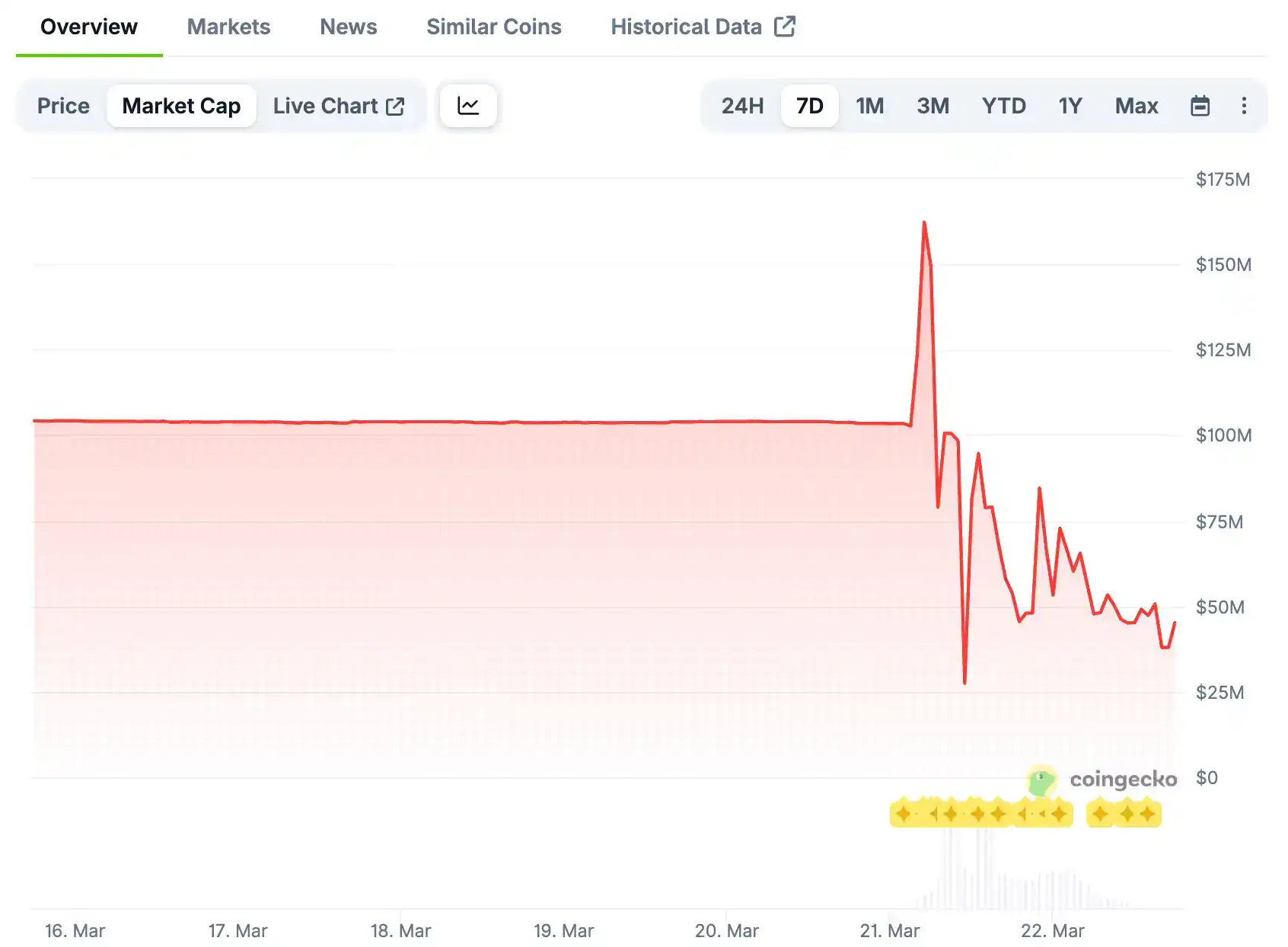
Механизм, который позволил распространиться убыткам от этой уязвимости — оценка отклонившегося от привязки стейблкоина по цене 1 доллар на рынках кредитования — не является чем-то новым. За последние 14 месяцев это происходило как минимум четыре раза.
Как работает уязвимость
Выпуск USR следует двухэтапному внецепному процессу: пользователи вносят USDC через функцию `requestSwap`, а привилегированный внецепочечный ключ подписи `SERVICE_ROLE` затем через `completeSwap` окончательно определяет количество выпускаемого USR.
В контракте установлено ограничение на минимальный вывод, но нет ограничения на максимальный. Контракт выполняет то, что подписывает держатель ключа.
Злоумышленник получил доступ к этому ключу через службу управления ключами AWS Resolv. Они внесли два депозита USDC на общую сумму около 100–200 тысяч долларов, а затем использовали украденный ключ для авторизации чеканки 80 миллионов USR в качестве вознаграждения. Данные в блокчейне показывают две транзакции на 50 миллионов USR и 30 миллионов USR, выполненные в течение нескольких минут.
«Уязвимость Resolv USR — это не баг — это функция, работающая так, как задумано. В этом и проблема», — заявил ончейн-аналитик Вадим (@zacodil).
SERVICE_ROLE — это обычный внешний аккаунт (EOA), а не мультисиг. Ключ администратора защищен мультисигом, а ключ для чеканки — нет.
«Resolv прошел 18 аудитов, — говорит Вадим, — и в одном из обнаружений прямо указано «Отсутствие ограничения на максимум».
Злоумышленник методично выходил из позиции: сначала конвертировал отчеканенные USR в wstUSR (версия с стейкингом и обертыванием), чтобы смягчить рыночный шок, а затем обменял их на ETH через Curve, Uniswap и KyberSwap. На кошельке злоумышленника осталось около 11400 ETH (примерно 24 миллиона долларов). Пулы залогового обеспечения ETH и BTC, поддерживающие всю систему, остались нетронутыми, пока стейблкоин рушился.
Как распространилось заражение
Уязвимость Resolv фактически представляет собой два события, наложившихся друг на друга. Первое — это уязвимость чеканки, второе — каскадный отказ рынков кредитования.
Когда USR и wstUSR рухнули, перед каждым рынком кредитования, принимавшим их в качестве залога, встала одна и та же проблема: их оракулы по-прежнему оценивали wstUSR близко к 1 доллару.
Основатель аналитической компании Chaos Labs Омер Голдберг описал этот механизм. Его ключевой вывод: «Оракул был жестко запрограммирован, поэтому никогда не переоценивался. wstUSR был оценен в 1,13 доллара, в то время как на вторичном рынке он торговался примерно по 0,63 доллара».
Трейдеры скупали wstUSR по низкой цене на открытом рынке, затем использовали его в качестве залога по цене оракула 1,13 доллара на Morpho или Fluid, брали взаймы USDC и уходили.
В Fluid команда организовала краткосрочные займы, чтобы покрыть 100% плохих долгов, и пообещала полную компенсацию каждому пользователю. В Morpho соучредитель Поль Фрамбо сообщил, что около 15 хранилищ имели значительный объем exposure, все они находились в высокорискованных стратегиях с длинным хвостом залога.
Известный куратор Gauntlet заявил, что «несколько высокодоходных хранилищ имеют ограниченный exposure».
Но D2 Finance прямо оспорил это утверждение, опубликовав данные в блокчейне, которые показали, что флагманское «USDC Core хранилище» Gauntlet разместило 4,95 миллиона долларов на рынке wstUSR/USDC. Голдберг позже заявил, что хранилища Gauntlet составляли 98% ликвидности кредиторов на этом рынке.
Фрамбо в письменном ответе The Defiant заявил: «Мы постоянно работаем над тем, как более полно представлять различные риски. Однако мы не считаем, что основная проблема здесь — это отсутствие маркировки».
Фрамбо добавил: «Morpho не зависит от оракулов, что означает, что он позволяет кураторам выбирать любой оракул, который они считают наиболее подходящим для конкретного рынка. Morpho — это открытая, беспермисионная инфраструктура, разработанная для аутсорсинга управления рисками кураторам».
«Трудно обеспечить объективно «правильные» защитные механизмы во всех сценариях, — говорит Фрамбо, — Наложение ограничений на уровне протокола также рискует помешать реализации законных стратегий».
Хотя базовый протокол оставляет управление рисками на усмотрение кураторов, некоторые представители индустрии считают, что кураторы не справляются со своими обязанностями.
«Я считаю, что индустрия кураторов имеет flawed design, потому что никакого реального курирования на самом деле не происходит», — написал Марк Зеллер в X.
На момент публикации Resolv, Gauntlet и Fluid не ответили на запросы The Defiant о комментариях.
Повторяющаяся модель неудачи
Это не новая атака. В январе 2025 года USD0++ от Usual Protocol был жестко запрограммирован куратором MEV Capital на значение 1 доллар в хранилищах Morpho.
Затем Usual без какого-либо предупреждения внезапно скорректировал минимальную цену выкупа до 0,87 доллара, в результате чего кредиторы оказались заблокированы в хранилище MEV Capital, утилизация которого взлетела до 100%.
В ноябре 2025 года рухнул xUSD от Stream Finance, после того как куратор направил депозиты USDC в leverage loops, подкрепленные этим синтетическим стейблкоином. Когда его оракул отказался обновляться, под угрозой оказались активы на сумму от 285 до 700 миллионов долларов в Morpho, Euler и Silo.
Moonwell столкнулся с двумя отказами оракулов подряд в октябре и ноябре 2025 года, что в совокупности привело к образованию более 5 миллионов долларов плохих долгов.
Что это означает для модели кураторов
Архитектура Morpho передает все решения по рискам на аутсорсинг третьим сторонам — «кураторам», которые строят хранилища, выбирают залог, устанавливают коэффициенты loan-to-value и выбирают оракулы. Теория гласит, что профессиональные учреждения обладают более глубокими знаниями, конкуренция приводит к лучшему управлению рисками, а протокол отвечает за выполнение правил.
Но кураторы зарабатывают комиссионные на основе генерируемой доходности, что создает стимул принимать более рискованный, высокодоходный залог (например, стейблкоины с доходностью). Проблема в том, что когда эти стейблкоины отключаются от привязки, убытки несут вкладчики, а не кураторы.
В случае с Resolv некоторые автоматизированные боты кураторов продолжали вливать средства в пострадавшие хранилища в течение нескольких часов после эксплуатации уязвимости, усугубляя убытки.
Причина использования жестко запрограммированных оракулов для стейблкоинов с доходностью — предотвращение ненужных ликвидаций из-за краткосрочной волатильности. Но эта защита работает только в том случае, если стейблкоин остается стабильным.
Ончейн-аналитическая компания Chainalysis в своем постфактумном анализе заявила о необходимости наличия возможностей обнаружения в реальном времени в блокчейне.
«Ончейн-смарт-контракты работали абсолютно нормально. Проблема явно заключалась в более широком системном дизайне и внецепной инфраструктуре», — заявила аналитическая компания.