Оригинал: Arthur Hayes
Перевод: Yuliya, PANews
Можно представить себе видеозвонок между президентом США Дональдом Трампом и президентом Венесуэлы Пепе Мадуро (Pepe Maduro), в то время как Мадуро летел из Каракаса в Нью-Йорк.
Трамп: «Пепе Мадуро, ты настоящий негодяй. Нефть твоей страны теперь моя, да здравствуют США!»
Пепе Мадуро: «Трамп, ты сумасшедший!»
*Прим.: Артур Хейс в статье обращается к президенту Венесуэлы как к «Пепе Мадуро» (Pepe Maduro), а не по его настоящему имени Николас Мадуро (Nicolás Maduro). «Pepe» — это распространенное прозвище для «Хосе» (José) в испанском языке, хотя имя Мадуро — Николас (Nicolás).
Этому историческому, подрывному, авторитарному, милитаризованному событию — «похищению» или «законному аресту» США лидера суверенного государства — можно давать различные позитивные или негативные оценки. Бесчисленные авторы с поддержкой ИИ, несомненно, состряпают многословные статьи, анализирующие эти события и предсказывающие будущее. Они будут оценивать эти действия с моральной точки зрения и советовать, как другим странам следует реагировать. Но цель данной статьи не в этом, ключевой вопрос только один: приведет ли «колонизация» Венесуэлы США к росту или падению цены Биткойна/криптовалют?
Единственный закон политики: переизбрание
Чтобы ответить на этот вопрос, мы должны понять простую и суровую политическую реальность: все избранные политики в любое время сосредоточены только на одном — победе на перевыборах. Все грандиозные нарративы о Боге, стране и т.д. отходят на второй план после получения голосов. Поскольку без власти нельзя ничего изменить, в некотором роде такая одержимость переизбранием рациональна.
Для Трампа crucialны два вида выборов: промежуточные выборы 2026 года и президентские выборы 2028 года. Хотя ему самому не нужно баллотироваться в 2026 году и он не может баллотироваться на третий президентский срок в 2028 году, лояльность и покорность его политических сторонников зависят от их собственных перспектив переизбрания. Те, кто отворачивается от лагеря «Сделаем Америку снова великой» (MAGA), делают это потому, что считают свои будущие шансы на избрание мрачными, если продолжать следовать указаниям Трампа.
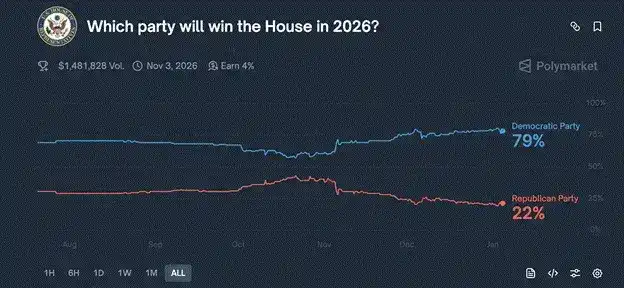
Итак, как Трамп может гарантировать, что неопределившиеся избиратели, которые еще не решили поддержать ли демократов (синие) или республиканцев (красные), отдадут «правильный» голос в ноябре 2026 года и в 2028 году?
На данный момент, скорее всего, синие демократы вернут себе Палату представителей. Чтобы стать победителем, Трамп должен действовать немедленно. Времени на корректировку политики для изменения мнения избирателей остается мало.
Что волнует избирателей? Экономика, особенно цены на нефть
Итак, как угодить неопределившимся избирателям? Все эти пестрые культурные войны ничего не стоят перед кошельком избирателя. Избирателей волнует только экономика, чувствуют ли они себя богатыми или бедными в момент голосования.
Для Трампа самый простой способ стимулировать экономику — это запустить печатный станок, поднимая номинальный ВВП. Это заставляет цены на финансовые активы расти, угождая классу богатых, которые «отблагодарят» его竞选捐款ами. Однако, в США голосуют один человек — один голос, и если печатание денег приведет к серьезной инфляции, стоимость жизни простых людей взлетит, и они используют свои голоса, чтобы сместить правящую партию.
Трамп и министр финансов США Бесант заявляли, что они заставят экономику работать на полную катушку. Вопрос в том, как они будут сдерживать инфляцию? Та инфляция, которая погубит шансы на переизбрание, — это инфляция в сфере продовольствия и энергетики.
Для обычного американца самым чувствительным показателем инфляции является цена на бензин. Поскольку система общественного транспорта в США отсталая, почти все водят машину, и цена на нефть напрямую влияет на стоимость жизни каждого.
Таким образом, Трамп и его приспешники «колонизировали» Венесуэлу ради ее нефти.
Говоря о нефти Венесуэлы, многие быстро указывают на то, что страна обладает крупнейшими в мире разведанными запасами. Но сколько нефти находится под землей, не важно, вопрос в том, можно ли добывать ее рентабельным способом? Трамп, очевидно, верит, что, разрабатывая нефтяные ресурсы Венесуэлы, можно поставлять нефть на нефтеперерабатывающие заводы Мексиканского залива, а дешевый бензин успокоит население, сдерживая энергетическую инфляцию.
Правильна ли эта стратегия, покажут рынки нефти WTI и Brent. По мере роста номинального ВВП и предложения долларового кредита, будут ли цены на нефть расти или падать? Если ВВП и цены на нефть растут синхронно, победят синие демократы; если ВВП растет, а цены на нефть остаются неизменными или падают, победят красные республиканцы.
Лучшее в этой框架 то, что цены на нефть будут отражать все реакции других нефтедобывающих стран и военных держав (самые важные — Саудовская Аравия, Россия и Китай) на «колонизацию» Венесуэлы США. Другое преимущество в том, что рынок рефлексивен. Мы знаем, что Трамп будет корректировать политику based on цены акций, казначейских облигаций США и цены на нефть. Пока цены акций продолжают расти, а нефть остается на низком уровне, он будет продолжать печатать деньги и проводить «колониальную» политику для получения нефти. Как инвесторы, мы можем реагировать в том же временном框架, что и Трамп, это лучшее, на что мы можем надеяться. Это reduces необходимость предсказывать результаты сложной геополитической системы. Трейдеру достаточно читать графики и адаптироваться к обстоятельствам.
Вот некоторые данные графиков и статистический анализ, которые ясно показывают, почему Трамп должен поднимать номинальный ВВП, одновременно подавляя цены на нефть, чтобы выиграть выборы:
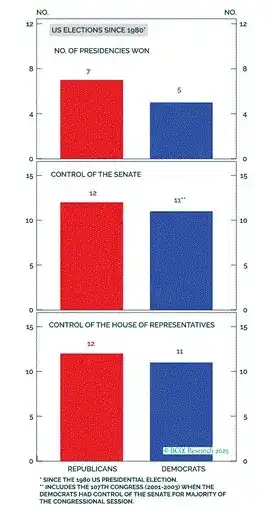
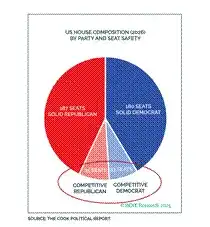
- Политический ландшафт: Красные и синие находятся в равновесии, лишь небольшая часть американцев определяет, какой лагерь контролирует правительство.
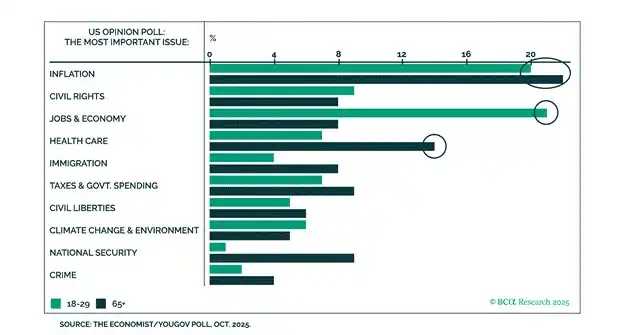
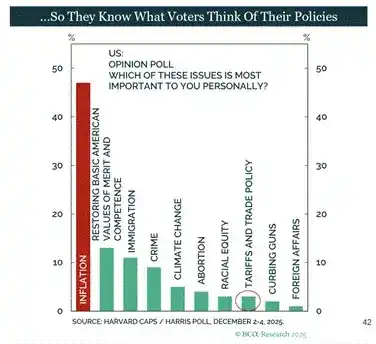
- Фокус избирателей: Экономика и инфляция — две самые важные проблемы для избирателей, все остальное не имеет значения.
- «Правило 10%»: Когда средняя национальная цена на бензин за три месяца до выборов повышается на 10% или более по сравнению со средним значением за январь того же года, контроль над одной или несколькими ветвями власти меняется.
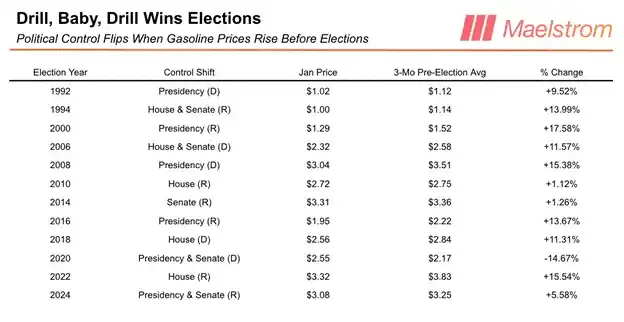
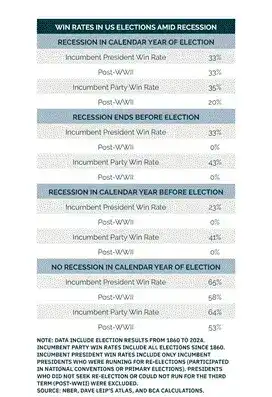
- Перспективы выборов: Если рецессии не произойдет, у красных наибольшие шансы выиграть президентские выборы 2028 года.
Эти графики ясно показывают, что Трамп должен заставить экономику работать на полную катушку, не вызывая роста цен на бензин.
Поведение Биткойна в двух сценариях
Мы сталкиваемся с двумя сценариями: первый — номинальный ВВП/кредит и цены на нефть растут одновременно; второй — номинальный ВВП/кредит растет, а цены на нефть падают. Как отреагирует Биткойн?
Чтобы понять это, сначала необходимо уяснить ключевую мысль: цена на нефть crucialна не потому, что она влияет на стоимость майнинга, а потому, что она способна заставить политиков остановить печатный станок.
Биткойн потребляет энергию через майнинг по proof-of-work (PoW), что делает его чисто денежной абстракцией. Следовательно, цена на энергию сама по себе не связана с ценой Биткойна, поскольку затраты всех майнеров изменяются синхронно, что не меняет внутреннюю логику стоимости Биткойна.
Истинная сила цены на нефть заключается в том, что она является «спусковым крючком», способным вызвать политическую и финансовую катастрофу.
Цепная реакция неконтролируемых цен на нефть
Если экономическое expansion приведет к слишком быстрому и высокому росту цен на нефть, это вызовет следующую серию разрушительных цепных реакций:
Неконтролируемые цены на нефть означают резкий рост стоимости жизни населения, что напрямую разожжет гнев избирателей и создаст огромный риск смещения правящих сил. Чтобы сохранить власть, они должны любыми средствами压低 цены на нефть (например, воровать нефть у других стран или замедлять создание кредита). Доходность 10-летних казначейских облигаций США и индекс MOVE, измеряющий волатильность рынка облигаций США, покажут нам, когда цена на нефть станет слишком высокой.
Инвесторы сталкиваются с трудным выбором: инвестировать в финансовые активы или в реальные активы. Когда стоимость энергии низкая и стабильная, разумно инвестировать в финансовые активы, такие как государственные облигации. Но когда стоимость энергии высока и волатильна, разумнее инвестировать в товары, такие как энергоносители. Поэтому, когда цена на нефть достигнет определенного уровня, инвесторы будут требовать более высокой доходности по государственным облигациям (особенно по 10-летним казначейским облигациям США).
Когда доходность 10-летних казначейских облигаций США приближается к 5%, волатильность рынка может significantly возрасти, индекс MOVE может взлететь. Текущая американская политика с трудом сдерживает дефицитные расходы, на выборах often побеждают «бесплатные подачки». Однако, по мере роста цен на нефть и приближения доходности к ключевым уровням, рынок может оказаться под pressure. Поскольку в действующей фиатной финансовой системе заложено огромное количество leverage, когда волатильность растет, инвесторы должны продавать активы, иначе они потеряют все.
Например, «День освобождения» 2 апреля прошлого года и последующее «TACO» Трампа (тарифные действия) 9 апреля являются примером. Тогда Трамп пригрозил ввести extremely высокие пошлины, что уменьшило бы глобальный торговый и финансовый дисбаланс, оказав сильное дефляционное воздействие. Markets рухнули, индекс MOVE внутри дня взлетел до 172. На следующий день Трамп «приостановил» тарифы, markets достигли дна и резко отскочили.
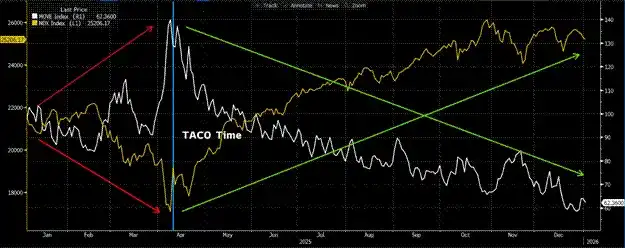
Индекс MOVE (белый) против индекса Nasdaq 100 (желтый)
В таких вопросах нет смысла пытаться использовать исторические данные для точного определения, при каком уровне цен на нефть и доходности 10-летних облигаций Трамп будет вынужден ужесточить печатание денег. Мы узнаем это, когда это произойдет. Если цены на нефть и доходность резко пойдут вверх, то следует reduced оптимизм в отношении рискованных активов.
Текущий базовый сценарий таков: цены на нефть останутся стабильными или даже упадут, а Трамп и Бесант будут печатать деньги как сумасшедшие, как в 2020 году. Причина в том, что рынок initially поверит, что контроль США над венесуэльской нефтью significantly увеличит daily добычу原油. Не важно, смогут ли инженеры действительно достичь millions баррелей в день в Венесуэле.
Что действительно важно: Трамп будет печатать деньги быстрее, чем премьер-министр Израиля Биньямин Нетаньяху (Benjamin Netanyahu) меняет理由 для ударов по Ирану. Если этой логики still недостаточно, чтобы поверить, что сейчас время покупать все рискованные активы, просто запомните одно: Трамп — самый социалистический президент США со времен Рузвельта. В 2020 году он напечатал триллионы долларов и, в отличие от предыдущих президентов, напрямую раздал деньги каждому. Можно быть уверенным, что он绝对不会 проиграет выборы из-за недостаточной печати денег.
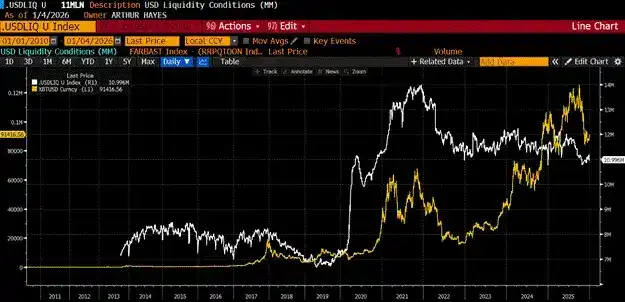
Судя по заявлениям Трампа и его核心 команды, мы знаем, что кредитная expansion произойдет. Республиканцы из красного лагеря будут проводить дефицитные расходы, казначейство Бесант будет выпускать долг для их финансирования, а ФРС (будь то Пауэлл или его преемник) будет печатать деньги для покупки этих облигаций. Как говорит Лин Олден, «ничто не остановит этот поезд». По мере expansion количества долларов, цены на Биткойн и некоторые криптовалюты взлетят.
Торговая стратегия
Самым большим убытком Артура Хейса в прошлом году стали交易 после листинга токена PUMP. Кроме того, помните, держитесь подальше от мемкоинов, единственная прибыльная交易 с мемкоином в прошлом году у него с TRUMP. С положительной стороны, большая часть прибыли была получена от交易 с HYPE, BTC, PENDLE и ETHFI. Хотя только 33% сделок были прибыльными, размер позиции контролировался appropriately, средняя прибыль по прибыльным сделкам в 8.5 раз превышала средний убыток по убыточным сделкам.
Артур Хейс планирует улучшения в этом году: сосредоточиться на том, что у него хорошо получается, а именно на размещении крупных среднесрочных позиций на основе четких макроэкономических тезисов о ликвидности в сочетании с достоверным «альткоин»-нарративом. При交易 «мусорных» монет или мемкоинов в развлекательных целях он будет уменьшать размер позиции.
Взгляд вперед, доминирующим нарративом в этом году будет «приватность». ZEC станет индикатором в сфере приватности, Maelstrom уже в третьем квартале 2025 года massively открыл длинные позиции по этому токену, планируя найти в сфере приватности по крайней мере один «альткоин», который сможет задать тренд и принести сверхдоходность портфелю в ближайшие годы. Чтобы получить сверхдоходность, превышающую BTC и ETH, он планирует продать часть биткойнов и эфира, чтобы обменять их на более взрывные «альткоины» в сферах приватности и DeFi.
Как только цены на нефть вырастут и приведут к замедлению кредитной expansion, он выберет момент для фиксации прибыли, накопит больше биткойнов и купит часть mETH.