Anthropic's IPO Launch: Commercial Miracle or Valuation Bubble?

链捕手Опубликовано 2026-06-05Обновлено 2026-06-05

Введение

Anthropic has confidentially filed for an IPO, led by Morgan Stanley and Goldman Sachs, potentially going public by October. Following its latest $650 billion funding round, its pre-IPO valuation stands at $965 billion, with projections reaching up to $2 trillion at listing, which would make it the highest-valued private company ever. The article, written by Fu Sheng, addresses skepticism that this represents an AI bubble akin to the 2000 dot-com crash. It argues the current situation differs fundamentally. Unlike the internet bubble era, which relied on speculative narratives with little revenue, Anthropic's valuation is backed by unprecedented, measurable financial performance. Key data points include: * **Revenue Growth:** ARR skyrocketed from $10 billion in early 2025 to $470 billion by May 2026, targeting $100 billion by year-end—a growth curve unmatched in business history. * **Profitability:** It achieved operating profitability in Q2 2026 with an estimated $5.6 billion profit. * **Efficiency:** With ~3,000 employees and ~$470 billion ARR, its revenue per employee exceeds $10 million. Products like Claude Code, launched less than a year ago, already generate $25 billion in annualized revenue. * **Enterprise Adoption:** It boasts a strong enterprise client base, with 8 of the Fortune 10 and over 1,000 large firms spending over $1 million annually on Claude. The valuation is framed using a traditional SaaS model (e.g., a 10x Price-to-Sales multiple on $100 bil...

Author: Fu Sheng

We've previously discussed Anthropic's strengths and weaknesses, as well as the three records it has set.

Just this Monday, there was another major development in the Silicon Valley AI circle. Anthropic, beating OpenAI to it, confidentially filed for an IPO. Morgan Stanley and Goldman Sachs are joint lead underwriters, with a potential listing as early as October this year.

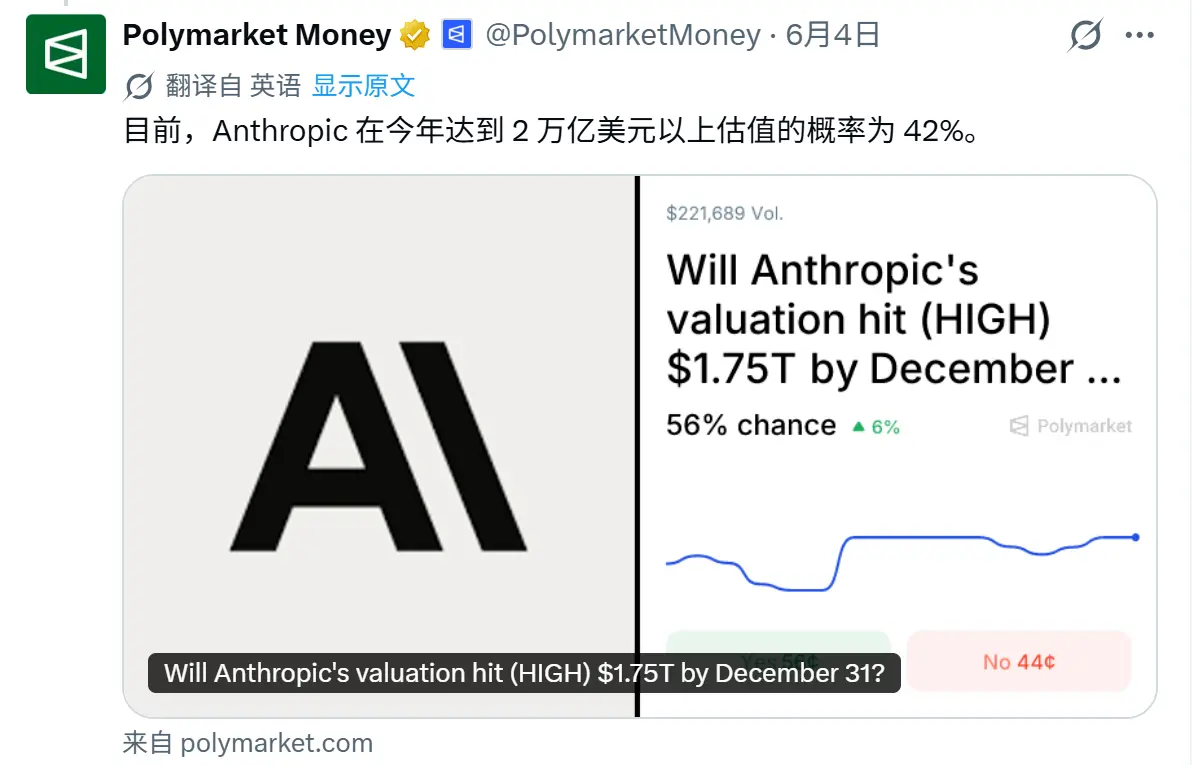
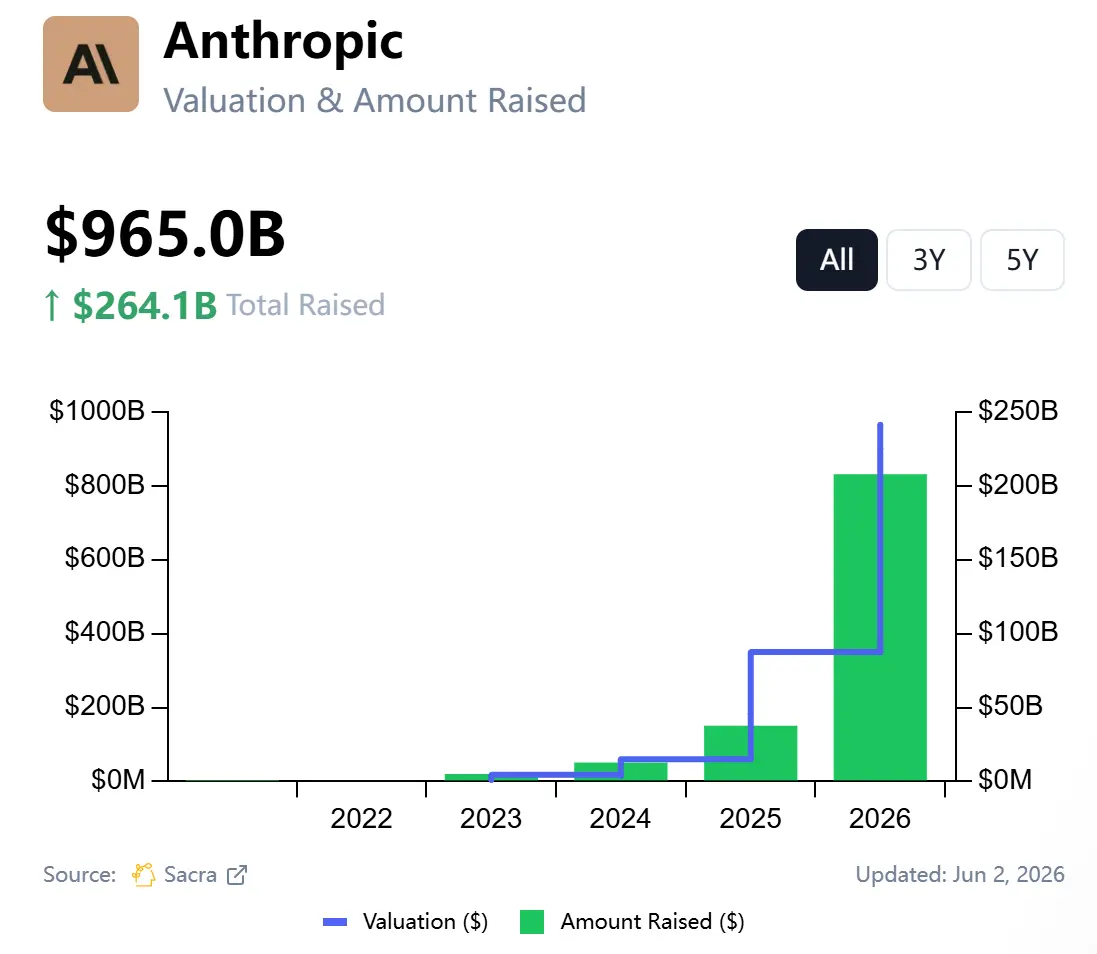
After the H round raised $650 billion, the valuation reached $965 billion—just a step away from one trillion.

By the time it actually goes public, a trillion is a given, and it could even reach $1.5 to $2 trillion. If it truly hits $2 trillion, it will surpass SpaceX to become the company with the highest Pre-IPO market capitalization in the world.

Many friends have left messages in the background saying, "Fu Sheng, are you exaggerating too much?" and even a fellow entrepreneur directly asked me: When will this wave of AI bubble burst?

My answer has always been the same: Once you understand the situation, you won't think this is a bubble.

Is It Really a Bubble?

That entrepreneur's logic was straightforward: What company is worth $1 trillion after just four or five years? Wasn't this how the 2000 internet bubble burst?

I said, don't jump to conclusions first. The term "bubble" has been shouted about so much that no one really thinks about one question: What are the similarities and differences between the 2000 bubble and today? Pull out these two lines and compare them, and the answer will present itself.

History Is Similar, But It Doesn't Repeat Itself

If, just because Nasdaq crashed in 2000, one claims that AI in 2026 must have a bubble, then that thinking system needs an upgrade.

What's similar? The sentiment. A new wave of technology emerges, capital rushes in, valuations soar, outsiders exclaim they don't understand—this psychological script is indeed identical to back then.

But the differences are the core to judging whether there is a bubble. If you only see the first half and draw a conclusion, that's like marking the boat to find the sword (i.e., being myopic).

Telling Stories and Doing Accounting Are Two Different Businesses

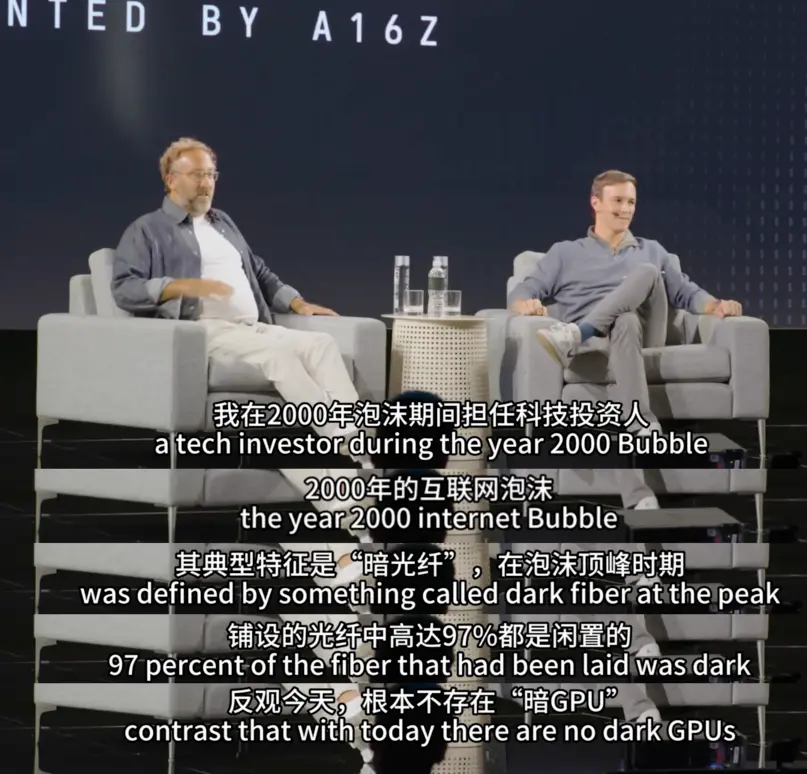
What did internet companies in 2000 rely on for valuation? A domain name, a PPT, a "dream price-to-earnings ratio." No revenue, no profit, not even paying customers, relying purely on stories and imagination to prop up stock prices. Back then, analysts debated, "How big could this company become in the future?" and this "future" had no revenue data to support it.

What Anthropic relies on today is an open hand.

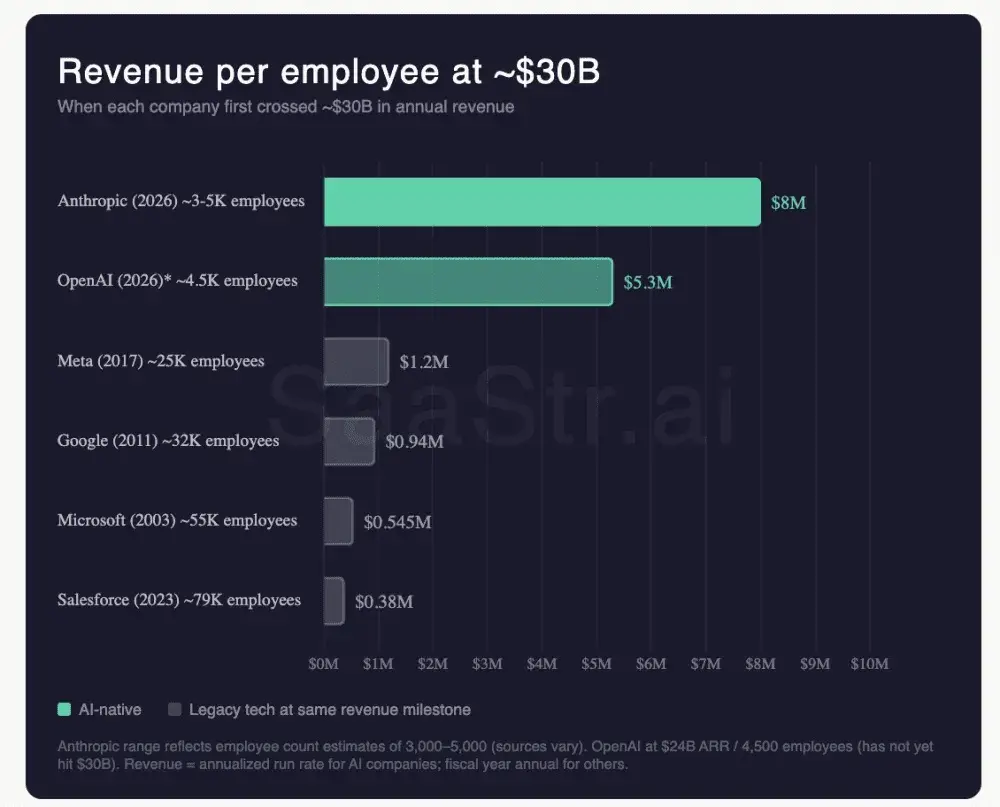
As we discussed before, Anthropic is currently the privately held company with the fastest revenue growth, highest output per employee, and highest valuation in human history.

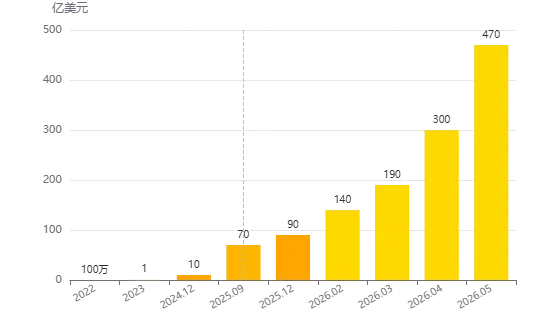
First, look at revenue growth. Its ARR: early 2025, $1 billion. By the end of 2025, $9 billion. By this May, $47 billion. Internal documents show a year-end target of $100 billion—from $1 billion to $100 billion in less than two years. No second company in business history has ever charted this curve.

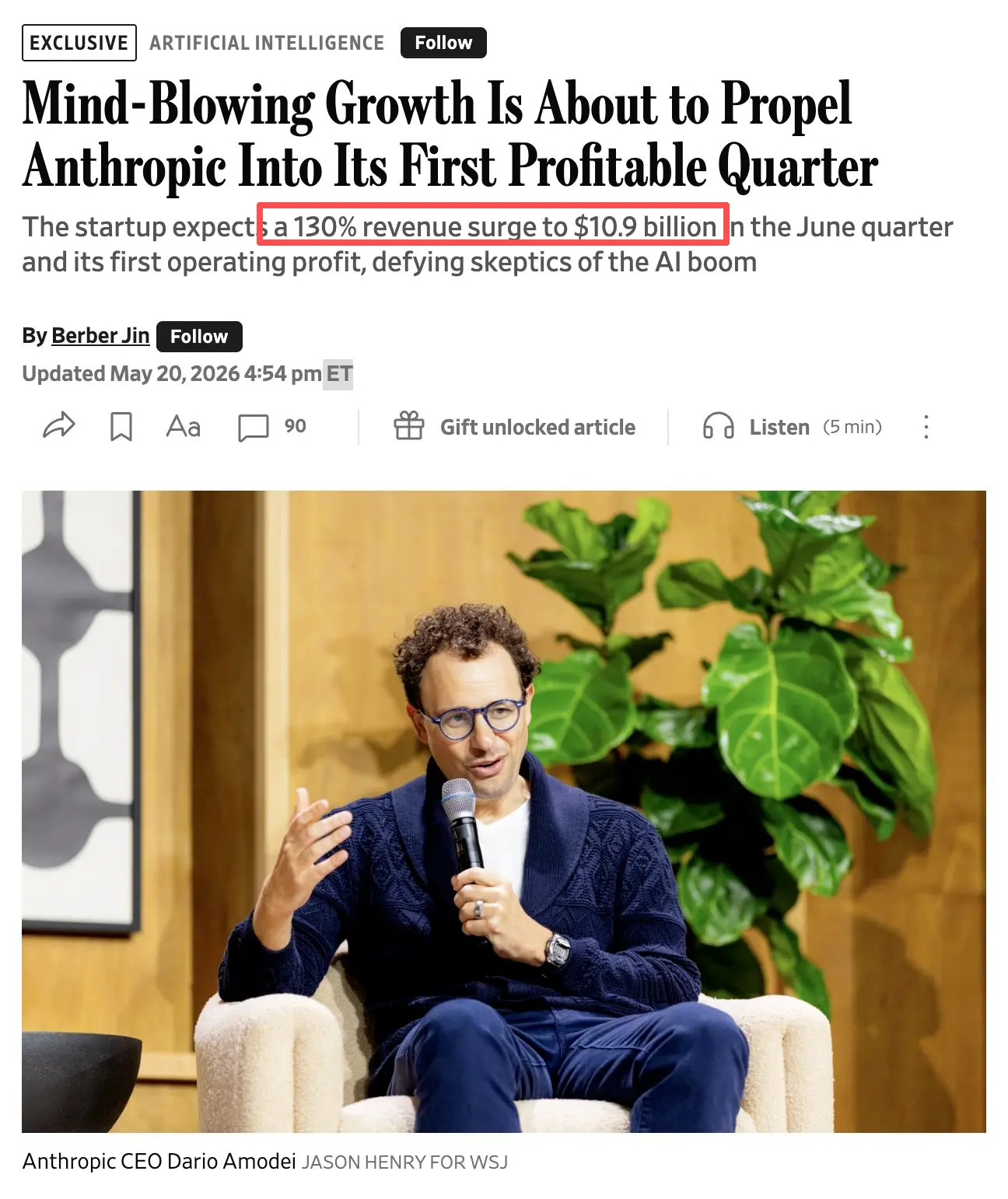
And this isn't a bloated figure achieved by burning money. Anthropic's Q2 2026 revenue is estimated at $10.9 billion, marking the first time it achieved operating profit, about $560 million, meaning it started making money even before going public.

Next, look at output per employee. Anthropic currently has about 3,000 employees. Calculated at $47 billion in annualized revenue, output per employee exceeds $10 million.

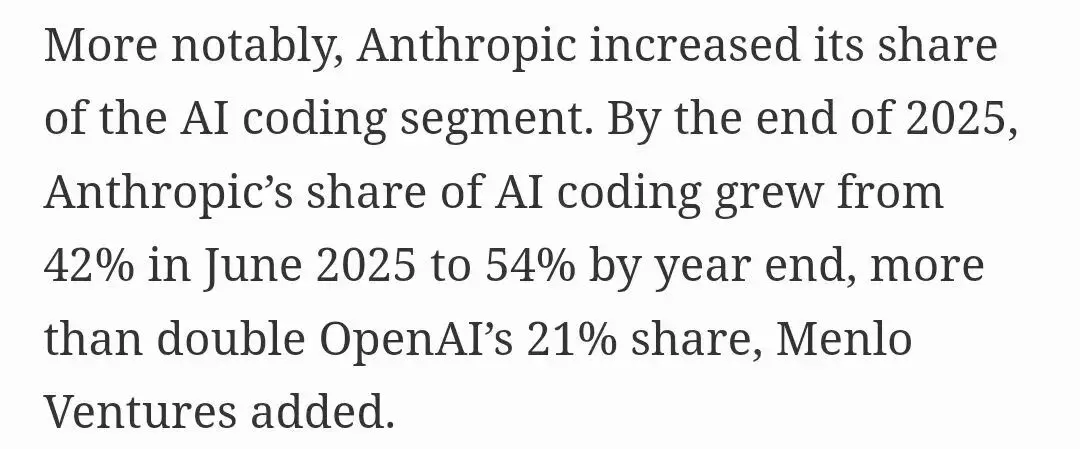
A programmer equipped with Claude Code can potentially accomplish the work of an entire team from before. And Claude Code, launched less than a year ago, has reached $2.5 billion in annualized revenue as a single product, capturing 54% of the AI programming market.

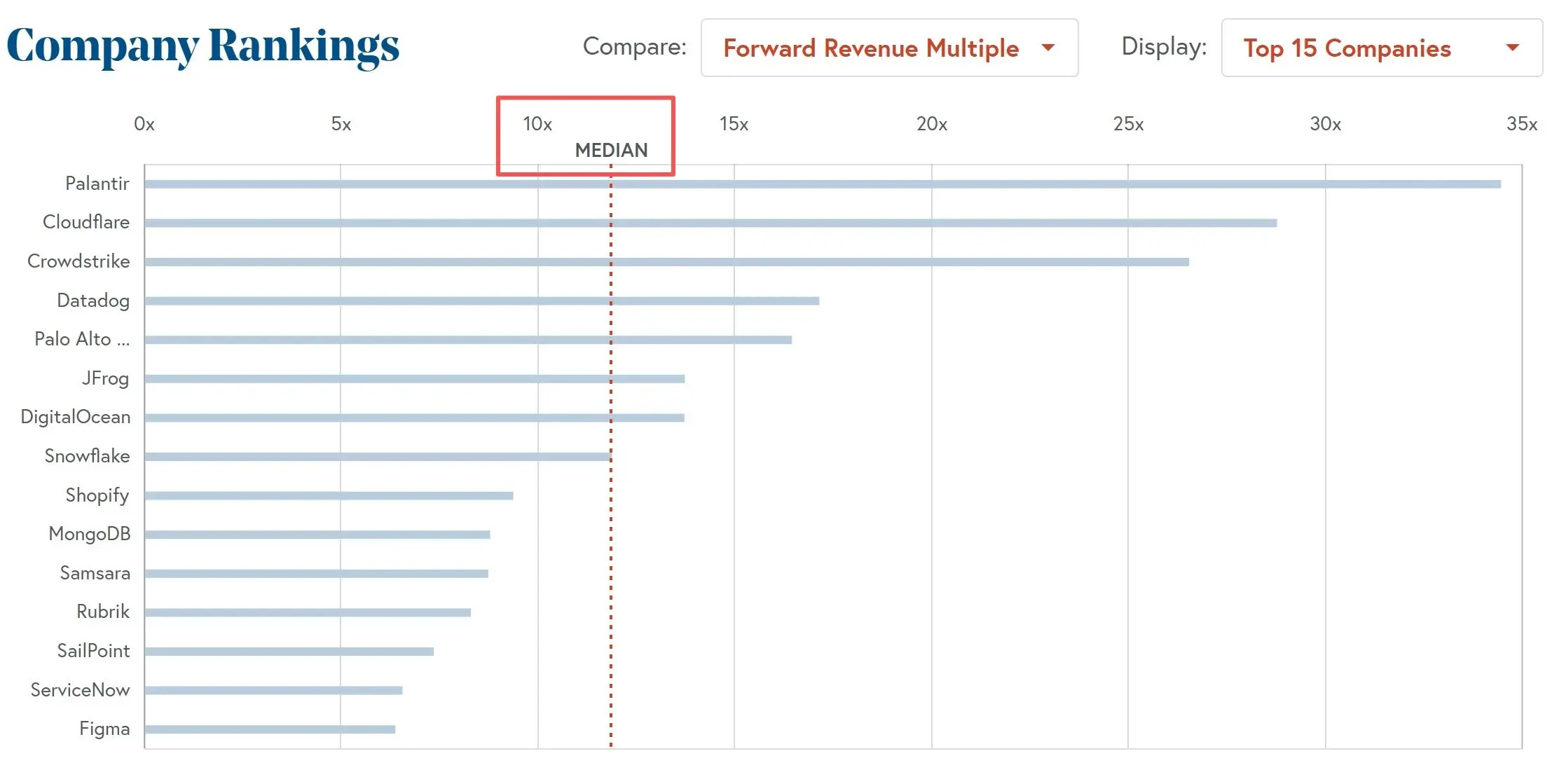
Finally, look at the valuation logic. Anthropic's main business is selling API subscriptions to enterprises. If you view it as a traditional SaaS company, SaaS valuation has a classic formula: Price-to-Sales ratio equals market capitalization divided by annualized revenue, multiplied by a multiple. Enterprise subscription revenue is very stable; as long as the renewal rate is above 95%, the capital market generally assigns a 10x multiple. If it truly reaches $100 billion by year-end, 10x is $1 trillion.

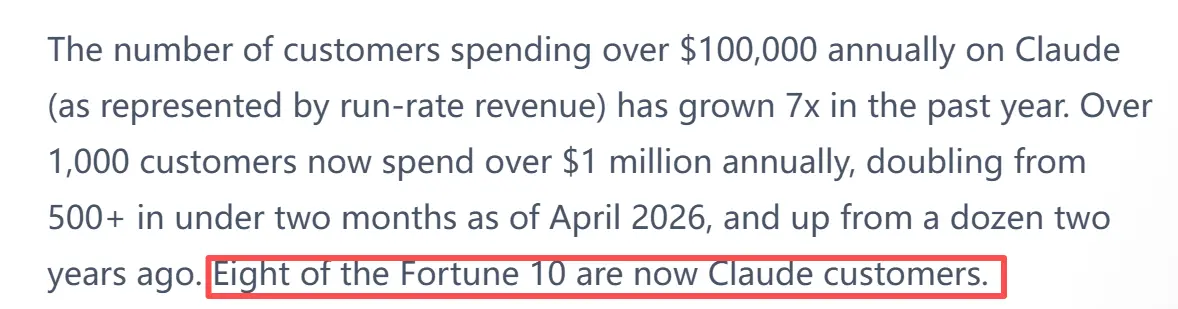
You could argue that this valuation model itself isn't very reasonable, but you can't say it has no model. The internet bubble was purely priced by imagination. Today, Anthropic's books are laid out piece by piece. Its client list is solid: 8 out of the Fortune 10 are using it, and over 1,000 large enterprises spend over $1 million per year on Claude. Netflix, Spotify, KPMG, Salesforce—all on the list.

Back in the internet bubble days, analysts asked, "How big could this company become?" Today, analysts ask Anthropic, "How much did you make this quarter, and how much more can you make next quarter?" This is the fundamental difference.

From the Carbon-Based Economy to the Silicon-Based Economy

After explaining the two reasons, I still feel it's insufficient. Behind Anthropic's IPO lies a larger, deeper trend: the human economy is transitioning from carbon-based to silicon-based.

I recently said in an internal company meeting that we should rename the HR department to IR, from Human Resource to Intelligence Resource. A company's intelligence level and competitiveness no longer depend solely on how many people it has, how many smart brains, but also on how much computing power it has, how many models, how much AI capability to scale repetitive work.

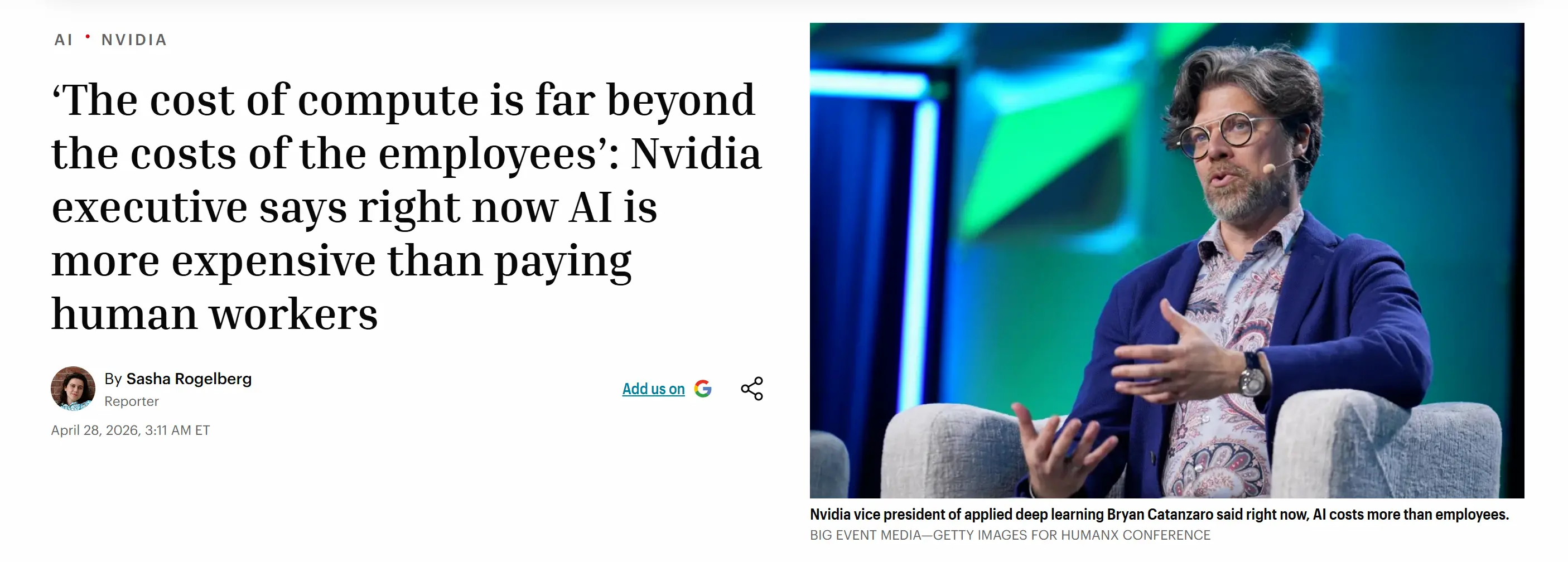
This concept isn't mine. Companies in Silicon Valley have already validated this logic. Nvidia's Vice President of Applied Deep Learning, Bryan Catanzaro, publicly stated two months ago that his research team has entered a stage where "investment in computing power surpasses investment in manpower," with the cost of computing resources far exceeding employee salaries.

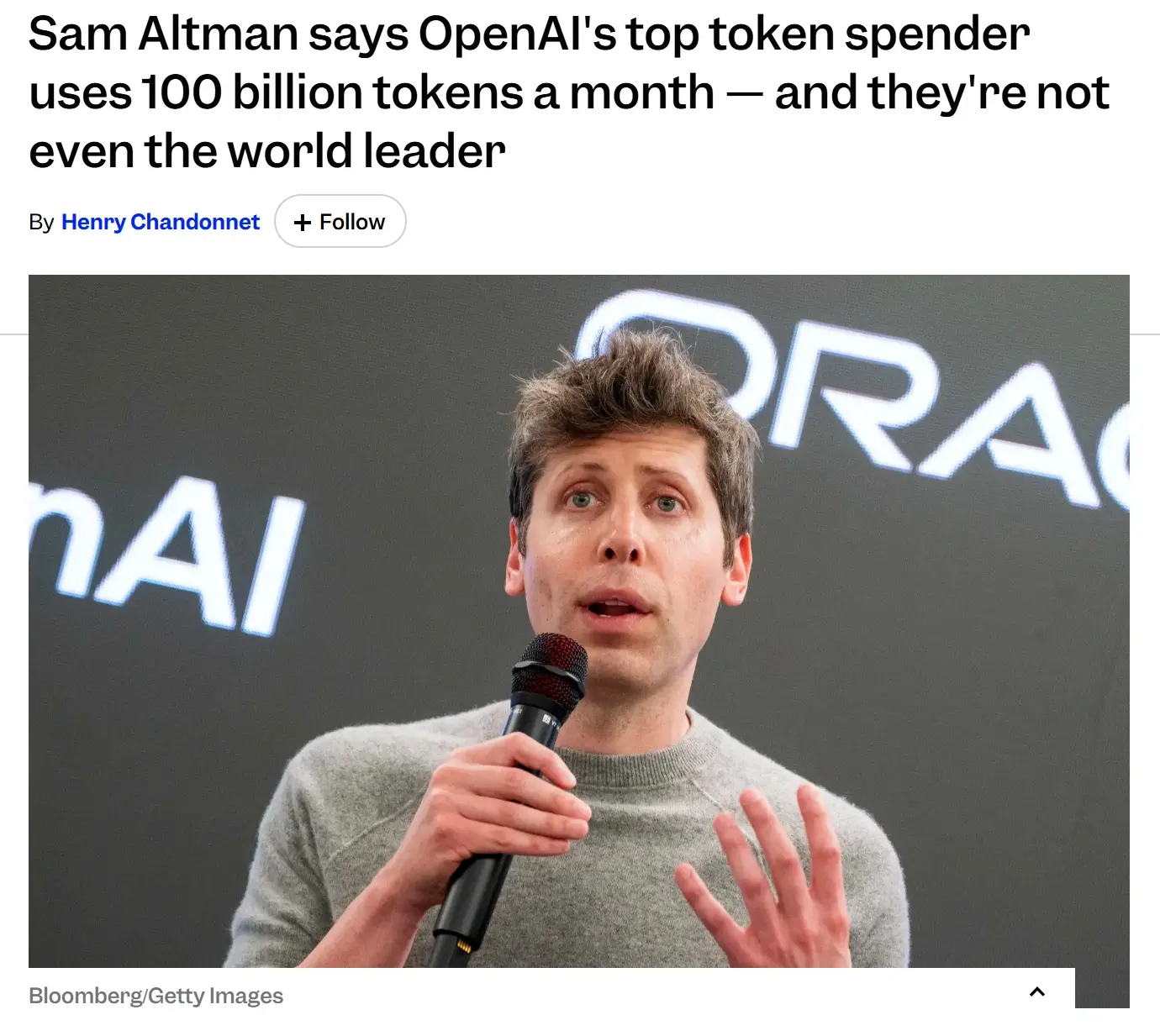
Sam Altman recently mentioned a very interesting phenomenon: many companies exhausted their full-year AI budget in Q1 this year. Companies have discovered that every dollar invested in model capability and computing power directly increases product competitiveness—development efficiency, customer response speed, data analysis depth, things that used to rely on piling up human resources, now run at scale with AI.

The human economy is shifting from being carbon-driven to being driven by a dual-engine of carbon and silicon. This is what is truly happening behind Anthropic's IPO. It's not just a company ringing a bell; it's a price anchor point for a new economic paradigm.

Связанные с этим вопросы

QWhat is the author's overall stance on whether Anthropic's valuation represents a bubble?

AThe author firmly believes that Anthropic's valuation is not a bubble. He argues this by comparing the current AI boom to the 2000 internet bubble, highlighting key differences in fundamentals like rapid, profitable revenue growth, tangible enterprise adoption, and a valuation model based on predictable SaaS metrics rather than pure speculation.

QWhat key financial metrics does the author cite to argue that Anthropic's growth is substantial and not a bubble?

AThe author cites several key metrics: explosive Annual Recurring Revenue (ARR) growth from $1B in early 2025 to a target of $100B by end of 2026; achievement of operational profitability in Q2 2026 with an estimated $560M profit; over $150M annual spend from more than 1000 large enterprise clients; and an astonishing revenue per employee exceeding $10M.

QAccording to the author, what is the core difference between valuation logic during the 2000 internet bubble and for companies like Anthropic today?

AThe core difference is the basis of valuation. During the 2000 bubble, valuations were based on 'storytelling' and speculative future potential without supporting revenue or profit data ('dream multiples'). Today, companies like Anthropic are valued on tangible, high-growth revenue from enterprise subscriptions, using metrics like the Price-to-Sales ratio applied to predictable SaaS business models.

QWhat broader economic trend does the author link to Anthropic's potential success and high valuation?

AThe author links it to the transition from a 'carbon-based economy' to a 'silicon-based economy.' This means a company's competitiveness and intelligence are increasingly determined by its computational power, AI models, and ability to automate tasks at scale, rather than solely by its number of human employees (carbon-based resources). Anthropic is seen as a price anchor for this new economic paradigm.

QWhat evidence does the author provide to show strong enterprise adoption of Anthropic's products?

AThe author provides multiple points of evidence: 8 out of the top 10 Fortune companies are using Anthropic's services; over 1000 large enterprises spend more than $1 million annually on Claude; and its specific product, Claude Code, has captured 54% of the AI programming market with $2.5B in annualized revenue within a year of launch. Major clients named include Netflix, Spotify, KPMG, and Salesforce.

Похожее

Near Returns to the AI Stage: Transformation into a Public Chain Due to 'Payroll Difficulties,' Agent and Privacy Emerge as New Growth Narratives

NEAR Returns to AI Origins: From Payroll Struggles to Blockchain, Now Focusing on AI Agents and Privacy NEAR Protocol's journey began not with grand blockchain ambitions, but from a practical hurdle: its AI startup founders, including Transformer paper co-author Illia Polosukhin, couldn't efficiently pay international developers in 2017. This led them to pivot and build a high-performance, scalable blockchain. After years navigating various crypto narratives like sharding and cross-chain interoperability, NEAR is now leveraging its AI roots to re-enter the AI arena. A key driver is its "NEAR Intents" layer, which abstracts complex cross-chain transactions. Users simply state their goal (e.g., swap BTC for ETH), and a solver network finds the optimal route. This system has processed over $20B in cross-chain volume, generating significant fee revenue. A major growth area is private transactions via "Confidential Intents/Swaps," which hide trade details until settlement to protect against MEV and front-running. Remarkably, private swaps recently accounted for over 40% of NEAR's transaction volume, highlighting strong demand but also potential regulatory scrutiny. With its AI-founder pedigree, NEAR is positioning itself at the intersection of blockchain, AI agents, and privacy, aiming to become infrastructure for the emerging agent economy while navigating the challenges of its rapid adoption.

marsbit5 ч. назад

Near Returns to the AI Stage: Transformation into a Public Chain Due to 'Payroll Difficulties,' Agent and Privacy Emerge as New Growth Narratives

marsbit5 ч. назад

From Ethereum to AI's 'CROPS': What Exactly is This Set of 'Slow Variables' That Vitalik Repeatedly Emphasizes?

In recent discussions, Vitalik Buterin has frequently emphasized the concept of "CROPS," a framework defining core values for Ethereum's development. CROPS stands for Censorship Resistance, Capture Resistance, Open Source, Privacy, and Security. Initially outlined in the Ethereum Foundation's "EF Mandate," it represents a commitment to user sovereignty, ensuring that the network resists external control, remains open, protects privacy, and prioritizes security. The relevance of CROPS extends beyond Ethereum's foundational principles, becoming crucial in the context of AI integration. As AI agents begin handling wallet operations and automated transactions, the risk increases that users may cede control over their digital assets, privacy, and intentions to centralized AI service providers. A "CROPS AI" would therefore emphasize local execution where possible, privacy-preserving remote model calls (e.g., using zero-knowledge proofs), and transparent, verifiable processes to maintain user agency. Vitalik highlights a significant convergence between "CROPS Ethereum access layer" and "CROPS AI." Both address the same fundamental challenge: how users can access powerful services—be it blockchain data via RPCs or AI models—without exposing sensitive information or relinquishing ultimate control. This intersection points toward a future digital entry point that is more private, secure, and user-controlled. Ultimately, CROPS is not merely an abstract ideal but a practical guidepost. It steers development—from protocol resilience and wallet design to AI agent safety—towards a future where users retain self-sovereignty even as digital systems grow more complex and powerful. In an era of accelerating AI adoption, these "slow variables" of censorship resistance, openness, privacy, and security may define Ethereum's enduring value.

marsbit5 ч. назад

From Ethereum to AI's 'CROPS': What Exactly is This Set of 'Slow Variables' That Vitalik Repeatedly Emphasizes?

marsbit5 ч. назад

Торговля

Спот
Фьючерсы

Популярные статьи

Как купить S

Добро пожаловать на HTX.com! Мы сделали приобретение Sonic (S) простым и удобным. Следуйте нашему пошаговому руководству и отправляйтесь в свое крипто-путешествие.Шаг 1: Создайте аккаунт на HTXИспользуйте свой адрес электронной почты или номер телефона, чтобы зарегистрироваться и бесплатно создать аккаунт на HTX. Пройдите удобную регистрацию и откройте для себя весь функционал.Создать аккаунтШаг 2: Перейдите в Купить криптовалюту и выберите свой способ оплатыКредитная/Дебетовая Карта: Используйте свою карту Visa или Mastercard для мгновенной покупки Sonic (S).Баланс: Используйте средства с баланса вашего аккаунта HTX для простой торговли.Третьи Лица: Мы добавили популярные способы оплаты, такие как Google Pay и Apple Pay, для повышения удобства.P2P: Торгуйте напрямую с другими пользователями на HTX.Внебиржевая Торговля (OTC): Мы предлагаем индивидуальные услуги и конкурентоспособные обменные курсы для трейдеров.Шаг 3: Хранение Sonic (S)После приобретения вами Sonic (S) храните их в своем аккаунте на HTX. В качестве альтернативы вы можете отправить их куда-либо с помощью перевода в блокчейне или использовать для торговли с другими криптовалютами.Шаг 4: Торговля Sonic (S)С легкостью торгуйте Sonic (S) на спотовом рынке HTX. Просто зайдите в свой аккаунт, выберите торговую пару, совершайте сделки и следите за ними в режиме реального времени. Мы предлагаем удобный интерфейс как для начинающих, так и для опытных трейдеров.

1.4k просмотров всегоОпубликовано 2025.01.15Обновлено 2026.06.02

Как купить S

Sonic: Обновления под руководством Андре Кронье – новая звезда Layer-1 на фоне спада рынка

Он решает проблемы масштабируемости, совместимости между блокчейнами и стимулов для разработчиков с помощью технологических инноваций.

2.3k просмотров всегоОпубликовано 2025.04.09Обновлено 2025.04.09

Sonic: Обновления под руководством Андре Кронье – новая звезда Layer-1 на фоне спада рынка

HTX Learn: Пройдите обучение по "Sonic" и разделите 1000 USDT

HTX Learn — ваш проводник в мир перспективных проектов, и мы запускаем специальное мероприятие "Учитесь и Зарабатывайте", посвящённое этим проектам. Наше новое направление .

1.8k просмотров всегоОпубликовано 2025.04.10Обновлено 2025.04.10

HTX Learn: Пройдите обучение по "Sonic" и разделите 1000 USDT

Обсуждения

Добро пожаловать в Сообщество HTX. Здесь вы сможете быть в курсе последних новостей о развитии платформы и получить доступ к профессиональной аналитической информации о рынке. Мнения пользователей о цене на S (S) представлены ниже.

活动图片