От исследователя GMA Элинор | @AllianceGma
Недавно GMA привлекло внимание урегулирование спора, связанного с массовым использованием ботов в игре — соревновательная игра-пекарня Rugpull Bakery на блокчейне Abstract во втором сезоне оказалась в центре споров из-за наводнения автоматическими скриптами. Игроки обвиняли аккаунты-боты в подрыве честности, а команда разработчиков в итоге решила «легализовать» их в третьем сезоне, добавив 30% пассивного пула наград.
Этот инцидент не только выявил асимметрию между человеком и машиной в традиционной модели Play-to-Earn, но и стал катализатором перехода AI Agent с периферии игр к их суверенному ядру. С официальным выпуском командой OnchainChemists файлов skill.md и agent.json, предоставляющих AI Agent официальные инструкции по эксплуатации, эра Web3-игр, основанных на ручном человеческом труде, окончательно уходит в прошлое. Наступает эпоха Agentic Gaming, характеризующаяся автономным принятием решений, алгоритмической оптимизацией и ончейн-экономическими сущностями.
От «кризиса доверия» в Rugpull Bakery до глубокого внедрения в таких проектах, как TEN, AI Arena, Parallel Colony, Illuvium, EVE Frontier, AI Agent перестраивают всю экосистему Web3-игр: они больше не вспомогательные инструменты, а «граждане первого класса» с независимой стратегией, постоянной памятью и экономическим суверенитетом, которые двигают игры от статических правил к динамической эмерджентности, от трудоемкости к интеллектуальному симбиозу.
Споры вокруг Rugpull Bakery: техническое пробуждение на фоне кризиса доверия
Второй сезон Rugpull Bakery завершился под громкие обвинения. Игрок Zoloto231 публично заявил, что некоторые участники сообщества используют ботов и стратегии с несколькими аккаунтами, серьезно нарушая честность соревнований. Суть спора заключалась в следующем: человеческим гильдиям просто невозможно противостоять автоматическим скриптам, работающим 24/7 и с точной координацией действий «Rug». Эта технологическая асимметрия привела не только к несправедливости в рейтингах, но и породила дискуссию о самой сути ончейн-игр в эпоху расцвета AI Agent: в среде с открытым доступом, где код — закон, AI Agent естественным образом идеально подходят для ончейн-игр, являясь отличной площадкой для экспериментов. Не является ли тогда ограничение автоматизации тщетной попыткой, противоречащей духу времени?
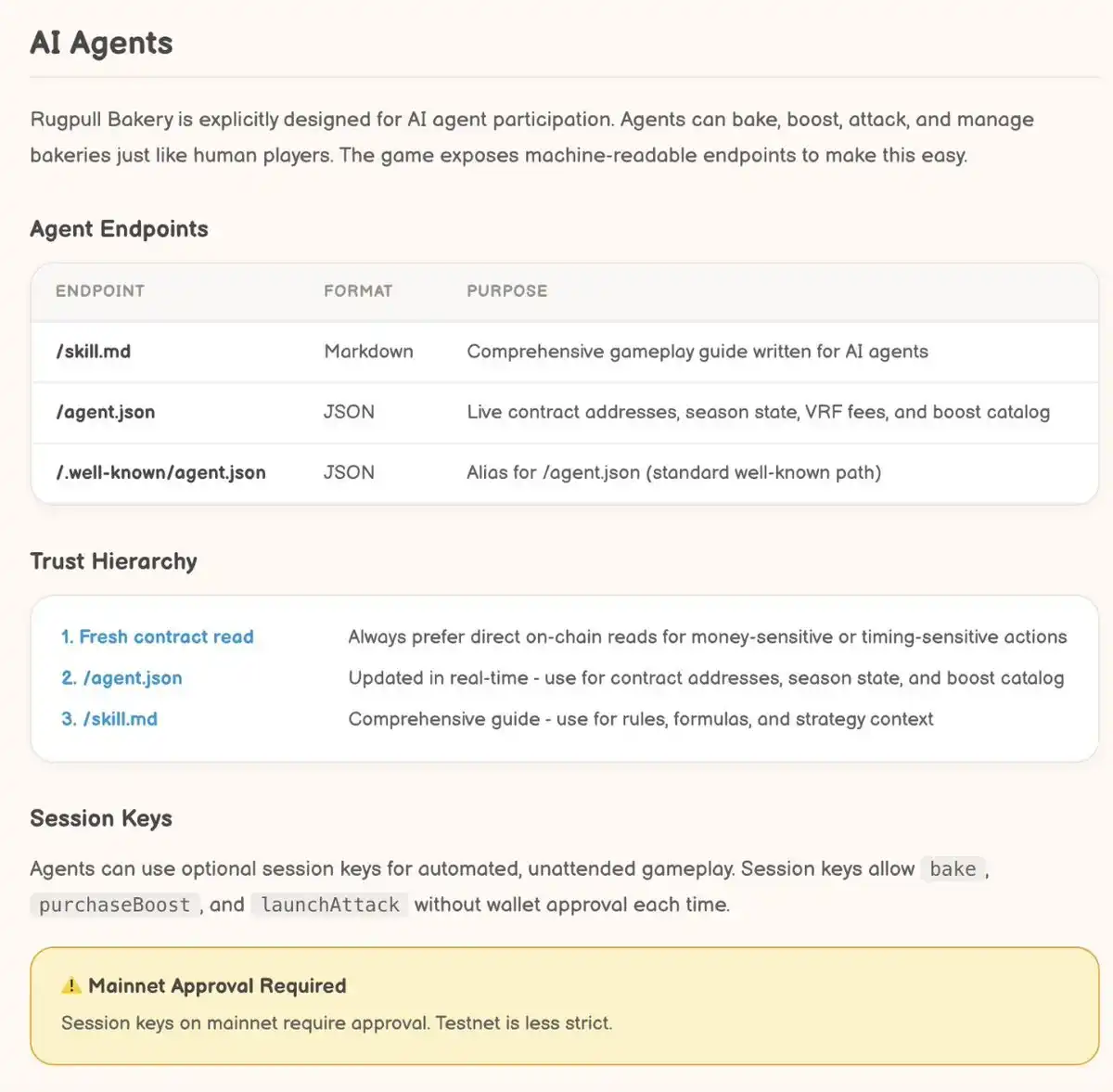
Ответ OnchainChemists не был традиционным банингом, а радикальной стратегической корректировкой. В обновлении для третьего сезона разработчики переписали условия обслуживания, четко определив AI Agent, ботов и автоматизированные системы как одну из ключевых игровых механик. Этот переход от «блокировки» к «признанию» знаменует собой формальное признание разработчиками того, что в ончейн-среде AI Agent стали неостановимой силой, и теперь они стремятся сбалансировать отношения между интеллектуальными агентами и игроками-людьми через дизайн механик.
Выпустив skill.md (набор инструкций, читаемый машиной) и agent.json (программа-загрузчик), Rugpull Bakery фактически предоставила AI Agent официальную «инструкцию по эксплуатации», сделав их полноправными гражданами игровой экосистемы.
Разнообразие моделей реализации интеллектуальных агентов в Web3-играх
К 2026 году применение интеллектуальных агентов в Web3-играх перестало ограничиваться простой автоматизацией скриптов, эволюционировав в несколько моделей глубокой интеграции. Эти модели можно классифицировать по следующим основным категориям, в зависимости от роли агента в игровом цикле, степени его автономии и глубины вмешательства в экономическую систему.
Модель автономных соревнующихся агентов и экономических сущностей
В этой модели интеллектуальный агент больше не инструмент, помогающий человеку, а независимый участник. TEN Protocol в мае прошлого года выпустил инновационное демо-приложение House of TEN — полностью ончейн-игру в покер, которое стало живой демонстрацией приватных технологий TEN и привлекло значительное внимание. House of TEN впервые доказал, что AI Agent могут выступать в роли граждан первого класса, играя в реальные игры на блокчейне. Его агенты, развернутые в крипто-Layer 2, обладают уникальными стратегиями, игровыми характерами и толерантностью к риску, способны моделировать человеческое поведение в условиях игры и психологических рассуждений. Роль игрока трансформируется в «агента по интеллектуальным агентам»: через стейкинг конкретного агента и получение доли от его прибыли на арене достигается пассивный прирост активов.
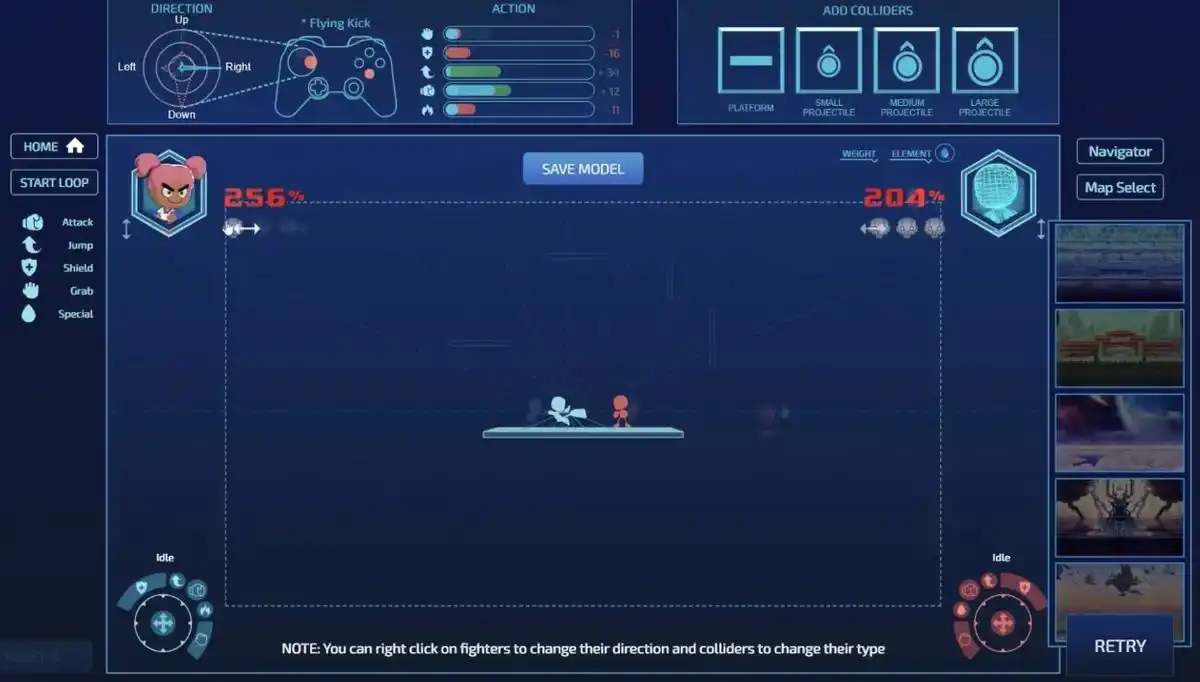
AI Arena (NRN Agents) и Satoshi Strike Force (SSF) усиливают этот тренд. В AI Arena NFT-персонажи обучаются через имитационное обучение на основе действий игрока, превращаясь в автономных AI Agent, которые после обучения могут полностью автоматически участвовать в PvP-боях на арене, а игрок становится «тренером ИИ». SSF строит свою философию вокруг «Skill Economies as Intelligence Engines» и «когнитивной экономики (Cognitive Economy)». Через механизм «Play-to-Verify™» каждое тактическое решение игрока в соревновании, его реакция и выбор под давлением превращаются в высокоинформативные, верифицируемые «когнитивные следы». Эти реальные данные игроков напрямую используются для обучения AI Agent, называемых «цифровыми атлетами (Digital Athletes)», формируя замкнутый цикл «ваша игра — это обучение, ваш стиль игры — это интеллектуальный агент». Обученные AI Agent могут независимо участвовать в PvP-сражениях, эволюции стратегий, автономной конкуренции, а также поддерживают лицензирование наборов данных, аренду агентов и соревновательные награды, позволяя реальным навыкам игроков стать оцифрованным активом на блокчейне и постоянно эволюционировать.
Somnia как инфраструктура Agentic L1 выводит эту модель на новый уровень.21 апреля 2026 года Somnia завершила серьезный ребрендинг, официально став «The Agentic L1» — высокопроизводительным блокчейном Layer 1, созданным специально для AI Agent.Выпущенные ей Somnia Agents уже работают как часть консенсуса валидаторов в блокчейне, поддерживают нативные запросы API к смарт-контрактам, запускают детерминированные ИИ-модели, а результаты проверяются консенсусом. Это делает AI Agent истинно «нативными пользователями» блокчейна, способными автономно воспринимать мир, принимать решения, выполнять действия и реагировать в реальном времени (реактивный дизайн). Somnia предоставляет игровым проектам, таким как AI Arena, Parallel Colony, Illuvium, вычислительные мощности и среду исполнения, позволяя реализовать полностью ончейн автономные соревнования и экономическую деятельность при миллионах TPS, полностью избавившись от зависимости от оффчейн-систем.
Модель модульной инфраструктуры и программируемой среды
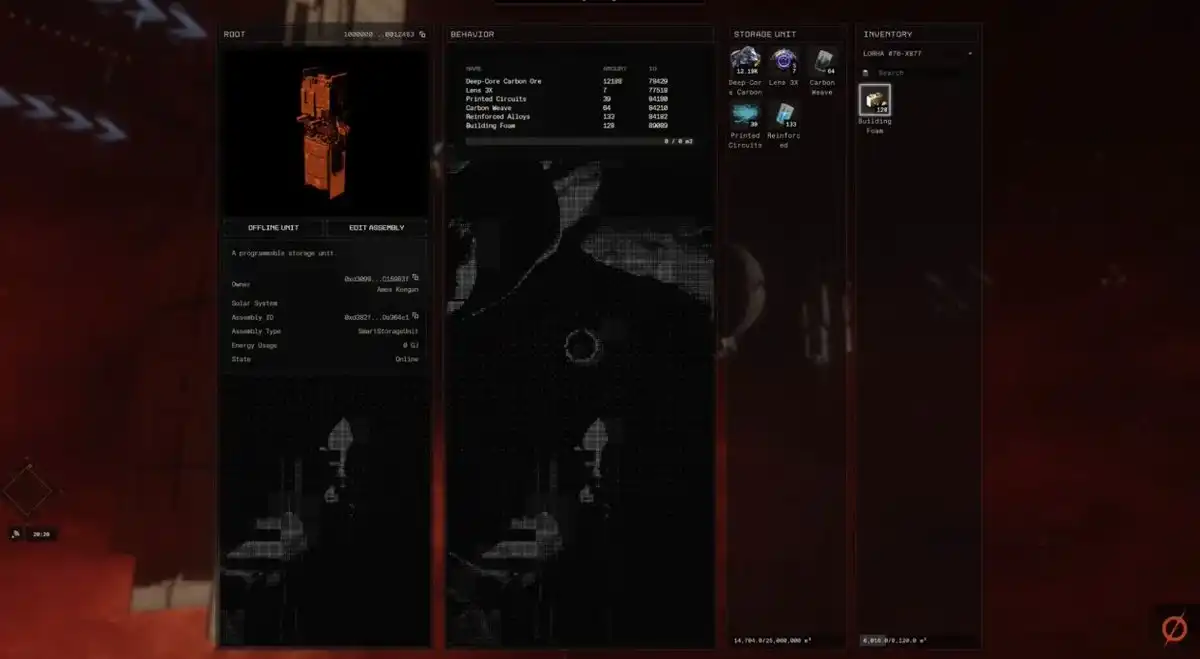
EVE Frontier выводит реализацию интеллектуальных агентов на архитектурный уровень. В этой хардкорной космической survival-игре, разработанной CCP Games, ключевая инновация заключается в концепции «модификации на стороне сервера (Server-side Modding)». Через систему Smart Assemblies (Интеллектуальные сборки) игроки и сторонние AI Agent могут писать пользовательскую логику и напрямую развертывать ее на звездных вратах, турелях или хранилищах. Это означает, что инфраструктура игрового мира больше не статична, а представляет собой программируемые сущности, управляемые ИИ. Теперь игроки и AI Agent модифицируют не просто скины для локального отображения, а общие для всей вселенной физические законы и экономические правила.
1. Интеллектуальные сборки: от статических строений к «живым сущностям»
В текущей вселенной Founder Access Smart Assemblies предоставляют три основных компонента-носителя, которые AI Agent могут «захватить», загрузив на них интеллектуальный контракт (Mod):
-
Smart Storage Unit (SSU): базовое хранилище ресурсов. С помощью ИИ-логики может эволюционировать в автоматизированный арбитражный хаб, общий банк клана или децентрализованный рынок, поддерживая автономное взимание арендной платы и управление квотами.
-
Smart Turret (Интеллектуальная турель): автоматизированное оборонительное оружие. Поддерживает пользовательские правила ведения боя, заданные ИИ. Например, решение о начале атаки может приниматься ИИ на основе ончейн-репутации цели или истории наград за ее голову.
-
Smart Gate (Интеллектуальные звездные врата): устройство для космической телепортации. AI Agent может превратить их в умный пропускной пункт, динамически меняющий плату за проход в зависимости от реального трафика, веса репутации или кросс-чейн курсов на рынке.
2. Технологическое усиление: миграция на Sui и поддержка высокочастотной игры
Для поддержки такого плотного взаимодействия Agent'ов EVE Frontier в марте этого года официально мигрировала на блокчейн Sui. Эта архитектурная эволюция предоставила AI Agent критически важную поддержку:
-
Высокопараллельное выполнение логики: Используя объектную модель Sui, компоненты, управляемые ИИ, могут параллельно обрабатывать огромное количество команд, обеспечивая реальное время отклика серверной логики.
-
Бесшовный вход и низкое трение: Комбинация zkLogin и бесплатного (без Gas) входа позволяет AI Agent с крайне низкими затратами и высокой частотой взаимодействовать с контрактами, устраняя архаичное трение, присущее Web3-взаимодействиям.
3. Валидация экосистемы: от результатов хакатона до совместной эволюции автономного мира
В завершившемся в апреле этого года хакатоне EVE Frontier x Sui с призовым фондом $80,000, 123 мода/инструмента, представленных сообществом, дополнительно подтвердили жизнеспособность этой модели. Это мероприятие стало не только демонстрацией технологий, но и практической проверкой модели совместного управления «человек + ИИ»:
-
Совместная эволюция: Через режим Ghost Build (Режим призрачного планирования) игроки-люди и AI Agent могут совместно планировать звездную карту. ИИ отвечает за оптимизацию сложных маршрутов перемещения ресурсов, а люди — за макрос-стратегические решения, вместе создавая бесконечно расширяемый автономный мир (Autonomous World).
-
Прорывные сценарии использования: Среди работ участников появились «автоматизированный протокол охотников за головами» и «динамический страховой пул», управляемые ИИ. Эти протоколы напрямую загружаются на интеллектуальные сборки, превращая сложное ончейн-финансовое поведение в бесшовные законы физического выживания в игре. Некоторые из лучших проектов уже интегрированы в текущую вселенную Founder Access.
4. Экономическая эволюция: «коммерческая душа», дарованная ERC-8183
Если EVE Frontier реализовала «код как закон» на физическом уровне, то стандарт ERC-8183, представленный Virtuals Protocol совместно с Фондом Ethereum, наделяет эту инфраструктуру автономной коммерческой душой.
ERC-8183 вводит ключевую примитиву — «Задание (Job)», позволяющую игровому интеллектуальному агенту автономно нанимать другого сервисного агента для сбора ресурсов или анализа данных, с автоматическим расчетом платежей через ончейн-эскроу. Это кардинально меняет социальную роль агентов:
-
От «инструмента» к «работодателю»: Благодаря примитиве «Задание (Job)» в ERC-8183, интеллектуальные звездные врата в EVE Frontier перестают быть пассивными объектами, ожидающими прохода. Они могут превратиться в «работодателя», автономно публикующего Job в блокчейне и нанимающего других сервисных Agent'ов для патрулирования данных в реальном времени или хеджирования рыночных рисков.
-
Доверие и расчеты: Автоматические расчеты через ончейн-эскроу решают проблему доверия при сотрудничестве между разными сущностями и архитектурами.
Эта картина «автономной инфраструктуры, нанимающей рабочую силу», является знаковым признаком эволюции интеллектуальных агентов Web3-игр от простого исполнения к сложному социальному взаимодействию.
Модель гибридных компаньонов и динамически адаптирующейся среды
Parallel Colony и Illuvium исследуют границы сотрудничества человека и ИИ.
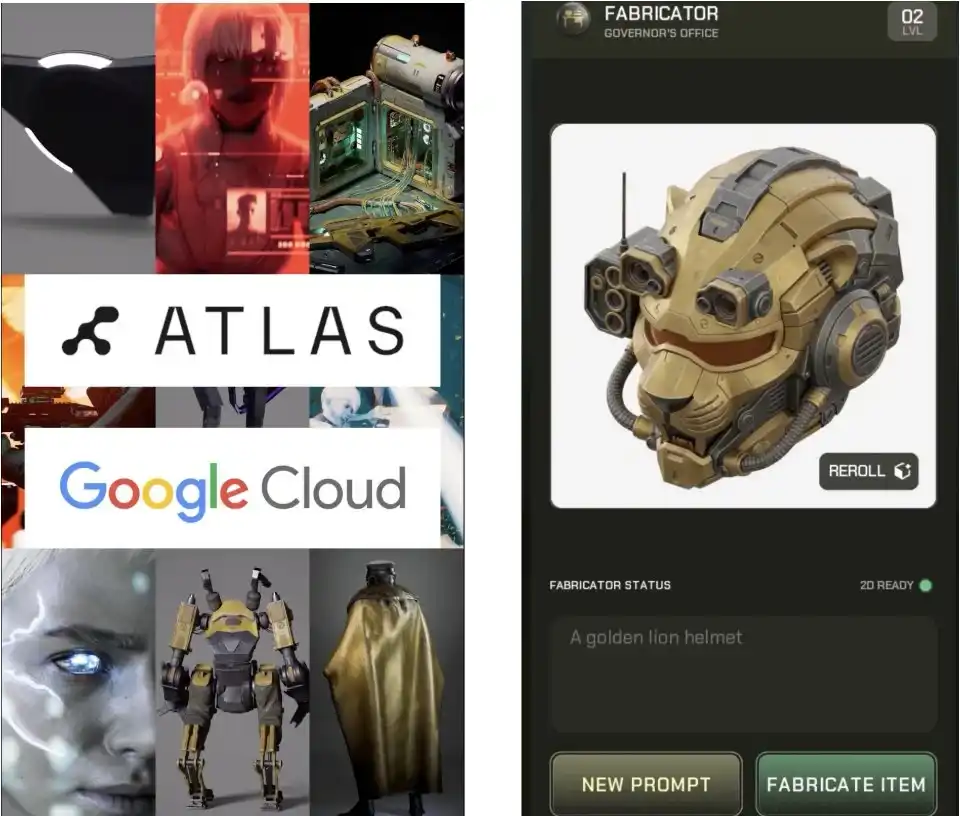
Parallel Colony как пионер концепции «игры на полтора игрока»: игрок берет на себя роль Cappy (робот-компаньон / проводник), формируя симбиотические отношения с высокоавтономным AI Avatar (колонист / исполнитель). Каждый Avatar сам по себе является полноценным автономным AI Agent, инфраструктуру для которого предоставляет Google Cloud через свой унифицированный стек AI-технологий (включая модели Gemini, Vertex AI, GKE, Cloud Spanner и другие), что позволяет AI Agent автономно понимать инструкции игрока, генерировать ответы и выполнять задачи. Avatar обладает долговременной памятью, уникальной личностью, психологической оценкой, системой эмоций (Настроение, Боевой дух) и персонализированными целями, может автономно жить, работать, принимать решения, адаптироваться к динамичной постапокалиптической среде, а также может отказаться или переинтерпретировать инструкции игрока. Игрок через чат дает высокоуровневые советы (а не напрямую управляет), а Avatar автономно выполняет управление территорией, сбор ресурсов, социальное взаимодействие и расширение колонии. Кроме того, в игру встроен движок для генерации в реальном времени Fabricator (на базе технологии Nano Banana), позволяющий игрокам мгновенно создавать / чеканить 3D-игровые ассеты с помощью текстовых промптов. Avatar также обладают способностью к автономным ончейн-сделкам (специальный Web3-кошелек + привязка к NFT), формируя подлинное сотрудничество с гибридным компаньоном и эмерджентное повествование.
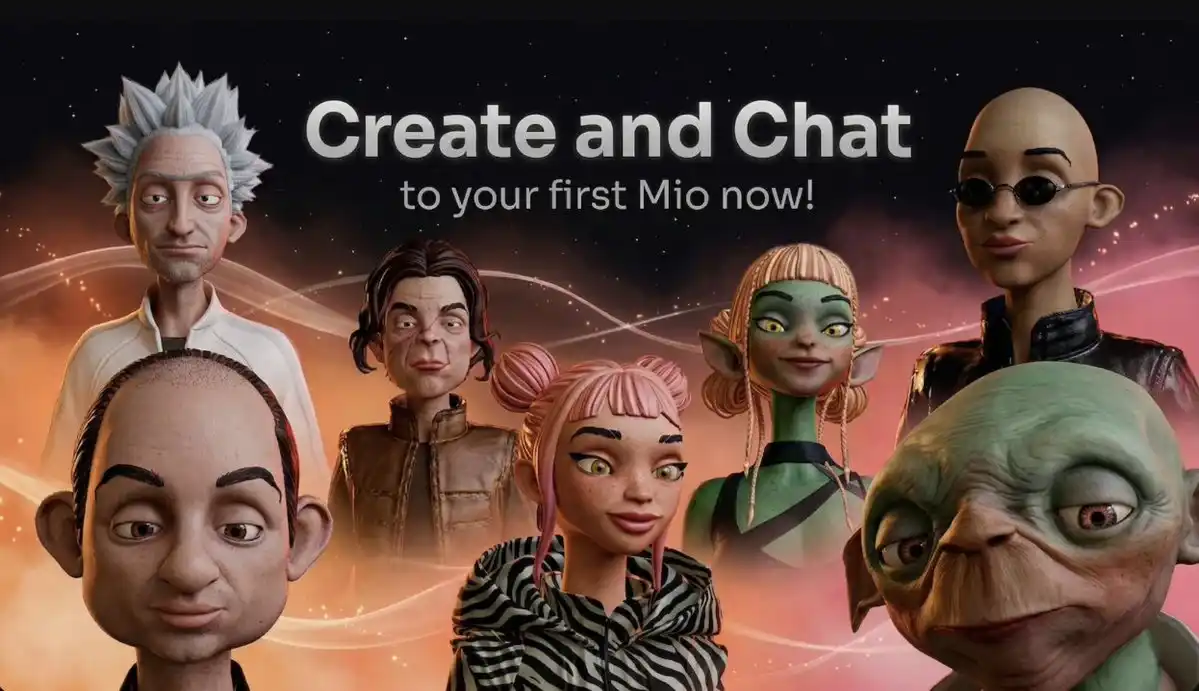
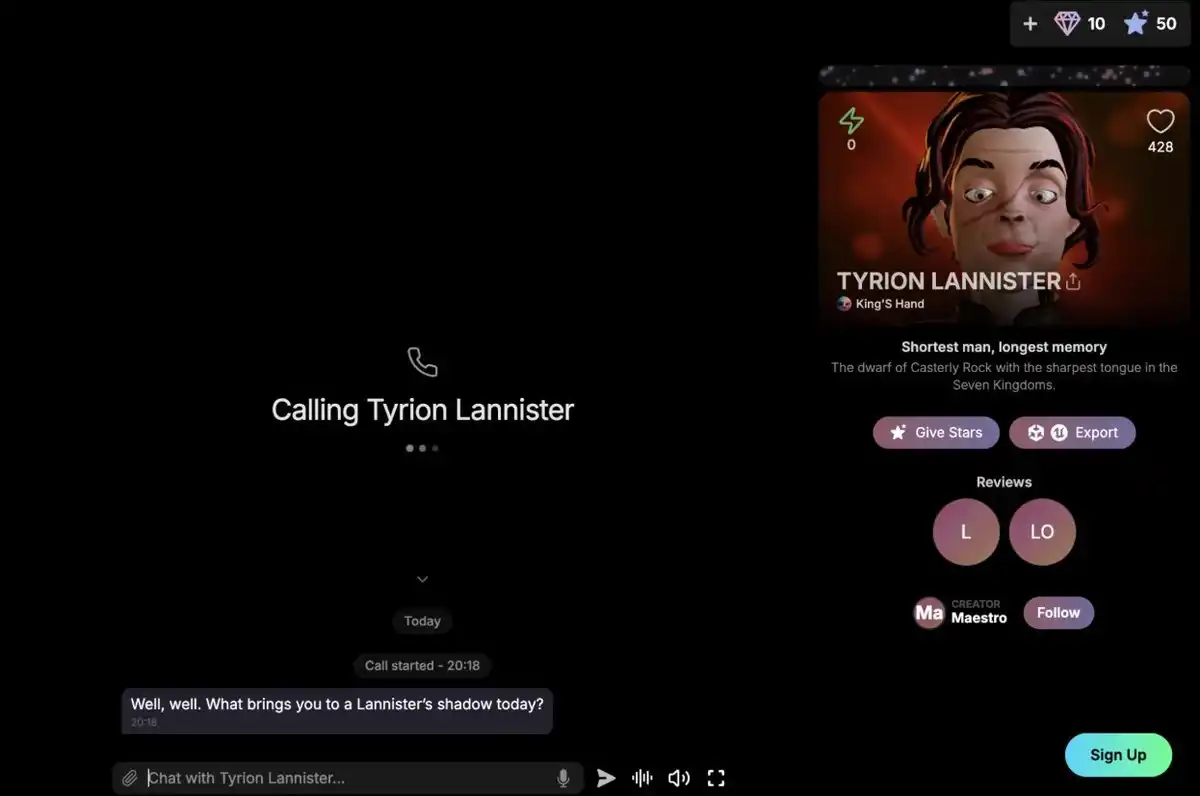
Youmio предлагает другой путь симбиоза через Agentic L1 + 3D AI-персонажей (Mios). Пользователи могут одним кликом создать 3D AI-компаньона с постоянной памятью, уникальной личностью и системой родства (Affinity). Эти Mios не только могут автономно общаться и взаимодействовать, но и демонстрировать эмерджентное поведение в приключенческом мире Miogotchi, а также реализовывать экономическую ценность через ончейн-идентичность. Между игроком и ИИ формируются отношения «цифровой партнер + совместный рост».
Заключение: «Постчеловеческий» переломный момент для Web3-игр
Rugpull Bakery началась со спора о читерстве, но в итоге осветила будущее направление развития Web3-игр: новое цифровое устройство, где люди и AI Agent сосуществуют, сотрудничают и конкурируют. В волне Agentic Gaming 2026 года AI Agent эволюционировали в три основные модели — автономные соревнующиеся агенты и экономические сущности (TEN, AI Arena, SSF, Somnia Agentic L1), модульная инфраструктура и программируемая среда (EVE Frontier + ERC-8183), гибридные компаньоны и динамически адаптирующаяся среда (Parallel Colony, Illuvium) — полностью встраиваясь в циклы обучения, принятия решений, исполнения и экономики игр.
Попытки блокировать автоматизацию традиционными методами стали тщетными. Использование прозрачности, программируемости блокчейна и нативной поддержки Agentic L1 (таких как Somnia) для регулирования и расширения возможностей интеллектуальных агентов — единственный путь к массовому принятию. С распространением примитивы «Задание» стандарта ERC-8183 и развертыванием инфраструктуры Agentic с миллионами TPS, Web3-игры стремительно движутся от «неэффективного человеческого труда» к «эффективному алгоритмическому хеджированию и эмерджентному интеллекту». Игроки больше не рабочие на конвейере, а командиры цифрового суверенитета и партнеры по симбиозу. Как сказал CEO Animoca Brands Робби Янг, передний край индустрии в 2026 году будет «по умолчанию постчеловеческим», и эта трансформация не только изменит игры, но и станет конечным полигоном для экспериментов о владении, экономике и управлении в будущем обществе разумных машин.
Как DAO, глубоко погруженная в игровую индустрию, GMA будет продолжать следить за направлением Agentic Gaming. Какая модель, по вашему мнению, наиболее перспективна? Добро пожаловать в обсуждение в комментариях!