Автор: Nancy, PANews
Эндрю Канг, бывший звездный инвестор на крипторынке, смещает акценты в сторону ИИ и робототехники. 20 мая Эндрю Канг объявил о своем официальном назначении на должность генерального директора RoboStrategy, отвечая за стратегическое направление компании и управление инвестиционным портфелем.
RoboStrategy, инновационный фонд, вдохновленный моделью капитала криптокомпании MicroStrategy, недавно официально вышел на NASDAQ и получил обязательства по привлечению акционерного финансирования на сумму до 20 миллиардов долларов, что быстро привлекло внимание рынка.
От криптовалют к роботам: уже инвестировал в звездные компании, такие как Figure
RoboStrategy — это публичный закрытый фонд, специализирующийся на робототехнике и физическом ИИ, совместно основанный Эндрю Кангом и Марком Вайнштейном в 2025 году. Его цель — открыть возможности для инвестиций в раннюю робототехнику, ранее доступные лишь ограниченному кругу институциональных инвесторов, для более широкой аудитории обычных инвесторов.
Эндрю Канг и Марк Вайнштейн также являются соучредителями криптоинвестиционной компании Mechanism Capital. С момента своего основания в 2020 году Mechanism Capital инвестировала в более чем сто криптопроектов, включая известные протоколы и платформы, такие как Arbitrum, Pendle, Near, Deribit, 1inch. Однако, судя по открытой информации, с октября 2025 года Mechanism Capital редко раскрывала новую динамику инвестиций в криптовалюты. Эндрю Канг недавно также признался, что в последние несколько месяцев он перестал внимательно следить за крипторынком.
Вместо этого он направил больше усилий в сферу робототехники. По словам Эндрю Канга, он начал изучать эту отрасль еще два года назад, но в то время большинство венчурных капиталистов не советовали ему в нее входить. В рыночных условиях того времени робототехническим компаниям было сложно привлекать финансирование, в отрасли не хватало зрелых примеров крупномасштабного успеха, а также существовало множество сомнений относительно их коммерческих путей развития, способности внедрения технологий и потенциального рыночного пространства.
Но, по его мнению, ускоренное развитие физического ИИ кардинально изменит всю отрасль. Человекоподобные роботы — одно из немногих направлений, обладающих потенциалом «от нуля до рынка в несколько триллионов долларов». Их этап развития аналогичен биткоину в 2013 году, но с большим долгосрочным рыночным потенциалом. Особенно с учетом продолжающегося дефицита рабочей силы в обрабатывающей промышленности, логистике и сфере услуг, технологии физического ИИ и робототехники ускоряют свое проникновение в реальные промышленные сценарии.
Таким образом, в феврале 2024 года Эндрю Канг совершил свою первую важную инвестицию в сфере робототехники, вложив 19 миллионов долларов в Figure AI. Сегодня Figure AI стала одной из компаний с самой высокой оценкой в мире в области человекоподобных роботов, ее последняя оценка достигла 39 миллиардов долларов, в то время как в феврале 2024 года ее предынвестиционная оценка составляла всего около 2 миллиардов долларов. (Связанное чтение:Предприниматель с фермы: создав летающий автомобиль, он сделал ставку в робототехнике и получил гиганта стоимостью 39 миллиардов долларов)
Тем не менее, Эндрю Канг также осознает, что будущее развитие робототехнической отрасли в высокой степени будет зависеть от огромного долгосрочного капитала, который не смогут обеспечить отдельные лица или традиционные фонды. Кроме того, стартапам в области робототехники нужна платформа с долгосрочным капиталом, которая действительно понимает потребности отрасли, чтобы помочь им получить постоянное финансирование, отраслевые ресурсы и поддержку рыночного восприятия. Что еще более важно, в настоящее время инновации в робототехнике в основном сосредоточены на частном рынке, в котором большинство обычных инвесторов не могут участвовать.
Исходя из этого, Эндрю Канг совместно основал RoboStrategy. На данный момент RoboStrategy уже инвестировала в робототехнические компании, такие как Figure AI, Apptronik, Dyna Robotics, Dexmate, Standard Bots, Path Robotics, охватывая оборудование, инфраструктуру, программное обеспечение и другие области, со средним размером инвестиций в раунде около 7 миллионов долларов.
По мнению Эндрю Канга, по сравнению с традиционными венчурными капиталистами, RoboStrategy обладает несколькими дифференцирующими преимуществами. Во-первых, как закрытый фонд, его капитал является постоянным, не имеет ограничений по сроку существования, как у традиционных венчурных фондов, что позволяет ему инвестировать в робототехнику и физический ИИ с крайне долгосрочной перспективой. Во-вторых, команда объединяет нескольких опытных специалистов отрасли, включая экспертов, долгое время работавших основателями или операторами, поэтому многие стартапы считают ее одним из «самых профессиональных и знающих отрасль» инвестиционных институтов. Кроме того, благодаря преимуществам команды в области цифрового маркетинга и социальных сетей, RoboStrategy обладает не только более сильными возможностями по распределению фондов, но и лучше умеет расширять влияние и отраслевую осведомленность, тем самым помогая своим портфельным компаниям привлекать больше внимания, талантов и ресурсов.
Выход на NASDAQ: попытка повторить капитальный маховик MicroStrategy
Как первый закрытый фонд, специально разработанный для инвесторов публичного рынка, RoboStrategy официально начал торговаться на NASDAQ 11 мая под тикером «BOT». На данный момент цена акций BOT составляет около 28,2 доллара, что примерно на 21,58% ниже уровня с момента выхода на биржу.

Согласно открытым данным, член совета директоров RoboStrategy Джейсон Чжао в октябре прошлого года купил 400 000 акций компании по цене 10 долларов за акцию; затем Эндрю Канг также купил 246 000 акций по той же цене. В то же время инвестиционная консультационная компания FP Strategies LLC в апреле этого года продолжила увеличивать свою долю, купив 290 000 акций по цене 10 долларов за акцию, и на данный момент владеет примерно 390 000 акциями.
С точки зрения логики капитальных операций, RoboStrategy черпает вдохновение в модели казначейства биткоина MicroStrategy, которая, непрерывно выпуская акции и конвертируемые облигации на открытом рынке капитала, привлекает дешевый капитал для постоянного увеличения доли биткоина и, используя премию к цене акций, формирует капитальный маховик. Эта модель уже была скопирована многими компаниями.
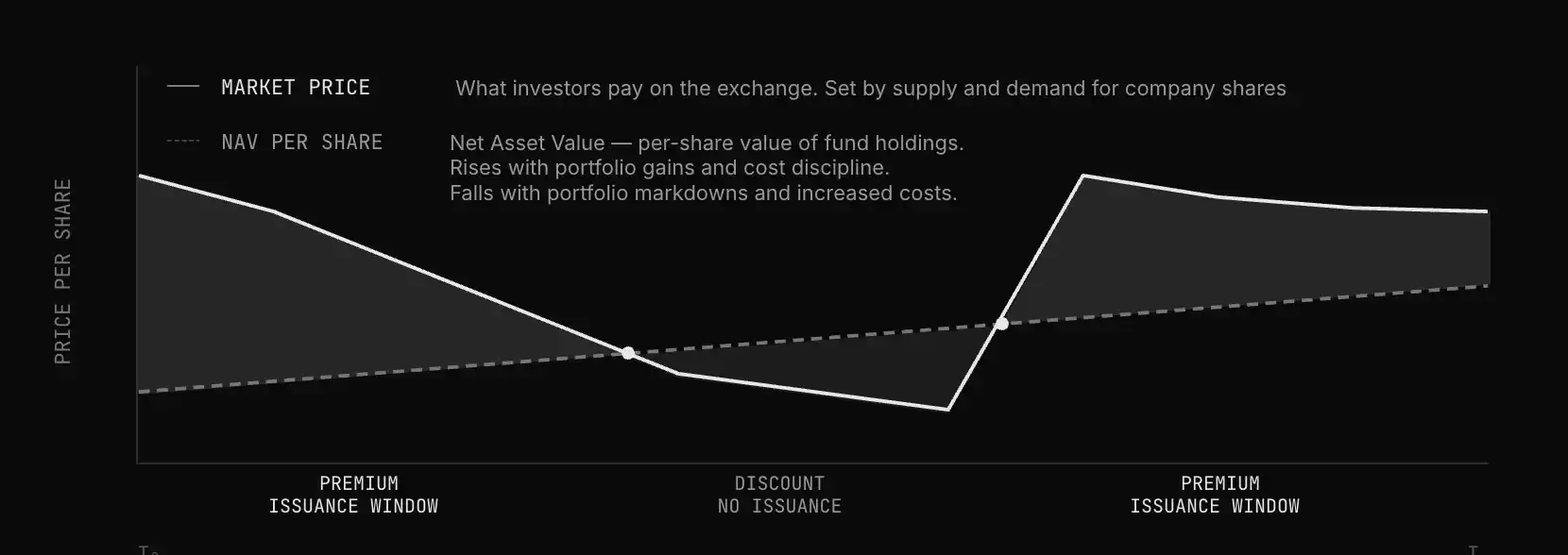
RoboStrategy пытается воспроизвести эту логику в сфере робототехники. Основная идея фонда заключается в использовании трех основных инструментов финансирования — CEF, PIPE и ATM — для постоянного привлечения капитала, когда цена акций фонда имеет премию к стоимости чистых активов (NAV), и последующего направления средств в частные компании с высоким потенциалом роста в области робототехники и физического ИИ, тем самым создавая капитальный маховик сложных процентов R.I.S.E.
Так называемый R.I.S.E. представляет четыре этапа:
· Raise (Привлечение): выпуск акций с премией, когда рыночная цена выше NAV, для получения большего количества денежных средств;
· Invest (Инвестирование): путем тщательной проверки, размещение капитала в робототехнические проекты с высокой уверенностью;
· Scale (Масштабирование): портфельные компании используют новый капитал для ускорения расширения, способствуя росту NAV фонда;
· Expand (Расширение): по мере роста NAV и повышения интереса к отрасли, дальнейшее привлечение инвесторов и нового капитала, увеличение масштабов и влияния фонда.
По сути, эта модель использует механизм двойного ценообразования закрытых фондов — рыночной цены и стоимости чистых активов — стремясь в долгосрочной перспективе достичь роста NAV на акцию с эффектом сложного процента, одновременно заменяя традиционную структуру многоуровневых частных фондов единой структурой публичного фонда.
Уже в этом месяце RoboStrategy подписала соглашение о выделении акционерного финансирования на сумму до 20 миллиардов долларов с дочерней компанией Roth Capital Partners, Roth Principal Investments, для поддержки своих стратегических планов роста.
Однако, как и в случае с большинством историй казначейства криптокомпаний, которым сложно поддерживать динамику, RoboStrategy также сталкивается с немалыми рисками.
По состоянию на 31 марта 2026 года NAV RoboStrategy составляла примерно 7,31 доллара на акцию, а общие чистые активы — около 145,5 миллиона долларов. При текущей цене акций рыночная премия к оценке приближается к 3 разам. Однако высокая премия не означает, что риска дисконта не существует. Кроме того, поскольку фонд инвестирует в основном в непубличные робототехнические компании, оценка самих активов носит в значительной степени субъективный характер, ликвидность ограничена, а пути выхода в высокой степени зависят от рынков IPO или слияний и поглощений. Как только условия для привлечения капитала ухудшатся, данные активы могут столкнуться с давлением на переоценку.
Кроме того, структура закрытого фонда означает, что инвесторы не могут выкупать доли в любое время, как в открытом фонде, а только торговать на вторичном рынке, поэтому ценовые колебания часто усиливаются.
Сможет ли RoboStrategy в будущем долгосрочно поддерживать высокую премию и интерес рынка, еще предстоит проверить.