US AI Giant's Massive Bond Issuance, Hiding a Nearly $2 Trillion Off-Balance-Sheet 'Bomb'

marsbitОпубликовано 2026-08-14Обновлено 2026-08-14

Введение

Amidst the AI investment boom on Wall Street, a rare bond issuance frenzy is sweeping major US tech firms. AMD recently raised $4.75 billion in its largest-ever USD bond sale. This follows massive debt offerings from Nvidia ($25B), Amazon (planning at least $25B), and Alphabet ($25B), with tech giants collectively issuing nearly $220 billion in bonds so far this year—more than double 2025's total. While this fuels an AI infrastructure "race," raising real yields, a hidden risk looms. Research by Goldman Sachs and Morgan Stanley reveals nearly $2 trillion in off-balance-sheet financial commitments from giants like Alphabet, Microsoft, Amazon, and Meta. These stem from future lease obligations and purchase contracts for data centers, not formally recorded as debt. The trend, pioneered by Meta's structured financing for its Louisiana data center, allows massive expansion without bloating balance sheets. Though traditional credit metrics for these companies remain strong, credit markets are reassessing risk. Yields on related bonds are rising, and credit default swap (CDS) premiums for firms like Oracle and Nvidia have hit record highs. The concern is that if AI data center returns disappoint, these hidden liabilities could significantly impact credit markets. Investors are advised to look beyond headline numbers and scrutinize financial statement footnotes.

As the AI boom sweeps through Wall Street, a rare frenzy of bond issuance is spreading among U.S. tech giants.

According to a Bloomberg report on the 13th, Advanced Micro Devices Inc. (AMD) raised $4.75 billion through its largest-ever U.S. dollar bond sale, adding another wave of debt driven by the current artificial intelligence craze. However, behind the massive pile-up of debt, risks are already surging beneath the surface.

The 'Financing Race' on the AI Track

AMD's bond issuance is not an isolated case. From chips to cloud services, nearly the entire AI industry chain has been rushing into the bond market this year.

Nvidia issued $25 billion in bonds in June, attracting orders of about $85 billion, more than three times the issuance size; foreign media reported in July that Amazon plans to raise at least $25 billion; in early August, Google's parent company Alphabet issued $25 billion in bonds, with subscription orders reaching a staggering $115 billion.

According to a Reuters report on the 14th, data from London Stock Exchange Group (LSEG) shows that companies including Alphabet, Amazon, and Meta have issued nearly $220 billion in bonds so far this year, more than double the $108 billion for the entire year of 2025.

On the surface, this is a financing race to 'secure a position' for the future of AI. The rapid growth in computing power for large model training, the rise in inference demand driven by AI Agent deployment, and the ongoing shortage of high-end GPUs are fueling the need for capital. However, the flip side of the coin is an increasingly heavy debt burden.

Furthermore, the massive bond issuances by AI giants are also pushing up real yields. The aforementioned Reuters report pointed out that the U.S. 30-year real yield, measured by inflation-linked bonds, is near an 18-year high of about 3%, while 10-year real yields in the U.K. and Germany are also near their highest levels in over a decade.

Investors and analysts say that the surge in borrowing by AI 'hyperscale compute providers' has been a key driver pushing real yields higher, as buyers demand higher returns to continue purchasing the large volume of bonds flooding the market, against the backdrop of governments still spending heavily.

Real yield is the return bond investors demand after accounting for inflation and is an important indicator of the real borrowing cost for governments and companies. It is typically determined by expectations for economic growth, interest rates, and currency supply and demand.

The Nearly $2 Trillion Off-Balance-Sheet 'Hidden Bomb'

The visible bond issuance is just the tip of the iceberg. According to an article published on August 11 by BigGoFinance, the latest research from Goldman Sachs and Morgan Stanley reveals that AI cloud giants, including Alphabet (Google's parent company), Microsoft, Amazon, and Meta, have accumulated close to $2 trillion in off-balance-sheet financial commitments through lease agreements and purchase contracts that have yet to commence.

'If returns on AI data center investments fall short of expectations, these hidden bombs buried in the footnotes of financial statements could deliver a substantive blow to credit markets,' the website reported.

Goldman Sachs estimates that the total off-balance-sheet lease commitments of major cloud operators are about $1.5 trillion, of which approximately $1 trillion have not yet begun. Under U.S. Generally Accepted Accounting Principles (GAAP), these are only disclosed in the footnotes of financial statements and are not recognized as formal lease liabilities and right-of-use assets. Meanwhile, Morgan Stanley estimates that as of the first quarter of this year, Alphabet, Microsoft, Amazon, Nvidia, and Oracle have combined purchase commitments for chips, equipment, power, and computing capacity totaling $982 billion. Combined, the total approaches $2 trillion.

The origin of this off-balance-sheet financing trend can be traced back to Meta's structured financing solution for its 'Hyperion' data center in Louisiana. Meta partnered with alternative asset management firm Blue Owl to establish a joint venture named Beignet, with the latter responsible for developing and holding the data center assets. Meta holds only 20% of Beignet's equity but has committed to leasing the facility for at least 20 years. It is this long-term lease guarantee that enabled Beignet to issue a record-breaking $27 billion of amortizing bonds.

Although Meta essentially shoulders the repayment obligation, this massive debt is not directly recorded on Meta's own balance sheet, allowing the tech giant to expand its AI infrastructure at scale without significantly raising its on-book leverage. This 'best of both worlds' structure has sparked imitation within the industry, leading to a proliferation of various lease arrangements.

Measured by traditional credit metrics, the financial health of these cloud giants remains sound. Morgan Stanley data shows their average net leverage ratio is only 0.5x, lower than the tech industry average of 0.8x and the U.S. non-financial corporate average of 1.8x, with total cash holdings even exceeding on-book debt. Optimists believe that with robust cash flow from core businesses, even if data center investment returns fall short, equity investors would bear the brunt of the pressure first, not creditors.

However, the credit market has already begun reassessing risks. Taking Beignet's bonds as an example, their yield has climbed from around 5.65% at issuance last autumn to 6.95%. While part of the reason is the passive transmission of overall rising U.S. Treasury yields, this still reflects investors demanding higher risk compensation.

Additionally, the prices of credit default swaps (CDS), which reflect the risk of debt default, have also been rising steadily. The debt insurance premiums for giants like Oracle, Nvidia, Meta, and even Alphabet have successively hit record highs.

Looking back at history, every wave of technological advancement has been accompanied by excessive capital inflows, and the bursting of bubbles often begins with the overlooked debt reefs when liquidity recedes. For investors, while chasing the AI dividend, perhaps it's also time to carefully review the footnotes of financial reports and scrutinize these 'hidden liabilities'.

This article is from the WeChat public account 'Zhongxin Jingwei' (ID: jwview), author: Luo Kun

Трендовые криптовалюты

Связанные с этим вопросы

QWhat is the unprecedented debt issuance trend among U.S. tech giants driven by the AI boom?

AMajor AI and tech giants like AMD, NVIDIA, Amazon, and Alphabet are engaging in massive bond issuances to fund their AI infrastructure and expansion. For example, AMD raised $4.75 billion in its largest-ever dollar bond sale, NVIDIA issued $25 billion in bonds, and Alphabet issued $25 billion with overwhelming demand. Collectively, companies such as Alphabet, Amazon, and Meta have issued nearly $220 billion in bonds so far this year.

QWhat hidden financial risk, amounting to nearly $2 trillion, is identified in the article?

AThe article highlights nearly $2 trillion in off-balance-sheet financial commitments from AI cloud giants like Alphabet, Microsoft, Amazon, and Meta. These commitments arise from future lease agreements and procurement contracts for data centers and AI infrastructure that are not recorded as formal liabilities on their balance sheets but disclosed in financial statement notes.

QHow did Meta's 'Hyperion' data center project contribute to the off-balance-sheet financing trend?

AMeta structured the financing for its Louisiana 'Hyperion' data center through a joint venture called Beignet with alternative asset manager Blue Owl. Meta holds only 20% equity but guarantees a 20-year lease, enabling Beignet to issue a record $27 billion in bonds. This debt does not appear on Meta's balance sheet, allowing massive AI expansion without significantly increasing its reported leverage, a model later emulated by others.

QWhat impact has the surge in AI-related bond issuance had on real yields?

AThe massive bond issuance by AI 'hyperscalers' has been a key factor driving up real yields. For instance, the U.S. 30-year real yield, measured by inflation-linked bonds, is near an 18-year high of around 3%. Investors are demanding higher returns to absorb the large volume of bonds entering the market, increasing borrowing costs for governments and corporations.

QHow are credit markets responding to the risks associated with AI giants' debt and off-balance-sheet commitments?

ACredit markets are increasingly pricing in higher risk. For example, the yield on Beignet's bonds rose from about 5.65% at issuance to 6.95%. Additionally, credit default swap (CDS) prices for companies like Oracle, NVIDIA, Meta, and Alphabet have reached record highs, indicating that investors are demanding greater premiums to insure against potential defaults amid growing debt concerns.

Похожее

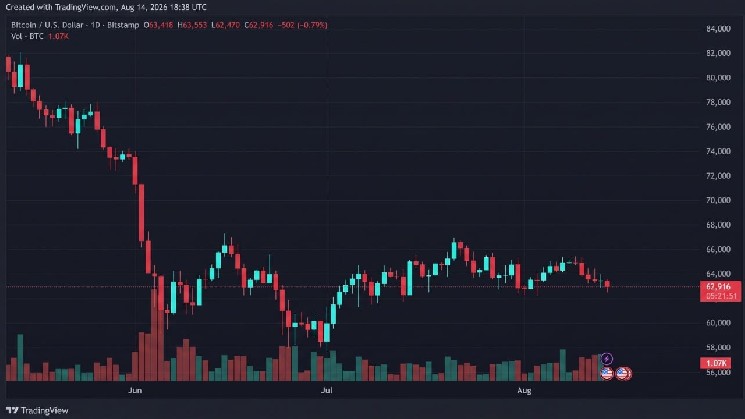
Курс биткоина опустился до 62 470 долларов, поскольку продавцы вновь тестируют уровень поддержки в 63 000 долларов

Курс биткоина в пятницу продолжил снижение, вновь опустившись ниже уровня поддержки в 63 000 долларов и достигнув дневного минимума в 62 470 долларов. Несмотря на последующее восстановление до отметки около 63 000 долларов, динамика цены оставалась вялой, а рыночная капитализация удерживалась ниже 1,27 трлн долларов. На рынке усилилась волатильность, приведя к значительным ликвидациям длинных позиций с кредитным плечом. Дополнительное давление оказал устойчивый отток средств из спотовых биткоин-ETF, что говорит о возможном отступлении институциональных инвесторов. Ситуацию усугубило предложение провайдера индексов MSCI о новых критериях отбора, которые могут привести к исключению из индексов компаний, активно использующих биткоин в казначейских резервах, таких как Strategy и Metaplanet. Это потенциально спровоцирует их принудительную распродажу институциональными фондами. Strategy публично осудила данную инициативу, заявив, что поставщики индексов должны измерять рынки, а не диктовать компаниям, какими активами владеть. Окончательное решение MSCI ожидается в октябре, и в случае принятия новые правила могут начать действовать уже в ноябре, создавая дополнительные препятствия для роста биткоина в конце года.

cryptonews.ru2 мин. назад

Курс биткоина опустился до 62 470 долларов, поскольку продавцы вновь тестируют уровень поддержки в 63 000 долларов

cryptonews.ru2 мин. назад

Тайно намайнил 1 BTC на рабочих компьютерах: сотруднику криптофирмы грозит тюрьма

40-летний Кристофер Ренкин из Вашингтона признал вину в несанкционированном доступе к компьютерам компании по майнингу биткоинов в Ниагара-Фолс и краже криптовалюты. В 2021 году, работая в компании, он вручную перезагрузил и перенаправил около 100 рабочих компьютеров на свой собственный майнинг-пул. В результате ему удалось завладеть 1,0668 BTC (на тот момент около $53 315). Его действия также перевели оборудование в режим высокой производительности, что нанесло ему ущерб и сократило срок службы. Ренкин был признан виновным по обвинению в нанесении ущерба защищенному компьютеру. Максимальное наказание по этой статье — до одного года лишения свободы и штраф до $100 000. Приговор будет оглашен 17 ноября 2026 года.

cryptonews.ru3 мин. назад

Тайно намайнил 1 BTC на рабочих компьютерах: сотруднику криптофирмы грозит тюрьма

cryptonews.ru3 мин. назад

Криптопроект Трампов отложил запуск связанного с Мальдивами токена

Криптопроект семьи Трампа World Liberty Financial ($WLFI) отложил запуск токена, связанного со строительством курортного комплекса Trump International Hotel & Resort на Мальдивах. Токен, который планировался к выпуску в 2027 году для токенизации доходов инвесторов от отеля, был приостановлен из-за нарушения транспортного сообщения в регионе на фоне войны США с Ираном. В компании также изучают возможности токенизации в сферах недвижимости, нефте- и газодобычи. Нативный токен $WLFI не отреагировал на новость, его цена остается около $0,05, что на 88% ниже исторического максимума. Несмотря на то, что Дональд Трамп отчитался о крупных заработках на криптовалютах, публичные проекты его семьи, такие как майнинговая компания American Bitcoin и Trump Media and Technology Group, продолжают нести значительные убытки.

cryptonews.ru4 мин. назад

Криптопроект Трампов отложил запуск связанного с Мальдивами токена

cryptonews.ru4 мин. назад

Количество активных адресов XRP выросло на 84%, цена на 72% ниже максимума

В экосистеме XRP наблюдается расхождение между ростом сетевой активности и динамикой цены. Количество активных адресов увеличилось на 84%, достигнув 43 543, однако цена токена торгуется примерно на 72% ниже своего исторического максимума в $3,66. Ключевым уровнем стал диапазон $1-$1,06, вокруг которого сконцентрирована текущая рыночная ситуация. Крупные держатели накопили более 380 млн XRP за предыдущую неделю, а на месячном графике появился сигнал на покупку по индикатору Tom DeMark Sequential. Несмотря на рост открытого интереса по мере приближения к зоне ликвидности около $1, спотовый объём остаётся ограниченным. Удержание уровня $1 и возврат выше $1,06 могут поддержать восстановление цены. Падение ниже $1 способно усилить давление на ликвидацию длинных позиций. Ставки финансирования остаются преимущественно положительными с конца июня, что указывает на преобладание длинных позиций на фьючерсных рынках. Технические индикаторы остаются слабыми: RSI ниже нейтрального уровня, а MACD находится в отрицательной зоне, сигнализируя о сохраняющемся медвежьем импульсе. Удержание $1 позволит протестировать сопротивление на $1,06, в то время как прорыв ниже может откинуть цену к уровням $0,98 и $0,93.

cryptonews.ru5 мин. назад

Количество активных адресов XRP выросло на 84%, цена на 72% ниже максимума

cryptonews.ru5 мин. назад

Fidelity и ARK возглавили отток средств из биткоина на сумму 131 млн долларов на фоне роста популярности ETF на эфир и XRP

В четверг продолжился отток средств из биткоин-ETF на общую сумму 131,13 млн долларов. Главными источниками оттока стали фонды ARKB от ARK 21Shares (58,82 млн долларов) и FBTC от Fidelity (55,12 млн долларов). Отток также затронул GBTC от Grayscale, Bitwise, Invesco, Blackrock и Wisdomtree. Лишь два фонда, Bitcoin Mini Trust от Grayscale и MSBT от Morgan Stanley, привлекли новые средства. При этом ETF на эфир показали чистый приток в размере 6,72 млн долларов, а фонд на XRP от Bitwise привлек 2,25 млн долларов. Интересно, что такие традиционные банки, как Bank of Montreal и Национальный банк Канады, раскрыли небольшие инвестиции в ETF на XRP и биткоин. Таким образом, давление продавцов сконцентрировалось на биткоине, тогда как эфир и XRP продолжили привлекать капитал, а криптовалютные продукты постепенно проникают в портфели институциональных инвесторов.

cryptonews.ru6 мин. назад

Fidelity и ARK возглавили отток средств из биткоина на сумму 131 млн долларов на фоне роста популярности ETF на эфир и XRP

cryptonews.ru6 мин. назад

Торговля

Спот

Популярные статьи

Неделя обучения по популярным токенам (2): 2026 может стать годом приложений реального времени, сектор AI продолжает оставаться в тренде

2025 год — год институциональных инвесторов, в будущем он будет доминировать в приложениях реального времени.

2.0k просмотров всегоОпубликовано 2025.12.16Обновлено 2025.12.16

Неделя обучения по популярным токенам (2): 2026 может стать годом приложений реального времени, сектор AI продолжает оставаться в тренде

Обсуждения

Добро пожаловать в Сообщество HTX. Здесь вы сможете быть в курсе последних новостей о развитии платформы и получить доступ к профессиональной аналитической информации о рынке. Мнения пользователей о цене на AI (AI) представлены ниже.

活动图片