Re-evaluating Founder-Market Fit Amidst the Crypto Bear Market

Foresight NewsОпубликовано 2026-07-27Обновлено 2026-07-27

Введение

In the current crypto bear market, the concept of founder-market fit emerges as the most enduring investment signal. While markets, regulations, and products constantly change, the alignment between a specific founder and a specific market remains the constant, compounding factor, especially when prices stall. The blockchain space is now attracting a higher caliber of founders than ever before. Talent has converged on solving serious problems in two key verticals: AI and fintech. The most compelling challenge has become building institutional-grade financial infrastructure, drawing serious operators from firms like Citadel, Stripe, Block, Nvidia, and Goldman Sachs. This shift is supported by maturing on-chain data: stablecoin settlement now surpasses Visa and Mastercard combined, institutional adoption is rising, and tokenized real-world assets are growing rapidly. When evaluating founders, four key traits are sought: deep domain expertise, high agency, an unfair advantage in networks, and obsession. Examples like Offchain Labs (Arbitrum), Ondo Finance, Morpho, Circle (USDC), and Alchemy demonstrate that projects possessing all four traits can define categories and endure through cycles. For founders already building, bear markets strip away momentum and reveal true conviction. This period offers the quiet, uncrowded space to build foundational products that will define the next cycle when capital returns. Capital is still available, and lower valuations present an opportu...


Written by: Paul Veradittakit

Compiled by: AididiaoJP, Foresight News


Abstract


Founder-market fit is the most enduring signal in venture capital. Markets, regulations, and products are constantly changing, but the fit between a specific founder and a specific market is the only thing that remains constant.


We have never seen so many founders well-suited to the blockchain space. The truly interesting questions have now converged onto two tracks: AI and FinTech, and the most serious operators are flooding in from Citadel, Stripe, Block, Nvidia, and Goldman Sachs—because that genuinely difficult problem—institutional-grade financial infrastructure—has finally become an interesting problem.


We look for four qualities: deep domain expertise, high agency, an unfair network, and obsession. Every category-defining project we've backed during the bear market, from Offchain Labs to Ondo, possesses all four.


Every founder starts by asking the wrong question. They first ask, "Is this the right market?" The question that truly predicts who will win is: Are you inherently suited to win in the market you've chosen?


Markets change, products change, regulations change. Founder-market fit is the only thing that compounds through it all and the only thing that continues to compound when prices are no longer rising.


This is easy to say in a bull market, but it must be faced head-on in the current market. Let's first lay out the real context: Bitcoin has fallen about half from its October 2024 high of $126k, market sentiment is fear, and capital and attention have largely shifted to AI—last year, AI absorbed about $211 billion, nearly half of all venture capital, while blockchain attracted only about $20 billion. Artemis data shows that blockchain code commits have dropped about 75% since early 2025, and a group of the industry's most prominent operators have announced pivots to AI. These are the facts, but what they truly mean requires looking deeper.


The developers who left are mostly those who entered during the last bull market; the people writing most of the code now are more experienced contributors. Artemis interprets this as consolidation, not collapse. Talent hasn't disappeared—GitHub added about 36 million developers last year, with overall platform commits growing about 25%, almost all flowing to AI.


The crypto winter is a moment of clarity. It shows you which builders are anchored to a mission and which are only anchored to upside.


So the question has never been whether the market will return, but who will still be standing and who will have become stronger when it does. The answer each cycle boils down to the fit between specific founders and specific markets. This is founder-market fit, the most enduring signal.


We Have Never Seen So Many Founders Suited to the Crypto Market


This is where you should really change your view of the "talent exodus." In past cycles, talent was diluted across hundreds of speculative narratives, with most people just chasing price. Now, the truly interesting questions have converged into two verticals: AI and FinTech, and the founders choosing to solve these problems with blockchain are the most qualified I've seen across four cycles.


The market has matured enough for serious operators to treat it as a career, and the data is global. Specifically:


In 2025, the on-chain settlement value of stablecoins surpassed the combined total of Visa and Mastercard, at approximately $33 trillion, with about 60% of that now being business-to-business activity. This includes real economic activities like corporate treasury, cross-border settlement, and supplier payments, not just speculation.


Nearly 90% of surveyed financial institutions are using or piloting stablecoins; the scale of US Treasury bonds held by stablecoin issuers already exceeds that of Germany or Saudi Arabia; Goldman Sachs, JPMorgan, and BNY Mellon have all launched tokenization products.


Tokenized real-world assets on public chains have surpassed $30 billion, growing over 400% since early 2025. Tracks are being laid globally in sync: The GENIUS Act provides a federal framework for US stablecoins, Europe's MiCA creates a license usable across the entire EU, and Hong Kong, Singapore, and the UAE have all adopted proactive political and regulatory stances.


BCG predicts tokenized asset scale will reach $16 trillion by 2030. When the serious version of a problem arrives, serious founders follow.


The clearest evidence is who is showing up. The truly difficult problem in blockchain now is institutional-grade financial infrastructure, which is exactly the problem the best operators in traditional finance have spent their careers solving. Nathan Allman left Goldman Sachs' digital asset team to found Ondo, now managing a product matrix worth about $2.6 billion, bringing Treasuries and other assets on-chain. Ed Felten went from Princeton professor and White House roles to co-founding Offchain Labs and building Arbitrum. Even within our own firm, my partner Franklin Bi came from JPMorgan's Onyx blockchain team. The founders walking into our meeting rooms now are leaving Goldman Sachs, Citadel, Stripe, and Block—they're not here to chase narratives, but because that genuinely difficult problem has finally become an interesting one.


The Four Dimensions We Underwrite


When meeting founders in this market, I look for four things.


Deep Domain Expertise. You have lived in the market, not just read the map. In a bear market, buyers only schedule truly important meetings, and technical depth consistently trumps a slick pitch. Ed Felten spent a lifetime on the hardest problems in systems and security before co-founding Offchain Labs and building Arbitrum. We led the seed round precisely because this depth allowed the team to see the scaling problem clearly while the market was still arguing.


High Agency. Clearly articulating your thesis on where the market is going to mature, skeptical people until they want to build on top of you. Paul Frambot founded Morpho in Paris in his twenties based on a contrarian thesis: DeFi will win as infrastructure, not just another app—a layer brands and institutions embed, rather than building themselves. That's why Coinbase's crypto-backed loans run on Morpho, Robinhood's on-chain yield product is built on it, and Apollo's credit uses the same rails. He didn't win anyone over with marketing; he just saw the shape of the market earlier.


An Unfair Network. The right relationships let you move faster than anyone else; one warm introduction beats any cold start. Jeremy Allaire launched USDC in September 2018, at the bottom of the last bear market, with Coinbase bound as a partner from day one, becoming its distribution engine. The market took nearly two years to turn, but Circle kept building, making USDC one of the two major dollar stablecoins that the on-chain economy now relies on for settlement. What an unfair network buys is the space to keep delivering through the winter until the market catches up and the rails are already yours. We have been investors in Circle all along.


Obsession. People leave when things get tough; obsessive people stay across cycles, persisting long before it pays off—the kind of belief that kept Hal Finney, Nick Szabo, and Adam Back working on digital cash for decades without a market or money. The grounded version is Alchemy. Nikil Viswanathan and Joe Lau shut down a viral consumer app to build a blockchain data product, realized the underlying infrastructure was the real prize, and have shaped Alchemy into the industry's default developer platform every cycle since 2017. We backed them because they will never stop. This is the trait not visible on a resume, yet it's the most important.


To the Founders Already on the Field


Conviction is the fuel for winter


In a bull market, price is the product, and momentum does the work for the founder. Capital is cheaper, hiring is easier, and every launch gets attention—whether it deserves it or not. In a bear market, the product is truly the product, those chasing price get washed out, and those left are the truly resilient builders. The bear market strips away all comfortable momentum; the only thing that can still push a founder forward is conviction.


True founder-market fit is, at its core, conviction, and conviction is an observable output. A founder who understands their market that deeply will keep building when the token is down 50% and headlines have all shifted to AI, because they can see the end state the market cannot yet price. This is also the least crowded time. When capital and attention leave, so does the noise: fewer teams chasing the same idea, less competition for engineers, and no one bidding up the price of the market you actually want to own. What winter gives you is something a bull market never will—time to build quietly while no one is watching.


And the capital is actually there, which surprises many. Most blockchain funds raised in the bull market, so the capital committed near the top gets deployed all the way through the winter. The playbook from here is straightforward: use that conviction to hire and retain, pivot towards true product-market fit in your domain, and raise the next round as the market accelerates into the next cycle. The only thing worth adjusting is runway—try to raise close to three years, not the usual 18-24 months, because winters last longer than anyone expects, and those who plan ahead are the ones still standing when the turn comes. This works in our favor too. Valuations down, ownership up—it's the best time to enter.


If you're still inside Goldman Sachs, Citadel, or Stripe


This section is written specifically for you. The truly difficult problem in digital assets is no longer clever consumer apps. It's institutional-grade financial infrastructure: settlement, credit, custody, compliance—the unglamorous underlying machinery you already work on every day. For years, this skillset was mismatched with digital assets. Now, it is the entire game.


This is a notable shift. You don't need to have been here for years, and you don't need to time the bottom. You need to understand a market that traditional finance understands better than crypto natives, and start while the space is quiet enough to build. Winter is not a risk; it's a proving ground; the tourists are gone, the noise is gone, making it more convenient. Founder-market fit is what compounds when prices are no longer rising, and the fit between an operator like you and this specific problem might be the strongest in the market right now.


To the founders already on the field: Stay grounded and keep building. Founder-market fit is what compounds when prices are no longer rising, and this season is the test of it. Fit, let it stand.


The founders who will define the next cycle aren't waiting for it to arrive. They are being launched in the quiet, by people who understand their market too well to be scared off by token prices. Every truly important category in blockchain has been built this way—built by the people inherently suited to build it, in a winter that sent everyone else home.


So the real question has never been whether the market will return. It's whether, when it does, you will still be standing in the market you are inherently suited to win. If that's you, we hope to meet you before the rest of the market remembers you exist.

Трендовые криптовалюты

Связанные с этим вопросы

QAccording to the article, what are the four key traits that the author looks for in founders when evaluating founder-market fit, especially during a bear market?

AThe author looks for four traits: 1) Deep domain expertise, 2) High agency, 3) An unfair network (of contacts), and 4) Obsession.

QWhat does the author cite as evidence that the blockchain space is now attracting serious talent from traditional finance?

AThe author cites that founders are now coming from institutions like Citadel, Stripe, Block, Nvidia, and Goldman Sachs. They point to specific examples like Nathan Allman (ex-Goldman Sachs) founding Ondo, Ed Felten (ex-Princeton professor and White House) co-founding Offchain Labs, and Franklin Bi (ex-JPMorgan Onyx) joining the author's firm. This influx is because the 'hard problem' has shifted to institutional-grade financial infrastructure.

QHow does the author interpret the data showing a 75% drop in blockchain code commits and a shift of talent to AI?

AThe author argues this represents a consolidation, not a collapse. They state that the developers leaving are largely those who entered during the last bull run, while more experienced contributors remain. The significant growth in overall GitHub developers and commits flowing to AI is acknowledged, but the focus is on the higher quality of builders who stay anchored to a mission rather than just price appreciation.

QWhat strategic advice does the author give to founders who are already building in the crypto space during the bear market?

AThe advice is to use conviction as fuel: continue building, hire and retain talent, pivot towards true product-market fit, and extend their financial runway. Specifically, they recommend raising enough capital for close to three years (instead of the typical 18-24 months) to survive a potentially prolonged winter and be standing when the cycle turns.

QWhat is the core argument the article makes about the importance of founder-market fit in a crypto bear market?

AThe core argument is that founder-market fit is the most durable signal in venture investing. While markets, products, and regulations change, the fit between a specific founder and a specific market is what compounds over time. It is the only thing that continues to compound even when prices are no longer rising. A bear market strips away momentum and noise, revealing which founders have the deep conviction and innate suitability to build and win in their chosen market long-term.

Похожее

Акции связанного с Celsius майнера Bitcoin Ionic Digital подорожали на 26% при дебюте на Nasdaq

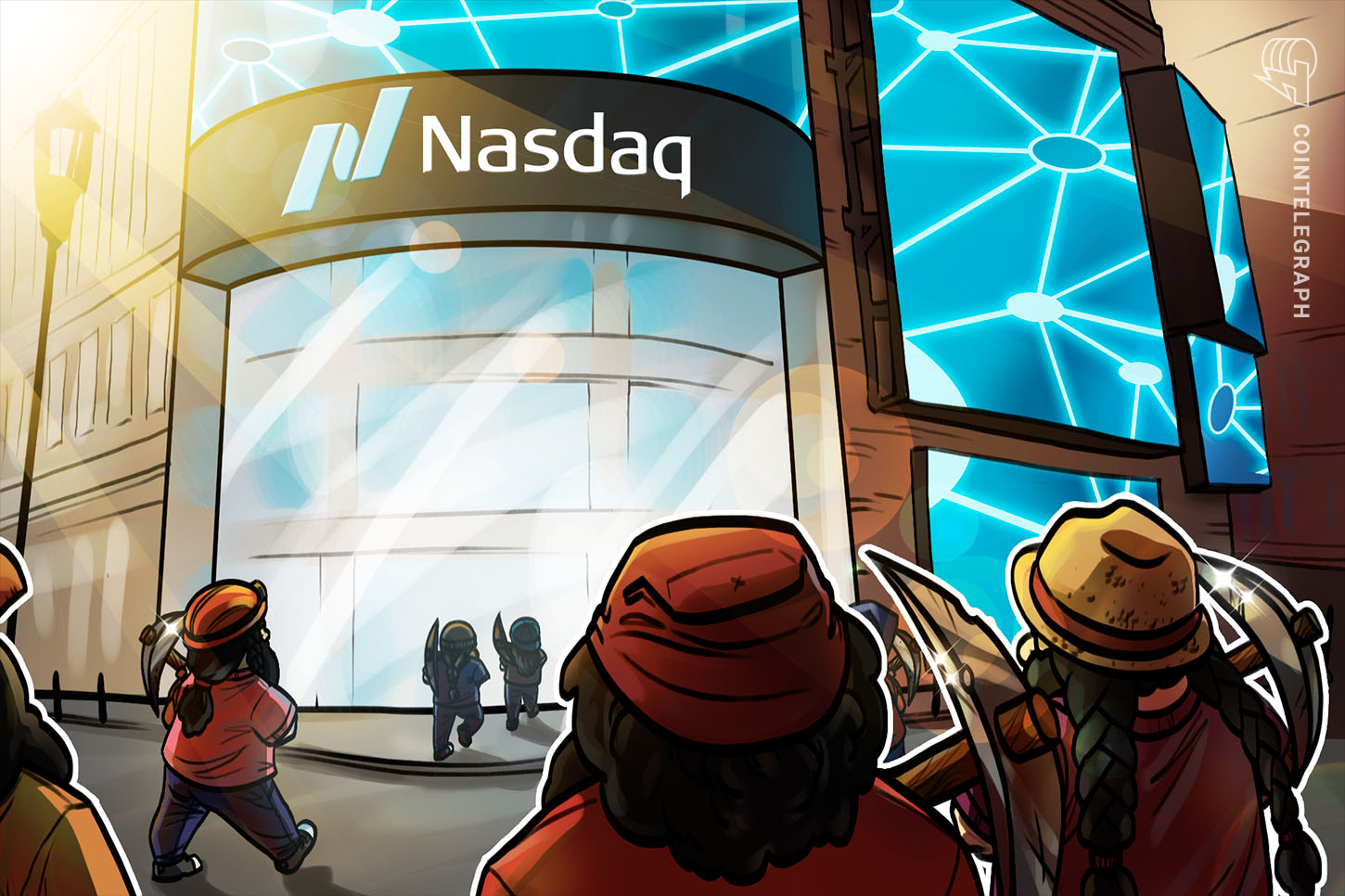
Акции майнера биткоинов Ionic Digital, связанного с обанкротившимся кредитором Celsius, выросли примерно на 26% в первый день торгов на Nasdaq во вторник в результате прямого листинга. Акции открылись по цене $50 и закрылись на отметке $62.90, что дало компании рыночную капитализацию около $2,8 млрд. Согласно данным Renaissance Capital, подразумеваемая стоимость Ionic в $2,4 млрд по референтной цене Nasdaq в $53 сделала это крупнейшим прямым листингом в США с 2021 года. Компания была создана в 2024 году для приобретения активов Celsius Mining в ходе реструктуризации и с тех пор расширила свою деятельность на инфраструктуру для искусственного интеллекта и высокопроизводительных вычислений. В послеторговой сессии акции скорректировались, упав на 6,5% до $58.80.

cointelegraph14 мин. назад

Акции связанного с Celsius майнера Bitcoin Ionic Digital подорожали на 26% при дебюте на Nasdaq

cointelegraph14 мин. назад

Ранний инвестор в компании Unitree вкладывает в компанию по интерфейсу мозг-компьютер

Ориентируясь на сцену из фильма «Аватар», основатель компании WaBo Technology Чжан Синчжи более десяти лет занимался изучением взаимодействия человека и машины. В конце 2025 года, с перспективным планированием интерфейса «мозг-компьютер» (BCI) в рамках 15-го пятилетнего плана и развитием соответствующих технологий, он основал WaBo Technology. Компания позиционирует себя как модельная, сосредоточившись на создании фундаментальной «модели нейронных намерений человека». Эта система предназначена для преобразования нейронных сигналов, поведения и контекстной информации в стандартизированные «векторы намерений», понятные машинам, для точного понимания целей, тенденций к действию и намерений пользователя, таких как подтверждение, исправление или остановка. Ядро команды сформировалось быстро. После начального раунда финансирования от Source Capital последовал ангельский раунд с участием Vertex Ventures (дочерней компании Temasek), фонда Hongtai, Future Industry Fund Chengdu и Huifengda Capital. Инвесторы высоко оценили системные возможности компании в сборе данных, обработке сигналов и инженерной реализации. Особый интерес вызвало сотрудничество WaBo Technology с Тяньцзиньским университетом в области космических интерфейсов «мозг-компьютер». В планах компании — создание двух штаб-квартир: в Шанхае (передовые исследования, модель нейронных намерений) и в Чэнду (аппаратное обеспечение, производство, поставки). По оценкам Чжан Синчжи, в ближайшие три года отрасль BCI ожидает консолидация, и выживут те компании, которые смогут создать устойчивый цикл «данные — модель — сценарии применения». Футуристическое видение, вдохновленное «Аватаром», постепенно становится реальностью.

marsbit42 мин. назад

Ранний инвестор в компании Unitree вкладывает в компанию по интерфейсу мозг-компьютер

marsbit42 мин. назад

ChangXin Technology: Циклическая акция на вершине цикла

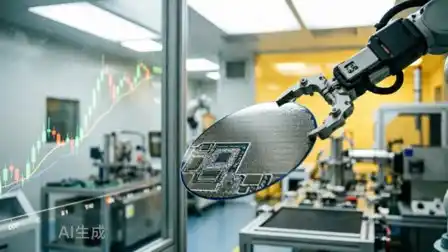
Компания Changxin Technology (长鑫科技) достигла рыночной капитализации в 3,28 трлн юаней, возглавив список компаний на бирже А в Китае. Всего за два года она смогла преодолеть убытки в 163 млрд юаней и прогнозирует чистую прибыль в 50-57 млрд юаней за первое полугодие 2026 года. Этот стремительный рост обусловлен ажиотажным спросом на память DRAM, вызванным бумом в сфере искусственного интеллекта и импортозамещением. Однако корни этой трансформации лежат в циклической природе отрасли DRAM. Продукция стандартизирована, а расширение мощностей занимает годы, что ведет к регулярным циклам дефицита и перепроизводства. Рост прибыли Changxin в основном обусловлен резким скачком цен на DRAM, связанным с перераспределением мощностей мировых гигантов (Samsung, SK Hynix, Micron) в пользу более прибыльной памяти HBM для AI. Несмотря на текущий успех, в отрасли уже намечаются признаки замедления роста цен и начинается масштабная волна инвестиций в новые мощности. Аналитики прогнозируют, что пик цен может прийтись на 2026-2027 годы, а к 2028 году возможно избыточное предложение. Ключевым вызовом для Changxin является преодоление отставания в производстве HBM, чтобы обрести устойчивость к следующему спаду цикла. Таким образом, Changxin Technology является одновременно и важным национальным достижением в области полупроводников, и классической циклической компанией. Ее долгосрочная ценность основана на повестке импортозамещения и росте доли рынка, но текущая рыночная капитализация, по всей видимости, уже учитывает многолетний рост. Инвесторам следует тщательно оценивать риски, связанные с инвестированием в циклическую акцию на пике её цикла.

marsbit47 мин. назад

ChangXin Technology: Циклическая акция на вершине цикла

marsbit47 мин. назад

Самый прибыльный квартал в истории SK Hynix: почему он все равно «не оправдал ожиданий»?

SK Hynix представила отчет за второй квартал 2026 года, показав рекордную прибыль. Выручка составила 79,32 трлн вон (рост на 257% г/г), операционная прибыль достигла 60,54 трлн вон (рост на 557% г/г), а операционная рентабельность поднялась до 76%. Несмотря на эти выдающиеся результаты, отчет был воспринят рынком как «не оправдавший ожиданий», поскольку аналитики прогнозировали выручку в 84 трлн вон и операционную прибыль в 64 трлн вон. После публикации отчетности акции SK Hynix испытали волатильность, что отражает разногласия на рынке. Основная причина «несоответствия» кроется в изменении структуры прибыли. Рост доли продуктов HBM, которые часто поставляются по долгосрочным соглашениям (LTA) с фиксированной ценой, ограничил возможность компании в полной мере воспользоваться быстрым ростом спотовых цен на стандартную память DRAM и NAND. Кроме того, темпы роста средних цен на эти продукты замедлились. Тем не менее, руководство SK Hynix сохраняет оптимистичный прогноз. Спрос на DRAM в 2026 году, как ожидается, вырастет на 20%+, а на NAND — на high-teen процентов. Компания подписала долгосрочные соглашения примерно с 10 клиентами, что обеспечивает стабильность будущих доходов. Также начались поставки памяти HBM4 для новых платформ ИИ (например, NVIDIA Rubin), а капитальные затраты на 2026 год остаются на высоком уровне (свыше 40 трлн вон), что свидетельствует об уверенности в долгосрочном спросе. Таким образом, волатильность акций отражает ключевую дилемму рынка: скептики опасаются, что потенциал роста уже заложен в цене, в то время как оптимисты верят в продолжение суперцикла, связанного с инвестициями в инфраструктуру ИИ. SK Hynix, будучи лидером на рынке памяти для ИИ, остается в центре этой борьбы.

Odaily星球日报1 ч. назад

Самый прибыльный квартал в истории SK Hynix: почему он все равно «не оправдал ожиданий»?

Odaily星球日报1 ч. назад

Что произойдет, если закон CLARITY так и не будет принят?

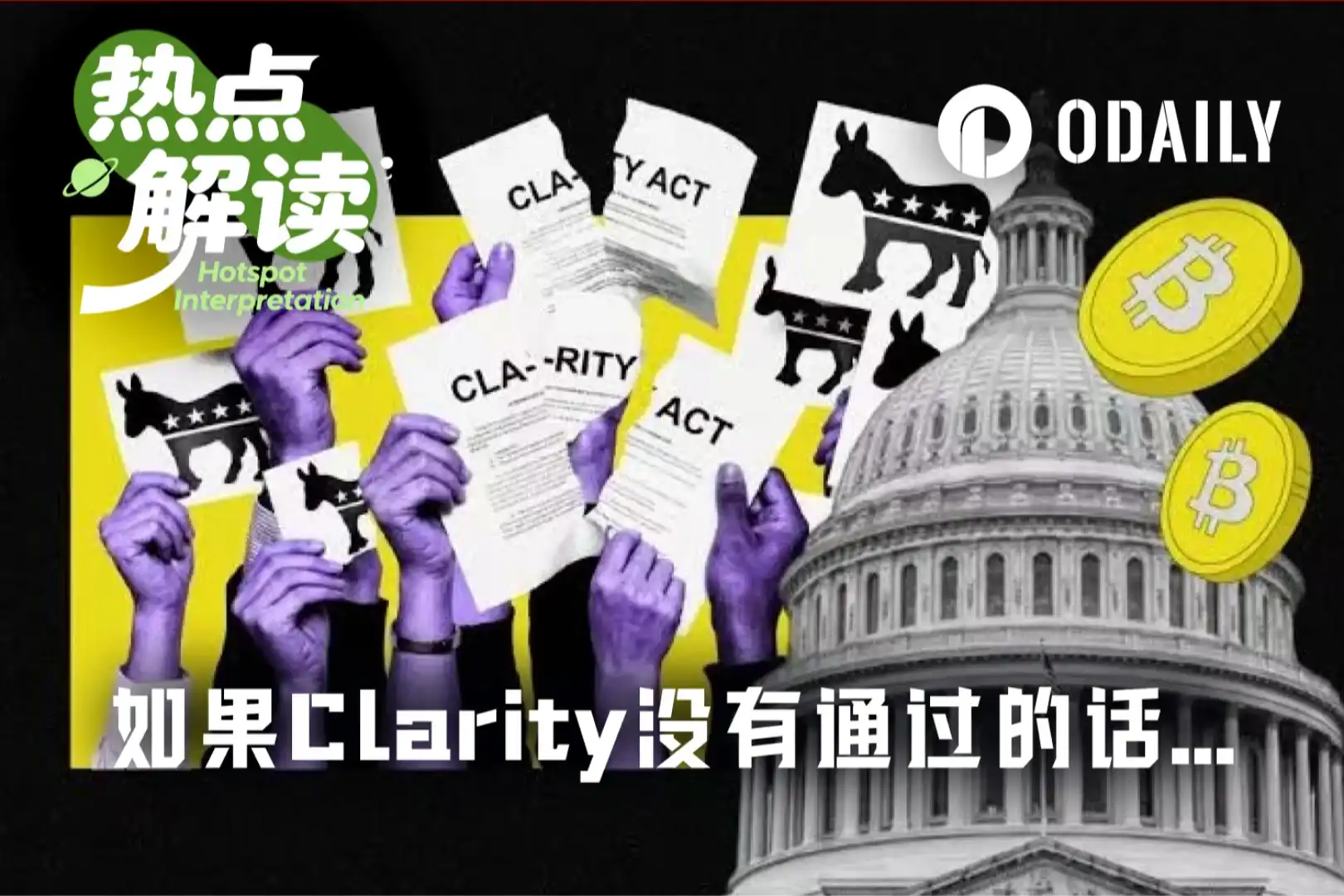
Закон CLARITY, направленный на создание регуляторной ясности для криптоактивов в США, столкнулся с трудностями в Сенате. Несмотря на одобрение в Палате представителей год назад и продвижение в комитете в мае, его рассмотрение отложено как минимум до сентября. Основное разногласие касается этических положений о криптоактивах госслужащих. Вероятность принятия закона в этом году, по данным Polymarket, упала с 82% до 35%. Если закон не будет принят, аналитики ожидают ограниченного краткосрочного влияния на крипторынок, так как негативные ожидания уже частично учтены. Однако это может усилить волатильность акций компаний, связанных с криптоиндустрией, таких как Coinbase и Circle. Для Coinbase возможна коррекция до уровня $140-160, в то время как для Circle отсутствие новых жёстких правил, ограничивающих доходность стейблкоинов, может быть даже выгодным в долгосрочной перспективе. В Вашингтоне провал закона усилит политический тупик, связав судьбу крипторегулирования с противостоянием демократов и администрации Трампа. Это, вероятно, отложит принятие всеобъемлющих федеральных правил до 2027 года или позже. В ближайшее время отрасль продолжит работать в рамках существующих регуляторных механизмов, таких как закон GENIUS для стейблкоинов и отдельные инициативы SEC и CFTC.

marsbit1 ч. назад

Что произойдет, если закон CLARITY так и не будет принят?

marsbit1 ч. назад

Торговля

Спот

Популярные статьи

Как купить RE

Добро пожаловать на HTX.com! Мы сделали приобретение Re (RE) простым и удобным. Следуйте нашему пошаговому руководству и отправляйтесь в свое крипто-путешествие.Шаг 1: Создайте аккаунт на HTXИспользуйте свой адрес электронной почты или номер телефона, чтобы зарегистрироваться и бесплатно создать аккаунт на HTX. Пройдите удобную регистрацию и откройте для себя весь функционал.Создать аккаунтШаг 2: Перейдите в Купить криптовалюту и выберите свой способ оплатыКредитная/Дебетовая Карта: Используйте свою карту Visa или Mastercard для мгновенной покупки Re (RE).Баланс: Используйте средства с баланса вашего аккаунта HTX для простой торговли.Третьи Лица: Мы добавили популярные способы оплаты, такие как Google Pay и Apple Pay, для повышения удобства.P2P: Торгуйте напрямую с другими пользователями на HTX.Внебиржевая Торговля (OTC): Мы предлагаем индивидуальные услуги и конкурентоспособные обменные курсы для трейдеров.Шаг 3: Хранение Re (RE)После приобретения вами Re (RE) храните их в своем аккаунте на HTX. В качестве альтернативы вы можете отправить их куда-либо с помощью перевода в блокчейне или использовать для торговли с другими криптовалютами.Шаг 4: Торговля Re (RE)С легкостью торгуйте Re (RE) на спотовом рынке HTX. Просто зайдите в свой аккаунт, выберите торговую пару, совершайте сделки и следите за ними в режиме реального времени. Мы предлагаем удобный интерфейс как для начинающих, так и для опытных трейдеров.

334 просмотров всегоОпубликовано 2026.06.18Обновлено 2026.06.29

Как купить RE

Обсуждения

Добро пожаловать в Сообщество HTX. Здесь вы сможете быть в курсе последних новостей о развитии платформы и получить доступ к профессиональной аналитической информации о рынке. Мнения пользователей о цене на RE (RE) представлены ниже.

活动图片