7-Year-Olds Starting Companies? 9-Year-Olds Making Movies? Post-90s Parents Are Raising 'AI Prodigies'

marsbitОпубликовано 2026-07-20Обновлено 2026-07-20

Введение

"AI Genius Kids: A New Wave or a Parental Anxiety Trap?" The article examines the recent surge in AI-focused educational camps and programs in China, heavily marketed to parents of young children with sensational claims like "7-year-olds start companies" and "9-year-olds make movies." These programs promise rapid, practical AI skills—from creating agents and business plans to generating content—often for significant fees, capitalizing on parental anxieties about the AI-dominated future. It contrasts this trend with earlier, more foundational AI education, arguing current offerings prioritize superficial, immediate application over deep learning. The author critiques this approach as premature for children still in basic education, suggesting it fosters a shortcut mentality and may even teach improper use, like using AI to cheat on homework. The driving force behind this trend is identified as the profound anxiety of the current generation of parents—largely professionals in tech or related fields—who are witnessing firsthand how AI disrupts and replaces jobs. This workplace fear translates into a desperate desire to equip their children with perceived competitive advantages from an extremely young age, viewing AI proficiency as a magical key to success. The piece also casts a skeptical eye on the phenomenon of real "AI child prodigies," citing examples like Australian teen Alby Churven, whose ventures attract media buzz but little serious investment. It suggests that beyo...

Lately, the war between humans and AI has shifted from brutal to bizarre.

However, even in the bizarre category, "Kid AI" stands in a league of its own, which I'd call the indescribable entity of the AI world.

Especially with summer vacation upon us, AI research camp advertisements are popping up everywhere. Yesterday, I saw an ad for an AI research camp on Xiaohongshu: "Children aged 7-13, make an AI movie in one day." I sent it to my friend who works on AI comics and shows. She took one look, cried for three days and nights in bed, and almost immediately wanted to abdicate, roll back to her hometown, and farm.

There are even more exaggerated claims: "A 10-year-old child starts an AI company in 6 days, incubating a startup project from 0 to 1." The small business owners diligently drafting their business proposals might slowly type out a "?" in front of their screens.

And the parents? They just look quietly at the posters, seemingly feeling something stir within:

"Three parts depend on effort, seven parts are destined by heaven. This might be my child's one and only chance in this life. It's only 18,800 yuan. Spend it, must spend it!"

From this perspective, AI is comparable to the celestial treasures and supreme spirit stones in cultivation novels. As soon as a young outer sect disciple gets hold of them, they can immediately challenge the ancestral elders of the sect, ascend to the peak of life, directly transform into a gifted and adorable child, and even bring their parents along for the ride, becoming generation-zero rich at a young age.

Surely many will say, isn't this just premium marketing talk from AI research institutes to empty everyone's wallets? Well, the BeWei AI Lobster Competition held in Beijing's Zhongguancun this past March was practically a resounding slap in the face to those doubters:

Jiang Muran, a 14-year-old middle school student in eighth grade, won the championship with his AI entrepreneurship assembly line project, ClawFounder, and joyfully received the title of "Zhongguancun Lobster King." Along with the title, he also received 10 billion tokens and a 200,000 yuan prize.

A new 'someone else's child' has been born, how can one afford to stand still? (just kidding)

01

Has Your Child Started a Business with AI?

Research camps happen every year, but this summer there are an extraordinary number, especially AI research camps. If you don't include these two letters, you'd almost be embarrassed to advertise.

In the research classrooms, little kids sit solemnly in front of computers in meeting rooms, having some nebulous conversations with AI. At first glance, I thought I'd traveled into a novel world—specifically, Liu Cixin's "The Supernova Era."

This book is about all people on Earth over the age of 13 being forced offline due to some alien force majeure, leaving only a bunch of children diligently going to work every day, striving to rebuild Earth's civilization.

In this context, it feels both fitting and dystopian.

All the adults are gone, so the kids need to shoulder the banner of entrepreneurship?

If you look closely at these popular AI research camps this year, you'll find they're quite different from previous ones.

Actually, as early as the GPT explosion in 2022, many training institutions promptly launched AI learning camps and other activities for children. But back then, the focus was still on visiting labs, experiencing new equipment, listening to lectures by renowned experts, with simple titles like "cultivating AI thinking." We can think of it as a derivative of the classic programming boot camps of the past, mainly fostering children's curiosity.
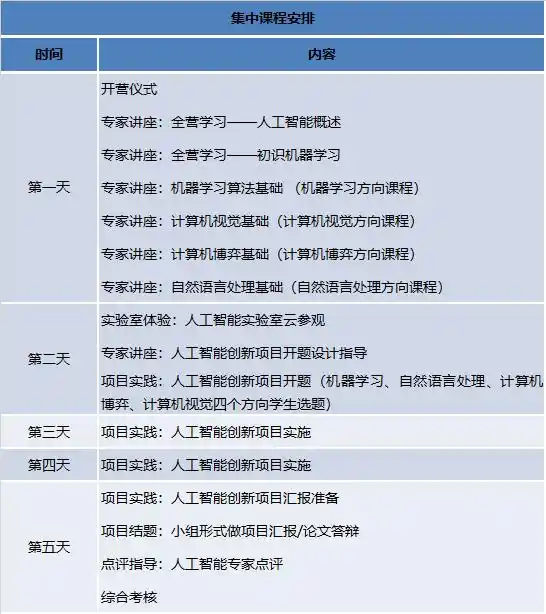
By this year, the style of AI research has completely changed, emphasizing just two words—hands-on, hands-on, still hands-on!

Either it's偏向 business-oriented, with a child becoming a company CEO in 6 days, creating an Agent product in 10 days, and even taking the stage for a roadshow. Let me just ask, does the kid even know what the word "roadshow" means? And "explaining the business model canvas"? In the end, the child learns nothing substantial but picks up a mouthful of internet jargon.

A perfectly good AI research camp gets turned into pre-job training for a big tech company. What a mess.

Or it focuses on using software. The teacher opens the Doubao interface and directly teaches the kids how to generate copy, videos, and make a few stiff-looking images to post on Douyin. The kid spends 1 minute posting and 2 hours playing on their phone. This round gives the kid a legitimate excuse to sneak and play on their parent's phone.

After doing too much of this kind of hands-on work, kids even start talking with a Doubao flavor. Sometimes, I have to check the kid's temperature to be sure this is really the carbon-based life form I gave birth to back then (just kidding).
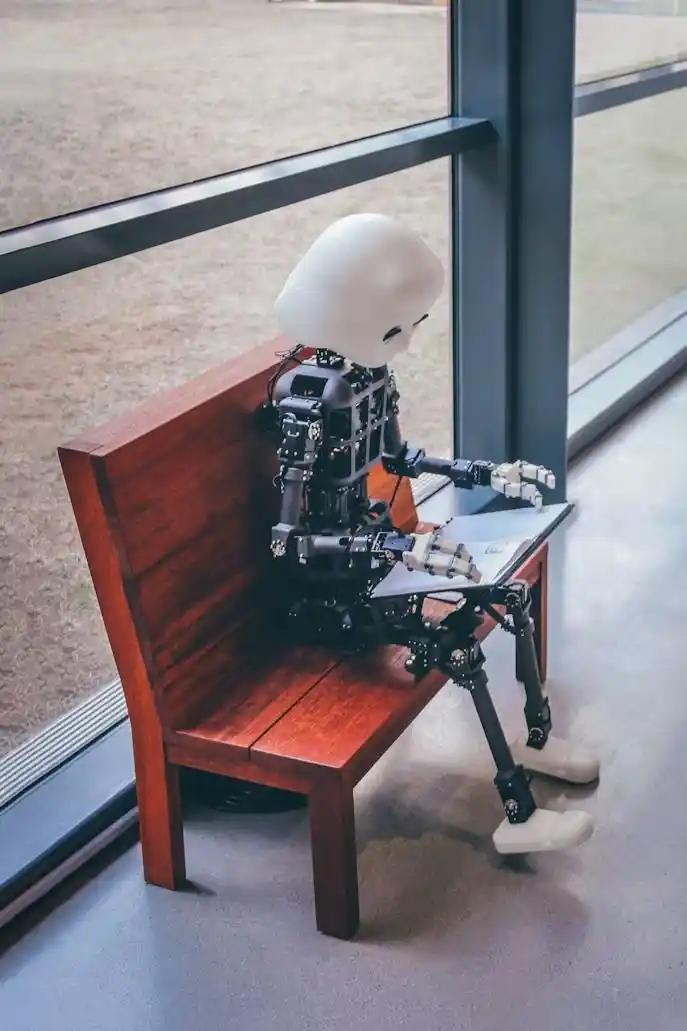
There are even more bizarre cases. Parents bring their child home after finishing an AI class and are amazed to find the child's grades have indeed improved significantly, homework is done lightning fast, with A's on every page. Months later, the parents finally catch them red-handed:

Darned AI, how dare you teach my kid to copy homework?

This is the legendary act of pulling the rug from under someone. To avoid the child working hard through university only to have their job snatched by AI, might as well downgrade the source from undergraduate to vocational college from the start. No happiness means no pain, right?

Parents anxiously confront the AI research teacher. Over there, the teacher is also aggrieved: Didn't you insist we teach the kids to apply AI? What can I do if the kid learns to copy homework on their own? Dare you say you've never used AI to copy documents at work? Hasn't the kid just learned workplace skills ten years early?

It's only then that parents realize that terms like "AI native" and "cultivating workplace thinking" are all fluff. Without a solid foundation, everything else is a castle in the air. That's the real substance.

Our generation went through basic education step by step, diligently laying down a foundation that may not be excellent, but is at least stable.

Now, these kids haven't even finished their compulsory education, yet they're being hastily fed ideas like "AI is the future" and "use AI tools skillfully." How could their mindset not change? If I were them, I'd also think, "Then what's the point of studying? Better drop out quickly, dive into AI entrepreneurship, and make a few Agents to cash in on the hype. Sounds great!"

Only those who have been battered by society know how naive this view is.

As for simpler functions like text-to-text or text-to-image, kids fit the saying "as long as you learn slowly enough, you won't have to learn at all" even better than we do. A 12-year-old learning to use Doubao to make a PPT now, and the time when they actually need AI to handle work tasks upon entering the job market—that's not just a gap of ten years and ten versions. Even if you want them to start working at 14, learning it at 13 and a half wouldn't be too late at all.

No wonder Ke Jie, who personally witnessed the beginning of humanity's defeat by AI, said bluntly in a live stream: "Having kids learn AI, isn't that just an IQ tax?"

But beyond directly criticizing parents for falling for an IQ tax scam, we're more curious about what made these intelligent parents fall into this trap.

As is well known, a mouse steps on a trap because there's cheese on it. These parents, if not prodigies, are at least outstanding individuals. Why would they willingly jump into the mysterious trap of AI research camps? What is the real lure in the trap?

The answer might lie with this generation of parents themselves.

02

What's It Like Competing with AI for Jobs?

This generation of parents once settled down and built careers during the rapid expansion of the internet. Now, they are experiencing ups and downs at the forefront of the AI wave.

Foreign companies are more straightforward about AI-related layoffs. According to the latest job cut report released by Challenger, Gray & Christmas, in April 2026, major companies announced layoffs of 83,387 people, of which 21,490 were due to AI, accounting for nearly a quarter.

Domestic companies in China are more subtle in this regard, but everyone knows how many among those holding layoff agreements were replaced by AI or are about to be transformed into 'skills.'

A couple of months ago, the Hangzhou Intermediate People's Court shared a case that was hard to stomach: Mr. Zhou, an AI quality inspection supervisor at a Hangzhou fintech company, was demoted and transferred by his company with the reason "AI can do your job." After review, the Hangzhou court ultimately ruled that the company's actions were purely an excuse for illegal layoffs; all talk of insufficient work capability was nonsense.

What "organizational restructuring"? Might as well fool yourself.
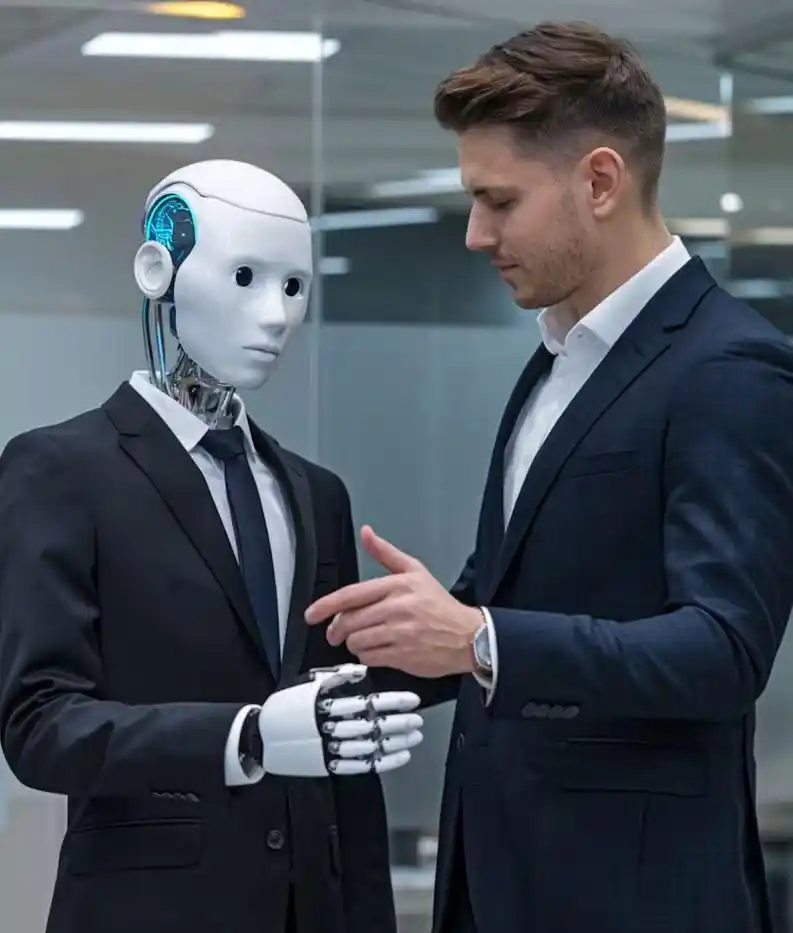
For more ordinary office workers, if AI were just steadily replacing one person after another, that might be simpler. But the reality is, AI can do a bit of this and a bit of that, can mess up at any time, leaving actual employees to clean up after it. As long as AI does something reasonably well, everyone faces the anxiety and pressure of comparison.

AI, rather than doing a certain amount of work, is more like that catfish in the company tank, creating an "atmosphere of anxiety."

Everyone is desperately learning new agents, racking their brains to fabricate token usage statistics, trying to increase the proportion of AI use in their work, fearing to give leaders the impression that they aren't embracing AI. People only dare to vent under layers of anonymity, angrily calling the small group of programmers obsessed with AI large models "code traitors."

When all of an employee's work decisions are based not on efficiency but on fear, it's hard to say how much progress the company's business can make.

And this fear is transmitted from parents to children through the family. Learning with application and demonstration as the priority—this is typical workplace thinking. Let's look back at the previously mentioned AI research camps. That urge to not patiently learn foundational knowledge but to immediately show off what you've learned—isn't it exactly the same?

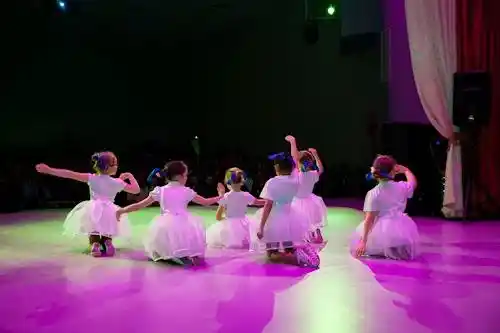
The kids back then were pushed to sing and dance in front of relatives. Now, kids compete to see who can develop and send an AI Agent to the family group chat first. The pain points of East Asian families still have the same core, just wrapped in a cyberpunk shell.
These parents lie in bed at night, scrolling through Douyin, only to see a bunch of ten-year-old kids flexing their muscles with AI. Chinese culture has long idolized "heroes emerge from the young." Even traveling gets the adage "budget travel, luxury travel, neither beats youthful travel." Everything feels bittersweet when you're older. Even the god of Reader's Digest, Warren Buffett—what people remember is him earning his first bucket of gold delivering newspapers at 13, not him buying his flagship company, Berkshire Hathaway, at 42.

At this point, compared to diligently striving themselves, choosing to believe that "7 years old is the golden age for AI entrepreneurship" and then frantically pushing their kids—doesn't that start to feel less strange?

03

AI's Children, The Era's Children

For ordinary children and ordinary parents, AI research camps are a common scam in an anxious era. But what about for the truly gifted AI child prodigies?

The story is equally harsh.

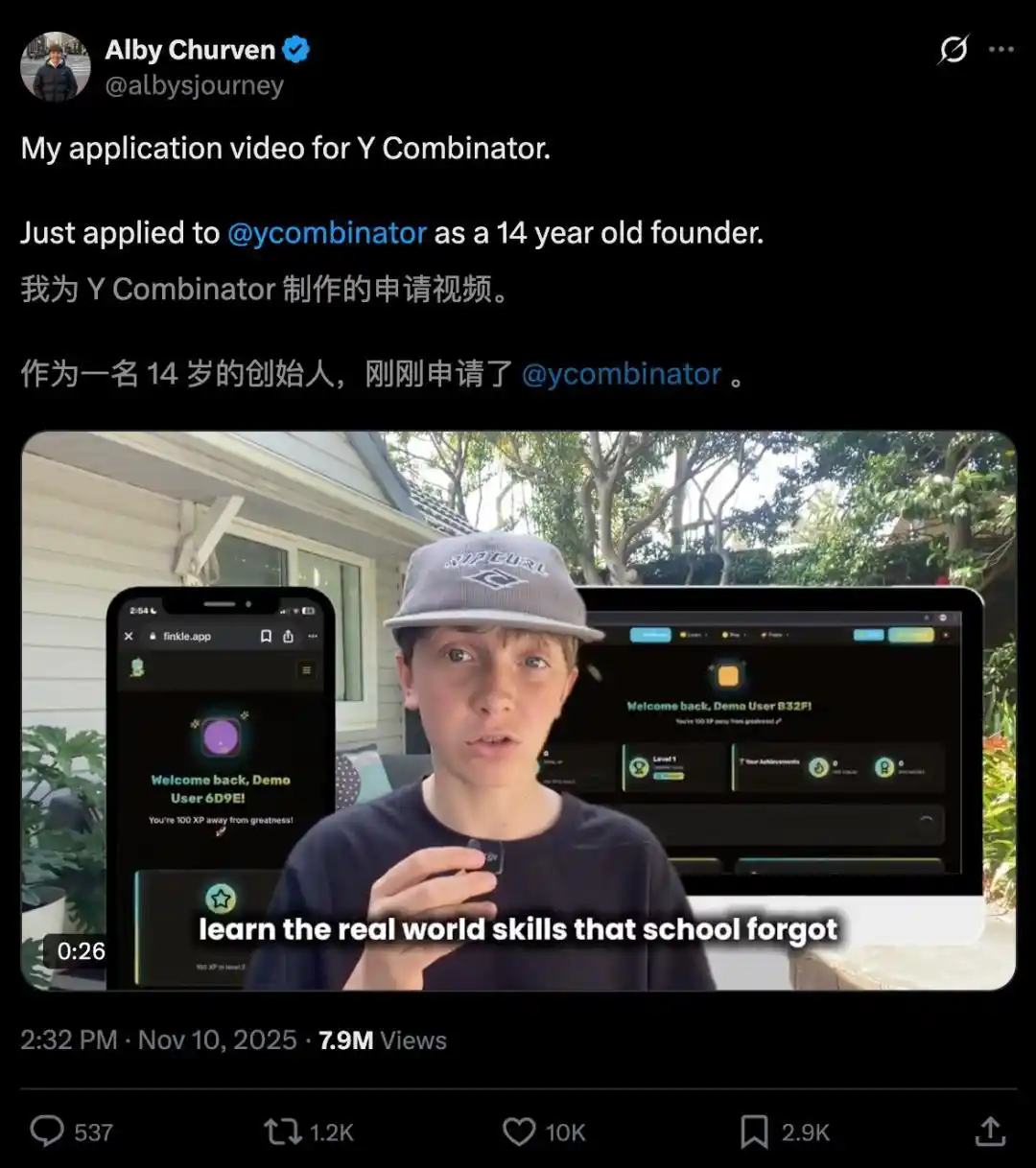
Australian prodigy Alby Churven founded a front-end programming company, Clovr, at the age of 14. He also created Finkel, a gamified learning platform for teenagers, hoping to help more kids understand AI.

He experienced a moment of blazing glory. Countless AI big shots vied to take photos with him, invited him to events and speeches, making him think he had already entered the high-end AI circle. But after talking around, the result was absurd: people wanting to borrow his influence were everywhere; people willing to invest in him? Not a single one.
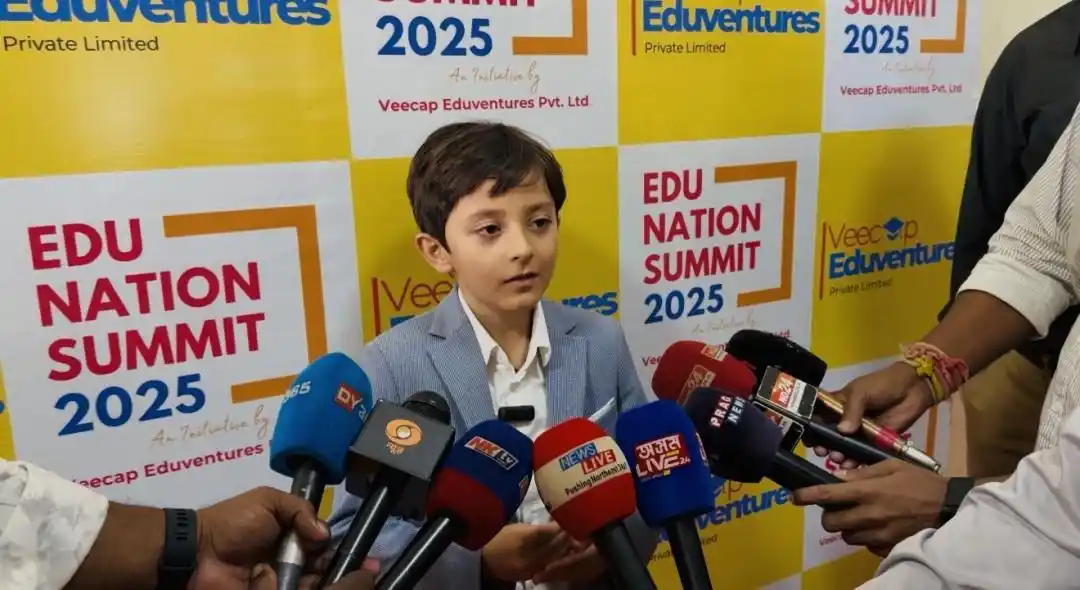
As for American prodigy Bob Chopra from Miami, who successfully started a business at 9 and has his own tech education platform, IvySchool.ai, those willing to believe he truly has talent are also few and far between.

Rather than a genius entrepreneur, everyone tends to think he's just the face of this children's education website. Frankly, another child model.
In contrast, Carina Letong Hong, also called a prodigy and amassing hundreds of millions of dollars in a short time, seems much more normal.

She was at least born in 2000, has a systematic and complete educational background, and can list more than four school locations on her Xiaohongshu profile. Her founded company, Axiom, is also positioned in mathematical AI, aiming to solve practical math problems. This seems far more reliable than the "children's education" track that other prodigies flock to.

Ultimately, seasoned investors understand better than passersby what these so-called "prodigies" are all about.

You can be a prodigy, but not so prodigious it becomes hard to swallow.

You can be excellent, but no matter how excellent, it just adds a 2.5x speed boost to life, not skipping countless crucial stages.

After all, our world isn't a cultivation novel from Qidian, nor do we come with a system like a protagonist from Yangshizi. If you truly believe your child is outstanding, then let them immerse themselves in the torrent of learning and secure an admission letter from a top university. That shines brighter than any entrepreneurial title.

This article is from the WeChat public account "Cool Play Lab," author: Cool Play Lab

Трендовые криптовалюты

Связанные с этим вопросы

QWhat is the main phenomenon described in the article regarding children and AI?

AThe article describes a trend of 'AI prodigies,' where children as young as 7 are being marketed as capable of starting AI companies or creating AI films through specialized 'AI research and study camps' (AI研学营), often driven by parental anxiety about the future job market.

QWhat critique does the article offer about the current focus of AI educational camps for children?

AThe article critiques these camps for prioritizing immediate, flashy 'practical applications' (实操) like making a movie or starting a pretend company over building a solid educational foundation. It argues this approach teaches children to use tools superficially without deep understanding, akin to 'pre-job training for big tech companies' and may even encourage misuse like using AI to plagiarize homework.

QAccording to the article, what is a key factor driving parents to enroll their children in these AI camps?

AA key driver is parental anxiety stemming from their own experiences in the workforce. Parents, often from the tech-savvy millennial generation, witness AI replacing jobs and creating workplace pressure. This fear transfers to their children, leading them to seek early 'AI advantage' through these camps, hoping to secure their children's future in a competitive landscape.

QWhat does the article suggest is the reality for genuine child AI prodigies, using the example of Alby Churven?

AThe article suggests the reality is harsh. Using Alby Churven as an example, it states that while such prodigies may gain temporary fame and media attention ('countless AI bigwigs scrambled to take photos with him'), they often struggle to find serious investment or long-term support. The industry may view them more as publicity tools ('child models') rather than serious entrepreneurs, highlighting the gap between hype and substantive opportunity.

QWhat alternative path does the article imply is more reliable for a talented child than pursuing early AI entrepreneurship?

AThe article implies that a more reliable path is a complete, high-quality traditional education. It contrasts flashy child entrepreneurship with the example of Carina Letong Hong, who built a math-focused AI startup after a systematic education. The conclusion is that excelling academically and gaining admission to top universities provides a more solid and 'golden' foundation for future success than premature entrepreneurial titles.

Похожее

После трёх кварталов падения: получится ли у крипторынка стабилизироваться в третьем квартале?

Криптовалютный рынок пережил худший квартал с 2022 года, общая капитализация упала на 12,6% до $2,1 трлн, а дневные объемы торгов снизились на 20,9%. Впервые за три года сократилась и капитализация стейблкоинов. Основные факторы спада — отток средств из биткоин-ETF, распродажа биткоинов корпоративным казначейством Strategy и ужесточение монетарной политики ФРС. Второй квартал завершился чистым оттоком $46,7 млрд из ETF, при этом в июне отток достиг рекордных $45 млрд. Ключевым событием третьего квартала станет заседание ФРС 28–29 июля. Мягкий сигнал может поддержать биткоин в диапазоне $68 000–84 000 и вернуть приток в ETF, тогда как жесткая риторика способна сместить торговый диапазон к $50 000–56 000. Законодательная неопределенность также давит на рынок: прогресс по закону CLARITY Act, определяющему регуляторные границы, замедлился, и вероятность его принятия в 2026 году упала до 40–45%. Несмотря на общий спад, два сегмента показали рост: объемы на рынках предсказаний выросли на 48,7%, а торговля токенизированными коллекционными предметами увеличилась на 143%. Сектор RWA продолжает стабильно развиваться, достигнув $28,1 млрд. Рынок, вероятно, миновал фазу острой распродажи, но для устойчивого восстановления необходимы ясность от ФРС и регуляторный прогресс.

marsbit21 ч. назад

После трёх кварталов падения: получится ли у крипторынка стабилизироваться в третьем квартале?

marsbit21 ч. назад

BIT Торговые часы: BTC по-прежнему под давлением 200 EMA на недельном графике, после отскока возможен перезапуск нисходящего движения; секторы хранения данных и полупроводников, выросшие ночью, начали падение в вечерней сессии

**Краткий обзор рынка: BTC под давлением, коррекция на рынке акций, внимание к данным и событиям** Рынок криптовалют демонстрирует осторожное восстановление. Bitcoin торгуется около $66 000, сталкиваясь со значительным сопротивлением в районе $68 000, где сосредоточены объемные "застрявшие" позиции. Ключевые технические уровни — 200-недельная скользящая средняя (~$63 333) и 200-недельная EMA (~$68 328). Аналитики отмечают низкую ликвидность, характерную для летнего периода. На фондовом рынке после сильного роста во вторник наблюдается коррекция. Фьючерсы на основные индексы США снижаются. Акции полупроводниковой и памяти, которые резко выросли накануне, падают в ночных торгах. Исключением стал SMCI, который вырос более чем на 15% после оптимистичного прогноза. На общий настрой негативно влияют рост цен на нефть (более $91 за баррель Brent) и доходности государственных облигаций США (10-летние — около 4,64%), что возрождает инфляционные опасения. Азиатские рынки показали нестабильную динамику. Индекс KOSPI в Корее вырос на 0,74%, а японский Nikkei 225 снизился на 0,18%. Основной риск для региона — ослабление японской иены до минимумов с 1986 года, что повышает вероятность вмешательства властей. **Ключевые события для наблюдения:** * **24 июля:** Финансовые отчеты Alphabet (Google), Tesla, IBM. Событие AMD, посвященное ИИ. * **25 июля:** Решение по процентной ставке ЕЦБ и пресс-конференция Кристин Лагард. Финансовые отчеты Intel, American Airlines, Honeywell и других. Данные по числу первичных заявок на пособие по безработице в США.

marsbit21 ч. назад

BIT Торговые часы: BTC по-прежнему под давлением 200 EMA на недельном графике, после отскока возможен перезапуск нисходящего движения; секторы хранения данных и полупроводников, выросшие ночью, начали падение в вечерней сессии

marsbit21 ч. назад

Бывший глава CFTC и президент Circle Тарберт: призывает к долгосрочной стратегии, но сам выводит $30 млн

Бывший председатель CFTC и президент Circle Хит Тарберт, публично пропагандируя долгосрочное видение компании для инвесторов на фоне падения акций на 70% с пиковых значений, сам активно распродавал свои акции CRCL. С момента IPO Circle он по плану 10b5-1 продал более 360 тысяч акций, выручив около 30 миллионов долларов, и при этом ни разу не докупал акции на открытом рынке. Эта разница между его публичными заявлениями и личными действиями вызвала критику. Карьера Тарберта демонстрирует классическое использование «вращающейся двери» между регулирующими органами и частным сектором. Уйдя с поста председателя CFTC в 2021 году, через 27 дней он занял должность главного юрисконсульта в маркет-мейкере Citadel Securities, который в тот момент находился под пристальным вниманием из-за скандала с акциями GameStop. Позже, уже работая в Citadel, Тарберт выступал за расширение полномочий CFTC на крипторынок, в то время как его работодатель планировал выход на этот рынок. В 2023 году Тарберт присоединился к Circle, где его опыт и связи сыграли ключевую роль в успешном проведении IPO компании в 2025 году. Однако его последующие массовые продажи акций, совпавшие с падением котировок и его же призывами к долгосрочным инвестициям, ставят под сомнение искренность его уверенности в будущем компании. Критики видят в его карьере образец превращения регуляторного опыта и политических связей в личную выгоду, в то время как риски несут обычные инвесторы, верящие его нарративам.

marsbit21 ч. назад

Бывший глава CFTC и президент Circle Тарберт: призывает к долгосрочной стратегии, но сам выводит $30 млн

marsbit21 ч. назад

Gate Research: Взлет «уолл-стритизации» криптофинансовых продуктов — это конкуренция или интеграция?

**Аналитический обзор Gate Research Institute: Волна "уолл-стритизации" криптофинансовых продуктов — конкуренция или интеграция?** Создание биткоина в 2009 году было ответом на финансовый кризис и стремлением построить децентрализованную систему без доверенных посредников. Однако к 2026 году значительная часть биткоинов (около 7,14%) хранится через ETF таких гигантов, как BlackRock. Это символизирует глубокую интеграцию традиционных финансов (TradFi) и крипторынка. С появлением биткоин-ETF, фьючерсов, RWA (токенизированных реальных активов) и государственных облигаций на блокчейне, традиционные институты получают всё больше влияния на выпуск, ценообразование, кастодию и дистрибуцию криптоактивов. Однако это не одностороннее поглощение, а взаимодополняющая конвергенция. Криптосфера приносит TradFi глобальную 24/7 ликвидность и программируемость, а TradFi предоставляет криптосфере регулируемые каналы, институциональное доверие и массовый доступ. Яркий пример — две противоположные, но ведущие к одной цели траектории: * **Путь А:** Криптобиржи, такие как Gate, начинают с токенизированных акций и CFD, а затем напрямую подключаются к инфраструктуре традиционных брокеров, предлагая реальную торговлю акциями США, Гонконга и Кореи за стейблкоины. * **Путь Б:** Традиционные брокеры, такие как Robinhood, интегрируют криптоактивы, а затем создают собственные Layer 2 для токенизации своих акций, стремясь к круглосуточной торговле. Обе стратегии нацелены на создание **универсального финансового аккаунта будущего** — единой точки доступа к акциям, криптовалютам, ETF, токенизированным облигациям и другим активам. Ключевой конкурентной борьбой становится не между CEX и брокерами, а между этими "супераккаунтами". Параллельно, слой RWA и токенизированных гособлигаций растёт даже на медвежьем рынке, становясь "прослойкой" для объединения капиталов. Хотя этот рынок (около $150 млрд токенизированных казначейских облигаций) ещё мал по сравнению с традиционным ($30 трлн), он демонстрирует устойчивый структурный тренд, привлекающий крупнейшие финансовые институты (JPMorgan, DTCC и др.). **Вывод:** "Уолл-стритизация" — это не поражение идеалов децентрализации, а формирование новой гибридной модели. Децентрализованные протоколы продолжают работать на базовом уровне, в то время как на уровне приложений и пользовательского опыта формируется более эффективный, глобальный и свободный объединённый рынок капитала, где активы TradFi и DeFi торгуются бок о бок в одном интерфейсе. Уолл-стрит не завоевала криптосферу, а криптосфера не обошла Уолл-стрит — они совместно строят новые финансовые рельсы.

marsbit21 ч. назад

Gate Research: Взлет «уолл-стритизации» криптофинансовых продуктов — это конкуренция или интеграция?

marsbit21 ч. назад

S&P Dow Jones и Pantera выпускают криптоиндекс, биткоин оставлен за бортом из-за «отсутствия прибыли»

Стандард энд Пурс (S&P Dow Jones Indices) совместно с Pantera Capital запускает индекс S&P Pantera Digital Asset Index. Новый индекс включает 18 токенов, но исключает биткоин, XRP и мем-токены. Критерием отбора послужила «финансовая жизнеспособность», по аналогии с S&P 500: протокол должен демонстрировать положительный доход в течение нескольких кварталов и распределять стоимость среди держателей токенов. Это первое применение фундаментального подхода к оценке криптоактивов со стороны крупнейшего в мире провайдера индексов. В первую пятерку активов вошли Ethereum (ETH), BNB, Solana (SOL), TRON (TRX) и Hyperliquid (HYPE). Pantera отмечает, что совокупный годовой доход всех протоколов индекса превышает $30 млрд. Биткоин был исключен по трем причинам: он рассматривается как монетарный актив, доступный через отдельные ETF; он не генерирует доход протокола; а смешивание его в индексе с доходными активами затрудняет фундаментальный анализ для институциональных инвесторов. Пока индекс является эталонным, но Pantera ведет переговоры о создании на его основе ETF и других инвестиционных продуктов. Компания также отмечает значительный разрыв на рынке: многие институциональные инвесторы готовы к аллокации в криптоактивы, но им не хватает структурированных продуктов, фокусирующихся на активах с реальной экономической деятельностью.

marsbit22 ч. назад

S&P Dow Jones и Pantera выпускают криптоиндекс, биткоин оставлен за бортом из-за «отсутствия прибыли»

marsbit22 ч. назад

Торговля

Спот

Популярные статьи

Неделя обучения по популярным токенам (2): 2026 может стать годом приложений реального времени, сектор AI продолжает оставаться в тренде

2025 год — год институциональных инвесторов, в будущем он будет доминировать в приложениях реального времени.

1.9k просмотров всегоОпубликовано 2025.12.16Обновлено 2025.12.16

Неделя обучения по популярным токенам (2): 2026 может стать годом приложений реального времени, сектор AI продолжает оставаться в тренде

Обсуждения

Добро пожаловать в Сообщество HTX. Здесь вы сможете быть в курсе последних новостей о развитии платформы и получить доступ к профессиональной аналитической информации о рынке. Мнения пользователей о цене на AI (AI) представлены ниже.

活动图片