Weekly Editor's Picks (0613-0619)

marsbitОпубликовано 2026-06-20Обновлено 2026-06-20

Введение

Weekly Editor's Picks (0613-0619): Market Insights & Analysis This weekly digest curates in-depth analysis often lost in the information flow, focusing on key insights across macro trends, investment, and technology. **Macro & Geopolitics:** With the Strait of Hormuz reopening and military conflict shifting to negotiation, markets are pivoting from "war shock" to "supply restoration." Trades include shorting crude risk premiums, longing airlines/tourism, Asian energy importers, and bond duration, while shorting inflation expectations. LNG, fertilizer, and chemical chains are also being repriced. **Investment & VC:** Ray Dalio advises against betting on concentrated AI giants dominating indices, advocating for diversified portfolios of high-quality, low-correlation assets instead. Analysis covers the 4-year crypto cycle, predicting the core surviving product by 2029 will be asset trading markets. Current BTC metrics suggest a potential bottoming zone, presenting a patient accumulation window. SpaceX's high-profile IPO at a $2.1T valuation faces scrutiny over fundamentals, with key watchpoints being its likely inclusion in the Nasdaq index and Q2 earnings. Concerns are raised about potential "gamma squeeze" and systemic risks if its narrative-driven valuation gets amplified by passive index funds. Robinhood (HOOD) is noted for breaking its high correlation with crypto, bolstered by its stock trading and new underwriting business. **Web3 & AI:** A warning highlights ~$1.8T i...

The information flow is too fast, and in-depth analysis articles are easily drowned out by hot topics. The "Weekly Editor's Picks" column fishes these judgment-worthy pieces out of the ocean of information, filtering out the noise, leaving you with insights, and sparking inspiration.
Macro Landscape

With the Strait of Hormuz Reopened, What Trades Is the Market Betting On?

The war conflict has largely shifted from the military phase to the negotiation phase. The market is switching from "war shock" to "supply recovery".

With the strait reopened, the market is shorting crude oil risk premiums, going long on airlines, cruise lines, and the tourism chain, going long on Asian energy importers, going long on bond duration, and shorting inflation expectations. LNG, fertilizers, and the chemical chain are also being repriced.

Investment & Entrepreneurship

Ray Dalio: When AI Giants Dominate the U.S. Stock Market, I Choose Not to Bet on Direction, But to Do One Thing

Technological progress itself does not equate to the stocks being equally attractive. Major historical technology cycles have often gone through phases of excitement, crowding, volatility, and shakeout.

When a handful of tech companies occupy an increasingly high weight in the index, investors need to be wary of whether they are unintentionally holding a concentrated, high-risk exposure with high correlation. Compared to continuing to chase a few leaders, a truly more robust approach is to build a diversified portfolio composed of high-quality, low-correlation assets and adjust the volatility level according to one's own risk tolerance.

Crypto 2029: The Ultimate Forecast for the Crypto Industry's Four-Year Cycle

The three tracks of private perpetual contracts, stablecoins, and asset tokenization, while their product logic is sound and market demand sufficiently validated, have their development speed severely constrained by external policy forces outside the industry.

By 2029, what will remain in the public eye are the core products that the crypto industry has been truly building all along through successive speculative cycles — asset trading markets.

Data Deciphers the BTC Cycle: Three Major Bottom Signals All Light Up, Will Q4 Be the Key Turning Window?

When BTC stands above $120k, everyone is willing to believe it will go higher; but when it falls back to around $60k, with on-chain valuation, cycle positioning, long-term holder ratios, and macro variables all pointing to the bottom area, what the market lacks most is confidence.

The current zone is more akin to a window for phased accumulation requiring patience, discipline, and faith.

Post-SpaceX's Debut: A $2.1 Trillion Market Cap, Is It Still Worth Chasing?

SpaceX opened at $150, with its market cap settling at $2.1 trillion on its debut. At its current stage, SpaceX's revenue cannot support its massive valuation.

Starlink is SpaceX's only profitable business at present. Space launch is SpaceX's main claim to fame.

Beyond the mismatch between actual business and valuation, the excessive proportion of retail IPO allocation might also be a reason suppressing SpaceX's share price. Musk allocated 20~30% of SpaceX's IPO shares to retail investors. A larger retail holding proportion inherently represents greater volatility; retail can buy in recklessly due to FOMO, and also sell off emotionally at the slightest fluctuation. Therefore, retail truly affects volatility, not the final gains.

For investors watching SpaceX, the following two time points are particularly important:

  1. Approximately 15 trading days post-IPO (estimated around July 6-7), SpaceX has a very high probability of being included in the Nasdaq index, at which point top-tier funds will start buying the stock;
  2. SpaceX Q2 earnings report release (mid-to-early August).

The Higher It Rises, The More Dangerous? The Systemic Risks Behind SpaceX's Valuation Frenzy

Gamma squeeze, i.e., a feedback loop where option market makers are forced to buy shares for hedging, further pushing up the stock price. If SpaceX replicates this path and continues to be pushed higher by its own narrative strength, limited float, and Musk's personal influence, it could evolve from a highly valued stock into a systemic variable for the entire market.

The more dangerous part lies in indexation and passive investing. When a company's market cap is large enough, it gets included in major indices and is held passively by ETFs, pension funds, retirement accounts, sovereign funds, and institutional portfolios. At that point, a bubble is no longer just a gamble for a few traders; it enters the long-term asset allocation of ordinary investors. The higher it rises, the less the market can avoid it; and the less it can avoid it, the more funds may continue to flow into it.

The article discusses a structural paradox in modern capital markets: when market mechanisms themselves can amplify narratives, leverage, and liquidity to the point of overwhelming fundamentals, can "price discovery" still hold?

For Those Still Obsessed with Altcoins, Just Go All In on HOOD

HOOD has risen recently due to multiple positive catalysts.

For a considerable period, cryptocurrency-related revenue has been a significant component of Robinhood's total revenue, and HOOD's stock price movement has shown a strong correlation with crypto. However, recent signs indicate Robinhood is breaking through its dependence on crypto business and positively decoupling from this correlation. Its stock trading, prediction markets, Pre-IPO, and newly added underwriting businesses are still expected to support its earnings growth.

If the crypto market returns to a bull market in the future, Robinhood's crypto trading revenue will likely explode in sync, allowing HOOD to still enjoy the红利 brought by industry growth.

Missing the Stock Token Wave, Korean Crypto Exchanges Forced to "Trade Shitcoins"

Against the backdrop of a weak crypto market and Korean crypto investors shifting to stock trading, Korean exchanges collectively saw declining Q1 2026 performance, forcing them to urgently take measures to reverse the trend. However, unlike overseas exchanges that can transform into "everything exchanges" by listing large batches of tokenized stocks to meet crypto traders' needs, Korea classifies tokenized stocks as securities, thereby prohibiting crypto exchanges from such trading, and also forbids Korean crypto exchanges from trading crypto futures, derivatives, or spot exchange-traded funds (ETFs).

Regulatory measures in Korea aimed at protecting investors are now pushing crypto exchanges into the most speculative corner of the market. With revenue sources and new product lines like derivatives, tokenized stocks, and prediction markets all banned, to boost platform trading volume, exchanges are inclined to list "shitcoin" tokens that can attract attention and are more speculative.

Web3 & AI

An AI-Style Subprime Crisis? $1.8 Trillion in Off-Balance-Sheet Exposure, Becoming a Time Bomb for This Frenzy

Nearly $1 trillion in purchase commitments, over $800 billion in non-cancellable lease contracts, and hundreds of billions in supplier financing arrangements collectively constitute approximately $1.8 trillion in off-balance-sheet exposure—these liabilities sit outside balance sheets but genuinely lock in future cash outflows. The market has not yet fully priced in the above risks.

Morgan Stanley warns that the leverage ratio of hyperscale cloud enterprises has surged from 0.9x to 1.8x in just two quarters, with capital expenditure growth consistently outpacing revenue and free cash flow growth, while the real impact of depreciation pressure has yet to arrive.

Meanwhile, private credit institutions like Apollo and Blackstone are transferring leverage to the supply chain level through SPVs (Special Purpose Vehicles), forming a highly circular, hard-to-penetrate financing structure. If AI commercialization falls short of expectations, or enterprise customers shift en masse to cheaper alternatives, the fragility of the entire financing chain will be exposed.

World Cup Just Started, Some AI Prediction Models Are Deified, Others Crash

Large models like Qwen, ChatGPT, Gemini, Claude, DeepSeek, Qwen, and Copilot can not only answer "which team is more likely to win" but also provide score predictions, upset possibilities, red card risks, key player performance, and match flow analysis.

For prediction market participants, AI's pre-match simulations are becoming another layer of reference beyond odds, news, team data, and market sentiment.

Where Is Your AI Monthly Fee Divided? A Chart Dissects the Supply Chain Behind $20

A Claude $20 subscription cost breakdown chart, splitting an AI monthly fee towards the model company, cloud compute, GPU, electricity, and supply chain.

AI subscriptions have ongoing inference costs and cannot directly apply traditional SaaS high-margin assumptions.

Related targets: OpenAI, Anthropic, Microsoft, Amazon, Google, NVIDIA (NVDA), TSMC, SK Hynix, Samsung, Micron, data centers, and the power chain.

Prediction Markets

The First Prediction Market Concept Stock Appears!

Kalshi previously announced a partnership with U.S. online broker Robinhood, with the latter using the former to provide prediction market trading services to its users, allowing bets on political, economic, sports events, etc. Recently, this relationship has undergone subtle changes. Robinhood gradually realized that what is truly scarce might not be the market itself, but the user access it firmly controls. Robinhood holds a key resource — distribution power.

After about half a year of accelerated development, the Rothera product gradually took shape, and Robinhood finally made the almost inevitable move — gradually shifting orders originally destined for Kalshi into its own controlled system. Robinhood specifically chose an ideal launch battlefield for Rothera — the World Cup.

If the theme of the prediction market industry in the past few years was the market battle between Polymarket and Kalshi, the theme for the coming years might turn into a channel war.

Also recommended: "World Cup Kicks Off, Counting Those 'Big Wins' and 'Big Losses' in Prediction Markets".

CeFi & DeFi

IOSG: On SpaceX's Listing Day, the First Real Test for Three Perpetual Mechanisms

Without a public spot price, how does the market price something? This is the core problem the entire Pre-IPO Perpetual category aims to solve.

In the SpaceX case, trade.xyz captured the on-chain market (about 96.5% of the volume), not because the oracle was smarter, but because near-zero funding fees made holding the position almost cost-free, it launched with the IPO catalyst, and pricing per share enabled cross-exchange arbitrage.

However, while Pre-IPO Perpetuals are good at handling price, they remain primitive at handling events. Corporate actions, especially a one-time stock split after conversion, have no pipeline on-chain: trade.xyz announced no rebase mechanism, Ventuals outsourced this to a single data supplier, which already had an incident (an outdated split data causing its market to flash crash 45%). The bottleneck isn't price discovery, but that boring "corporate actions" processing layer: traditional markets spent a century standardizing it, on-chain hasn't rebuilt it yet. Whoever can credibly deliver it will plug the last gap between these markets and the ones they aim to replace.

STRC Severely Depegs, What Risk Is the Market Pricing?

STRC fell to around $89. Based on an $11.5 annual dividend, the simple current yield is about 12.9%.

The market disagreement isn't about whether MicroStrategy will immediately be unable to pay dividends, but about how to discount the BTC reserves, high-interest financing, on-chain leverage, and competition from similar products.

Related targets: STRC, MSTR/MicroStrategy, SATA, BTC, Pendle, and related on-chain yield products.

STRC Depegs 11%, Can MicroStrategy's Perpetual Motion Machine Keep Turning?

The market's pricing of STRC not only reflects investors' attitude towards a preferred stock but also reflects market confidence in MicroStrategy's entire capital operation model.

Within MicroStrategy's balance sheet expansion loop, STRC is not just an ordinary financing tool but the most powerful engine of its current capital flywheel. Through the loop of "issuing more STRC ➡️ raising fiat ➡️ buying BTC ➡️ boosting company net assets ➡️ elevating STRC trustworthiness," MicroStrategy successfully built a seemingly infinitely loopable capital flywheel. However, the key prerequisite for this flywheel to run smoothly is that STRC must trade near its $100 par value.

The failure of the dividend's corrective effect means the risk the market is now pricing has gone beyond STRC's yield itself. First are superficial technical factors. Some market participants believe the recent decline largely stems from concentrated stampedes during deleveraging by arbitrage funds. Deeper concerns lie in MicroStrategy's liquidity reserve situation.

15%-25% Annualized, Is BlackRock's Bitcoin Yield ETF an Opportunity or a Trap?

BITA, based on BlackRock's spot Bitcoin fund IBIT, sells covered call options to earn stable option premium income for investors, at the cost of sacrificing some of Bitcoin's potential sharp upside. This yield-focused Bitcoin fund is designed for investors and institutions seeking stable cash flow, addressing the pain point that institutions cannot hold zero-yield assets.

Fund flow data will provide the final answer. If BITA and IBIT continue to absorb Bitcoin while Bitcoin stabilizes above the $65k range, it indicates genuine institutional buying has persistence; conversely, if the yield ETF merely diverts funds from the spot fund, the bearish "yield trap" thesis will be validated.

Ethereum & Scaling

Sharplink CEO: A Million Ethereum Developers, Who Can Compete?

Ethereum's core advantage is not speed, but that it gathers the largest and deepest talent pool; its true moat lies in the long-term ecosystem built by composability, standard-setting, and credible neutrality; these builders are focusing on cutting-edge issues like scalability and quantum resistance, continuously solidifying Ethereum's position as the default operating system for the financial internet.

Weekly Hot Topics Recap

Policy & Macro Markets

Iranian media releases detailed terms of U.S.-Iran memorandum of understanding, including reopening the Strait of Hormuz and releasing $24 billion of Iran's frozen funds, etc.;

U.S. and Iran announce immediate, permanent cessation of military operations on all fronts;

U.S.-Iran agreement confirmed reached, crypto and gold surge, oil plunges;

Fed holds rates steady as expected but overall hawkish, policy statement heavily revised;

Bipartisan U.S. lawmakers jointly propose pressure: ban presidential pardon or sentence reduction for SBF;

Anthropic: Suspends access to Fable 5 and Mythos 5 for foreign nationals, Amazon accused of being "behind-the-scenes driver" sparking regulatory intervention;

SpaceX acquires Cursor;

LiuLiuMei (06658.HK) soars on debut due to ticker homophone "LLM" (Large Language Model) (Retrospective);

Opinions & Voices

Arthur Hayes: AI Drains the Market, Bitcoin Unlikely to Reach $100k by Year-End;

a16z crypto: Crypto Industry Enters Show Me Era, Narrative-Driven Shifts to Data Verification;

Strive VP: If MicroStrategy Cannot Pay STRC Dividend, Bitcoin May Perish;

Institutions, Large Companies & Leading Projects

BTTInferGrid Builds Decentralized AI Inference Computing Power Network......

Attached is the portal to the "Weekly Editor's Picks" series. See you next issue~

Трендовые криптовалюты

Связанные с этим вопросы

QAccording to the article, what are the main market bets mentioned after the reopening of the Strait of Hormuz?

AThe market bets mentioned include shorting the risk premium on crude oil, going long on airlines, cruise lines, and the tourism chain, going long on Asian energy-importing countries, going long on bond duration, and shorting inflation expectations. LNG, fertilizer, and the chemical chain are also being re-priced.

QWhat does Ray Dalio's advice focus on regarding investment in dominant AI stocks according to the 'Investment and Entrepreneurship' section?

ARay Dalio advises against betting on direction when a few AI giants dominate the stock market. He suggests that a more robust approach is to build a diversified portfolio of high-quality, low-correlation assets and adjust the volatility level according to one's own risk tolerance, rather than continuing to chase a few leading stocks.

QWhat are the two critical time points highlighted for investors interested in SpaceX?

AThe two critical time points are: 1) Approximately 15 trading days after the IPO (expected around July 6-7), when SpaceX is highly likely to be included in the Nasdaq index, prompting major funds to buy the stock; and 2) The release of SpaceX's Q2 earnings report (in early to mid-August).

QWhat is the 'structural paradox of modern capital markets' discussed in the context of SpaceX's soaring valuation?

AThe article discusses the paradox where market mechanisms can amplify narratives, leverage, and liquidity to the point of overwhelming fundamentals, raising the question of whether 'price discovery' can still function effectively under such conditions.

QAccording to the 'Web3 & AI' section, what is the significant off-balance-sheet exposure related to the AI industry that Morgan Stanley warned about?

AMorgan Stanley warned about approximately $1.8 trillion in off-balance-sheet exposure. This includes nearly $1 trillion in purchase commitments, over $800 billion in unexecuted lease contracts, and hundreds of billions in supplier financing arrangements. These liabilities, though off the balance sheet, lock in future cash outflows.

Похожее

Охотник сам становится добычей: самый прибыльный MEV-бот был взломан

**Взлом высокодоходного MEV-бота Jaredfromsubway.eth: убыток составил $7.5 млн** Знаменитый и печально известный MEV-бот Jaredfromsubway.eth, один из самых активных и прибыльных на сети Ethereum, стал жертвой сложной цепной атаки, потеряв более 7.5 миллионов долларов. Атака, произошедшая в субботу, не была традиционным фишингом или эксплуатацией уязвимости смарт-контракта. Вместо этого злоумышленники применили целенаправленную «контр-MEV-атаку с помощью ловушки» (counter-MEV honeypot attack). В течение нескольких недель атакующие развернули 66 поддельных контрактов токенов и фальшивых пулов ликвидности, искусно замаскированных под популярные активы, такие как WETH, USDC и USDT. Они создали иллюзию прибыльных арбитражных возможностей. Автоматизированная система бота, обнаружив эти «возможности», выполнила транзакции, в процессе чего предоставила разрешения (approve) контролируемым атакующими вспомогательным контрактам. Не отозвав эти разрешения вовремя, бот оставил свои средства уязвимыми. В итоге атакующие в одной транзакции воспользовались «бэкдором» и вывели ETH, USDC и USDT с адреса бота. Jaredfromsubway.eth был ключевым исполнителем «сэндвич-атак» (Sandwich Attack) в Ethereum, систематически извлекая прибыль из мемпула. По некоторым данным, он был связан с примерно 70% таких атак в сети за последний год и заработал десятки миллионов долларов. Этот инцидент демонстрирует, что даже самые изощренные цепочки атак в криптопространстве теперь сами могут стать мишенью для еще более сложных стратегий. После взлома в X появился фейковый аккаунт, выдав себя за команду бота, что побудило экспертов призвать пользователей к бдительности.

Odaily星球日报40 мин. назад

Охотник сам становится добычей: самый прибыльный MEV-бот был взломан

Odaily星球日报40 мин. назад

Платежная реальность Латинской Америки совсем не такая, как вы думаете

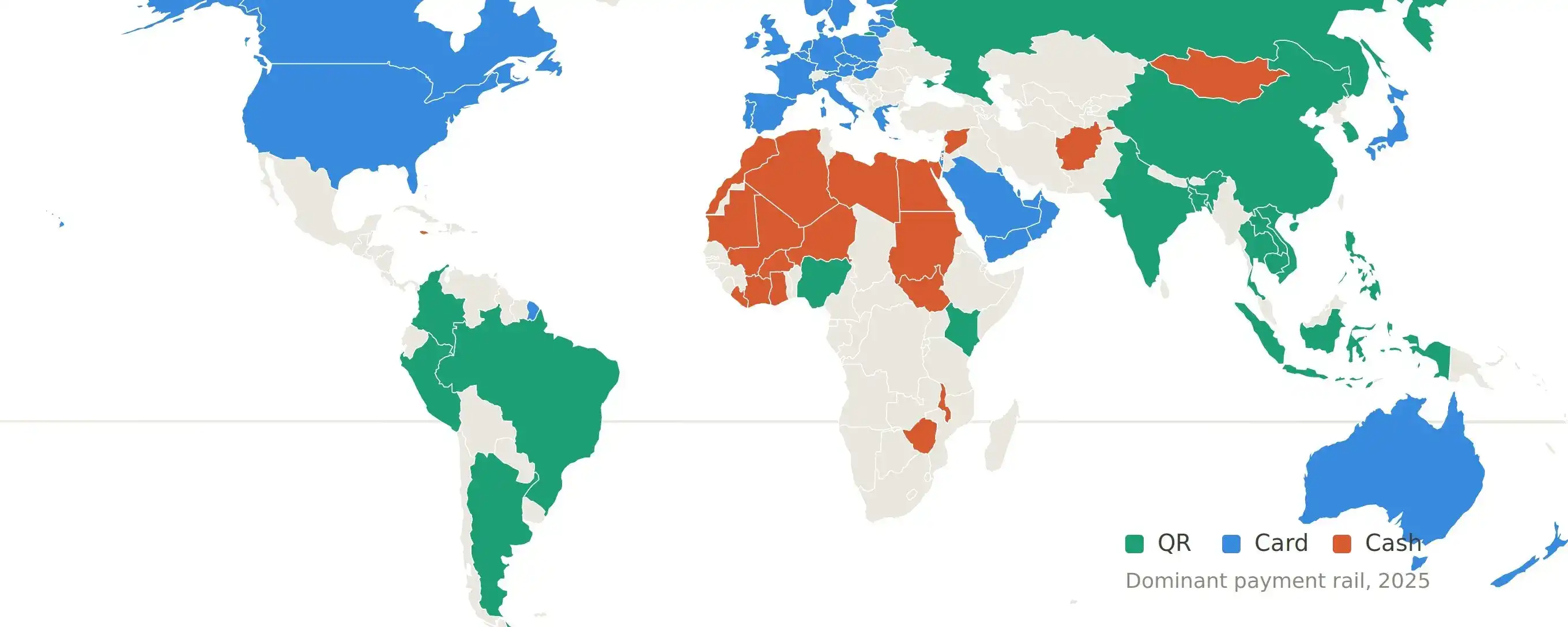
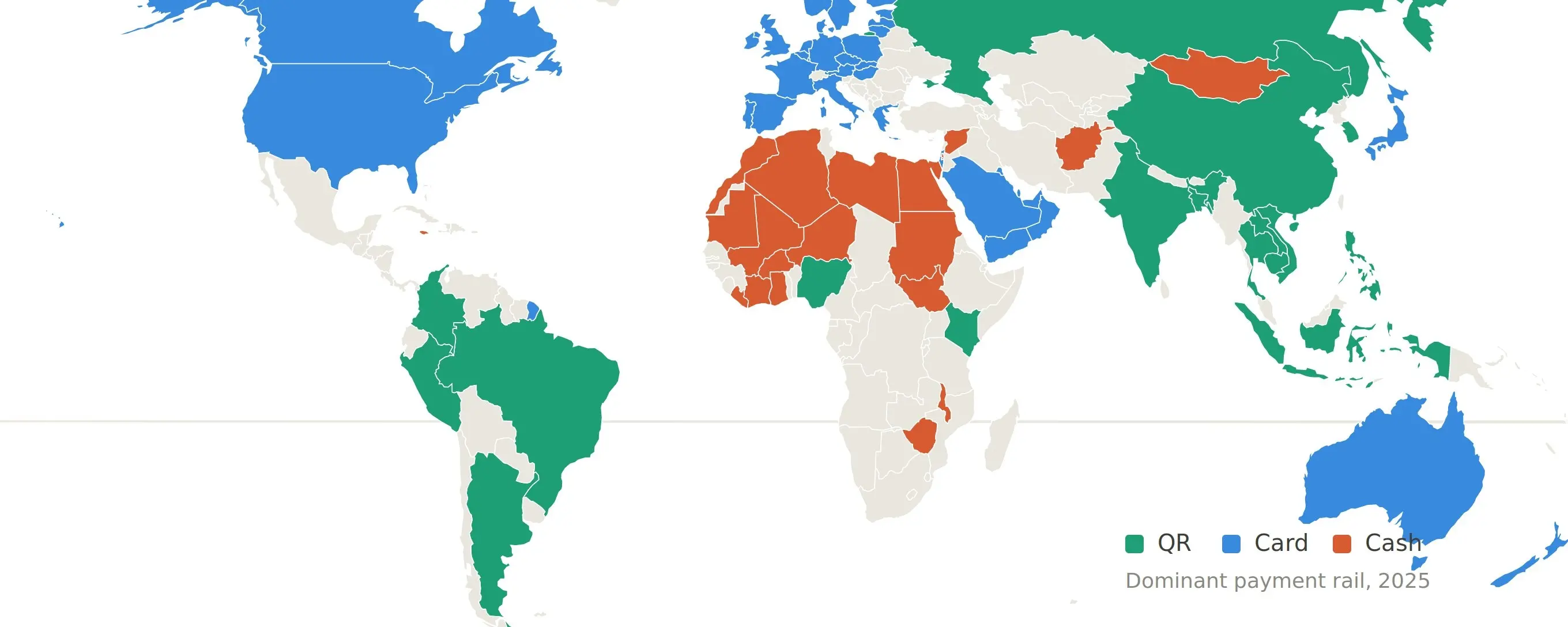
Автор провела почти месяц в Латинской Америке, проведя более 500 часов полевых исследований и пообщавшись с более чем 100 местными пользователями, разработчиками и регуляторами. Ее выводы противоречат распространенным представлениям. 1. Основной объем операций с криптокартами приходится на состоятельных клиентов, которые получают зарплату в долларах или USDT и конвертируют их в местную валюту через Pix, а не на розничные покупки. 2. QR-платежи доминируют в большинстве развивающихся стран (Бразилия, Китай, Индия и др.), тогда как рынки США и Европы все еще ориентированы на карты. Pix в Бразилии обрабатывает больше транзакций, чем кредитные и дебетовые карты вместе взятые. 3. Ключевая нерешенная проблема — отсутствие международной совместимости между системами мгновенных платежей (Pix, UPI, CoDi и др.), что затрудняет платежи иностранцев. 4. Конкуренция смещается от привлечения клиентов к контролю над расчетной инфраструктурой; ведущие компании приобретают банки для ускорения расчетов и снижения затрат. 5. Латиноамериканский рынок крайне неоднороден: Бразилия, Мексика, Аргентина и другие страны имеют разные валютные режимы и модели поведения пользователей. 6. Маржа на конвертацию стабильных монет стремительно сокращается, приближаясь к нулю. Будущие победители создадут ценность поверх дешевых конвертационных услуг. 7. Новые платежные компании должны с самого начала создавать узнаваемый международный бренд и кросс-граничную технологическую платформу. 8. Бразилия и Мексика — перенасыщенные рынки. Перспективными являются менее конкурентные коридоры, такие как "забытая пятерка" стран (Доминикана, Гватемала, Гондурас, Никарагуа, Сальвадор) или маршруты Колумбия-Европа. 9. Маркетинг должен быть точно сегментирован. Например, в Бразилии минимум 5 различных групп пользователей с уникальными денежными потоками и потребностями. 10. Регуляторы Латинской Америки (Бразилия, Мексика, Колумбия) часто опережают США в создании четких рамок для криптовалют и цифровых платежей, стремясь не запрещать, а сделать их безопаснее. Главный вывод: победа в платежной сфере Латинской Америки зависит не от копирования западных моделей, а от понимания локальных реалий, адаптации к доминированию QR-платежей и построения инфраструктуры для международной совместимости.

marsbit44 мин. назад

Платежная реальность Латинской Америки совсем не такая, как вы думаете

marsbit44 мин. назад

Делать музыку в медвежьем рынке: выживающий эксперимент биткоин-группы

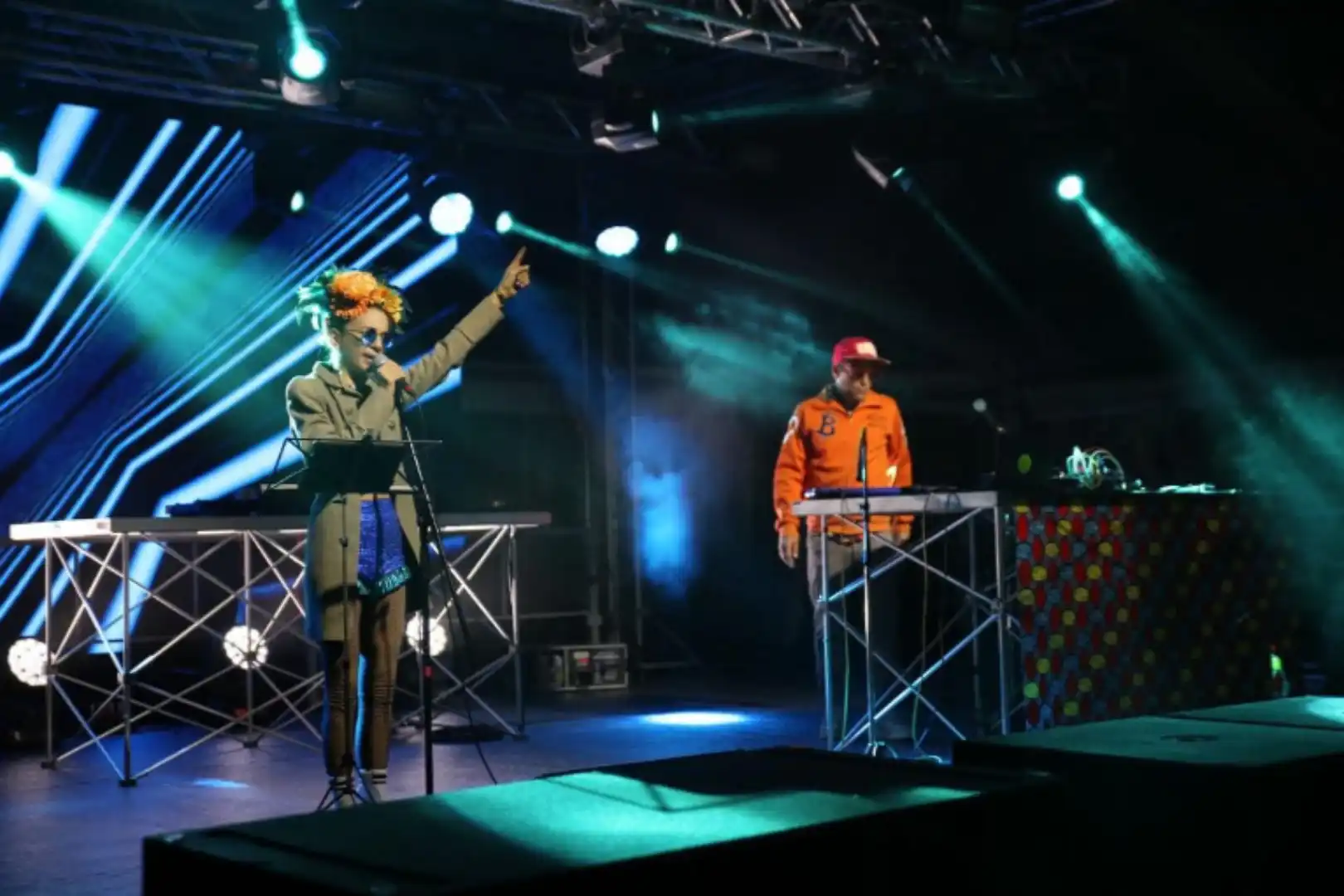
В условиях медвежьего рынка криптовалют группа Orange Pill Jam продолжает записывать музыку, сосредоточенную на темах финансового суверенитета, приватности и критики современных систем. Их стиль варьируется от гипси-регги до афро-латинских и хип-хоп ритмов. Несмотря на скромное присутствие на YouTube и Spotify, группа находит отклик в определённых кругах, стремясь создавать музыку, доступную как понимающим, так и не знакомым с биткоином. История началась с импровизированного выступления на конференции Plan B Forum в Лугано в 2022 году. Вокалистка Mermaid, вдохновлённая подкастом Макса Кейзера, написала песню "Dollar Apocalypse". Это событие привело к формированию коллектива с продюсером и мультиинструменталистом Michi, который отвечает за аранжировки и ритм, и менеджером Martino. В песнях, таких как "Cypherpunks' Manifesto" и "Fire of Freedom", группа исследует идеи приватности, опасности "бесплатных" продуктов и личной свободы, находя вдохновение в принятии биткоина Сальвадором. Отношение группы к искусственному интеллекту в музыке философское: они видят в нём инструмент для рутинных задач, но не для подлинного творчества, которое рождается из человеческого намерения и инстинкта. Практические вызовы включают монетизацию по модели copyleft с добровольными взносами в биткоинах, сложности с продвижением в эпоху алгоритмов и поиск подходящих концертных площадок. Их проект представляет собой эксперимент по сохранению человеческого, не поддающегося оптимизации творческого процесса — в медвежьем рынке и эпоху ИИ именно такая аутентичность становится самой ценной валютой.

marsbit54 мин. назад

Делать музыку в медвежьем рынке: выживающий эксперимент биткоин-группы

marsbit54 мин. назад

Платежная система Латинской Америки совсем не такая, как вы думаете

**Состояние платежей в Латинской Америке сильно отличается от ожиданий.** Автор провел почти месяц в регионе, проведя более 500 часов полевых исследований и опросив более 100 местных пользователей и экспертов. Вот ключевые выводы, опровергающие распространенные представления: 1. **Криптокаты:** Основной объем транзакций генерируют не розничные покупки, а состоятельные клиенты (например, профессионалы, получающие зарплату в USDT и конвертирующие ее через Pix в местную валюту). 2. **Доминирование QR-кодов:** QR-платежи (Pix в Бразилии, Mercado Pago в Аргентине и др.) стремительно становятся доминирующим методом оплаты в регионе, обгоняя карточные платежи. Карточные системы теряют relevance. 3. **Ключевая нерешенная проблема — международная интероперабельность:** Национальные системы мгновенных платежей (как Pix) не связаны между странами. Для иностранцев нет простого способа платить локальными QR-кодами — это огромная неиспользованная возможность. 4. **Битва за расчеты, а не за клиентов:** Ведущие платежные компании стремятся получить банковские лицензии, чтобы контролировать расчеты и снижать затраты на AML-проверки, а не просто подключаться к сторонним PSP. 5. **Латинская Америка — не единый рынок:** Бразилия, Аргентина, Мексика и другие страны имеют радикально разные экономические условия, валютные режимы и поведение пользователей. Нельзя использовать универсальный подход. 6. **Конкуренция в сфере стабильных монет сводит маржу к нулю:** Обмен USD/USDT становится товаром с почти нулевой прибылью. Победят те, кто построит дополнительные сервисы (кошельки, карты) поверх этого. 7. **Новое направление — кросс-бордерная экспансия с самого начала:** Успешные компании будущего должны строить узнаваемый международный бренд и технологический стек, способный масштабироваться на несколько стран, а не углубляться в один коридор. 8. **Бразилия и Мексика — "красный океан".** Большие возможности лежат в менее конкурентных странах, таких как "Забытая пятерка" (Доминикана, Гватемала, Гондурас, Никарагуа, Сальвадор), где объемы переводов высоки, а конкуренция минимальна. 9. **Точечный маркетинг:** В каждой стране есть 5-6 четких сегментов пользователей (туристы, экспаты, цифровые кочевники, местная молодежь и т.д.) с разными потоками денег и потребностями. Маркетинг должен быть гипер-таргетированным. 10. **Регуляторная среда опережает США:** Страны Латинской Америки (Бразилия, Мексика, Колумбия) внедряют четкие правила для криптоактивов и платежных инноваций быстрее и прагматичнее, чем регуляторы США. Ожидание "регуляторной ясности" в регионе ошибочно — она уже есть. Главный урок: будущее платежей в регионе определяют не карты, а локальные системы мгновенных QR-платежей. Ключевые возможности лежат в их соединении между странами и в создании сервисов для конкретных, а не усредненных сегментов пользователей.

链捕手57 мин. назад

Платежная система Латинской Америки совсем не такая, как вы думаете

链捕手57 мин. назад

Утечка талантов ИИ в Google: стресс-тест или начало «заката»?

Три ведущих специалиста по ИИ покинули Google: Ноам Шазер (соавтор архитектуры Transformer) перешел в OpenAI, Джон Джампер (соавтор AlphaFold) — в Anthropic, а Даниэль Де Фрейтас (сооснователь Character.AI) также ушел. Эти потери затрагивают ключевые направления ИИ: трансформеры, диалоговые системы и научные приложения. Однако автор считает, что это не «некролог» для Google, а скорее стресс-тест. Google остается одним из крупнейших центров ИИ-талантов, и его конкуренты активно переманивают оттуда специалистов перед своими IPO. В отличие от OpenAI и Anthropic, которые сосредоточены на моделях, Google обладает полным стеком: инфраструктура (TPU, облако), модели (Gemini, AlphaFold), продукты (Поиск, YouTube, Android) и миллиарды пользователей. Его сила — в интеграции ИИ в уже существующие сервисы, а не только в соревновании моделей. Кроме того, Google является стратегическим инвестором и инфраструктурным партнером для Anthropic, получая выгоду даже от успехов конкурентов. Хотя Google сталкивается с дилеммой инноватора, замедляясь из-за масштаба основного бизнеса (Поиск), компания показывает способность адаптироваться, как видно на примере сделки по возвращению команды Character.AI. Итог: уход талантов — серьезный сигнал, но Google, с его ресурсами, дистрибуцией и долгосрочной стратегией, остается ключевым игроком в многолетней гонке ИИ.

marsbit59 мин. назад

Утечка талантов ИИ в Google: стресс-тест или начало «заката»?

marsbit59 мин. назад

Торговля

Спот
Фьючерсы

Популярные статьи

Как купить S

Добро пожаловать на HTX.com! Мы сделали приобретение Sonic (S) простым и удобным. Следуйте нашему пошаговому руководству и отправляйтесь в свое крипто-путешествие.Шаг 1: Создайте аккаунт на HTXИспользуйте свой адрес электронной почты или номер телефона, чтобы зарегистрироваться и бесплатно создать аккаунт на HTX. Пройдите удобную регистрацию и откройте для себя весь функционал.Создать аккаунтШаг 2: Перейдите в Купить криптовалюту и выберите свой способ оплатыКредитная/Дебетовая Карта: Используйте свою карту Visa или Mastercard для мгновенной покупки Sonic (S).Баланс: Используйте средства с баланса вашего аккаунта HTX для простой торговли.Третьи Лица: Мы добавили популярные способы оплаты, такие как Google Pay и Apple Pay, для повышения удобства.P2P: Торгуйте напрямую с другими пользователями на HTX.Внебиржевая Торговля (OTC): Мы предлагаем индивидуальные услуги и конкурентоспособные обменные курсы для трейдеров.Шаг 3: Хранение Sonic (S)После приобретения вами Sonic (S) храните их в своем аккаунте на HTX. В качестве альтернативы вы можете отправить их куда-либо с помощью перевода в блокчейне или использовать для торговли с другими криптовалютами.Шаг 4: Торговля Sonic (S)С легкостью торгуйте Sonic (S) на спотовом рынке HTX. Просто зайдите в свой аккаунт, выберите торговую пару, совершайте сделки и следите за ними в режиме реального времени. Мы предлагаем удобный интерфейс как для начинающих, так и для опытных трейдеров.

1.5k просмотров всегоОпубликовано 2025.01.15Обновлено 2026.06.02

Как купить S

Sonic: Обновления под руководством Андре Кронье – новая звезда Layer-1 на фоне спада рынка

Он решает проблемы масштабируемости, совместимости между блокчейнами и стимулов для разработчиков с помощью технологических инноваций.

2.3k просмотров всегоОпубликовано 2025.04.09Обновлено 2025.04.09

Sonic: Обновления под руководством Андре Кронье – новая звезда Layer-1 на фоне спада рынка

HTX Learn: Пройдите обучение по "Sonic" и разделите 1000 USDT

HTX Learn — ваш проводник в мир перспективных проектов, и мы запускаем специальное мероприятие "Учитесь и Зарабатывайте", посвящённое этим проектам. Наше новое направление .

1.8k просмотров всегоОпубликовано 2025.04.10Обновлено 2025.04.10

HTX Learn: Пройдите обучение по "Sonic" и разделите 1000 USDT

Обсуждения

Добро пожаловать в Сообщество HTX. Здесь вы сможете быть в курсе последних новостей о развитии платформы и получить доступ к профессиональной аналитической информации о рынке. Мнения пользователей о цене на S (S) представлены ниже.

活动图片