Won't US Stocks Ever Fall Again? The 'Great Melt-up' Trap in the Era of High Debt

marsbitОпубликовано 2026-06-17Обновлено 2026-06-17

Введение

The article analyzes a popular theory circulating online that the U.S. stock market may be mathematically incapable of a true, sustained decline due to the country's massive and growing national debt. The argument suggests that the government's only path to managing this debt is through inflation and money printing, which would nominally lift asset prices like stocks, creating a perpetual "melt-up." The author places this idea within the historical context of market melt-ups, such as the dot-com bubble and Japan's asset bubble, where prices detach from fundamentals driven by momentum and FOMO. While acknowledging that a high-debt environment creates incentives for inflation, which is generally favorable for assets over cash, the article refutes key claims of the online theory. It clarifies that interest payments are not about to exceed GDP, that printing money is not the only option for the government, and that stocks do not reliably rise in lockstep with hyperinflation, citing historical examples from Germany, Zimbabwe, and Venezuela. The more probable outcome, according to the author, is a prolonged period of financial repression—moderate inflation above interest rates that slowly erodes debt and cash purchasing power, leading to nominally higher asset prices but potentially lower real returns. The core warning is that while long-term market trends may be upward, this does not eliminate the risk of significant interim crashes (30%, 40%, or more) or guarantee real wealth c...

Original Title: Hitting escape velocity in the Great Melt-up

Original Author: GRAHAM STEPHAN

Original Translator: Peggy

Editor's Note: This article, starting from a viral and subsequently deleted Reddit post, discusses an increasingly tempting judgment in the current US stock market: In the context of high US debt, continuously expanding fiscal deficits, and the ongoing dilution of monetary purchasing power, has the stock market entered a new state where it "cannot truly fall"?

The logic of the Reddit post is simple: The US debt scale has become too large, and the government can ultimately only dilute the debt by printing money and inflation; when the currency depreciates, stocks and hard assets priced in US dollars will also rise accordingly. Therefore, stocks are no longer just risky assets but resemble shelters against currency depreciation.

The author analyzes this claim within the framework of the "Melt-up" (referring to the final-stage accelerated rise in asset prices detached from fundamentals, driven by liquidity, momentum, and FOMO). Similar moments have occurred in history, such as during the Internet bubble and the Japanese asset bubble: new technologies or real growth initially provide a narrative foundation, then leverage and sentiment take over the market, leading investors to believe that old valuation rules have become obsolete.

The key reminder of the article is that a high-debt world does indeed favor assets over cash, but this does not mean stocks are "mathematically impossible to fall." Inflation can push up the nominal prices of assets but does not necessarily bring real wealth growth; the stock market's long-term new highs do not prevent interim drawdowns of 30%, 40%, or even deeper. Historically, in extreme inflation cases like Germany, Zimbabwe, and Venezuela, stock market increases did not equate to investors actually getting richer. Many were forced to sell to cover living costs before asset prices recovered.

The judgment the author ultimately offers is not extreme: The US is more likely to experience not debt default or hyperinflation but a prolonged period of financial repression—inflation slightly higher than interest rates, debt gradually diluted, cash purchasing power continuously eroded, asset prices nominally continuing to rise, but real returns potentially lower than the levels investors have become accustomed to over the past decade.

For investors currently attracted by the narratives of AI, US tech stocks, and "every dip gets bought," what this article truly aims to discuss is not whether to be bullish on US stocks, but how to avoid staking one's entire financial future on an overly smooth upward story. Assets may rise, but that doesn't mean risk disappears; the market may be rescued, but that doesn't mean everyone can hold on until the next new high.

Below is the original text:

This might sound crazy, but what if I told you that, mathematically speaking, the stock market might genuinely never fall again?

Last week, a post on Reddit suddenly went viral, presenting a rather compelling argument. Although the post was deleted after gaining popularity, its gist was this: "Stocks only go up" is no longer just a meme; it's a law. Like gravity, but in the opposite direction, and it acts on money.

The US now owes $40 trillion in debt. Our interest payments will soon exceed GDP. This means the only way for the government to merely pay the interest is to print enough money.

This will lead to hyperinflation. But what does it matter if you hold Palantir or Tesla stock? Those stocks will inflate proportionally. In other words, starting now, it's mathematically impossible for stocks to fall. If they did, the entire world economy would collapse.

That's why you see any "crash" get repaired within half a trading day. Literally, the stock market cannot fall anymore. This isn't last-gasp bravado; it's the new market law.

This isn't the first time such a viewpoint has appeared, but this time, the economic environment warrants serious consideration. So, we need to clarify: What's really happening now? Why is the government forced to continue printing money at an unimaginable scale? And what are the consequences if this theory holds true?

Because if this theory is correct, we might witness the largest wealth transfer in history. If it's wrong, it's a harvest.

Before we begin, if this is your first time reading my article, welcome to join over 40,000 subscribers in understanding the market ahead of time. You'll receive one email per week, completely free.

The Great Melt-up

The "stocks only go up" argument is built on a theory economists call "The Great Melt-up."

The logic of this theory is: Every bull market keeps rising until it enters a mania phase. Prices are no longer driven by fundamentals like earnings or cash flow but almost entirely by momentum. At this stage, you feel like everyone around you is getting rich, and you're the only one left behind.

The belief is simple: Prices will continue to rise because they have been rising so far.

This phenomenon isn't as rare as you might think. In the "melt-up" phase, returns can be staggering until they suddenly stop.

Take the late-1990s Internet bubble. From 1995 to March 2000, the Nasdaq rose 400%, with nearly 90% of that gain in the final year alone. Back then, many companies with no revenue, no profits, or even no real products could command valuations of hundreds of millions of dollars.

In December 1999, the CAPE ratio reached 44, the highest level in 140 years. Investors believed the internet had changed how markets worked. "AI will change everything." Sound familiar?

Then, the Nasdaq plunged 78% over the next two and a half years and took over a decade to return to its previous highs.

Look at Japan. Between 1975 and 1989, Japanese stocks rose 900%. At the peak, Japanese stocks had a P/E ratio as high as 60x. Land prices in Tokyo became absurdly expensive: The land value of the Imperial Palace grounds was even thought to exceed that of the entire state of California.

This was clearly ridiculous, but no one wanted to be the first to exit and miss the subsequent rise. When Japan started raising interest rates, the entire economic system collapsed, and the stock market fell 60% in less than two years. It took the Japanese economy 34 years to finally return to its previous peak.

However, this doesn't mean every rally is a melt-up.

The early stages of every melt-up are usually driven by some real factor: new technology, real economic growth, or a different policy environment. But when FOMO and leverage enter the market, valuations get stretched higher, and everyone starts believing the good times won't end.

So, are we in a melt-up today? We need to look at the stock market of 2026 first.

The Melt-up Theory on Reddit

The core of this Reddit theory is debt.

If the US government owes $40 trillion in debt while still running a $2 trillion annual deficit, how exactly does America get out of this debt without destroying the economy?

The simplest path is to dilute the debt through inflation. The purchasing power of the dollar falls until that $39 trillion debt becomes less burdensome in real terms. This tactic is called "financial repression" because it erodes the wealth created by ordinary people. The US government used a similar approach after World War II.

But when a government devalues its currency, everything priced in that currency rises accordingly: stocks, hard assets, all become nominally more valuable on paper. The problem is, this paper appreciation of assets doesn't equal an increase in real wealth because the dollar itself has become less valuable.

So, when Goldman Sachs recently raised its year-end target for the S&P 500 to 8000 points, even if this prediction comes true, it might not be a simple positive.

The alternative to infinite rising is a genuine stock market crash. But no one would be insane enough to actively choose that path.

However, what's truly unsettling are these numbers: By almost every major valuation metric, US stocks are not cheap. In fact, what investors are paying for every dollar of earnings is near historical highs, roughly double the long-term historical average.

The CAPE ratio has only broken above 40 twice in history. Once during the 1999 Internet bubble, and now.

This means the current market isn't just pricing in a debt-driven melt-up; it's exhibiting a state seen only once in 140 years of market history.

So, how do we judge whether the "Great Melt-up theory" will hold or collapse?

The Crash Test

Some statements in that Reddit post require closer examination.

First, that interest payments will soon exceed GDP—this is wrong.

What exceeds 100% is the debt-to-GDP ratio, not the interest-payments-to-GDP ratio. These are two different things. Historically, the US has been in similar situations and gotten out by "printing money," driving market recovery and further gains.

Second, that the only way to pay interest is to keep printing money—this is also wrong.

The government can also borrow money by selling Treasury bonds to investors, pension funds, other governments, and institutions. Of course, this model can't go on forever.

Third, that stocks will rise proportionally with hyperinflation—this, too, is wrong.

Historical experience doesn't support this. Between 1918 and 1922, the German stock market lost 97% of its value before hyperinflation peaked. Many were forced to sell stocks at the bottom just to pay for rent and food.

In Zimbabwe, the stock market did rise 500-fold, but the local currency depreciated by 99.8% against the US dollar. Similar situations occurred in Venezuela in 2018.

So, what's crucial to understand is: A great melt-up isn't necessarily a boon for stock holders.

Stocks can rise during inflation, but this doesn't automatically mean you get richer. If your portfolio is up 10%, but everything you buy costs 10% more, you haven't actually gained.

So, with this information, what should we really do?

The Exit Plan

History suggests the most likely outcome is: The US will not default on its debt, nor experience unprecedented hyperinflation, nor enter an infinite melt-up fueled by endless money printing due to treasury problems.

A more realistic result is a long, slow period of financial repression: inflation slightly above interest rates, debt becoming more manageable, and the purchasing power of the dollar gradually being lower than in the past.

The cost is that savers are quietly squeezed. Cash loses value, prices keep rising, asset prices in dollar terms continue to climb, but real returns after inflation may be far lower than what investors grew accustomed to over the past decade.

For the stock market, prices are likely to continue rising in the long term because when the dollar's purchasing power declines, asset nominal prices typically rise.

But the stock market's long-term upward trend doesn't mean it can't crash along the way. The market could still fall 30%, 40%, or even 60% from current levels. But it could also set new highs afterward.

These two seemingly contradictory facts can coexist at different times: The market is expensive, and a single event could trigger a 20% sell-off. Nothing is zero-risk. On the other hand, high debt doesn't necessarily mean high inflation, nor does it necessarily mean the stock market will be continuously bid up. Most importantly, you shouldn't base your entire financial future on the hope that "the next bailout will definitely happen."

In my view, that Reddit post is directionally correct, but it misunderstands the path to the outcome.

In a high-debt world, governments do have a strong incentive to let inflation bear the main burden. Over a sufficiently long time horizon, this generally favors assets over cash. But this absolutely does not mean "stocks are mathematically impossible to fall." That's a dangerous assumption.

This assumption makes people rush into every market frenzy, thinking it's their last chance to get rich. They buy at extreme valuations, with no margin of safety, no diversification, and no plan for what the market has done repeatedly—fall.

I'm not here predicting a crash. Many very smart people believe the market can keep rising.

But historically, those who ultimately win during inflationary periods are usually not those who bet their entire portfolio on the most expensive, highest-multiple stocks. The winners are often those with a collection of productive assets: stocks, real estate, some cash, maybe some gold and short-term bonds, and who aren't forced to sell when markets get rough.

In a high-debt world, over the long term, stocks might outperform cash. But this could also mean your portfolio sees almost no real growth for 10, 15, or even 20 years after inflation.

So, rather than relying on your willpower to endure decades of stagnation, build a system that doesn't require you to treat "hope" as an investment strategy.

To summarize, the answer is not panic, nor is it selling everything. But the answer is also not going all-in, using leverage, and assuming every dip will be bought.

This is a very emotional period. You might be tempted to bet everything on a so-called "once-in-a-lifetime opportunity." But risk is always two-sided.

I believe, for most people, the better choice is to stay diversified, not overly concentrated in the most expensive companies. Hold enough cash so you're never forced to sell at the worst possible time.

Most importantly, please don't base your entire financial future on a viral Reddit post.

Stick to your regular investment plan, stay diversified. If you found this article helpful, feel free to like it, share it, or send it to someone you don't want to be left behind by the market.

Original link

Трендовые криптовалюты

Связанные с этим вопросы

QWhat is the core argument of the Reddit post discussed in the article, and why does the author believe it is a dangerous assumption?

AThe core argument of the Reddit post is that, due to the massive U.S. national debt, the government has no choice but to inflate the currency to dilute it. In this scenario, assets priced in dollars (like stocks) would rise proportionally with inflation, making them mathematically incapable of falling without causing a total economic collapse. The author believes this is a dangerous assumption because it leads investors to buy at extreme valuations without a safety margin, a diversified portfolio, or a plan for market downturns, which history shows can and do occur even during inflationary periods.

QWhat does the term 'Great Melt-up' (Melt-up) refer to, and what are the historical examples provided in the article?

AThe term 'Great Melt-up' refers to a phase in a bull market where prices are driven almost entirely by momentum, FOMO (fear of missing out), and leverage, rather than fundamentals like earnings or cash flow. It's characterized by a belief that prices will keep rising simply because they have been rising. Historical examples provided include the Dot-com bubble of the late 1990s, where the Nasdaq rose 400% before crashing 78%, and the Japanese asset price bubble from 1975 to 1989, where the stock market rose 900% before collapsing by 60%.

QAccording to the author, what is the most likely economic outcome for the U.S. given its high debt, and what would be its main consequences for savers and investors?

AThe author argues the most likely outcome is a prolonged period of 'financial repression.' This involves inflation running moderately higher than interest rates, which gradually erodes the real value of the debt and makes it more manageable. The main consequence for savers and investors is that the purchasing power of cash is steadily eroded. While asset prices (like stocks) may continue to rise in nominal dollar terms, the real, inflation-adjusted returns are likely to be significantly lower than what investors have been accustomed to over the past decade.

QWhy does the author say that stock prices rising during high inflation does not automatically mean investors become wealthier?

AThe author explains that if an investment portfolio increases by 10% in nominal terms, but the cost of everything the investor needs to buy (goods and services) also increases by 10%, the investor's real purchasing power remains unchanged. They are not actually wealthier. Historical examples like Germany (1918-1922), Zimbabwe, and Venezuela show that even if stock indices rise dramatically in local currency terms, the currency's value can collapse faster, and many people are forced to sell assets at depressed prices just to cover basic living costs.

QWhat practical investment advice does the author give to navigate the current high-debt, potentially inflationary environment?

AThe author advises against panic selling or going all-in on expensive, high-momentum stocks. Instead, the recommended strategy is to maintain a diversified portfolio of productive assets (such as stocks, real estate, some cash, and possibly gold or short-term bonds). This ensures one is not overly concentrated in the most expensive parts of the market. Crucially, one should hold enough cash reserves to avoid being forced to sell assets at the worst possible time during a market downturn. The key is to have a systematic plan and not rely on hope or the assumption that every dip will be rescued by the government.

Похожее

Охотник сам становится добычей: самый прибыльный MEV-бот был взломан

**Взлом высокодоходного MEV-бота Jaredfromsubway.eth: убыток составил $7.5 млн** Знаменитый и печально известный MEV-бот Jaredfromsubway.eth, один из самых активных и прибыльных на сети Ethereum, стал жертвой сложной цепной атаки, потеряв более 7.5 миллионов долларов. Атака, произошедшая в субботу, не была традиционным фишингом или эксплуатацией уязвимости смарт-контракта. Вместо этого злоумышленники применили целенаправленную «контр-MEV-атаку с помощью ловушки» (counter-MEV honeypot attack). В течение нескольких недель атакующие развернули 66 поддельных контрактов токенов и фальшивых пулов ликвидности, искусно замаскированных под популярные активы, такие как WETH, USDC и USDT. Они создали иллюзию прибыльных арбитражных возможностей. Автоматизированная система бота, обнаружив эти «возможности», выполнила транзакции, в процессе чего предоставила разрешения (approve) контролируемым атакующими вспомогательным контрактам. Не отозвав эти разрешения вовремя, бот оставил свои средства уязвимыми. В итоге атакующие в одной транзакции воспользовались «бэкдором» и вывели ETH, USDC и USDT с адреса бота. Jaredfromsubway.eth был ключевым исполнителем «сэндвич-атак» (Sandwich Attack) в Ethereum, систематически извлекая прибыль из мемпула. По некоторым данным, он был связан с примерно 70% таких атак в сети за последний год и заработал десятки миллионов долларов. Этот инцидент демонстрирует, что даже самые изощренные цепочки атак в криптопространстве теперь сами могут стать мишенью для еще более сложных стратегий. После взлома в X появился фейковый аккаунт, выдав себя за команду бота, что побудило экспертов призвать пользователей к бдительности.

Odaily星球日报37 мин. назад

Охотник сам становится добычей: самый прибыльный MEV-бот был взломан

Odaily星球日报37 мин. назад

Платежная реальность Латинской Америки совсем не такая, как вы думаете

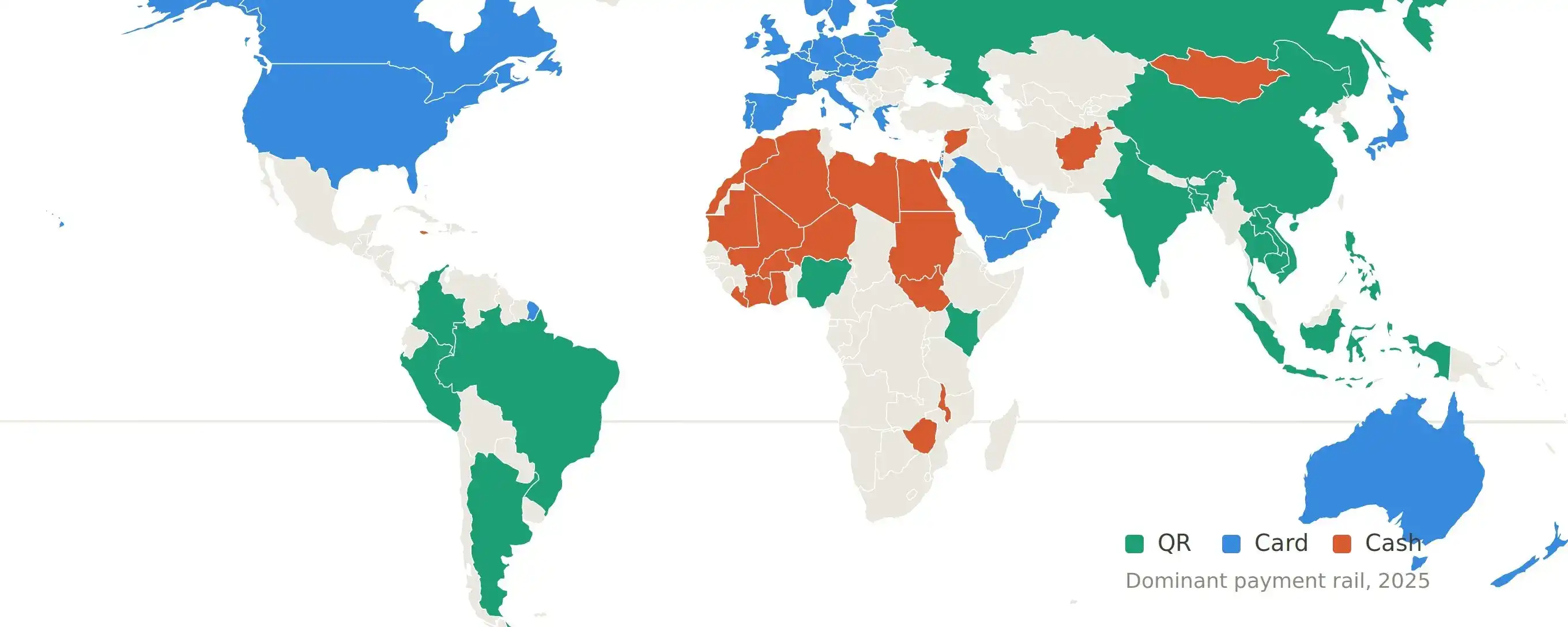
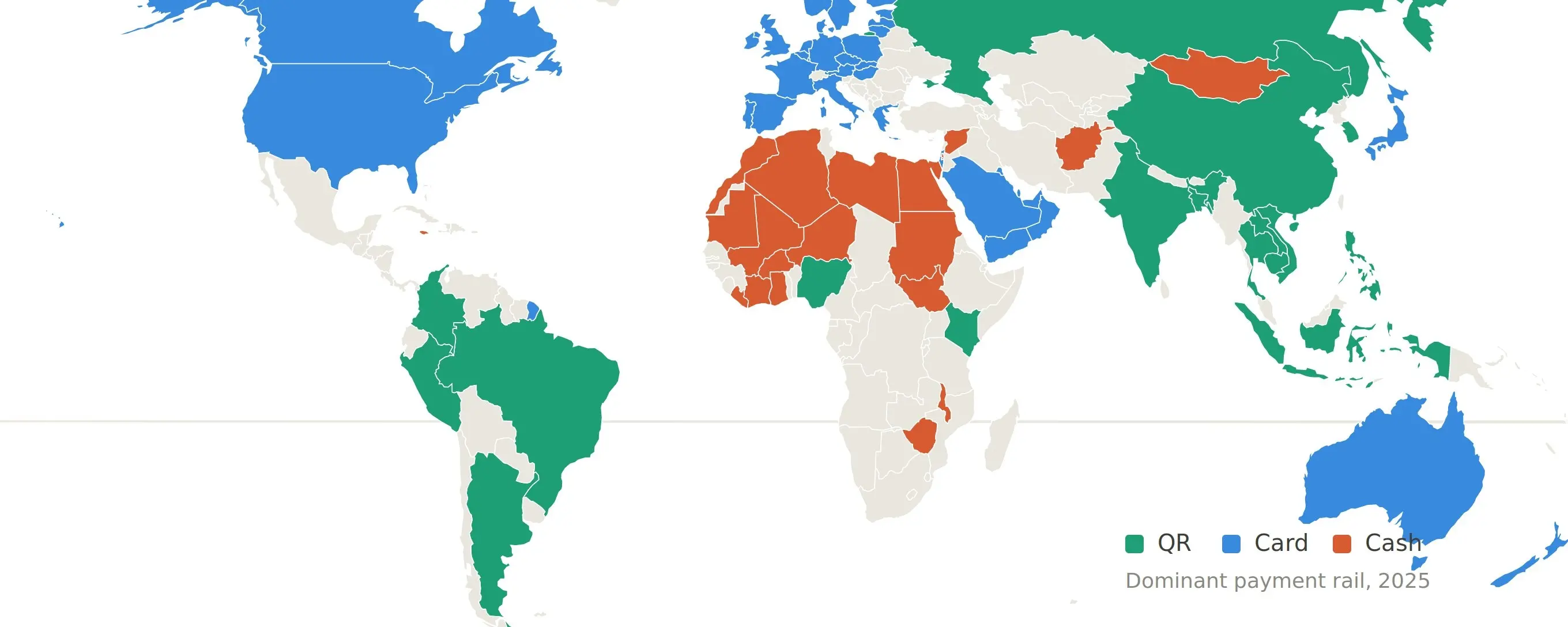
Автор провела почти месяц в Латинской Америке, проведя более 500 часов полевых исследований и пообщавшись с более чем 100 местными пользователями, разработчиками и регуляторами. Ее выводы противоречат распространенным представлениям. 1. Основной объем операций с криптокартами приходится на состоятельных клиентов, которые получают зарплату в долларах или USDT и конвертируют их в местную валюту через Pix, а не на розничные покупки. 2. QR-платежи доминируют в большинстве развивающихся стран (Бразилия, Китай, Индия и др.), тогда как рынки США и Европы все еще ориентированы на карты. Pix в Бразилии обрабатывает больше транзакций, чем кредитные и дебетовые карты вместе взятые. 3. Ключевая нерешенная проблема — отсутствие международной совместимости между системами мгновенных платежей (Pix, UPI, CoDi и др.), что затрудняет платежи иностранцев. 4. Конкуренция смещается от привлечения клиентов к контролю над расчетной инфраструктурой; ведущие компании приобретают банки для ускорения расчетов и снижения затрат. 5. Латиноамериканский рынок крайне неоднороден: Бразилия, Мексика, Аргентина и другие страны имеют разные валютные режимы и модели поведения пользователей. 6. Маржа на конвертацию стабильных монет стремительно сокращается, приближаясь к нулю. Будущие победители создадут ценность поверх дешевых конвертационных услуг. 7. Новые платежные компании должны с самого начала создавать узнаваемый международный бренд и кросс-граничную технологическую платформу. 8. Бразилия и Мексика — перенасыщенные рынки. Перспективными являются менее конкурентные коридоры, такие как "забытая пятерка" стран (Доминикана, Гватемала, Гондурас, Никарагуа, Сальвадор) или маршруты Колумбия-Европа. 9. Маркетинг должен быть точно сегментирован. Например, в Бразилии минимум 5 различных групп пользователей с уникальными денежными потоками и потребностями. 10. Регуляторы Латинской Америки (Бразилия, Мексика, Колумбия) часто опережают США в создании четких рамок для криптовалют и цифровых платежей, стремясь не запрещать, а сделать их безопаснее. Главный вывод: победа в платежной сфере Латинской Америки зависит не от копирования западных моделей, а от понимания локальных реалий, адаптации к доминированию QR-платежей и построения инфраструктуры для международной совместимости.

marsbit41 мин. назад

Платежная реальность Латинской Америки совсем не такая, как вы думаете

marsbit41 мин. назад

Делать музыку в медвежьем рынке: выживающий эксперимент биткоин-группы

В условиях медвежьего рынка криптовалют группа Orange Pill Jam продолжает записывать музыку, сосредоточенную на темах финансового суверенитета, приватности и критики современных систем. Их стиль варьируется от гипси-регги до афро-латинских и хип-хоп ритмов. Несмотря на скромное присутствие на YouTube и Spotify, группа находит отклик в определённых кругах, стремясь создавать музыку, доступную как понимающим, так и не знакомым с биткоином. История началась с импровизированного выступления на конференции Plan B Forum в Лугано в 2022 году. Вокалистка Mermaid, вдохновлённая подкастом Макса Кейзера, написала песню "Dollar Apocalypse". Это событие привело к формированию коллектива с продюсером и мультиинструменталистом Michi, который отвечает за аранжировки и ритм, и менеджером Martino. В песнях, таких как "Cypherpunks' Manifesto" и "Fire of Freedom", группа исследует идеи приватности, опасности "бесплатных" продуктов и личной свободы, находя вдохновение в принятии биткоина Сальвадором. Отношение группы к искусственному интеллекту в музыке философское: они видят в нём инструмент для рутинных задач, но не для подлинного творчества, которое рождается из человеческого намерения и инстинкта. Практические вызовы включают монетизацию по модели copyleft с добровольными взносами в биткоинах, сложности с продвижением в эпоху алгоритмов и поиск подходящих концертных площадок. Их проект представляет собой эксперимент по сохранению человеческого, не поддающегося оптимизации творческого процесса — в медвежьем рынке и эпоху ИИ именно такая аутентичность становится самой ценной валютой.

marsbit51 мин. назад

Делать музыку в медвежьем рынке: выживающий эксперимент биткоин-группы

marsbit51 мин. назад

Платежная система Латинской Америки совсем не такая, как вы думаете

**Состояние платежей в Латинской Америке сильно отличается от ожиданий.** Автор провел почти месяц в регионе, проведя более 500 часов полевых исследований и опросив более 100 местных пользователей и экспертов. Вот ключевые выводы, опровергающие распространенные представления: 1. **Криптокаты:** Основной объем транзакций генерируют не розничные покупки, а состоятельные клиенты (например, профессионалы, получающие зарплату в USDT и конвертирующие ее через Pix в местную валюту). 2. **Доминирование QR-кодов:** QR-платежи (Pix в Бразилии, Mercado Pago в Аргентине и др.) стремительно становятся доминирующим методом оплаты в регионе, обгоняя карточные платежи. Карточные системы теряют relevance. 3. **Ключевая нерешенная проблема — международная интероперабельность:** Национальные системы мгновенных платежей (как Pix) не связаны между странами. Для иностранцев нет простого способа платить локальными QR-кодами — это огромная неиспользованная возможность. 4. **Битва за расчеты, а не за клиентов:** Ведущие платежные компании стремятся получить банковские лицензии, чтобы контролировать расчеты и снижать затраты на AML-проверки, а не просто подключаться к сторонним PSP. 5. **Латинская Америка — не единый рынок:** Бразилия, Аргентина, Мексика и другие страны имеют радикально разные экономические условия, валютные режимы и поведение пользователей. Нельзя использовать универсальный подход. 6. **Конкуренция в сфере стабильных монет сводит маржу к нулю:** Обмен USD/USDT становится товаром с почти нулевой прибылью. Победят те, кто построит дополнительные сервисы (кошельки, карты) поверх этого. 7. **Новое направление — кросс-бордерная экспансия с самого начала:** Успешные компании будущего должны строить узнаваемый международный бренд и технологический стек, способный масштабироваться на несколько стран, а не углубляться в один коридор. 8. **Бразилия и Мексика — "красный океан".** Большие возможности лежат в менее конкурентных странах, таких как "Забытая пятерка" (Доминикана, Гватемала, Гондурас, Никарагуа, Сальвадор), где объемы переводов высоки, а конкуренция минимальна. 9. **Точечный маркетинг:** В каждой стране есть 5-6 четких сегментов пользователей (туристы, экспаты, цифровые кочевники, местная молодежь и т.д.) с разными потоками денег и потребностями. Маркетинг должен быть гипер-таргетированным. 10. **Регуляторная среда опережает США:** Страны Латинской Америки (Бразилия, Мексика, Колумбия) внедряют четкие правила для криптоактивов и платежных инноваций быстрее и прагматичнее, чем регуляторы США. Ожидание "регуляторной ясности" в регионе ошибочно — она уже есть. Главный урок: будущее платежей в регионе определяют не карты, а локальные системы мгновенных QR-платежей. Ключевые возможности лежат в их соединении между странами и в создании сервисов для конкретных, а не усредненных сегментов пользователей.

链捕手54 мин. назад

Платежная система Латинской Америки совсем не такая, как вы думаете

链捕手54 мин. назад

Утечка талантов ИИ в Google: стресс-тест или начало «заката»?

Три ведущих специалиста по ИИ покинули Google: Ноам Шазер (соавтор архитектуры Transformer) перешел в OpenAI, Джон Джампер (соавтор AlphaFold) — в Anthropic, а Даниэль Де Фрейтас (сооснователь Character.AI) также ушел. Эти потери затрагивают ключевые направления ИИ: трансформеры, диалоговые системы и научные приложения. Однако автор считает, что это не «некролог» для Google, а скорее стресс-тест. Google остается одним из крупнейших центров ИИ-талантов, и его конкуренты активно переманивают оттуда специалистов перед своими IPO. В отличие от OpenAI и Anthropic, которые сосредоточены на моделях, Google обладает полным стеком: инфраструктура (TPU, облако), модели (Gemini, AlphaFold), продукты (Поиск, YouTube, Android) и миллиарды пользователей. Его сила — в интеграции ИИ в уже существующие сервисы, а не только в соревновании моделей. Кроме того, Google является стратегическим инвестором и инфраструктурным партнером для Anthropic, получая выгоду даже от успехов конкурентов. Хотя Google сталкивается с дилеммой инноватора, замедляясь из-за масштаба основного бизнеса (Поиск), компания показывает способность адаптироваться, как видно на примере сделки по возвращению команды Character.AI. Итог: уход талантов — серьезный сигнал, но Google, с его ресурсами, дистрибуцией и долгосрочной стратегией, остается ключевым игроком в многолетней гонке ИИ.

marsbit56 мин. назад

Утечка талантов ИИ в Google: стресс-тест или начало «заката»?

marsbit56 мин. назад

Торговля

Спот
Фьючерсы

Популярные статьи

Как купить ERA

Добро пожаловать на HTX.com! Мы сделали приобретение Caldera (ERA) простым и удобным. Следуйте нашему пошаговому руководству и отправляйтесь в свое крипто-путешествие.Шаг 1: Создайте аккаунт на HTXИспользуйте свой адрес электронной почты или номер телефона, чтобы зарегистрироваться и бесплатно создать аккаунт на HTX. Пройдите удобную регистрацию и откройте для себя весь функционал.Создать аккаунтШаг 2: Перейдите в Купить криптовалюту и выберите свой способ оплатыКредитная/Дебетовая Карта: Используйте свою карту Visa или Mastercard для мгновенной покупки Caldera (ERA).Баланс: Используйте средства с баланса вашего аккаунта HTX для простой торговли.Третьи Лица: Мы добавили популярные способы оплаты, такие как Google Pay и Apple Pay, для повышения удобства.P2P: Торгуйте напрямую с другими пользователями на HTX.Внебиржевая Торговля (OTC): Мы предлагаем индивидуальные услуги и конкурентоспособные обменные курсы для трейдеров.Шаг 3: Хранение Caldera (ERA)После приобретения вами Caldera (ERA) храните их в своем аккаунте на HTX. В качестве альтернативы вы можете отправить их куда-либо с помощью перевода в блокчейне или использовать для торговли с другими криптовалютами.Шаг 4: Торговля Caldera (ERA)С легкостью торгуйте Caldera (ERA) на спотовом рынке HTX. Просто зайдите в свой аккаунт, выберите торговую пару, совершайте сделки и следите за ними в режиме реального времени. Мы предлагаем удобный интерфейс как для начинающих, так и для опытных трейдеров.

749 просмотров всегоОпубликовано 2025.07.17Обновлено 2026.06.02

Как купить ERA

Обсуждения

Добро пожаловать в Сообщество HTX. Здесь вы сможете быть в курсе последних новостей о развитии платформы и получить доступ к профессиональной аналитической информации о рынке. Мнения пользователей о цене на ERA (ERA) представлены ниже.

活动图片