$40 Million Airdrop, Binance USD1 Incentive Refill, Can the Annualized Yield Exceed 20%?

marsbitОпубликовано 2026-01-23Обновлено 2026-01-23

Введение

Binance has launched a $40 million airdrop of World Liberty Financial (WLFI) tokens for USD1 holders, running from January 23 to February 20, 2026. Weekly distributions of $10 million worth of WLFI will occur each Friday, starting February 2. To qualify, users must hold USD1 net assets in Spot, Funding, Margin, or USDⓈ-M Futures wallets (excluding Earn accounts). Using USD1 as collateral in Margin or Futures accounts grants a 1.2x reward multiplier, with no trading required. Balances are tracked via hourly snapshots, and daily minimum net balances (above 0.01 USD1) are used for calculations. Based on an estimated USD1 circulating supply of 3.2 billion, the potential annualized yield is projected to exceed 20%. For example, holding 10,000 USD1 in Spot/Funding could yield around $12.5 weekly, while the same amount in leveraged accounts (with multiplier) could yield approximately $15 weekly. Using 5x leverage to buy USD1 may further increase returns after accounting for borrowing costs. Note: Calculations are estimates and do not account for potential USD1 price premiums. Actual returns depend on Binance's total USD1 participation.

Author: Sanqing, Foresight News

On January 23, according to the latest announcement from Binance, the exchange officially launched a special airdrop event for World Liberty Financial USD (USD1) holders. This event will distribute a total of $40 million worth of World Liberty Financial (WLFI) tokens.

This event is a continuation of Binance's previous USD1 principal-guaranteed earn product activity. From December 24 last year to January 24 this year, Binance offered a 20% annualized USD1 reward for savings products up to 50,000 USD1. Influenced by the news of this event, the USD1 spot price on Binance shifted from a negative premium to a positive premium of 0.19% against USDT, currently quoted at 1.0019 USDT.

Event Period and Reward Distribution

This airdrop event lasts for four weeks, starting from January 23, 2026, and continuing until February 20. During the event period, Binance will distribute $10 million worth of WLFI tokens each week.

The first batch of rewards is expected to be distributed on February 2, covering the holdings statistics from the first week of the event. Subsequent rewards will be distributed every Friday during the event period, with the tokens being directly deposited into eligible individual spot accounts.

Participation Eligibility and Calculation Mechanism

According to the announcement, users participating in this airdrop must meet specific account asset requirements.

Eligible Account Scope: Users need to hold USD1 net assets in their Binance Spot Account, Funding Account, Margin Account, or USDⓈ-M Futures Account. Please note that USD1 held in Savings Accounts is not counted towards this airdrop statistic.

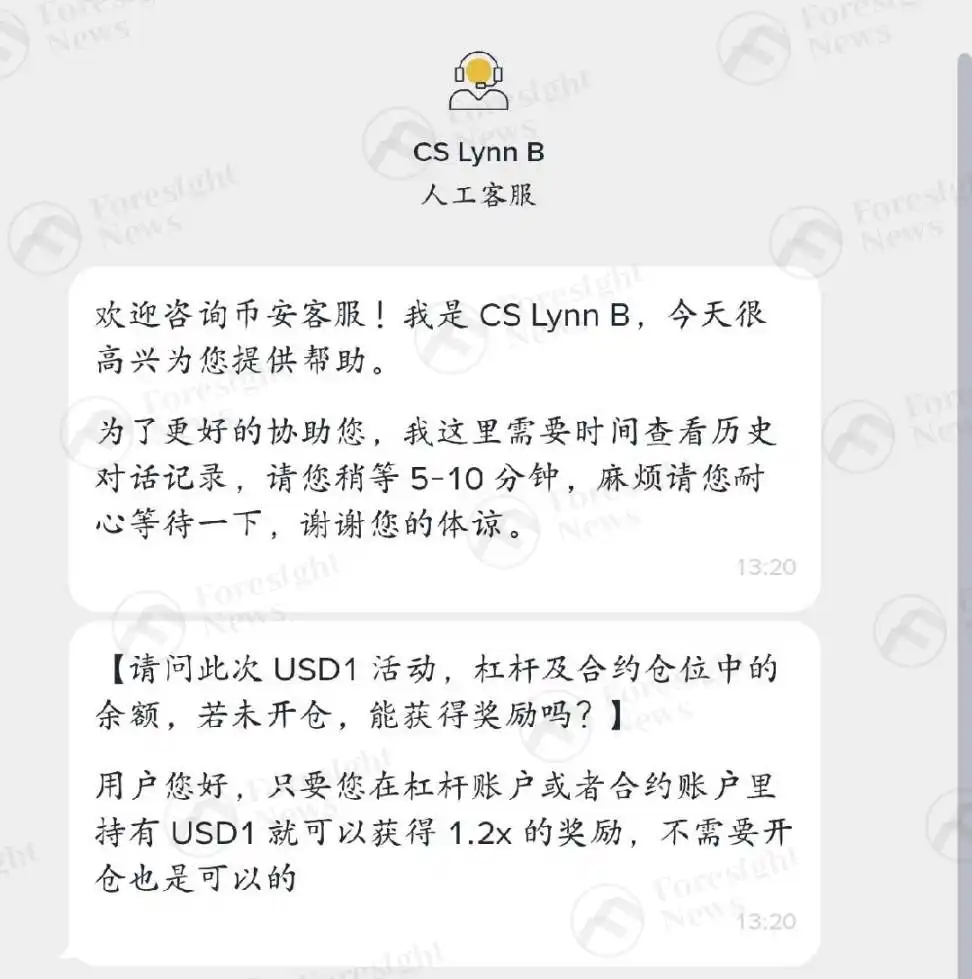
Weight Bonus: Users who use USD1 as collateral in Margin or Futures Accounts will receive a 1.2x reward multiplier. Confirmed by Binance customer service, users only need to complete the asset transfer to enjoy the bonus, with no mandatory trading (opening orders) requirement.

Figure - Binance Customer Service Reply

Calculation Standard: The system will monitor balances using multiple hourly snapshots, using the lowest snapshot balance of the day as the calculation baseline.

Net Asset Definition: Eligible balances only count USD1 net assets (i.e., holdings must deduct USD1 liabilities generated through borrowing or leverage), and the single account balance must be greater than 0.01 USD1.

Earnings Simulation

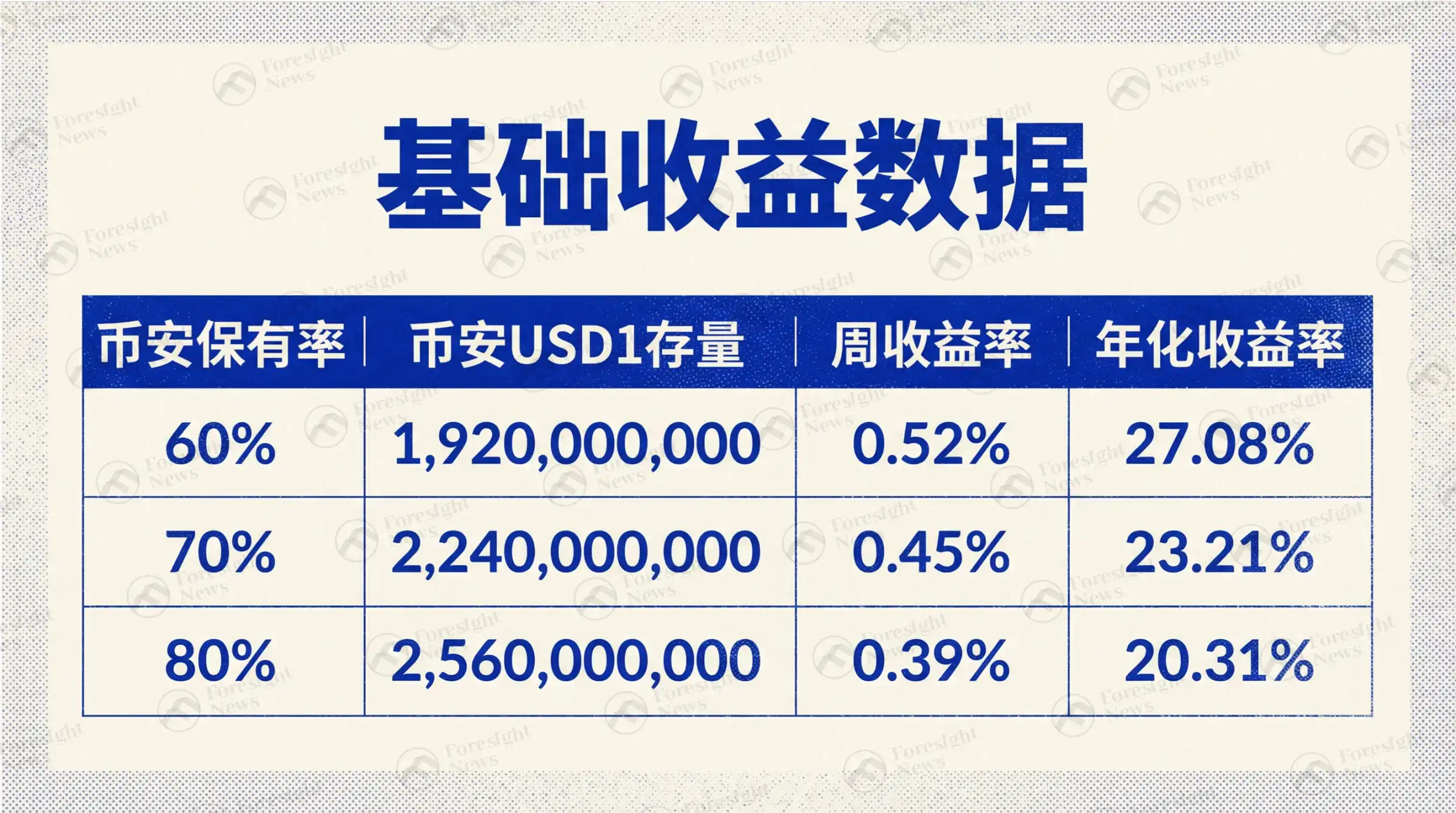
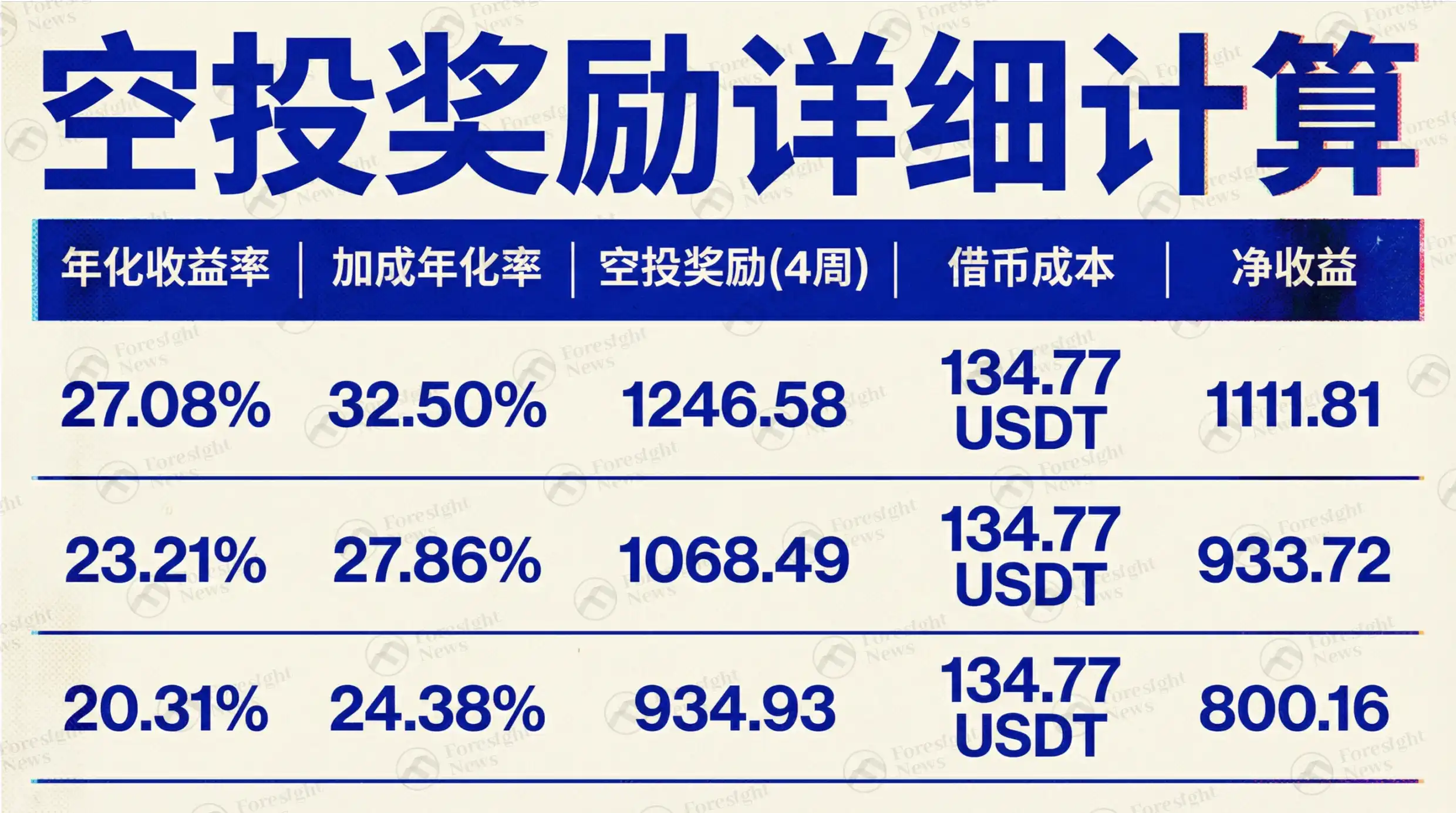
As of now, the total supply of USD1 is approximately 3.2 billion. With a weekly reward of $10 million worth of WLFI, the estimated annualized yield is calculated based on the assumed total USD1存量 on Binance (if fully participating in the event):

Annualized Yield Estimate

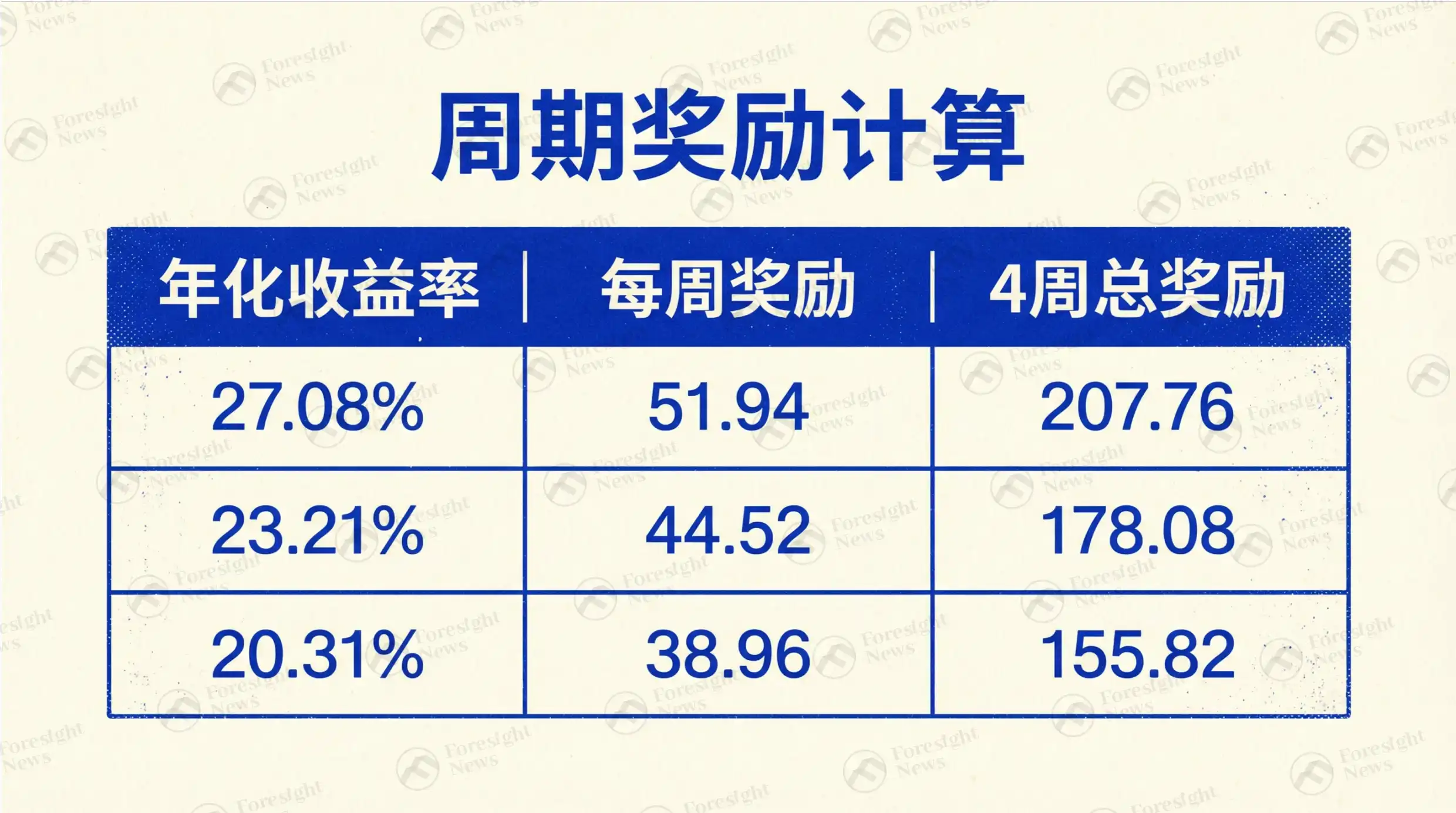
Spot & Funding Account Reward (Holding 10,000 USD1)

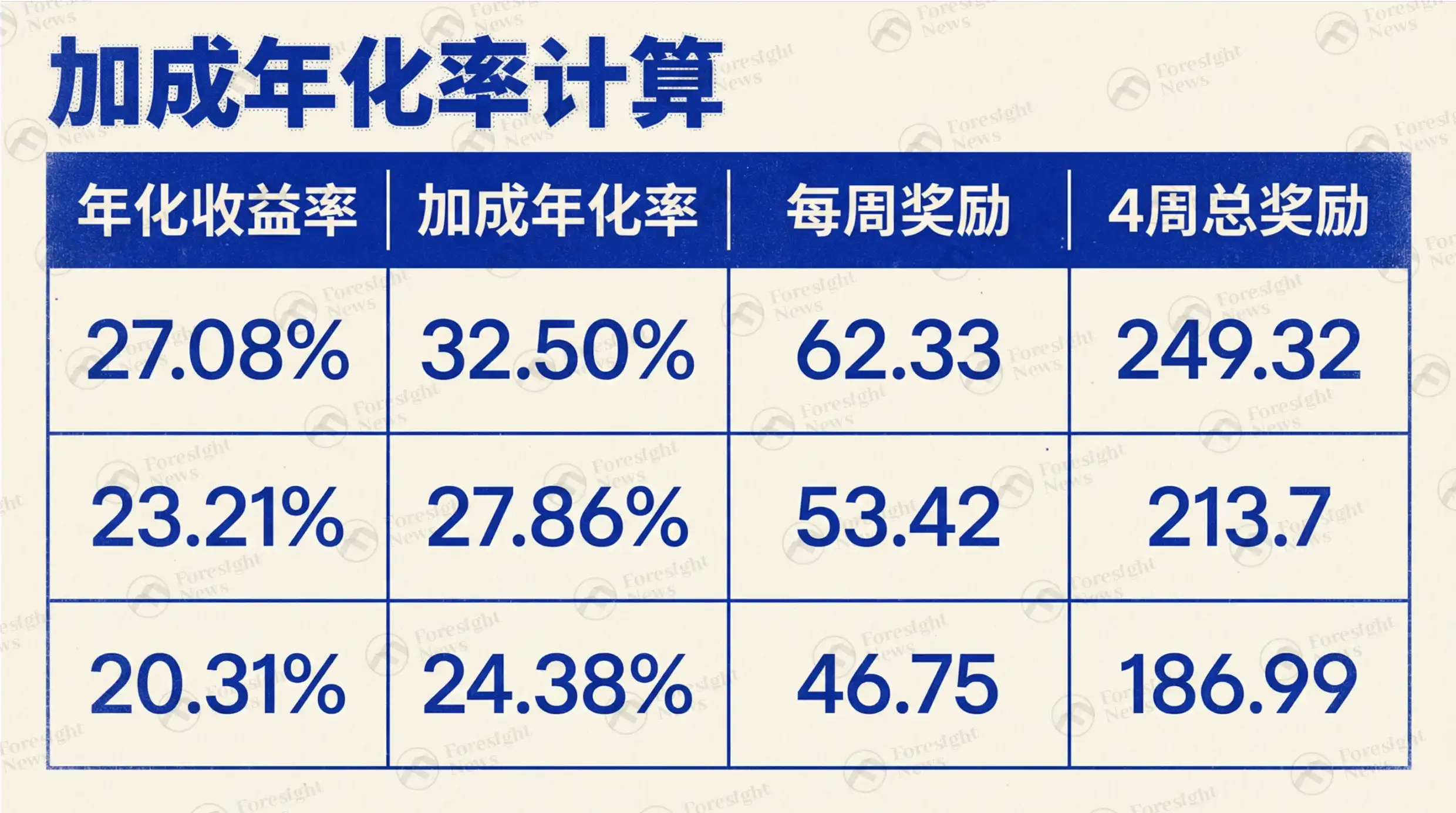
Margin & Futures Account Reward (Holding 10,000 USD1, with 1.2x Bonus)

5x Margin Account Reward (Holding 10,000 USDT, using leverage to buy USD1, with 1.2x Bonus)

Note: The hourly interest rate for Binance Margin product USD1/USDT is approximately 0.0005%, the 4-week borrowing cost is estimated accordingly.

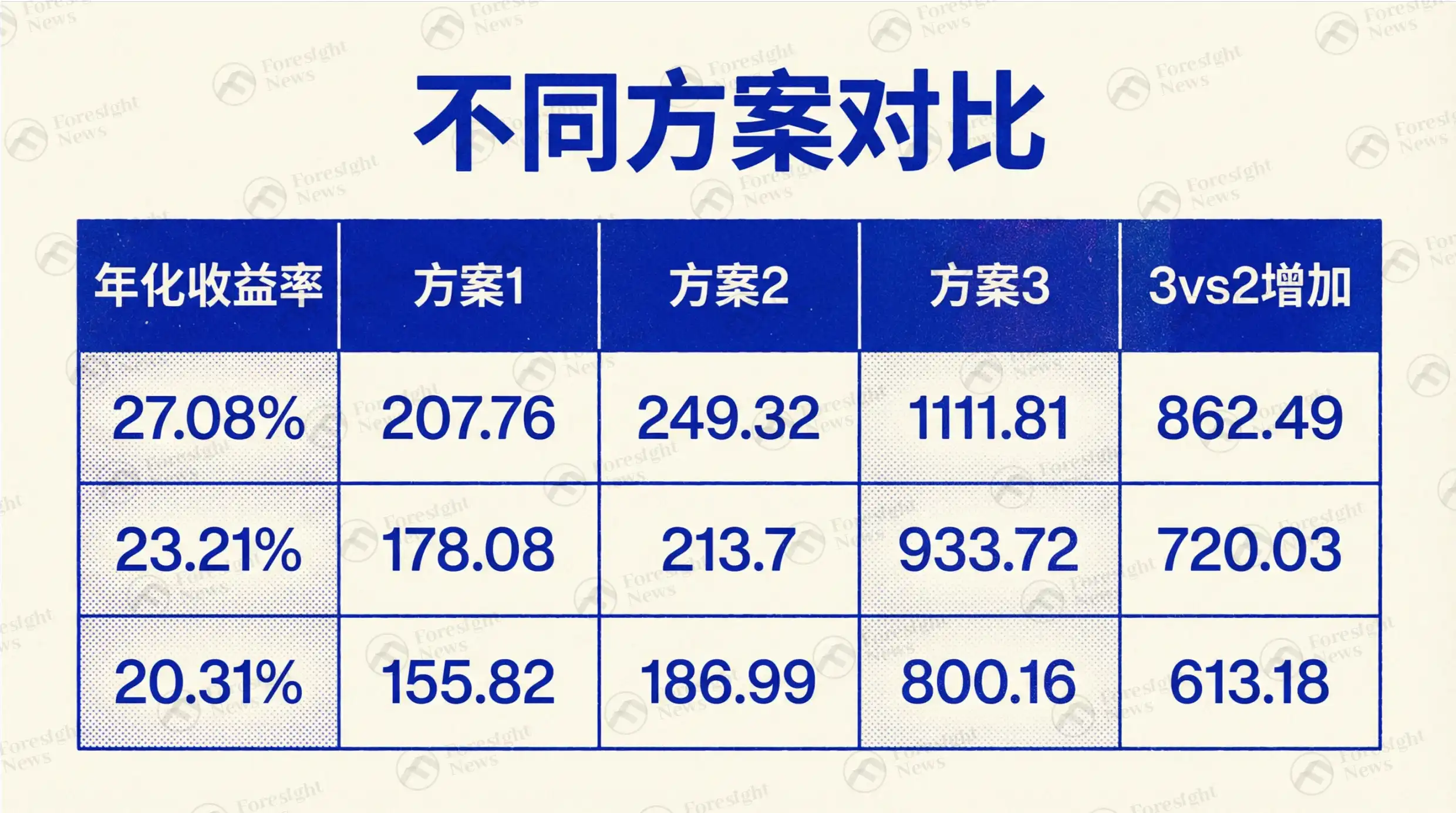
Comparison of Three Scenarios

Note: The calculation does not consider the USD1 premium. Furthermore, the total USD1 holdings on Binance are not publicly disclosed; the figures herein are estimates only.

Связанные с этим вопросы

QWhat is the total value of the WLFI token airdrop announced by Binance for USD1 holders?

AThe total value of the WLFI token airdrop is $40 million.

QWhat is the duration of the airdrop campaign and how is the reward distributed?

AThe airdrop campaign lasts for four weeks, from January 23, 2026, to February 20, 2026. Binance will distribute $10 million worth of WLFI tokens each week.

QWhich user accounts are eligible for the airdrop, and what is the requirement for the 'net assets'?

AUsers are eligible if they hold USD1 net assets in their Binance Spot, Funding, Margin, or USDⓈ-M Futures accounts. Net assets are calculated as holdings minus any USD1 liabilities from borrowing or leverage, and the balance must be greater than 0.01 USD1.

QHow can users get a 1.2x reward multiplier in this airdrop event?

AUsers can get a 1.2x reward multiplier by using USD1 as collateral in their Margin or Futures accounts. No actual trading (opening positions) is required to receive this bonus.

QAccording to the article's estimates, what is the potential annualized yield for participants, and what is a major factor that could influence the actual return?

AThe article provides various estimated annualized yields, with one scenario showing a potential return of over 20%. A major factor that could influence the actual return is the total amount of USD1 held across Binance that participates in the event, which is not publicly known, making the calculations speculative. The calculations also do not account for the USD1 price premium.

Похожее

It Took Me a Year to See the Bitter Truth About Agent Payments

After a year building infrastructure for the Agent economy, engaging with major players like Stripe, Visa, and Coinbase, the author shares a sobering analysis of the current state of Agent payments. The core finding is a stark lack of genuine, immediate demand across most envisioned use cases. The article breaks down four key market segments: 1. **Agent-to-Merchant (Consumer Shopping):** For most product categories (e.g., clothing, electronics), conversational AI shopping is a step backwards from visual e-commerce interfaces. While agents excel at understanding needs, they can't replace side-by-side product comparison. Real merchant interest is defensive "Agent Engine Optimization," not driven by current customer demand. Potential exists for high-frequency, low-decision purchases (like food delivery) or navigating complex store UIs, but these require massive B2C distribution channels dominated by giants like Amazon. 2. **Agent-to-API (Developer Services):** Developers already have subscriptions and billing relationships for APIs (compute, data). Prepaid balances solve micro-payment issues for low transaction volumes. A deeper structural problem is that major SaaS vendors' business models rely on enterprise contracts, resisting granular pay-per-call pricing. While protocols like MPP and x402 serve the long tail of niche services, this market is small and developers are historically low-willingness-to-pay. 3. **Agent-to-Agent:** This remains largely theoretical with minimal transaction volume. While it represents a long-term bet on a fundamentally new transaction infrastructure (sub-second, micro-penny to million-dollar, multi-party settlements), it does not constitute a present market. 4. **Agent-to-Finance:** This is the only category with existing, paying demand. Integrating AI into financial workflows (trading, portfolio management) is a natural evolution and enables new capabilities like autonomous rebalancing. However, competition favors established, regulated institutions. The "real problem" is not moving money between agents, but the broader challenge of **coordination**—orchestrating work between agents and humans, verifying outcomes, and settling results. Payment is just one component of settlement, which is itself part of coordination. Companies that solve the coordination layer will subsume payment, not the other way around. While well-funded incumbents build defensively for a long-term future, startups must find where the market is today—which, for the author's team, lies outside these four categories in an area of real, growing, and underserved activity.

marsbit17 мин. назад

It Took Me a Year to See the Bitter Truth About Agent Payments

marsbit17 мин. назад

It Took Me a Year to See the Hard Truth About Agent Payments

**Title: It Took Me a Year to See the Hard Truth About Agent Payments** Over the past year, I've worked on infrastructure for the Agent economy, engaging with major players like Stripe, Visa, Coinbase, and numerous startups. The findings reveal a stark reality: genuine, widespread demand for Agent-based payments does not yet exist. **Key Observations:** * **Agent-to-Merchant (Shopping):** The user experience for AI shopping often falls short, especially for visual product discovery. While AI excels at understanding needs, conversational interfaces can't yet replace browsing and comparing multiple products visually. Current merchant interest is largely defensive ("Agent Engine Optimization") for a future that hasn't arrived. High-frequency, low-friction purchases (like food delivery) are potential fits, but lack open APIs and face high AI inference costs. Simpler, more affordable, or cross-language interactions for complex UIs are a niche opportunity but require massive consumer distribution to scale. * **Agent-to-API (Developer Tools):** Developer payment needs for APIs (computing, data, models) are already met through subscriptions and prepaid credits. The core challenge is not payment friction but supplier economics: most large SaaS providers prefer enterprise contracts over micropayments for API calls. Protocols like MPP and x402 suit the long-tail of smaller services but cater to a developer market historically reluctant to pay for these tools. Major infrastructure needs at the top of the stack are already being addressed. * **Agent-to-Agent (Machine Commerce):** This is a long-term vision with almost no current transaction volume. While a future with high-speed, high-frequency, multi-party machine-to-machine transactions would require novel infrastructure, it remains theoretical. The market is not here yet. * **Agent-to-Finance:** This is the only category with clear, present demand. Financial professionals and DeFi users already pay for tools, and AI augmentation is a natural evolution. Autonomous AI agents can enable entirely new financial strategies. However, competition is fierce from established, regulated incumbents who can more easily layer AI onto their existing products. **The Core Insight:** Companies, especially giants with long time horizons, are building defensively for a potential future of mass machine commerce. For them, early investment is a low-cost hedge. For startups, the current market reality is different. The primary challenge isn't just moving money between agents (payments). The larger, unsolved problem is **orchestration** – coordinating work between agents and humans, verifying outcomes, and then settling. Payment is just a part of settlement, which is just a part of orchestration. Companies that solve the orchestration problem will subsume payments, not the other way around. After a year of building, we see the real, growing, and underserved market opportunity lies in this broader domain of orchestration.

链捕手41 мин. назад

It Took Me a Year to See the Hard Truth About Agent Payments

链捕手41 мин. назад

Claude Opus 4.8 Finds a $4.5 Billion Bug: The AI Era is Mass-Producing Hackers

A researcher discovered a critical "infinite mint" vulnerability in the Zcash cryptocurrency's Orchard protocol using Claude Opus 4.8, leading to a swift fix but also a 50% market drop, erasing billions in value. This incident highlights a new era where powerful, accessible AI models are dramatically lowering the barrier to finding software vulnerabilities. Previously, the security community feared specialized models like Claude Mythos Preview, capable of finding decades-old zero-day exploits. The Zcash case, however, involved a publicly available, general-purpose model. This shift makes advanced security auditing—and attack capabilities—accessible to far more people, not just experts. The mass democratization of vulnerability discovery brings a dual challenge: a flood of low-quality, AI-generated false reports that overwhelm maintainers, and the real, rapid uncovering of deep, dangerous bugs. Open-source projects, often understaffed and unfunded, are particularly vulnerable to this "attention DDoS." The article cites examples like curl shutting down its bug bounty program due to the unsustainable workload. Our perceived digital safety has often been luck, relying on the high cost and effort required to find deeply hidden flaws in complex systems, as seen with historical vulnerabilities like Heartbleed or Baron Samedit. AI changes this cost structure, effectively "mass-producing flashlights" to illuminate every corner of our codebase. While large companies operate extensive security chains involving external white-hat hackers and massive defensive operations, the global cybersecurity workforce faces a severe shortage, especially of experienced personnel capable of analyzing complex threats and coordinating fixes. The core dilemma emerges: AI makes *finding* bugs cheap and scalable, but *fixing* them remains a slow, expensive, and human-intensive process. The article concludes that AI won't destroy the internet but acts as a bright light, revealing that our digital existence is not inherently secure but is precariously maintained by ongoing human effort. The true cost in the AI era may not be discovery, but whether there will be enough people left willing and able to do the hard work of repair.

marsbit1 ч. назад

Claude Opus 4.8 Finds a $4.5 Billion Bug: The AI Era is Mass-Producing Hackers

marsbit1 ч. назад

Codex Goal Mode Usage Guide: How to Make AI Continuously Pursue a Specific Objective

"Codex Goal Mode: How to Make AI Work Continuously Toward a Specific Goal" OpenAI's Codex "goal mode" (/goal) transforms the AI from a reactive code assistant into a proactive execution agent capable of working autonomously for hours or even days to achieve a defined objective. To maximize its effectiveness, follow these key principles: 1. **Define Clear, Verifiable Exit Criteria:** The goal prompt should be a concise, measurable success condition, not a lengthy specification. Use quantifiable metrics like "reduce build time by 30%" or "achieve 100% test parity." 2. **Provide Initial Guidance and Tools:** Direct Codex toward likely problem areas and specify available tools (e.g., browsers, testing environments) to prevent it from exploring unproductive paths. 3. **Enable Progress Measurement:** Equip Codex with ways to track advancement, such as creating comparison tools for visual tasks or evaluation sets, ensuring it can gauge its own progress. 4. **Use a Realistic Execution Environment:** For tasks like performance optimization, provide access to environments that closely mimic production (e.g., similar configs, databases) to yield valid results. 5. **Be Cautious with Visual Goals:** Avoid vague "pixel-perfect" instructions. Instead, supplement visual references with functional checklists or design system specifications to prevent Codex from obsessing over minor details. 6. **Implement Progress Tracking:** For long-running tasks, have Codex commit code to draft PRs, update progress documents, or send Slack updates to maintain visibility into its work. 7. **Review and Consolidate Results:** Once the goal is met, instruct Codex to review its work, clean up ineffective experimental code, and reflect on what strategies succeeded or failed. Ultimately, using goal mode shifts the developer's role from writing prompts to managing a persistent engineering agent—defining objectives, establishing metrics, configuring environments, and conducting final reviews.

marsbit2 ч. назад

Codex Goal Mode Usage Guide: How to Make AI Continuously Pursue a Specific Objective

marsbit2 ч. назад

Торговля

Спот
Фьючерсы

Популярные статьи

Что такое PONKE BNB

Ponke BNB: Новый подход в криптовалютной сфере Введение Ponke BNB, новичок на криптовалютной арене, был запущен в 2024 году и работает на платформе BNB Smart Chain (BEP20). Этот инновационный проект стремится создать уникальное и вовлеченное сообщество, сосредотачиваясь на устойчивом генерировании вознаграждений. По мере эволюции криптовалютного ландшафта, Ponke BNB нацелен на решение критических проблем, связанных с устойчивостью вознаграждений, что делает его проектом, за которым стоит следить как энтузиастам, так и инвесторам. Что такое Ponke BNB? В своей основе, Ponke BNB представляет собой криптовалюту, специально разработанную для экосистемы BNB Smart Chain. С огромным общим предложением в 370,000,000,000,000,000 токенов, стоит отметить, что в настоящее время нет токенов в обращении. Основная миссия Ponke BNB заключается в том, чтобы способствовать созданию устойчивой системы вознаграждений, которая смягчает проблемы, связанные с исчерпанием вознаграждений, что является распространенной проблемой во многих криптовалютах сегодня. Механика функциональности Ponke BNB сосредоточена на поощрении участия пользователей, одновременно предоставляя вознаграждения, которые могут выдержать испытание временем. Уникальная структура его системы вознаграждений направлена на обеспечение долговечности и стабильности, что позволяет решить важные рыночные проблемы. Кто создатель Ponke BNB? Несмотря на обширные исследования, личность создателя Ponke BNB остается неизвестной. Заметно отсутствие общедоступной информации о создателе проекта или его команде разработчиков. Эта анонимность, хотя и не редкость в криптовалютном пространстве, вызывает некоторые вопросы о прозрачности и подотчетности в управлении проектом. Кто инвесторы Ponke BNB? Подобно отсутствию четкости относительно его создателя, нет и публичной информации о каких-либо инвестиционных фондах или организациях, поддерживающих Ponke BNB. Это отсутствие данных об инвесторах часто порождает неуверенность среди потенциальных инвесторов, которые, как правило, предпочитают ясное понимание поддержки, стоящей за криптовалютами, с которыми они рассматривают возможность взаимодействия. Как работает Ponke BNB? Ponke BNB выделяется благодаря своей изобретательной двухуровневой системе устойчивого генерирования вознаграждений. Эта система построена для эффективной борьбы с проблемой исчерпания вознаграждений. Привлекая пользователей и создавая яркое сообщество, Ponke BNB стремится предоставить стабильную и приятную среду, акцентируя внимание на взаимодействии пользователей и вознаграждениях. Операционная основа Ponke BNB поощряет участие через различные активности и испытания, которые разработаны для стимуляции пользователей, обеспечивая при этом устойчивость системы вознаграждений. Проект нацелен на стимулирование сообщества и создание вовлекающей атмосферы, где участники могут чувствовать себя ценными и оцененными. Хронология Ponke BNB Эволюция Ponke BNB может быть кратко охарактеризована несколькими ключевыми моментами: 2024: Начало Ponke BNB на платформе BNB Smart Chain (BEP20) отметило значительный вход в рынок криптовалют. 2024: Выпускwhitepaper проекта и официального сайта предоставил исчерпывающую информацию о целях и задачах Ponke BNB, формируя основу для его ориентированного на сообщество подхода. Ключевые особенности Ponke BNB Ponke BNB основан на нескольких ключевых функциях, которые отличают его от других криптовалютных проектов: Устойчивая система вознаграждений Двухуровневая система вознаграждений разработана для содействия вовлечению, предотвращения исчерпания вознаграждений и обеспечения долговечности доходов для участников экосистемы Ponke BNB. Вовлечение сообщества Проект придает большое значение активному вовлечению сообщества, подстегивая участие через мероприятия, предназначенные для создания социального и коллаборативного окружения. Такой ориентированный на сообщество подход предоставляет пользователям возможность участвовать в формировании будущих направлений проекта. Интеграция с BNB Smart Chain Работая на платформе BEP20, Ponke BNB укреплен безопасностью и эффективностью, предоставляемой BNB Smart Chain. Пользователи получают выгоду от быстрых и экономически выгодных транзакций, что позиционирует Ponke BNB хорошо в более широкой криптовалютной экосистеме. Заключение В заключение, Ponke BNB — это развивающийся криптовалютный проект, который стремится занять свою нишу в растущем ландшафте цифровых валют. С акцентом на устойчивую систему вознаграждений и вовлечение сообщества, он представляет собой свежий взгляд в иначе волатильном секторе. Несмотря на неопределенности в отношении создателей и инвесторов проекта, Ponke BNB продолжает стремиться к прозрачности и инновациям. Поскольку рынок криптовалют продолжает развиваться, принципы устойчивости и динамика, ориентированные на сообщество, ставят Ponke BNB в обнадеживающее положение для будущих наблюдателей и участников.

597 просмотров всегоОпубликовано 2024.04.06Обновлено 2024.12.03

Что такое PONKE BNB

Как купить BNB

Добро пожаловать на HTX.com! Мы сделали приобретение Binance Coin (BNB) простым и удобным. Следуйте нашему пошаговому руководству и отправляйтесь в свое крипто-путешествие.Шаг 1: Создайте аккаунт на HTXИспользуйте свой адрес электронной почты или номер телефона, чтобы зарегистрироваться и бесплатно создать аккаунт на HTX. Пройдите удобную регистрацию и откройте для себя весь функционал.Создать аккаунтШаг 2: Перейдите в Купить криптовалюту и выберите свой способ оплатыКредитная/Дебетовая Карта: Используйте свою карту Visa или Mastercard для мгновенной покупки Binance Coin (BNB).Баланс: Используйте средства с баланса вашего аккаунта HTX для простой торговли.Третьи Лица: Мы добавили популярные способы оплаты, такие как Google Pay и Apple Pay, для повышения удобства.P2P: Торгуйте напрямую с другими пользователями на HTX.Внебиржевая Торговля (OTC): Мы предлагаем индивидуальные услуги и конкурентоспособные обменные курсы для трейдеров.Шаг 3: Хранение Binance Coin (BNB)После приобретения вами Binance Coin (BNB) храните их в своем аккаунте на HTX. В качестве альтернативы вы можете отправить их куда-либо с помощью перевода в блокчейне или использовать для торговли с другими криптовалютами.Шаг 4: Торговля Binance Coin (BNB)С легкостью торгуйте Binance Coin (BNB) на спотовом рынке HTX. Просто зайдите в свой аккаунт, выберите торговую пару, совершайте сделки и следите за ними в режиме реального времени. Мы предлагаем удобный интерфейс как для начинающих, так и для опытных трейдеров.

1.8k просмотров всегоОпубликовано 2024.05.07Обновлено 2026.06.02

Как купить BNB

Что такое BNB CARD

Понимание BNB Card: Революция цифровой идентичности в Web3 В быстро развивающемся мире блокчейн-технологий и криптовалют BNB Card или $BNBCARD выделяется как примечательный проект. Этот мем-токен с утилитарной направленностью, созданный сообществом, использует BNB Smart Chain (BSC) и стремится интегрировать мем-культуру с инновационными решениями цифровой идентичности. Поскольку все больше пользователей погружается в мир децентрализации, важно разобрать, что предлагает BNB Card, его операционные нюансы и потенциальное влияние на рынок. Что такое BNB Card ($BNBCARD)? В своей основе BNB Card представляет собой мем-токен с значительной утилитарной функцией. Он предназначен для расширения возможностей пользователей, позволяя создавать персонализированные цифровые идентификационные карты, которые являются как выразительными, так и функциональными. Проект включает несколько ключевых особенностей: Настраиваемые ID-карты: Пользователи имеют возможность разрабатывать цифровые ID-карты в стиле Binance, предоставляя им платформу для самовыражения и улучшенного взаимодействия в сообществе. Децентрализованная структура: Разработанный на BSC, BNB Card подчеркивает такие ключевые характеристики, как безопасность, прозрачность и суверенитет пользователей. Децентрализованный характер структуры позволяет проводить транзакции, которые являются как эффективными, так и безопасными. Модель, ориентированная на сообщество: Акцент на участии на grassroots-уровне, а не на лабораторно управляемых финансовых моделях создает увлекательную среду для пользователей. Используя врожденную вирусность мем-культуры, BNB Card способствует созданию мощного движения сообщества. Основная цель BNB Card заключается в демократизации инструментов цифровой идентичности в Web3, предлагая доступные решения, которые приносят пользу пользователям без обременений, обычно связанных с традиционными системами управления идентичностью. Создатели и инвесторы При исследовании идентичности BNB Card важно отметить, что нет единственного создателя, которому явно приписывается заслуга. Вместо этого проект кажется созданным сообществом, что подразумевает коллективные усилия, вдохновленные концепцией “Early Builder Card” от Binance. Такой органический подход к разработке является обычным явлением среди проектов в спектре мем-токенов, где развитие часто зависит от увлечения сообщества, а не от центральной власти. Что касается инвестиций, то отсутствие публично раскрытых институциональных спонсоров еще больше подчеркивает основание проекта на grassroots-уровне. Он процветает благодаря органической поддержке сообщества, что отражает обычную характеристику проектов, движимых мемами, которые часто вовлекают свою аудиторию через социальные каналы, а не через формальные инвестиционные пути. Как это работает BNB Card использует несколько механизмов, которые определяют его функционирование и инновационный дух: Утилита токена: Токен BNBCARD предоставляет пользователям доступ к набору инструментов для создания ID, а также предлагает платформу для управления сообществом. Токен служит связующим звеном, которое позволяет реализовать эти функции. Интеграция с блокчейном: Используя BSC, BNB Card обеспечивает совместимость с приложениями на основе Ethereum Virtual Machine (EVM). Эта интеграция предоставляет пользователям преимущества низких транзакционных сборов, улучшая доступность. DIY-экосистема: Центральным элементом привлекательности BNB Card является его подход “сделай сам” (DIY) к созданию цифровых идентификационных карт. Этот элемент участия побуждает пользователей заниматься творческим самовыражением, способствуя инклюзивной культуре, которая процветает за счет вклада и сотрудничества. Хронология Хронология имеет важное значение для понимания траектории BNB Card. Важные вехи в истории проекта включают: 18 марта 2025 года: BNB Card был добавлен на LBank, что стало значительным шагом в его пути на биржу и открыло двери для ликвидности и доступности для пользователей. 19 марта 2025 года: Произошел ключевой момент, когда токен испытал астрономический рост на 26,000% за 24 часа, привлекая внимание к своему потенциалу и энтузиазму сообщества. Текущие разработки: Проект постоянно расширяет свои партнерства с децентрализованными биржами (DEX), такими как PancakeSwap, что дополнительно улучшает ликвидность и вовлеченность пользователей. Инновации и дифференциация Понимание того, что отличает BNB Card, требует более глубокого изучения его инновационной структуры: Гибрид мем-утилиты: BNB Card успешно сочетает игривую привлекательность мем-культуры с практическими приложениями в управлении цифровой идентичностью. Этот нишевый подход эффективно охватывает широкую демографию, привлекая как технически подкованных пользователей, так и тех, кто только начинает знакомиться с криптовалютами. Децентрализованное управление: Работа без централизованного контроля позволяет проекту напрямую использовать мнения сообщества. Коллективный процесс принятия решений, поддерживаемый вовлечением сообщества, наделяет пользователей властью, обеспечивая, чтобы их голоса способствовали развитию и направлению проекта. Масштабируемость: BNB Card может значительно выиграть от обновлений дорожной карты 2025 года для BNB Chain, которые включают улучшения, такие как увеличение скорости транзакций и интеграция инструментов искусственного интеллекта. Эти улучшения выгодно позиционируют проект в условиях высокой конкуренции. Заключение BNB Card является символом новой волны решений цифровой идентичности в экосистеме Web3. Сочетая развлечение, вовлечение сообщества и практическую утилитарность, он приглашает пользователей активно участвовать в формировании своих цифровых личностей. Поскольку проект ориентируется на динамичный рынок криптовалют, его успех, вероятно, будет зависеть от поддержания сильной поддержки сообщества, одновременно адаптируясь к технологическим достижениям и потребностям пользователей. Интеграция децентрализации с мем-культурой служит не только средством для вовлечения пользователей, но и основой для развивающегося нарратива вокруг цифровой идентичности в эпоху блокчейна. В заключение, BNB Card не только иллюстрирует слияние креативности и утилитарности в крипто-пространстве, но и подчеркивает важность сообщества в определении будущего децентрализованных технологий.

583 просмотров всегоОпубликовано 2025.03.26Обновлено 2025.03.26

Что такое BNB CARD

Обсуждения

Добро пожаловать в Сообщество HTX. Здесь вы сможете быть в курсе последних новостей о развитии платформы и получить доступ к профессиональной аналитической информации о рынке. Мнения пользователей о цене на BNB (BNB) представлены ниже.

活动图片