CYBRO is a scam! They are registered in Iceland, a favorite registration site for scammers! CYBRO promises astronomical returns without clear plans for achieving them! Recently, concerns have surfaced online about CYBRO, with accusations of potential fraud circulating on the internet. The crypto community has started to take a closer look into the situation, and some members have conducted their own detailed analyses to get a better understanding of the allegations.
CYBRO is an AI-based yield aggregator platform on the Blast blockchain. They’ve established a good following of 13,200 people on Twitter where they regularly rack up about 150 likes each and around 2,300 impressions on average. Their Discord server has 5,370 members, while their Telegram chat is going strong with 3,400 people.
As for token holders, they’ve got a solid community of 8,649 investors which is a steady growth for a project that’s been around for around 6 months now. Plus, CYBRO has been verified by some reputable organizations like CERTIK, Assure DeFi, QuillAudits, and Pessimistic.
But some people have expressed skepticism about the legitimacy of CYBRO, which might make you concerned as well, wondering how legit CYBRO and its ongoing token presale seem on the surface. So, what gives?
What Is CYBRO?
CYBRO is an AI-driven yield farming platform on Blast blockchain. The platform offers users multiple yield strategies in a slick, easy-to-use interface. You can earn a decent 4% APY on ETH and 5% on stablecoins, plus manage your deposits and withdrawals easily.
Some other CYBRO features include reliable risk scoring, DeFi vaults, CeFi strategies, and transparent fees. Soon, the team will introduce an AI copilot feature to help users choose and create yield farming strategies more easily.
CYBRO first made headlines in April this year when the $CYBRO token presale kicked off, followed by the launch of the core app in July 2024. $CYBRO is the platform’s native cryptocurrency that offers perks like discounted fees, cashback, and a say in project governance.
Notably, the presale has opened the doors to CYBRO’s Pre-Alpha Yield Program, which unlocks weekly ETH rewards to investors who hold a minimum of $1,000 worth of $CYBRO. The rewards will become available for withdrawal after the token generation event (TGE).
So far, CYBRO has raised over $2.6 million, drawing in nearly 9,000 holders. According to the official documentation, the team is currently working on a one-click investment feature and AI-broker, both of which are built to make the DeFi experience for users simpler, faster, and more convenient than ever.
CYBRO is even looking to create a bridge between DeFi and traditional finance by building infrastructure for fiat transactions, with plans to integrate a wallet and payment card right into their marketplace, which will give users the flexibility to spend their investments in the real world.
What Makes Some Users Think CYBRO Is a Scam?
Even though CYBRO has received mostly positive feedback, there are still some people who have voiced concerns and labeled it a scam. Let’s explore some common accusations and explain why they don’t indicate that the platform is engaged in fraudulent activities.
| Complaint | Response |
| Team anonimity
|
The crypto industry places privacy at its core, with even Bitcoin’s creator, Satoshi Nakamoto, staying anonymous. The true measure of a project lies in its viability. CYBRO is a result of its team’s extensive experience in crypto finance. And their commitment to privacy allows them to concentrate on developing a sustainable and transparent DeFi product. |
| Comparison with trending coins | CYBRO often gets compared to big-name coins like $SHIB and $DOGE, which might seem like a red flag. Although it’s well known that scammers love piggybacking on popular assets to generate buzz, let’s not judge CYBRO too quickly. Their team has clear plans, a well-defined roadmap, and a genuine belief in $CYBRO’s potential. |
| Marketing tactics | Some users might be skeptical of CYBRO’s daring marketing moves, thinking they’re trying to create FOMO to lure investors. However, a stellar product without effective marketing is like a hidden gem – it has all the goods, but no one knows it exists. Like CYBRO, which has great features and plans, it needs the right marketing strategy to shine. |
As you can see, combining marketing with CYBRO’s strengths is not a negative thing, but a way to show the world how promising it is. After all, as the saying goes, ‘If you build it, they will come – but only if you show them where to find it!’
So, Is CYBRO a Scam or Legit?
In response to the allegations, it’s worth considering the substantial evidence that points to CYBRO’s legitimacy.
CYBRO Practical Use Case and Roadmap
Right off the bat, CYBRO showed they’re not some fly-by-night operation by laying out a detailed roadmap, whitepaper, and tokenomics, and this is one of the signs that they’re legit.

Source: cybro.io
CYBRO is often misunderstood, but it’s far from a scam. The team is building a marketplace of yield farming tools on Blast, with the express purpose of churning out higher returns for users. Unlike many other blockchains, Blast allows users to stake ETH and stablecoins natively, offering more earning potential.
In a space where DeFi users often feel overwhelmed by the sheer number of protocols, confusing interfaces, and lack of reliable projections, CYBRO is working to streamline the experience. CYBRO is supposed to smooth out the DeFi learning curve by giving users crystal-clear APY insights, personalized risk management, and on-point portfolio updates and make the whole experience feel like a walk in the park. If it was a scam, there wouldn’t be this level of thoughtful innovation aimed at solving real user pain points.
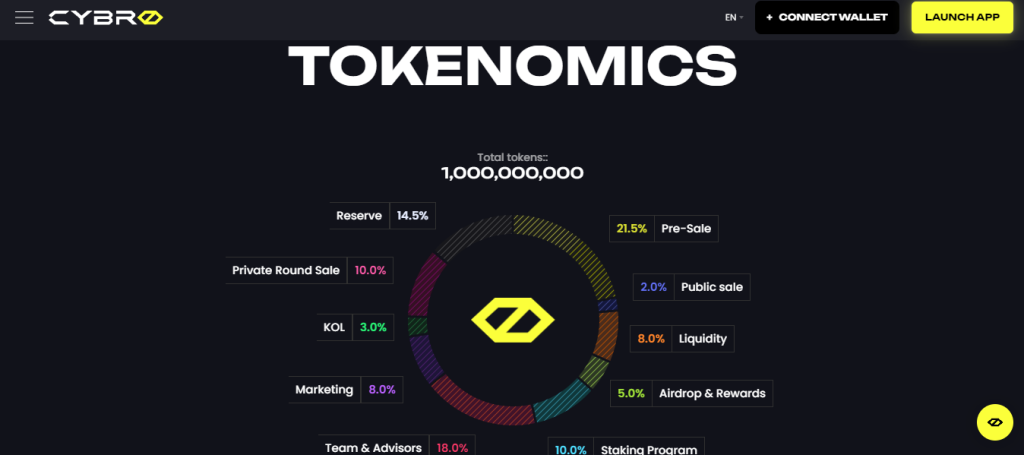
Also, the fact that they’ve set aside a big slice of tokens for liquidity also shows CYBRO’s in it for the long game.
Source: cybro.io
Security Audits and Compliance
As we’ve already mentioned, CYBRO has been audited by several organizations, and here’s what their reports reveal.
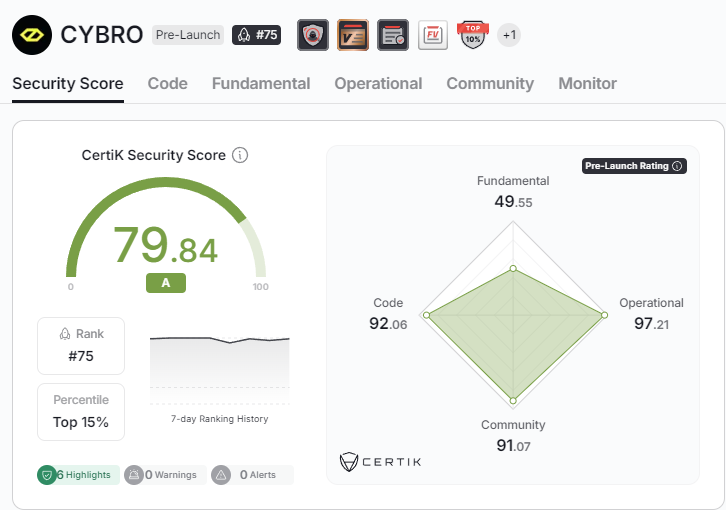
According to CERTIK, CYBRO has a respectable security score of 79, which is considered high. Notably, there have been no alerts or warnings issued for CYBRO in the past few weeks. CERTIK also acknowledges and rates the CYBRO community highly, assigning it a score of 91.
Source: CERTIK
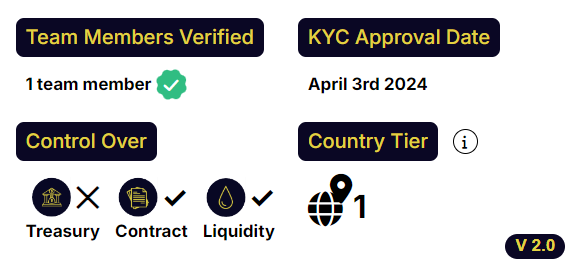
CYBRO’s team anonymity has been a point of contention for some as mentioned, but it’s worth noting that Assure DeFi has verified a team lead. This verification provides some assurance that there is a trustworthy individual overseeing the platform, addressing concerns about the project’s legitimacy.
Source: AssureDeFi
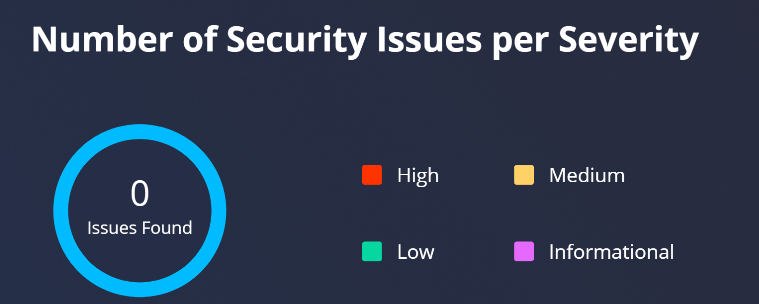
Both Pessimistic and QuillAudits have published reports that indicate CYBRO has successfully passed all security tests, demonstrating a clean record of zero security issues.

Source: Github
Source: Github
Regularly publishing governance reports reinforces CYBRO’s focus on transparency and it is another good sign they’re not trying to pull a fast one.
Lastly, by offering a $25,000 reward for finding bugs, CYBRO demonstrates its commitment to ensuring the platform remains safe and secure.
Media Reviews of CYBRO
What’s the media’s take on CYBRO? The project has been discussed in various reliable publications, and these outlets haven’t flagged it as a potential scam. The fact that CYBRO is appearing in trustworthy sources suggests that its credibility and reputation are on the rise.
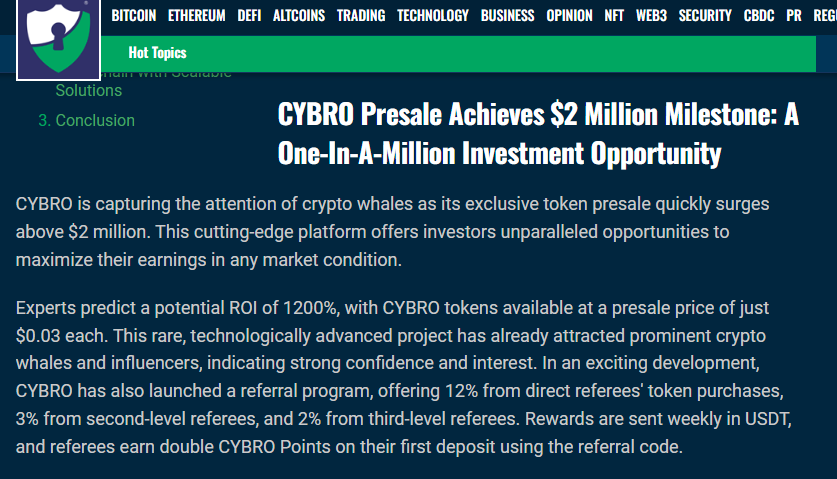
Crypto Daily, one of the top crypto platforms, recently turned its attention to CYBRO – not due to paid promotion, but simply because the $CYBRO token presale smashed past $2 million. With everything happening around CYBRO, it was only a matter of time before major outlets like Crypto Daily took notice.
Source: Crypto Daily
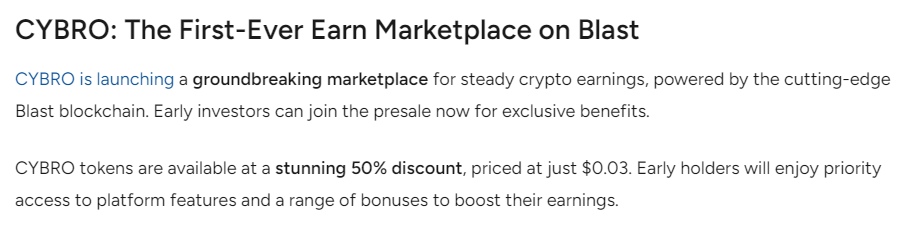
Coinpedia, a trusted source in the crypto world, dropped an article where Arthur Hayes predicts Bitcoin soaring to $100K by year’s end and calls for an “epic” bull run in 2025. CYBRO made the list of altcoins to watch.
Source: Coinpedia
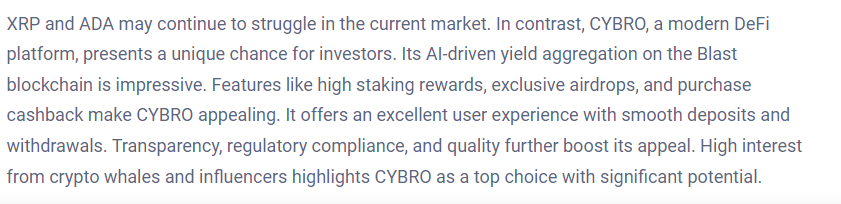
Earlier, we at Bitcoinist published this article comparing XRP, ADA, and CYBRO, and while XRP and ADA may still be struggling in today’s market, CYBRO seems like a promising newcomer. If it was just another scam, it wouldn’t even be on our radar.
Summary
So, is CYBRO a scam? It doesn’t seem like that to us. CYBRO is building a legit DeFi platform on the Blast blockchain, with solid audits, a strong community, and media coverage from reputable outlets like Crypto Daily and Coinpedia. With all the transparency, security audits, and growing attention from major platforms, it’s clear CYBRO is here for the long haul and it’s definitely legit.

Related Posts