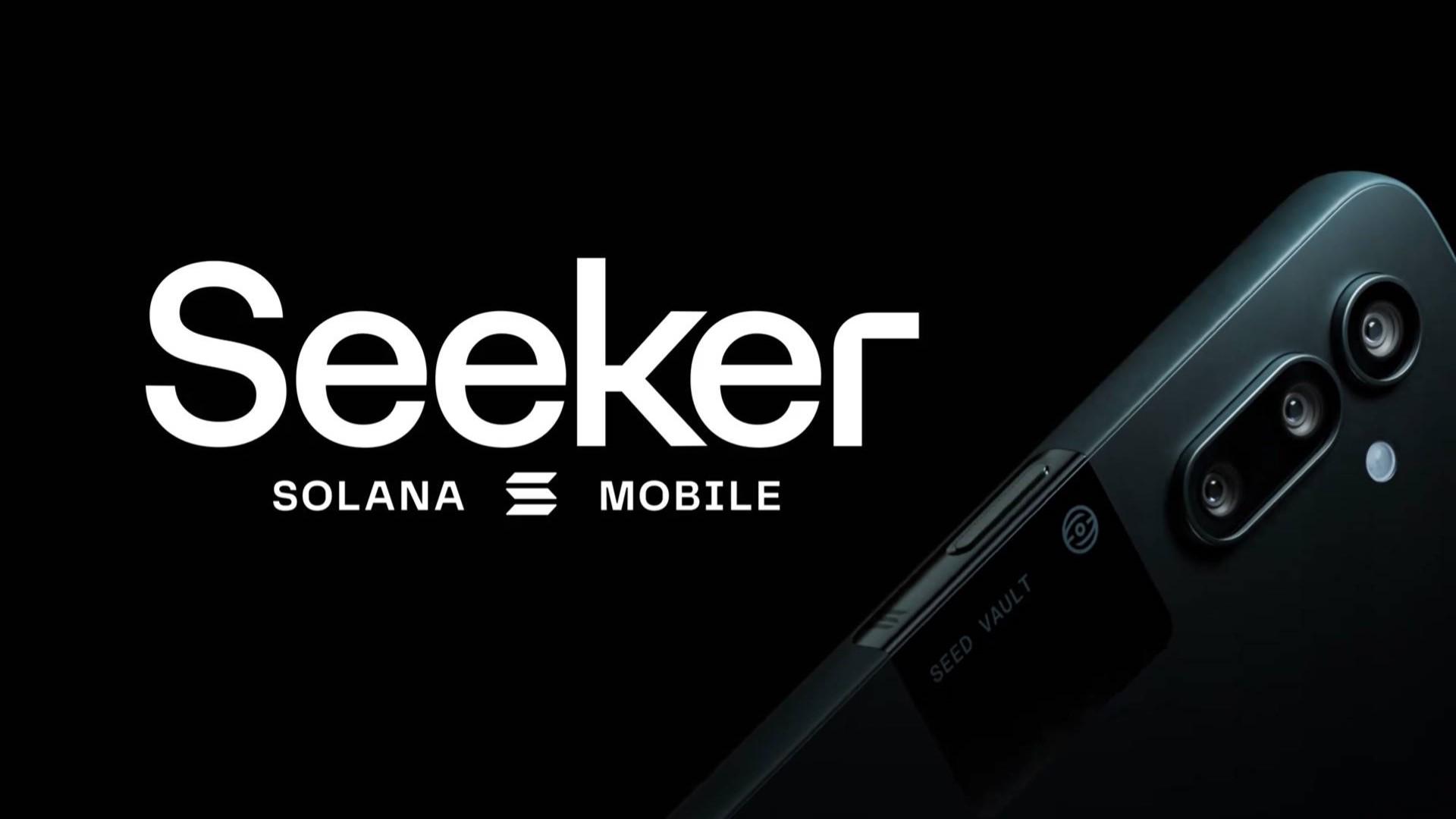
Solana Mobile 再推 Web3 手机 Seeker:预售已超 14 万部,计划 2025 年中发售

深潮Опубликовано 2024-09-19Обновлено 2024-09-19

Seeker配备了移动优先的Seed Vault钱包,并整合了新版Solana dApp商店。

作者:Weilin,PANews

9月19日,Solana Labs旗下的Solana Mobile在新加坡的TOKEN2049大会上发布了其第二款加密手机“Seeker”。Seeker此前被称为"chapter 2" ,自今年1月推出以来受到广泛关注,而官方公布Seeker的预售也已超过14万部。

与以往不同的是,Seeker配备了移动优先的Seed Vault钱包,并整合了新版Solana dApp商店。本文,PANews将带领用户一起速览这款期待已久的Web3手机。

整合新版dApp商店,预计明年年中发售

据官方介绍,Seeker这个名字的灵感来自于用户试图“寻找新机会”的想法,无论是奖励、体验还是联系。

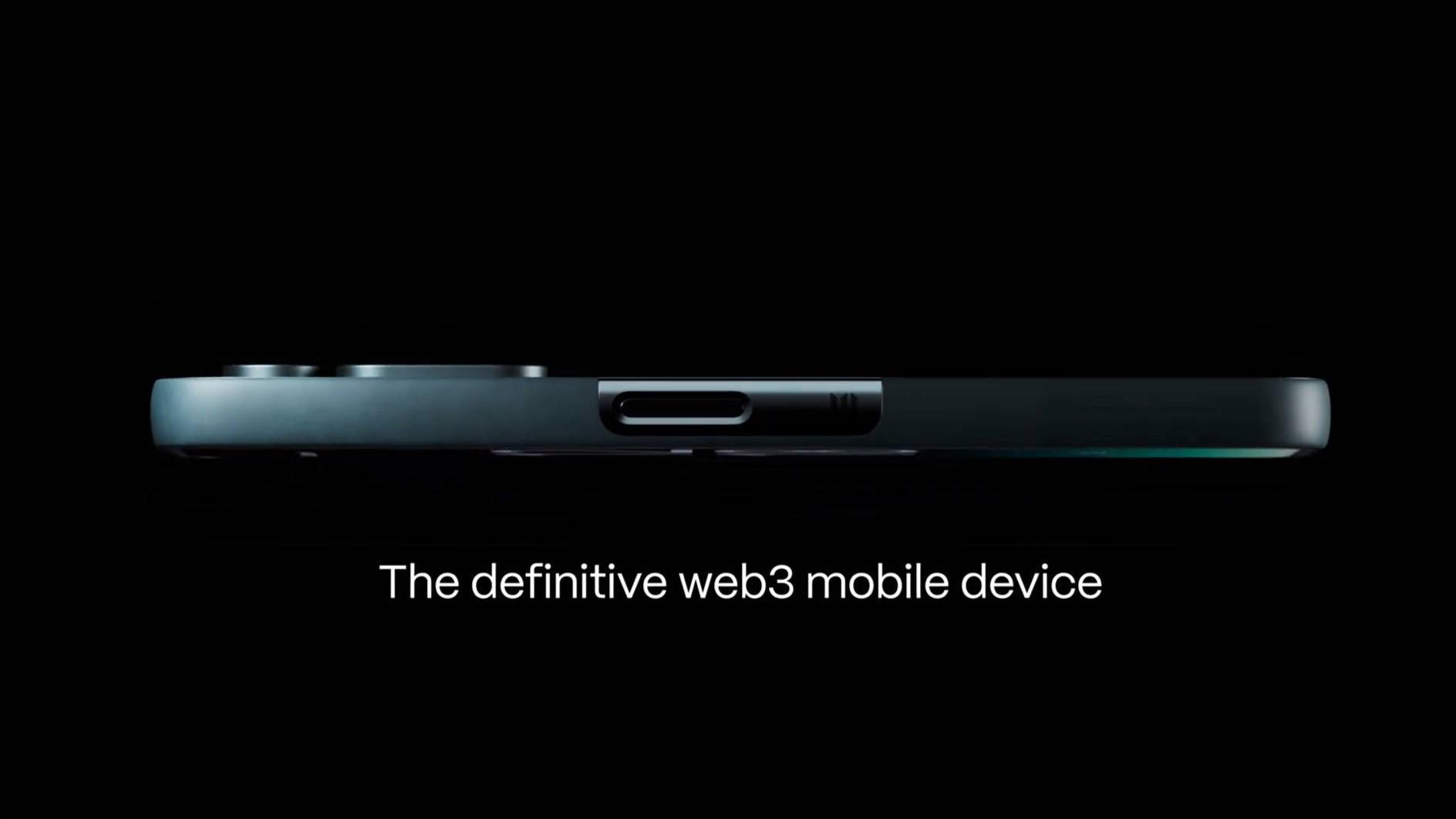
根据官方的描述,相比于Solana Mobile的第一款加密手机Saga,Seeker的硬件将有重大改进,电池性能更优、相机性能更佳,设计也比Saga更轻巧。Seeker售价为450美元,该售价将保留到直至9月21日Breakpoint结束,Seeker预计将在2025年中发货。

到目前为止,Solana Seeker公布的主要功能包括Seed Vault钱包,这是一个以移动端为主的加密钱包,与设备内置的自托管Seed Vault原生集成,具有快速交易和简捷的账户管理功能。该钱包由Solflare专为Seeker创建。

同时,Saga和Seeker都基于Android系统,Seeker手机还集成了Solana dApp Store 2.0,具有全新奖励跟踪器和提升的应用发现功能,涵盖支付、DeFi、DePIN、NFT、人工智能和游戏领域的应用。

和Saga类似,Seeker的购买者可以获得Seeker Genesis Token——一个独特的绑定NFT,能够在整个Solana生态系统中解锁奖励、独家访问权、优惠和内容。

不仅如此,和Saga相比,Seeker的硬件在其前代产品的基础上有显著改进,包括更轻的重量、更明亮的显示屏、增强的相机功能和更长的电池续航。

另外,Seeker在价格上也进行了大幅下调。此前,Saga手机发布时定价为1000美元,后来降至599美元,Seeker则将预售价格定为450 美元,不到Saga价格的一半。

Solana Mobile总经理 Emmett Hollyer对此表示,不应该根据Seeke价格降低来判断它,Solana Mobile对其定价非常有野心,希望它能够实现增长,并表示,“我们没有认为这是一种降价。”
初代Saga成功“逆袭”,Solana Labs重拾信心

作为 Solana Saga 的继任产品,Seeker体现了Solana再次押注手机产品线的决心。Solana的手机产品线曾一度面临失败的危机。前代产品 Saga 去年因销售不佳陷入困境,但后来加密用户发现购买该设备可以获得价值高于设备本身的代币空投,才让 Saga“起死回生”。

去年4月,多个迷因币项目为Solana Chapter 2手机发放代币空投,用户只需要填写预购时填写的Solana钱包地址。其中两个以猫为主题的迷因币颇为突出,分别为4月1日空投的37,600枚 Cat in a Dogs World (MEW) 以及 4月24日空投的 5,199 枚Maneki (MANEKI) 代币。若买家未出售这些迷因币的话,这两次空投的价值在4月前后的最高点一度达到 504 美元,而手机的价格仅450美元,用户可以轻易回本。

8个月后,Saga在12月14日至12月15日这两天销量突然增长超过10倍,主要是受Solana生态小狗主题代币BONK空投的大力推动。Saga手机的买家只要透过手机铸造Genesis token,并借此代币领取3,000万枚BONK 的代币空投,这些BONK空投最初的美元价值约为10美元,后来代币价值一度接近700美元。多个MEME代币的空投价值已远超Saga手机本身售价,这也带动了该手机销售一度供不应求。而Saga的成功逆袭使Solana Labs重拾信心,推动他们继续将加密技术更深入地融入移动设备,开发专属的硬件和软件。

有了前作的成功案例,新款手机Seeker发布的期待值非常高,Solana在2024年初就已经收到超过10万部的预订。Solana Mobile官方在TOKEN 2049上表示,基于这些资金注入和买家的信任承诺,Solana Mobile成功获得了比第一代产品更有利的供应链协议。

相比此前Saga在全球生产的20,000台设备,现在Seeker的预购量已经是Saga产量的7倍,更何况新手机完整的硬件规格尚未公布。但Seeker能否再现Saga的“传奇”?让我们一起期待它的表现。
Похожее

A History of Technological Evolution Powered by Electricity: Aluminum, Bitcoin, and AI

The journey from the Rockdale aluminum smelter in Texas to space-based data centers illustrates a core economic principle: whoever controls the cheapest electricity dictates the use of computing power. The evolution is clear. Old industrial sites with pre-existing, high-capacity power grids are being repurposed. In Rockdale, a former Alcoa plant now houses vast Bitcoin mining rigs, which are increasingly being replaced by AMD chips for AI training. The logic is purely financial: while smelting aluminum yields $0.17–0.27 per kWh and Bitcoin mining $0.05–0.11, AI inference on H100 GPUs generates $1.27–3.67 per kWh. Recent deals confirm the rush for power infrastructure. Riot Platforms leases space to AMD; TeraWulf bought an old Kentucky aluminum plant for its grid; NYDIG secured a New York site for its cheap hydropower to mine Bitcoin. As AI giants like Anthropic, Microsoft, Google, and Amazon aggressively expand, they now directly compete with crypto miners for the same industrial power resources, often outbidding them. This has led to a decline in Bitcoin's global hash rate and a wave of miner conversions to AI data centers. This "digital resource curse" extends globally. Gulf nations, long offering subsidized power to attract heavy industry like aluminum, are now pivoting to become AI and cloud computing hubs—exporting computational power instead of physical commodities. Similarly, Bhutan halted its sovereign Bitcoin mining to sell hydropower directly to India for a steadier return. The frontier is space. Projects like Starcloud plan orbital solar-powered data centers, leveraging constant sunlight and natural cooling, with Bitcoin mining as a secondary use for surplus power. Even consumer brands are transforming; Allbirds shifted from footwear to AI infrastructure, causing its stock to surge. Meanwhile, crypto projects like Bittensor, Render, and Akash propose a decentralized alternative, creating markets to aggregate distributed, idle computing resources from individual hardware. The underlying infrastructure—the power grid—remains constant. As profit margins shift, the facilities built upon it will continue to evolve, from aluminum to Bitcoin to AI and beyond, always chasing the highest yield per kilowatt-hour, whether in Texas, Abu Dhabi, or low Earth orbit.

marsbit6 мин. назад

A History of Technological Evolution Powered by Electricity: Aluminum, Bitcoin, and AI

marsbit6 мин. назад

Conquering is easy, governing is hard: Polymarket must bow to regulations to plant its flag globally

Polymarket, a decentralized prediction market platform, faces significant regulatory hurdles in its global expansion. Its "permissionless" model, which bypasses traditional identity and financial controls, has led to widespread crackdowns. India recently blocked the site, categorizing it as illegal online gambling under new 2025 laws. Brazil also banned it and similar platforms, though it simultaneously authorized a regulated, investor-only version on its national exchange. Across Europe, countries like France, Portugal, and the Netherlands are enforcing bans based on existing gambling and financial regulations. To enter key markets, Polymarket is adopting a pragmatic, compliant approach. In the U.S., it paid a $1.12 million fine, acquired a CFTC-licensed exchange, and now operates a regulated, KYC-mandatory platform for American users. It also secured a major investment from Intercontinental Exchange (ICE), which will distribute its prediction data to institutional investors. In Japan, where gambling laws are strict, Polymarket has begun a long-term lobbying effort, aiming for legalization by 2030 through building institutional partnerships and community presence. Despite these challenges, the prediction market industry is booming, with global volume projected to surge from $51 billion to potentially $1 trillion by 2030. Polymarket's core dilemma remains: adapting its decentralized, anonymous model to fit within sovereign regulatory frameworks focused on licensing, consumer protection, and anti-money laundering rules. Its survival in each market depends on navigating this complex political and legal landscape.

marsbit9 мин. назад

Conquering is easy, governing is hard: Polymarket must bow to regulations to plant its flag globally

marsbit9 мин. назад

It's Easier to Conquer than to Govern: Polymarket Must Bend to Every Rule to Plant Its Flag Globally

Polymarket, a decentralized prediction market platform, is facing significant regulatory hurdles as it expands globally, illustrating the tension between permissionless, crypto-native platforms and national legal frameworks. The platform, which allows users to bet on event outcomes, was recently blocked in India under new online gambling laws and faces similar outright bans in Brazil and Ukraine, the latter citing moral objections to wagering on active war events. In Europe, countries like France, the Netherlands, and the UK are restricting access by enforcing existing gambling and financial derivatives regulations, forcing Polymarket to geo-block users or operate in view-only modes. To navigate this complex landscape, Polymarket is adopting a market-by-market, compliant strategy. In the U.S., it paid a $1.4 million CFTC fine, acquired a licensed exchange (QCEX) for $112 million, and now operates a regulated U.S. entity with strict KYC, abandoning anonymity. It also secured a major investment from Intercontinental Exchange (ICE), which will distribute its prediction data to institutional investors. In Japan, a high-potential market, it has begun a long-term lobbying effort aiming for legalization by 2030, acknowledging the country's strict anti-gambling laws and slow regulatory processes. The article concludes that while the global prediction market is growing rapidly—projected to reach $2.4 trillion by 2030—Polymarket's core challenge is transforming its decentralized model to fit sovereign regulatory systems built on licensing, consumer protection, and anti-money laundering rules. Its survival depends on proving its legitimacy in each jurisdiction.

链捕手14 мин. назад

It's Easier to Conquer than to Govern: Polymarket Must Bend to Every Rule to Plant Its Flag Globally

链捕手14 мин. назад

Торговля

Спот
Фьючерсы

Популярные статьи

Обсуждения

Добро пожаловать в Сообщество HTX. Здесь вы сможете быть в курсе последних новостей о развитии платформы и получить доступ к профессиональной аналитической информации о рынке. Мнения пользователей о цене на SOL (SOL) представлены ниже.

活动图片