Trump Presses Congress To Pass Crypto Market Structure Bill ‘ASAP’

bitcoinistPublished on 2026-03-04Last updated on 2026-03-04

Abstract

President Donald Trump has publicly urged Congress to pass the CLARITY Act, a comprehensive crypto market structure bill, "ASAP." In a Truth Social post, he accused the banking industry of undermining both the pending legislation and the previously signed GENIUS Act, which deals with stablecoins. Trump warned that failure to pass the bill could cede U.S. leadership in crypto to other countries like China and argued that Americans should benefit from the financial opportunities digital assets provide. He called for cooperation between banks and the crypto industry. Legislative progress on the bill has stalled due to disputes between these groups, with a key Senate committee now targeting a markup session for late March.

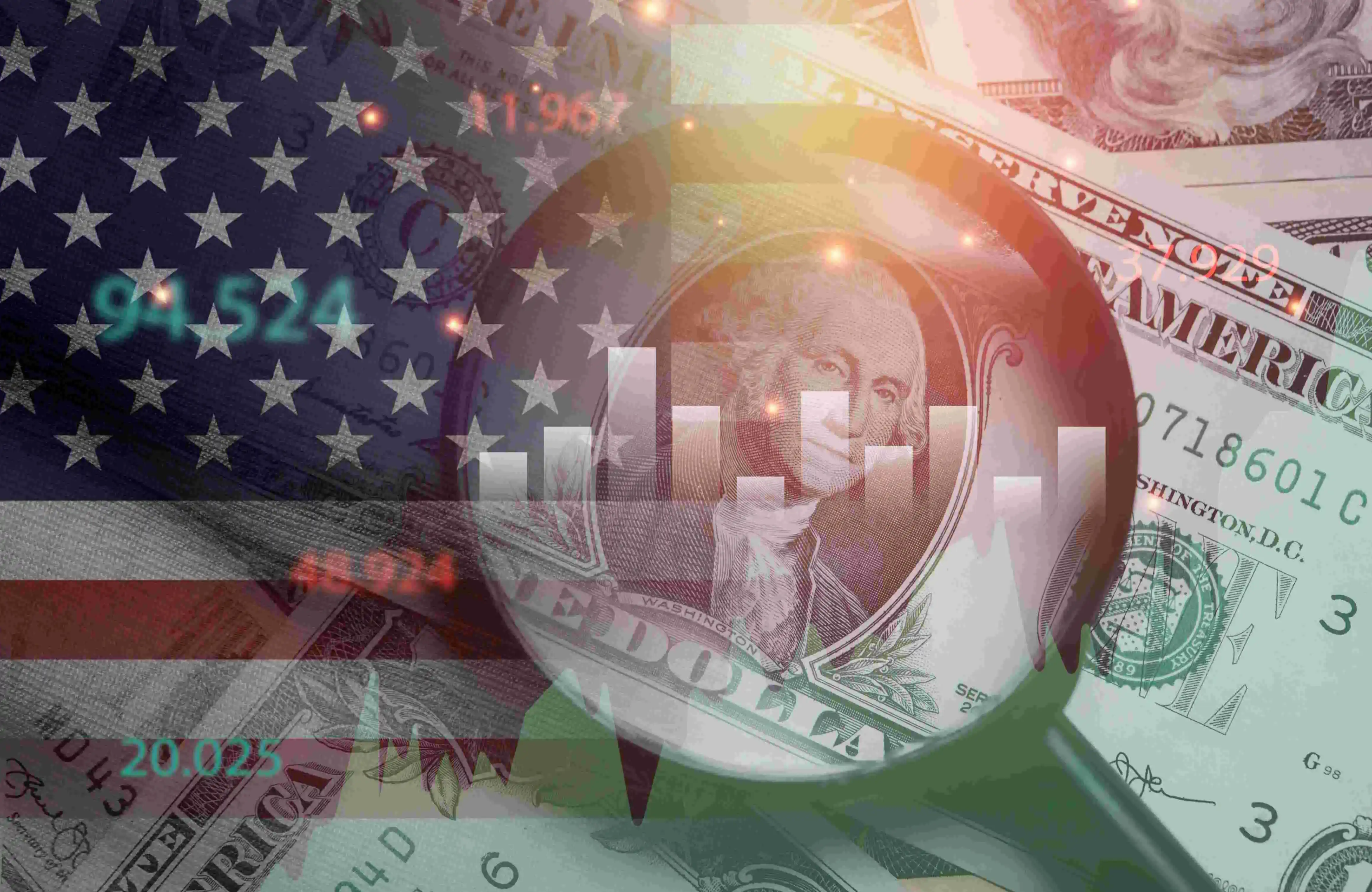
President Donald Trump has publicly addressed the legislative impasse surrounding the CLARITY Act, the long-debated crypto market structure bill that has yet to reach his desk for final approval.

The delay, according to ongoing discussions in Washington, stems largely from disagreements between the banking industry and crypto representatives, particularly over provisions tied to stablecoin rewards.

Trump Says Banks Threaten Stablecoin Law

In a post shared Tuesday on Truth Social, Trump sharply criticized the banking sector, accusing it of attempting to weaken both the broader crypto framework and a separate stablecoin measure he signed into law last year — the GENIUS Act.

“The Genius Act is being threatened and undermined by the Banks, and that is unacceptable — We are not going to allow it,” Trump wrote. He argued that passing comprehensive market structure legislation is urgent, adding, “The U.S. needs to get Market Structure done, ASAP. Americans should earn more money on their money.”

The President also claimed that financial institutions, despite reporting record profits, are working against policies designed to expand opportunities within the digital asset sector.

Trump warned that failing to finalize the CLARITY Act could weaken America’s position in the global crypto race. “We are not going to allow them to undermine our powerful Crypto Agenda that will end up going to China, and other Countries if we don’t get The Clarity Act taken care of,” Trump stated.

Calls For Banking-Crypto Cooperation

Trump further urged the banking sector to reach constructive agreements with the crypto industry, arguing that collaboration would serve the best interests of American consumers and businesses alike.

“This Industry cannot be taken from the People of America when it is so close to becoming truly successful,” he wrote, closing his message with a call for attention to the issue.

Legislatively, progress on the CLARITY Act has been uneven. The Senate Agriculture Committee advanced its portion of the bill in January of this year. However, broader movement has stalled.

The Senate Banking Committee had initially scheduled a markup in January, but that session was canceled amid the same disputes between banking representatives and crypto advocates that continue to complicate negotiations. The committee is now reportedly targeting a new markup date in mid-to-late March.

The daily chart shows the total digital asset market cap at $2.3 trillion as of this writing. Source: TOTAL on TradingView.com

Featured image from OpenArt, chart from TradingView.com

Related Questions

QWhat is the name of the crypto market structure bill that President Trump is urging Congress to pass?

AThe CLARITY Act.

QAccording to Trump, which industry is threatening and undermining the GENIUS Act?

AThe banking industry.

QWhat is one of the main reasons for the legislative delay of the CLARITY Act as mentioned in the article?

ADisagreements between the banking industry and crypto representatives, particularly over provisions tied to stablecoin rewards.

QWhat did Trump warn could happen to America's position in the global crypto race if the CLARITY Act is not finalized?

AIt could weaken America's position, and the crypto agenda could go to China and other countries.

QWhich Senate committee had initially scheduled a markup for the bill in January but canceled it?

AThe Senate Banking Committee.

Related Reads

You Bet on the News, the Pros Read the Rules: The True Cognitive Gap in Losing Money on Polymarket

The article explains that the key to profiting on Polymarket, a prediction market platform, lies not just predicting real-world events correctly, but in meticulously understanding the specific rules that govern how each market will be resolved. It illustrates this with examples, such as a market on Venezuela's 2026 leader, where the official rules defining "officially holds" the office overruled the intuitive answer of who was in practical control. Other examples include debates over the definition of a "token" or what constitutes an "agreement." The core argument is that a "reality vs. rules" gap creates pricing discrepancies that savvy traders ("车头" or "whales") exploit. The platform has a formal dispute resolution process managed by UMA token holders to settle ambiguous outcomes. This process involves proposal submission, a challenge window, a discussion period, and a final vote. However, the article highlights a critical flaw in this system compared to a traditional court: the lack of separation between the arbiters (UMA voters) and the interested parties (traders with financial stakes in the outcome). This conflict of interest undermines the discussion phase, leads to herd mentality, and results in opaque final decisions without explanatory rulings. Consequently, the system lacks a body of precedent, making it difficult for users to learn from past disputes. The ultimate takeaway is that success on Polymarket requires a lawyer-like scrutiny of the rules to identify and capitalize on the cognitive gap between how events appear and how they are contractually defined for settlement.

marsbit19m ago

You Bet on the News, the Pros Read the Rules: The True Cognitive Gap in Losing Money on Polymarket

marsbit19m ago

Will the Fed Still Cut Interest Rates? Tonight's Data Is Crucial

The core debate surrounding the Federal Reserve's potential interest rate cuts is intensifying amid geopolitical conflict and rebounding inflation. The key question is whether high energy prices will cause persistent inflation or weaken consumer demand enough to force the Fed to cut rates. Citigroup presents a bullish case for cuts, arguing that oil supply disruptions from the Strait of Hormuz are temporary and will not lead to lasting inflationary pressure. They point to receding bond yields and oil prices as evidence the market is pricing in a short-lived shock. Citi's data also shows tightening financial conditions, a stabilizing labor market, and healthy tax returns, supporting their view that the path to lower rates remains open. Conversely, Deutsche Bank offers a starkly contrasting, more hawkish outlook. They argue the Fed's current policy is already neutral and expect rates to remain unchanged indefinitely. Their view is based on stalled disinflation progress and a shift toward more hawkish rhetoric from key Fed officials like Waller, who cited risks from prolonged Middle East conflict and tariffs. Other officials, including Williams and Hammack, signaled rates would likely stay on hold for a "considerable time." The market pricing has shifted dramatically, now forecasting zero cuts in 2026. The imminent release of the March retail sales "control group" data is highlighted as a critical test. This metric, which excludes gas station sales, will reveal if high gasoline prices are eroding consumer spending in other areas. A weak reading could support the case for imminent rate cuts, while a strong one would bolster the argument for the Fed to hold steady. This data is pivotal for determining the near-term policy path.

marsbit40m ago

Will the Fed Still Cut Interest Rates? Tonight's Data Is Crucial

marsbit40m ago

Trading

Spot
Futures
活动图片