# Retail Investors Related Articles

HTX News Center provides the latest articles and in-depth analysis on "Retail Investors", covering market trends, project updates, tech developments, and regulatory policies in the crypto industry.

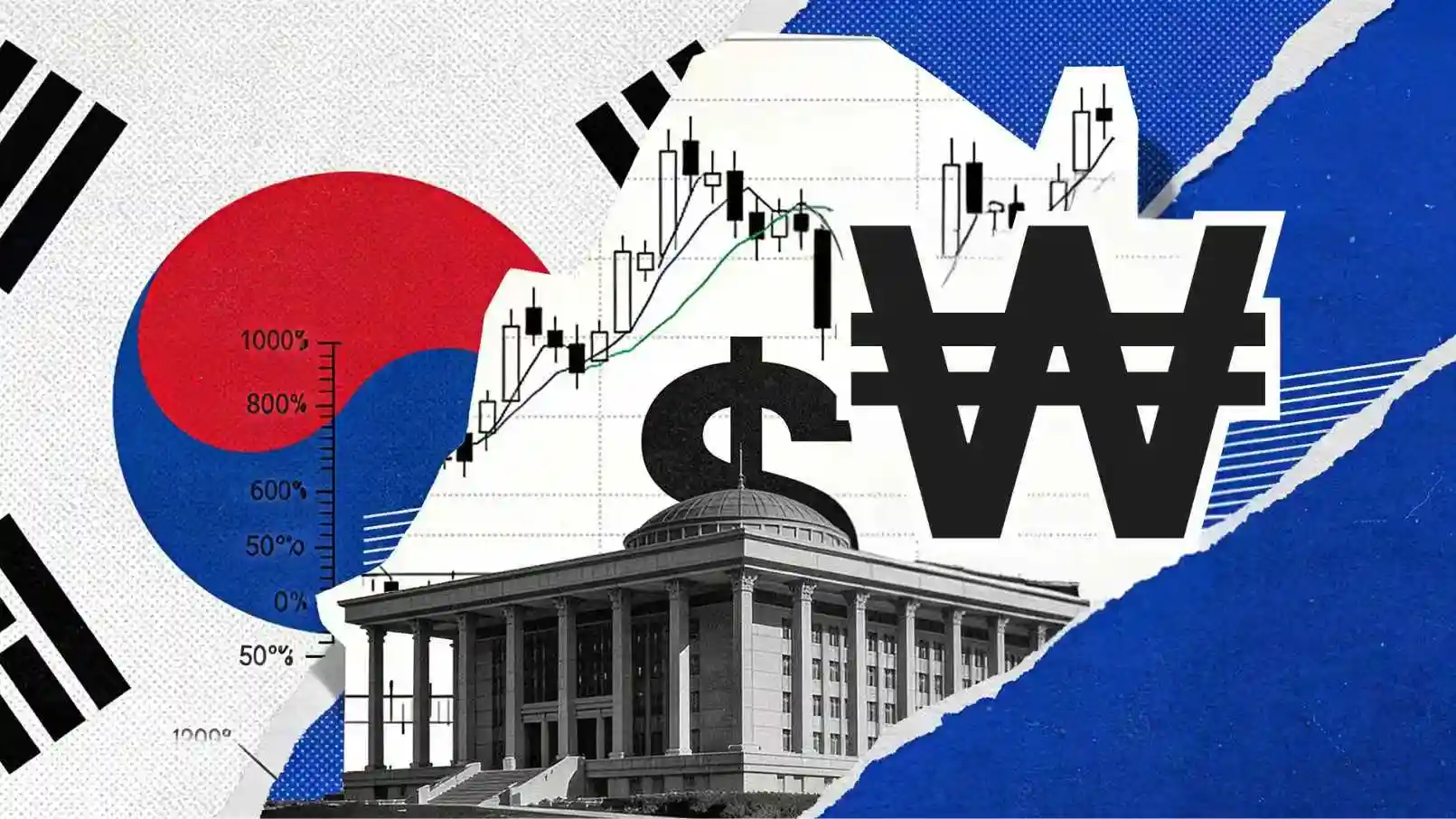
Young South Koreans, Making a 'Last-Ditch Effort' in an Epic Bull Market

This article explores how an unprecedented stock market boom in South Korea during the first half of 2026, driven by the semiconductor industry, is transforming the lives of ordinary people, particularly the youth. The KOSPI index doubled in six months, fueled by giants Samsung and SK Hynix, leading to a frenzy of retail investing. With over 105 million stock accounts in a population of just over 50 million, a sense of "FOMO" (fear of missing out) is pervasive. Through the perspective of Li Yuning, a Chinese woman living in Seoul, the piece follows several young Koreans who see the market as a last chance to escape stifling economic pressures, high housing costs, and narrow social mobility. Individuals like Minji, a low-paid office worker, and Junho, saving for marriage, invest their limited savings, while experienced traders like Suhu navigate exclusive social circles. The narrative reveals that this speculative fever stems less from greed and more from deep-seated anxiety about being left behind in a society with growing wealth inequality and rigid class structures. However, the boom also exposes stark social divides. It exacerbates wealth gaps, as those with family support or existing capital fare better. The pressure to succeed is immense, with stories of devastating losses leading to personal tragedy. Ultimately, the article suggests the牛市 acts as a pressure valve and a temporary illusion of opportunity in a system where traditional paths to advancement seem increasingly closed, leaving young people to gamble on the market as a final, desperate bid for a better future.

链捕手06/11 06:33

Young South Koreans, Making a 'Last-Ditch Effort' in an Epic Bull Market

链捕手06/11 06:33

Elderly Borrow Money to Trade Stocks, Entire Nation Adds Leverage: 'Ant Army' Panics as South Korean Stock Market Plunges

Titled "Panic Among 'Ant Army' as South Korean Stocks Plunge After Elders Borrow to Invest, Everyone Leverages Up," this article details a dramatic reversal in South Korea's red-hot stock market. After a sustained rally toward 9,000 points driven by AI semiconductor hype, the KOSPI index recently crashed, triggering circuit breakers. The sell-off was led by major chipmakers Samsung Electronics and SK Hynix, whose combined weight in the index is over 50%. The plunge exposed the extreme leverage and speculative behavior that fueled the boom. Individual investors, dubbed the "ant army," had borrowed heavily or used leverage ETFs to chase gains, with trading accounts outnumbering the population. A significant portion of this leveraged money came from older citizens, some of whom reportedly cashed out insurance policies to invest. ETF trading became dominated (over 90%) by high-risk leveraged and inverse products. The correction was triggered by a pullback in U.S. tech stocks, leading to a foreign capital exodus and a weakening Korean won, creating a vicious cycle. While President Lee Jae-myung attempted to reassure markets and NVIDIA's CEO signaled support during a visit, officials like Finance Minister Ju Yeong-geun expressed concern over the dangerous "herd mentality." The article highlights a pervasive, high-risk investment culture where everyone from office workers to retirees and even parents opening accounts for newborns sought quick profits, largely concentrated in a few tech stocks, setting the stage for a sharp and painful correction.

marsbit06/08 10:24

Elderly Borrow Money to Trade Stocks, Entire Nation Adds Leverage: 'Ant Army' Panics as South Korean Stock Market Plunges

marsbit06/08 10:24

Tech Stocks Plunge and Bitcoin Slumps, Retail Investors Face Ultimate Test Ahead of SpaceX IPO

Technology stocks suffered their biggest drop in months, and Bitcoin fell below the $60,000 mark, coinciding with the eve of SpaceX's massive IPO plans. The sell-off was triggered by strong U.S. jobs data, dashing hopes for Fed rate cuts and reviving fears of further hikes. High-valuation sectors like AI and semiconductors led the declines, with the Nasdaq plunging over 4%. Cryptocurrencies, sensitive to higher interest rates and a strong dollar, also tumbled sharply. This market stress test raises critical questions about the limits of retail investor capital and its next destination. SpaceX's upcoming IPO, which plans to allocate an unusually high 30% of shares to retail investors, now faces a more uncertain landscape. Analysts warn that to buy SpaceX,散户 may need to sell existing holdings, with Tesla seen as a potential source of funds. The market is saturated with speculative options—from crypto and meme stocks to zero-day options and AI-themed ETFs—all competing for the same pool of retail attention and capital. While SpaceX's listing could inject fresh excitement, it also enters a fiercely competitive environment where investor loyalty is fleeting. The ease of zero-commission trading and lower barriers to margin trading accelerate capital rotation between narratives, making it difficult for any single story, even a historic IPO like SpaceX's, to dominate for long.

华尔街日报06/05 23:36

Tech Stocks Plunge and Bitcoin Slumps, Retail Investors Face Ultimate Test Ahead of SpaceX IPO

华尔街日报06/05 23:36

Earning 1000 Trillion in Half a Year, 'Pocketing' 20 Million per Capita: This Round of Wealth Creation in the Korean Stock Market is Unprecedented in Scale

The South Korean stock market is experiencing an unprecedented wealth surge in 2026, with household equity and fund asset values soaring by over 1,000 trillion KRW (~$730bn) year-to-date. This translates to an average per capita wealth increase of roughly 20 million KRW, fueled by a historic 109% rally in the KOSPI index. The boom is driven by three converging forces: an AI-driven semiconductor supercycle boosting giants like Samsung and SK Hynix; the government's "Value-Up" market reforms addressing long-standing corporate governance issues; and aggressive real estate regulations that have locked capital within financial markets, preventing profits from flowing back into property. This has triggered a wealth effect, boosting high-end consumption significantly. However, the gains are highly concentrated. The two semiconductor behemoths account for over half the index's value, but retail investors own relatively low stakes in them, systematically missing the biggest rallies. Wealth and consumption benefits are skewed towards luxury goods and imported cars, bypassing mainstream retail. Further risks stem from excessive leverage, with high trading volume in leveraged ETFs, and a market sentiment heavily reliant on the AI sector's fortunes and speculative rumors. While this cycle marks a potential shift from real estate to equities as a primary wealth generator for Koreans, its sustainability, amid structural imbalances and leverage, remains a critical test.

marsbit06/05 06:53

Earning 1000 Trillion in Half a Year, 'Pocketing' 20 Million per Capita: This Round of Wealth Creation in the Korean Stock Market is Unprecedented in Scale

marsbit06/05 06:53

Wall Street Takes Over Bitcoin and Stablecoins, But Where Are the Real Profit Opportunities for Retail Investors?

Wall Street is taking over Bitcoin and stablecoins, but where can retail investors really make money now? The common narrative is that Wall Street's dominance via ETFs and regulated stablecoins has structurally ended the era of easy 100x returns from altcoins. While this is true for Bitcoin and stablecoins, which are becoming traditional financial products, it's only half the story. Other crypto sectors are failing for their own reasons. GameFi is largely dead, with 93% of projects failed. NFTs are at multi-year lows with most collections losing all value. Memecoins persist but overwhelmingly benefit insiders and whales at the expense of late retail buyers. These sectors aren't being consumed by TradFi; they've exhausted their growth narratives. The real opportunities for retail in the next 6-12 months lie elsewhere: 1. **Prediction Markets:** Platforms like Polymarket have seen explosive growth (21x in a year) with a genuine, active retail user base. The utility of forecasting events provides sustainable demand beyond mere speculation. 2. **DeFi Yield:** While the era of 1000% APY farms is over, sustainable yields of 4-8% are available through liquid staking, regulated stablecoin platforms, and RWA lending. 3. **Select Altcoins:** If Bitcoin breaks its all-time high, a selective altcoin season could emerge. The favorable bets would be on ETH, assets within the Base and Solana ecosystems with real users, and asymmetric opportunities in AI-crypto and DePIN presales. The most likely market scenario (45% probability) is sideways action, making asset selection far more critical than broad market momentum. The playbook has changed. Actionable steps: Focus time on prediction markets; use DeFi for reliable yield, not lottery tickets; only buy altcoins with genuine user bases; and avoid GameFi, random NFTs, and new memecoins. The "TradFi is eating crypto" story misses the growing sectors. The easy money era is over, leaving a niche, selective market that requires real understanding, but opportunities remain for those who adapt.

marsbit05/27 12:57

Wall Street Takes Over Bitcoin and Stablecoins, But Where Are the Real Profit Opportunities for Retail Investors?

marsbit05/27 12:57

The 'Stock Call King' Serenity: 3840% Annual Return, Beating Institutions to the Punch

This article profiles the mysterious stock trader and analyst known as Serenity, who has gained significant influence on social media platform X as a "stock call king." Serenity claims extraordinary annual returns of 3840% for the current year and 2256% over the past two years, primarily by focusing on overlooked companies within the AI and semiconductor supply chains. Operating anonymously, Serenity describes himself as a former Reddit WallStreetBets trader, an AI/semiconductor supply chain analyst, and a former AI research scientist. His core investment strategy, termed the "Chokepoint" theory, involves identifying small, critical bottleneck companies in the AI infrastructure ecosystem—such as those in photonics, substrates, and materials—that are essential yet undervalued. He argues these "invisible champions" become crucial as demand for AI hardware surges, creating significant investment opportunities before large institutions take notice. A frequently cited example is stock AXTI, which he has recommended for over two years and claims has yielded over 10,000% returns. The article notes that while Serenity's free, public posts on X have garnered a large following, his identity and exact portfolio size remain unverified, leading to some skepticism. Critics question if his reported returns are fabricated or if he might be manipulating prices of low-market-cap stocks. Serenity counters that he shares research freely to democratize information, allowing retail investors to benefit before institutional buy-ins, and that percentage returns are more meaningful than disclosing specific dollar amounts. Ultimately, the article presents Serenity as a polarizing figure—either a visionary analyst with a superior research framework or a potentially sophisticated market player. It concludes that the truth of his claims and legacy will only be determined by time.

Odaily星球日报05/26 03:00

The 'Stock Call King' Serenity: 3840% Annual Return, Beating Institutions to the Punch

Odaily星球日报05/26 03:00

AI Giants Queueing Up for IPOs: Is This the 'Last Dance' for the U.S. Stock Market?

A massive wave of IPOs from AI giants like OpenAI, Anthropic, and SpaceX is taking shape, potentially reshaping the U.S. stock market. OpenAI is reportedly preparing for a historic IPO, targeting a valuation over $1 trillion and raising roughly $60 billion, which would dwarf previous records. Anthropic is also advancing its own IPO plans, projecting significant revenue growth and achieving quarterly operating profit. However, their financial profiles starkly differ. While Anthropic is nearing profitability with a focus on enterprise clients, OpenAI continues to report substantial losses, with a negative operating margin and expectations for positive cash flow only by 2029-2030. Analysts warn these listings could trigger a major "passive fund reshuffle," forcing index funds to sell holdings in established tech giants to make room for the new entrants, potentially pressuring the broader market. Some observers view the IPO rush as a "risk transfer," allowing early private investors to cash out at peak valuations while passing future financial uncertainty to public market investors. The divergent paths of Anthropic's near-term profitability versus OpenAI's long-term, high-cost growth narrative present a critical choice for investors. The outcome of these IPOs is seen as a major swing factor for risk assets in 2026, testing whether this surge marks a new cycle or a potential peak.

marsbit05/25 06:27

AI Giants Queueing Up for IPOs: Is This the 'Last Dance' for the U.S. Stock Market?

marsbit05/25 06:27

Short Positions Have Been Squeezed Out: Will the Next Leg of the U.S. Stock AI Rally Continue in Seoul?

"Short Squeeze Exhausted: Will the Next Leg of the AI Rally Continue in Seoul?" A Nomura report suggests the US AI stock rally, which saw the S&P 500 rise ~16.6% in 28 days largely driven by 10 key stocks, may be pausing. The fuel from short covering, CTA fund positioning, and volatility-control strategies is nearing its limit. For the rally to continue, new momentum from retail and sentiment-driven FOMO (Fear Of Missing Out) is needed. South Korea's market provided a potential answer on the very day the report was published. The KOSPI index surged 4.32%, triggering a buy-side circuit breaker, led by massive gains in chip giants SK Hynix (+11.98%) and Samsung. This surge is characterized by retail "hynix FOMO" and overseas funds precisely buying into AI themes via chip-focused ETFs, shifting from broad Korean market ETFs. The Korean rally is a high-beta extension of the US AI capital expenditure story, as major cloud providers plan massive infrastructure spending, directly benefiting memory chip leaders. However, this linkage also implies vulnerability. The sustainability of this next leg depends on whether US tech stocks correct, the trajectory of US inflation (with upcoming CPI data key), and geopolitical tensions around the Strait of Hormuz. Seoul has emerged as the new epicenter of the AI trade, but its fate remains tied to these broader macro and market dynamics.

marsbit05/12 07:24

Short Positions Have Been Squeezed Out: Will the Next Leg of the U.S. Stock AI Rally Continue in Seoul?

marsbit05/12 07:24

Smart Money Hoards $40 Billion in Cash, Retail Bets $2.6 Trillion on Calls: The Critical Moment of the US Stock Market's AI Narrative

Title: Smart Money Hoards $40 Billion in Cash, Retail Traders Bet $2.6 Trillion on Call Options: The Tipping Point for the AI Narrative in U.S. Stocks The U.S. stock market is experiencing a striking divergence. While the S&P 500 hits new highs, the financial sector is down 6% year-to-date, underperforming more than during the 2008 and COVID crises. In contrast, a record $2.6 trillion in S&P 500 call options traded in a single day, and the Philadelphia Semiconductor Index RSI is at its highest since 1999. This reflects a clear split: "smart money" is retreating while retail traders chase gains. Key data points highlight this critical juncture in the AI-driven rally: 1. SoftBank had to cut its $10 billion loan target against its OpenAI stake to $6 billion, as lenders questioned the valuation of the private AI giant, signaling primary market skepticism. 2. The explosive $2.6 trillion daily options volume, with 60% being calls, is described by a Goldman Sachs partner as a "semi-irrational chase," drawing parallels to the 1999 tech bubble. 3. The financial sector's severe underperformance relative to the S&P 500 is a classic technical warning signal, indicating potential underlying economic stress. 4. Apollo Global Management, despite strong earnings, is building a $40 billion cash buffer in its insurance business, preparing for what its CEO calls a 30-35% probability of an exogenous shock from geopolitics, inflation, and AI's economic disruption. 5. Consumer behavior mirrors this split: while Whirlpool plunged on a worsening macro outlook for big-ticket items, DoorDash rose on strong demand for small, immediate services. Together, these conflicting signals from primary markets, secondary markets, leading sectors, and top institutions suggest market risk premia have compressed to a precarious level. The current price action may be increasingly reliant on speculative sentiment rather than fundamental support, marking a potential tipping point for the AI investment narrative.

marsbit05/09 07:40

Smart Money Hoards $40 Billion in Cash, Retail Bets $2.6 Trillion on Calls: The Critical Moment of the US Stock Market's AI Narrative

marsbit05/09 07:40

In a Bull Market, Trade New Coins. Will the 'Hook' Concept Become the Sector That Opens the Bull Market?

In a recent surge of interest, the "Hook" concept on Uniswap v4 has captured significant attention from the retail crypto community, driven by projects like $upeg, $sato, and Slonks. Despite being introduced over a year ago, Hooks—customizable plugins for the Uniswap protocol—gained mainstream traction only recently. The article argues that earlier Uniswap efforts to promote Hooks focused too heavily on technical improvements and liquidity provider (LP) solutions, which failed to capture the imagination of everyday users. The breakthrough came with projects that introduced novel, engaging gameplay. $upeg combines trading with generative art, where each integer purchase creates a unique image, adding a layer of artistic creation and complexity to tokenomics. $sato leverages a bonding curve on Ethereum, appealing to the network's "diamond hands" culture with a decentralized, zero-intervention model that turns into a "belief game." Slonks uses an AI model to redraw CryptoPunks, creating a gamified ecosystem where users can burn or merge NFTs to earn $SLOP tokens based on how much the AI "deviated" from the original. These examples highlight Hooks' potential to transform Uniswap from a simple swap and LP platform into a vibrant ecosystem of innovative applications. While technically possible to build such projects independently, the synergy with Uniswap’s established user base and infrastructure provides mutual benefits. For "Hook" to become a true catalyst for a bull market, the author suggests that projects need compelling, original narratives, and Uniswap must further commit to positioning itself as Ethereum's premier application marketplace for creative on-chain experiences.

marsbit05/09 01:09

In a Bull Market, Trade New Coins. Will the 'Hook' Concept Become the Sector That Opens the Bull Market?

marsbit05/09 01:09

活动图片