# Mirror Articoli collegati

Il Centro Notizie HTX fornisce gli articoli più recenti e le analisi più approfondite su "Mirror", coprendo tendenze di mercato, aggiornamenti sui progetti, sviluppi tecnologici e politiche normative nel settore crypto.

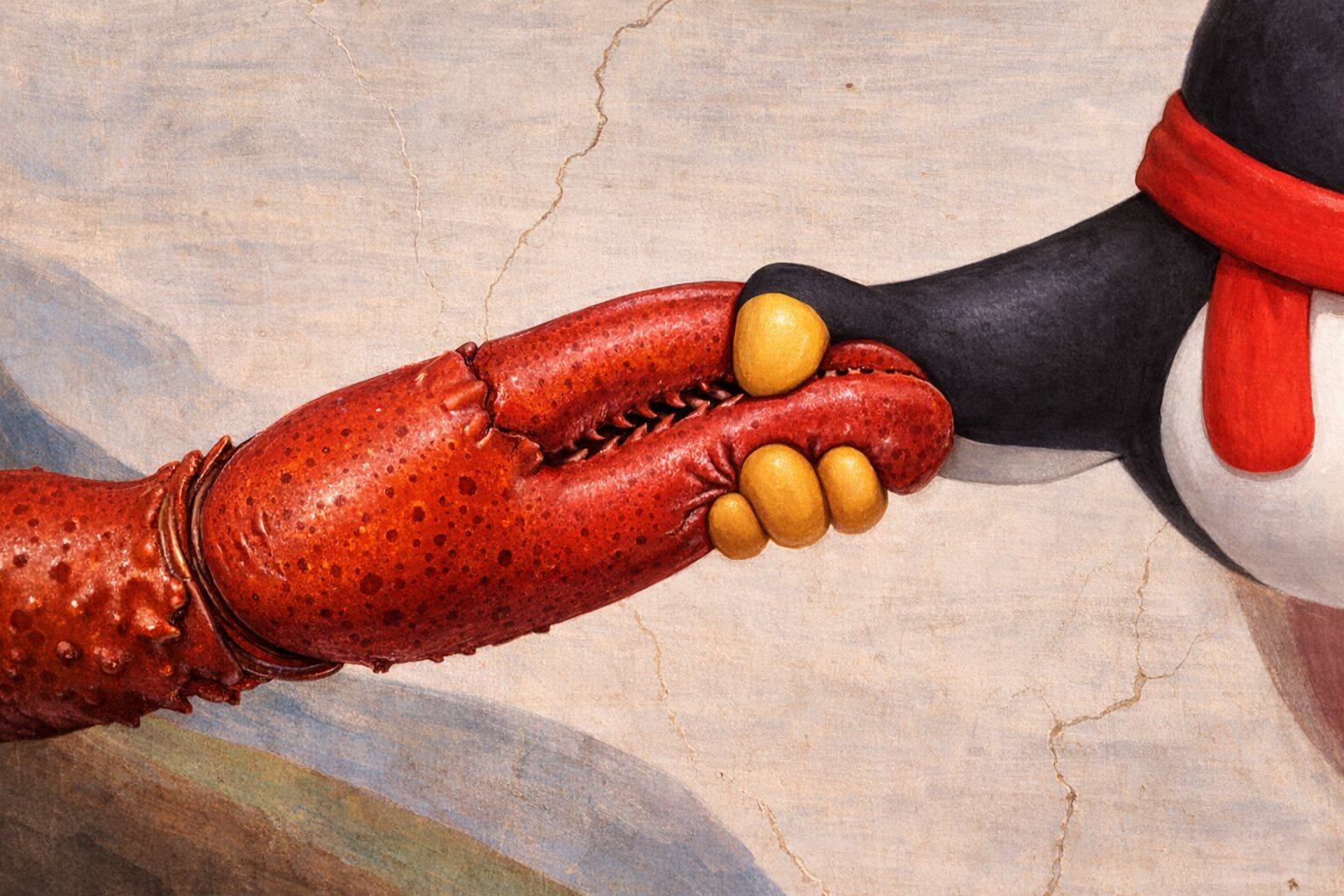
Lobsters Not Yet Grown, Giants Already Casting Nets: OpenClaw Ecosystem Faces Enclosure Crisis

The article discusses the controversy surrounding Chinese tech giant Tencent's launch of SkillHub, a localized platform for the OpenClaw ecosystem. OpenClaw founder Peter Steinberger publicly accused Tencent of copying the project without providing support, specifically criticizing its impact on official download statistics. Tencent responded that SkillHub is a mirror site designed to serve Chinese users, citing reduced bandwidth strain on the official source and offering sponsorship. Steinberger countered that the core issue was not technical but a lack of prior communication and the risk of Tencent controlling user access and data. The author argues that the incident reflects a broader pattern of major Chinese tech companies exploiting open-source ecosystems for market dominance. While mirror sites are common in China, Tencent’s move is seen as an attempt to capture the user entry point and potential future commercialization of the Agent-based AI ecosystem represented by OpenClaw. The article warns that such platforms, under the guise of localization and convenience, may eventually lead to walled gardens where Tencent controls distribution, visibility, and monetization—echoing past strategies in sectors like ride-hailing and short-video platforms. The piece concludes that OpenClaw’s open, community-driven vision is at risk of being co-opted by corporate interests before it fully matures.

比推03/13 12:32

Lobsters Not Yet Grown, Giants Already Casting Nets: OpenClaw Ecosystem Faces Enclosure Crisis

比推03/13 12:32

Free Mirror or Land Grab? OpenClaw Founder Blasts Tencent for Copying

OpenClaw founder Peter Steinberger publicly criticized Tencent for creating SkillHub, a localized platform mirroring OpenClaw, accusing the tech giant of copying without supporting the project. Tencent responded by clarifying that SkillHub acts as a local mirror site, properly attributing OpenClaw as the data source and reducing bandwidth strain on the origin server by processing significant traffic locally. It also expressed willingness to become a sponsor. However, Steinberger remained unsatisfied, emphasizing that the core issue was not technical but ethical—Tencent failed to communicate beforehand. The dispute highlights deeper concerns about big tech’s approach to open-source ecosystems: while mirroring is common and often legal under open-source licenses, Tencent’s move is seen as an attempt to control user access, distribution channels, and future commercial influence within the AI agent ecosystem. The incident reflects a broader pattern in China’s internet industry, where major companies rapidly embrace emerging technologies like OpenClaw not purely for innovation, but to capture entry points, traffic, and platform dominance. By offering localized, convenient services, they risk enclosing open ecosystems within their own walled gardens—ultimately dictating which tools get visibility, monetization, and user adoption. As OpenClaw gains explosive popularity in China, the episode underscores a tension between open-source ideals and commercial strategies, where convenience may come at the cost of community autonomy and long-term openness.

Odaily星球日报03/13 07:13
Free Mirror or Land Grab? OpenClaw Founder Blasts Tencent for Copying

Odaily星球日报03/13 07:13

活动图片