# Mining Related Articles

HTX News Center provides the latest articles and in-depth analysis on "Mining", covering market trends, project updates, tech developments, and regulatory policies in the crypto industry.

Iran's Path to 'De-Dollarization': When Weapons Begin to Be Settled in Cryptocurrency

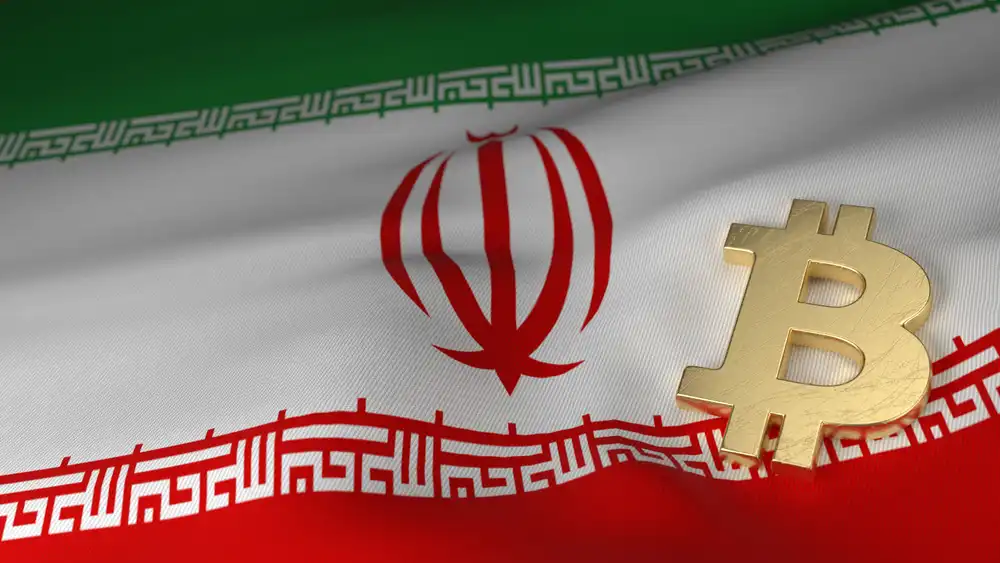
Iran's "De-Dollarization" Path: When Weapons Begin to Be Settled in Cryptocurrency Iran has officially integrated cryptocurrency into its national survival and foreign strategy, as evidenced by its defense export center Mindex accepting crypto, barter, or rial for military contracts as of January 2026. This move highlights crypto’s role as an "anti-sanction financial tool" in one of the most sanctioned and regulated sectors: arms trade. Driven by severe constraints—including a depreciating rial, severed international banking ties, and high-risk energy and weapon export channels—Iran has turned to crypto to meet economic targets. In 2025, parliamentary leaders emphasized that without crypto, Iran could not achieve its goal of a 10% digital economy share. Iran is now the world’s fourth-largest cryptocurrency mining hub, leveraging subsidized electricity. Stablecoins, especially USDT, have also become critical for liquidity—reportedly facilitating around $1.5 billion in transactions linked to entities like the Islamic Revolutionary Guard Corps. During a nationwide internet blackout in January 2026, crypto demonstrated resilience through offline workarounds like satellite networks (Starlink, Blockstream), Bluetooth mesh systems (Bitchat), and SMS-based Bitcoin transfers (Machankura). Iran’s experience reflects a broader trend: nations like Russia and Venezuela are also using crypto to bypass sanctions, transforming it from a financial innovation into a strategic geopolitical tool for value transfer and access to global markets.

marsbit01/17 02:32

Iran's Path to 'De-Dollarization': When Weapons Begin to Be Settled in Cryptocurrency

marsbit01/17 02:32

The Other Side of XMR's Surge: Regulation, Black Market, and Real Demand

Monero (XMR), a leading privacy-focused cryptocurrency, reached a new all-time high of over $690 on January 13, 2025, marking a 262% surge from around $200 a year prior. This rally occurred amid a broader market downturn and increasing global regulatory pressure, including its delisting from major exchanges like Binance and a recent ban on privacy coins in Dubai. Analysis reveals that the price surge was not primarily driven by trading on centralized exchanges, as spot and derivatives trading volumes remained relatively modest. Instead, key factors include significant capital deployment in mining, with network difficulty rising sharply throughout 2025 despite temporary volatility, indicating strong interest from large-scale miners. On-chain data shows a substantial increase in average transaction fees—tripling since mid-2025—suggesting growing real demand for private transactions. Users are willing to pay higher fees for Monero’s privacy features, especially as regulatory crackdowns intensify. This has created a counterintuitive effect where bans may have strengthened demand among users seeking censorship-resistant transactions. The rally reflects both “white” (legitimate privacy needs) and “black” (asymmetric information and potential market manipulation) factors. The opaque nature of Monero’s ecosystem means retail investors face significant risks, as evidenced by high volatility and the potential for sharp corrections, similar to those seen with other privacy coins like ZEC.

比推01/14 06:30

The Other Side of XMR's Surge: Regulation, Black Market, and Real Demand

比推01/14 06:30

活动图片