From Libya to Iran: Nations in Blackout, Bitcoin Miners Uninterrupted
From Libya to Iran: Nations in Darkness, Bitcoin Miners That Never Stop
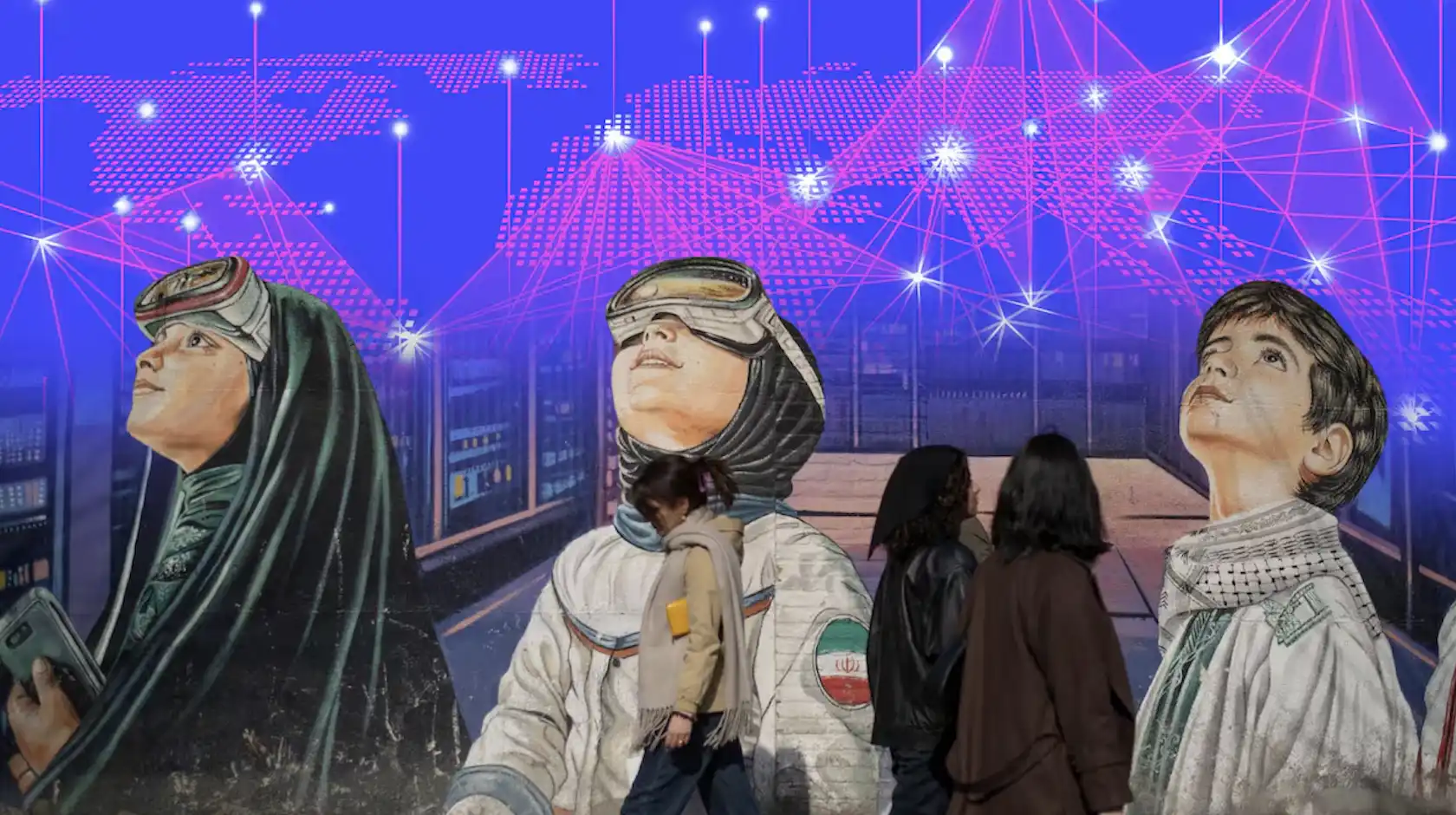
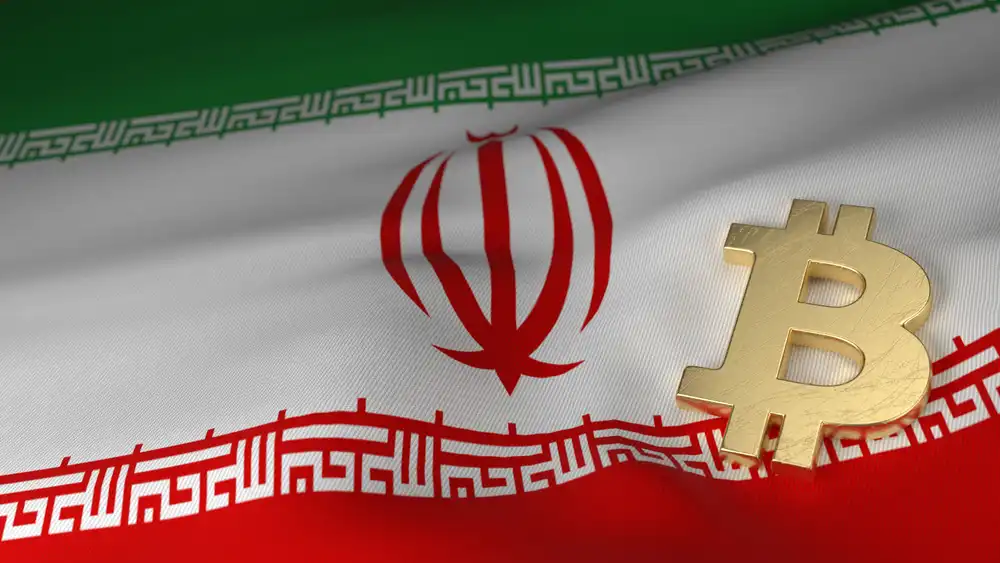
In the summer of 2025, Tehran and other parts of Iran faced extreme heat and severe power outages, forcing government offices and schools to shut down. Hospitals relied on diesel generators to keep life-saving equipment running. Yet, behind city walls, rows of Bitcoin mining machines continued operating at full capacity, almost never losing power.
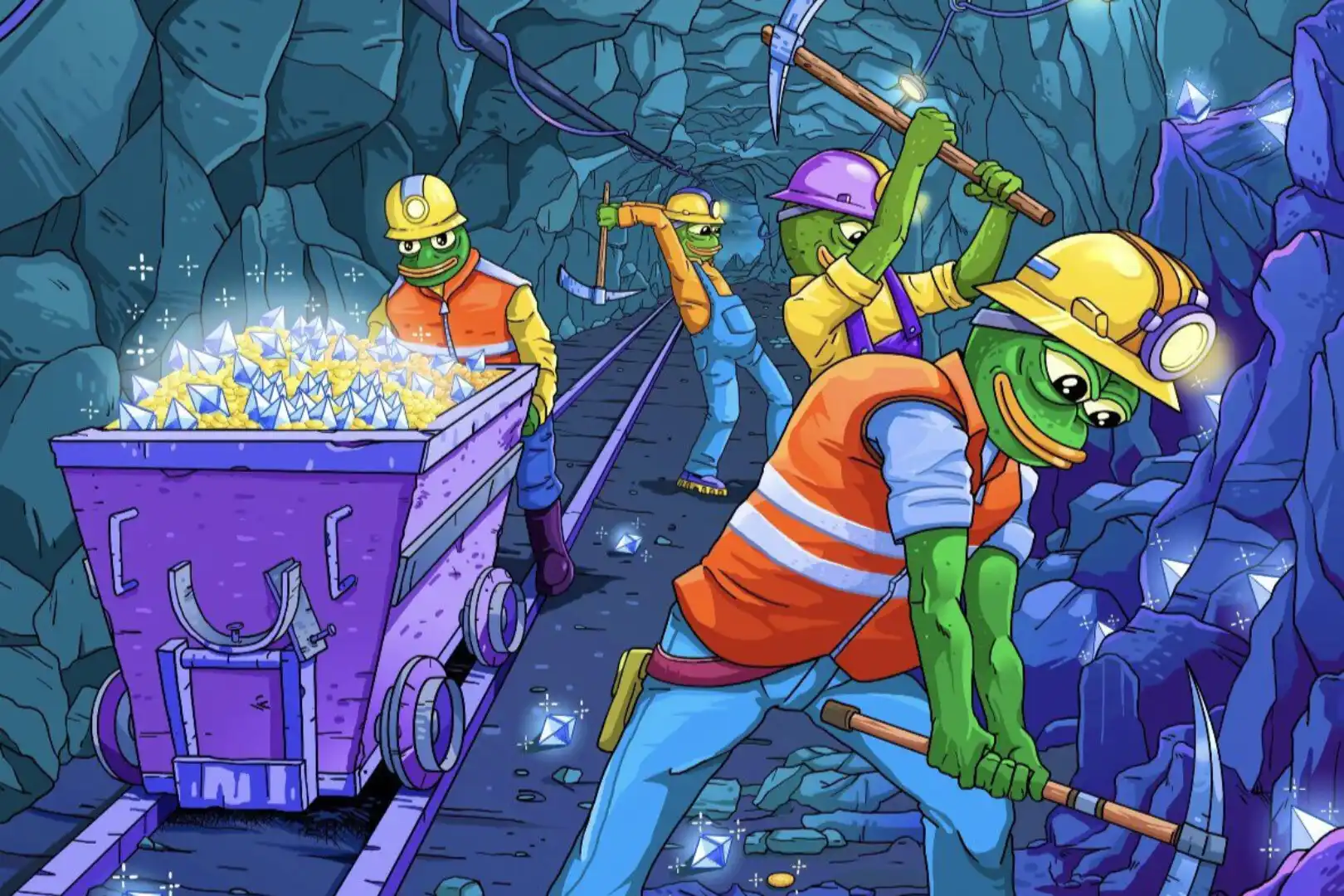
Similarly, in Libya, residents endure daily blackouts of 6 to 8 hours, while unauthorized mining farms in abandoned industrial sites run non-stop, using some of the world’s cheapest electricity—subsidized as low as $0.004 per kWh—to mine Bitcoin, often with outdated equipment smuggled into the country.
This reflects one of the 21st century’s starkest energy paradoxes: in nations crippled by sanctions and civil conflict, electricity is no longer just a public service but a form of “exportable” hard currency.
In Iran, mining was legalized in 2019 as a state strategy to bypass international financial sanctions. Miners were required to sell mined Bitcoin to the central bank. However, an estimated 85% of mining occurred illegally or semi-legally, often with ties to powerful entities. Despite temporary bans and crackdowns, mining rebounded quickly, draining the national grid and worsening public power shortages.
Libya, fragmented since the fall of Gaddafi, lacks coherent regulation. Although cryptocurrency transactions and mining imports are officially banned, enforcement is weak. Low subsidized electricity prices create irresistible incentive for mining operators—including foreign groups—to run energy-intensive operations with obsolete machines, while ordinary citizens face daily blackouts.
In both countries, Bitcoin mining functions less as a legitimate industry and more as a form of resource extraction: it creates few jobs, contributes little in taxes, and often channels profits overseas. The real cost is borne by society—frequent blackouts, overloaded grids, and compromised public services like healthcare and education.
Ultimately, the issue is not Bitcoin itself, but who controls the allocation of public resources. When energy subsidies meant for public welfare are diverted for private gain, it deepens inequality and institutional distrust. As citizens sit in darkness, the miners’ machines continue to hum—a symbol of energy injustice in a fractured world.
marsbit02/02 02:38