# Crypto Related Articles

HTX News Center provides the latest articles and in-depth analysis on "Crypto", covering market trends, project updates, tech developments, and regulatory policies in the crypto industry.


Why Has the UAE, Built on Oil, Become a New Hotspot for the Crypto Industry?

The UAE, traditionally known for its oil wealth, is rapidly emerging as a major global hub for the cryptocurrency industry. Despite recent market volatility, the country is actively hosting crypto conferences and attracting top institutions and professionals. A key driver is proactive regulatory development. The UAE incorporated crypto into its "2031 National Investment Strategy" and introduced a "Tokenization Regulatory Sandbox Guide" in 2025, establishing a coordinated federal and local regulatory framework. Dubai's Virtual Assets Regulatory Authority (VARA) has already licensed 36 companies, while Abu Dhabi's global market recognizes crypto as a regulated financial instrument. This regulatory clarity has drawn major players like OKX, which established a significant local presence. Substantial capital deployment from the oil-rich nation further fuels growth. A record $2 billion investment was made in Binance by Abu Dhabi's MGX. State investment vehicles, including Mubadala, have significantly increased their Bitcoin ETF holdings, collectively exceeding $1.5 billion. The UAE also offers powerful incentives: zero tax on crypto profits for individuals, up to 50 years of corporate tax exemption in free zones, and a coveted Golden Visa for top talent or those investing crypto profits. These policies led to a 300% surge in Dubai blockchain company registrations in 2025. A recent law granting the digital dirham the same legal status as physical cash is set to further integrate with and empower the crypto ecosystem, strengthening the Middle East's role in digital finance. The UAE is strategically leveraging crypto assets to transition into the digital economy.

marsbit12/18 00:06

Why Has the UAE, Built on Oil, Become a New Hotspot for the Crypto Industry?

marsbit12/18 00:06

Breaking Away from Traditional Investment Paths: Cryptocurrency Emerges as the Primary Battlefield for Wealth Among the Younger Generation

Coinbase's latest industry report, in collaboration with Ipsos, reveals a significant generational shift in investment strategies. Younger investors, including Gen Z and millennials, are increasingly moving away from traditional wealth-building paths like buying real estate and investing in stocks. The survey of over 2,000 U.S. investors found that 73% of young people believe it's harder for their generation to build wealth through conventional means compared to their parents' generation. This sentiment is reflected in their portfolios: younger investors allocate 25% of their investments to non-traditional assets like cryptocurrencies, derivatives, and NFTs—three times the allocation of older investors. Nearly half (45%) of young investors already hold cryptocurrency, compared to just 18% of older investors. They view crypto not as a speculative side investment but as a core component for catching up financially, with 80% believing it offers more opportunities outside the traditional financial system. Younger investors are also more active, trade more frequently, and are willing to take higher risks for greater returns. They express strong interest in emerging crypto products like derivatives, prediction markets, and DeFi lending. This trend is pushing the financial industry toward 24/7, multi-asset platforms that better serve this internet-native generation.

比推12/17 14:34

Breaking Away from Traditional Investment Paths: Cryptocurrency Emerges as the Primary Battlefield for Wealth Among the Younger Generation

比推12/17 14:34

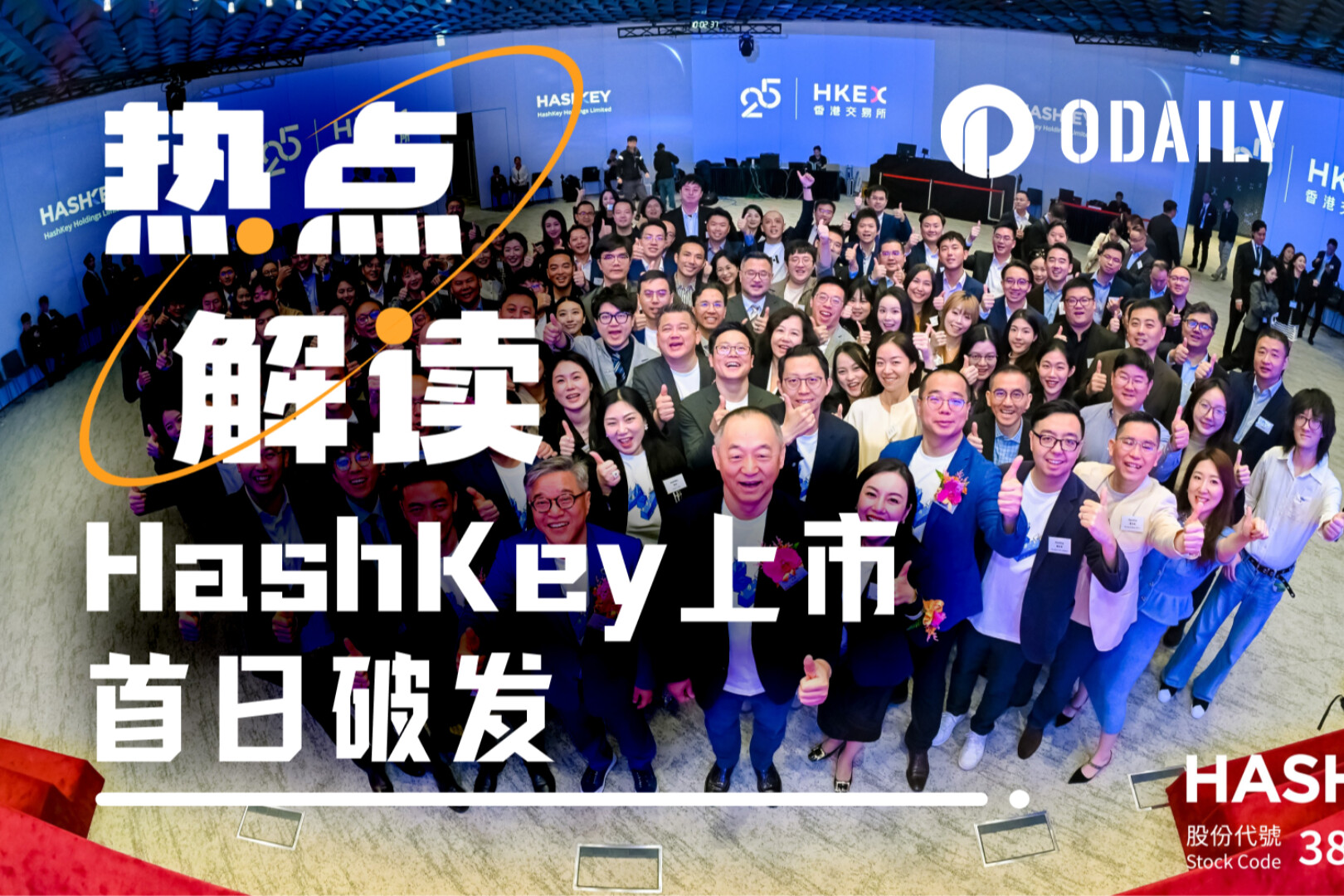
HashKey Falls Below IPO Price on First Day of Trading, 'The Eastern Coinbase' Not Yet Established

HashKey Holdings (stock code: 03887.HK), known as the first Hong Kong-listed cryptocurrency exchange, debuted on the Hong Kong Stock Exchange on December 17. Despite strong pre-IPO interest—with its public offering oversubscribed by nearly 394 times—the stock price fell below its initial offering price of HK$6.68 within the first hour of trading. It closed the day at HK$6.67 after hitting a low of HK$6.12. The market response contrasts sharply with earlier optimism from crypto industry participants, who had hailed HashKey as a milestone for Hong Kong’s Web3 sector and even dubbed it the "Eastern Coinbase." However, the article points out significant gaps between HashKey and Coinbase in terms of scale: HashKey has only 138,000 registered users and average daily trading volumes in the millions of dollars, far below Coinbase’s pre-IPO user base of 56 million and billions in daily trades. HashKey has reported four consecutive years of losses, which the company attributes to high investment in technology and compliance during its early development phase. The IPO raised approximately HK$1.67 billion, with 40% earmarked for technology upgrades and another 40% for market expansion. The listing is seen by some as a symbolic step toward broader acceptance of crypto in traditional finance, yet the author suggests HashKey’s successful listing may remain an isolated case in Hong Kong. This is largely due to the influential backing of its major shareholder, Lu Weiding—chairman of Wanxiang Group and a prominent business and political figure—whose support may be difficult for other crypto firms to replicate under current regulatory conditions.

Odaily星球日报12/17 12:05

HashKey Falls Below IPO Price on First Day of Trading, 'The Eastern Coinbase' Not Yet Established

Odaily星球日报12/17 12:05

Axelar Team Acquired, Token Abandoned: Circle's 'Take the Team, Not the Token' Move Sparks Heated Debate in Crypto Community

Circle, the stablecoin giant, has announced the acquisition of the core team and intellectual property of Interop Labs, the initial development team behind the cross-chain protocol Axelar Network. The move aims to advance Circle’s cross-chain infrastructure strategy and improve interoperability for its core products like Arc and CCTP. However, the acquisition explicitly excludes the Axelar Network itself, its foundation, and its native token AXL, which will continue to operate under community governance. Another contributing team, Common Prefix, will take over Interop Labs' former activities. Following the news, the price of AXL dropped sharply, falling 15% to around $0.115. The “acquire-the-team-but-not-the-token” approach has sparked intense debate within the crypto community. Critics, including VCs and industry figures, argue that the move unfairly disadvantages token holders, who supported the project early on but received nothing from the acquisition. Some have called it a “rug pull” and raised ethical and legal concerns, emphasizing the misalignment between team incentives and token holder interests. Supporters counter that this reflects standard market reality where tokens sit at the bottom of the capital structure—below debt and equity—and aren’t inherently entitled to proceeds in acquisitions. They see Circle’s decision as a rational business move that follows conventional corporate finance hierarchies. The incident highlights a recurring conflict in crypto: the ambiguous legal and economic status of tokens. While often treated as “quasi-equity” during bullish phases, tokens lack formal rights in events like acquisitions or liquidations. The Axelar situation underscores the need for clearer definitions and structures around token rights and incentives.

marsbit12/17 10:05

Axelar Team Acquired, Token Abandoned: Circle's 'Take the Team, Not the Token' Move Sparks Heated Debate in Crypto Community

marsbit12/17 10:05

活动图片