# Congress Related Articles

HTX News Center provides the latest articles and in-depth analysis on "Congress", covering market trends, project updates, tech developments, and regulatory policies in the crypto industry.

The Clarity Act's Journey Through Congress: The Thorny Path of Bipartisan Compromise in the U.S.

The U.S. Congress is struggling to advance the crypto market structure bill known as the Clarity Act, with bipartisan compromise proving difficult. Key hurdles include unresolved disputes over "yield" products and, more critically, the inclusion of strong ethics provisions for elected officials—a non-negotiable demand for many Democrats. While a compromise on yield was reached in May, securing only limited Democratic support in committee, the separate Senate Agriculture Committee version later passed with no Democratic votes due to the ethics impasse. As Republicans push for a full Senate vote in July, demands for ethics rules have expanded, and other contentious issues like developer protections and concerns from law enforcement and large banks further complicate negotiations. Despite consensus on the need for legislation, the path forward is unclear. Recent discussions between senators and White House officials aim to find acceptable ethics language. Some lawmakers question whether a compromise text can garner enough bipartisan support, with one Democrat stating the current proposal lacks the strong ethics provisions required for their vote. Potential short-term goals for the crypto community include symbolic Senate action before the August recess, a longer-term aim for passage by 2026, or establishing a detailed framework that addresses ethics and other compromises. The process remains arduous, relying on the traditional, vote-by-vote effort to build bipartisan support.

marsbit07/22 02:06

The Clarity Act's Journey Through Congress: The Thorny Path of Bipartisan Compromise in the U.S.

marsbit07/22 02:06

The Encryption Bill Clarity's Challenge: A Thorny Path of Bipartisan Compromise in the U.S.

U.S. lawmakers are attempting to advance the Clarity Act, a significant crypto market structure bill, but its path is fraught with partisan hurdles. The process has been rocky since January, when a prior bipartisan deal in the Senate Banking Committee was upended. A key compromise in May on "yield" issues allowed the bill to move forward in committee, but only with the conditional support of two Democratic senators, Angela Alsobrooks and Ruben Gallego. They emphasized that their final vote depends on reaching an agreement on ethics provisions for elected officials. Ultimately, the Senate Agriculture Committee passed its version along party lines without Democratic support. As Republicans push for a full Senate vote in July, the demand for strong ethics language has expanded beyond Democrats. Additional controversies surround provisions related to yields (aligning some Republicans with large banks) and developer protections (opposed by enforcement agencies). Core concerns about illicit finance and consumer protection remain central to the debate. Despite consensus on the need for legislation, achieving the necessary bipartisan compromise is proving difficult. While momentum exists—including recent meetings between senators and White House officials—a reconciled bill text faces skepticism. Senator Gallego has stated that without ethics terms acceptable to Democrats, they will not provide the needed votes. The immediate goals for the crypto community in Congress are unclear: a symbolic Senate vote before the August recess, eventual passage into law by 2026, or forging a final compromise framework. The arduous, vote-by-vote effort to build bipartisan support continues, mirroring the traditional legislative grind the industry must now navigate.

Foresight News07/21 12:04

The Encryption Bill Clarity's Challenge: A Thorny Path of Bipartisan Compromise in the U.S.

Foresight News07/21 12:04

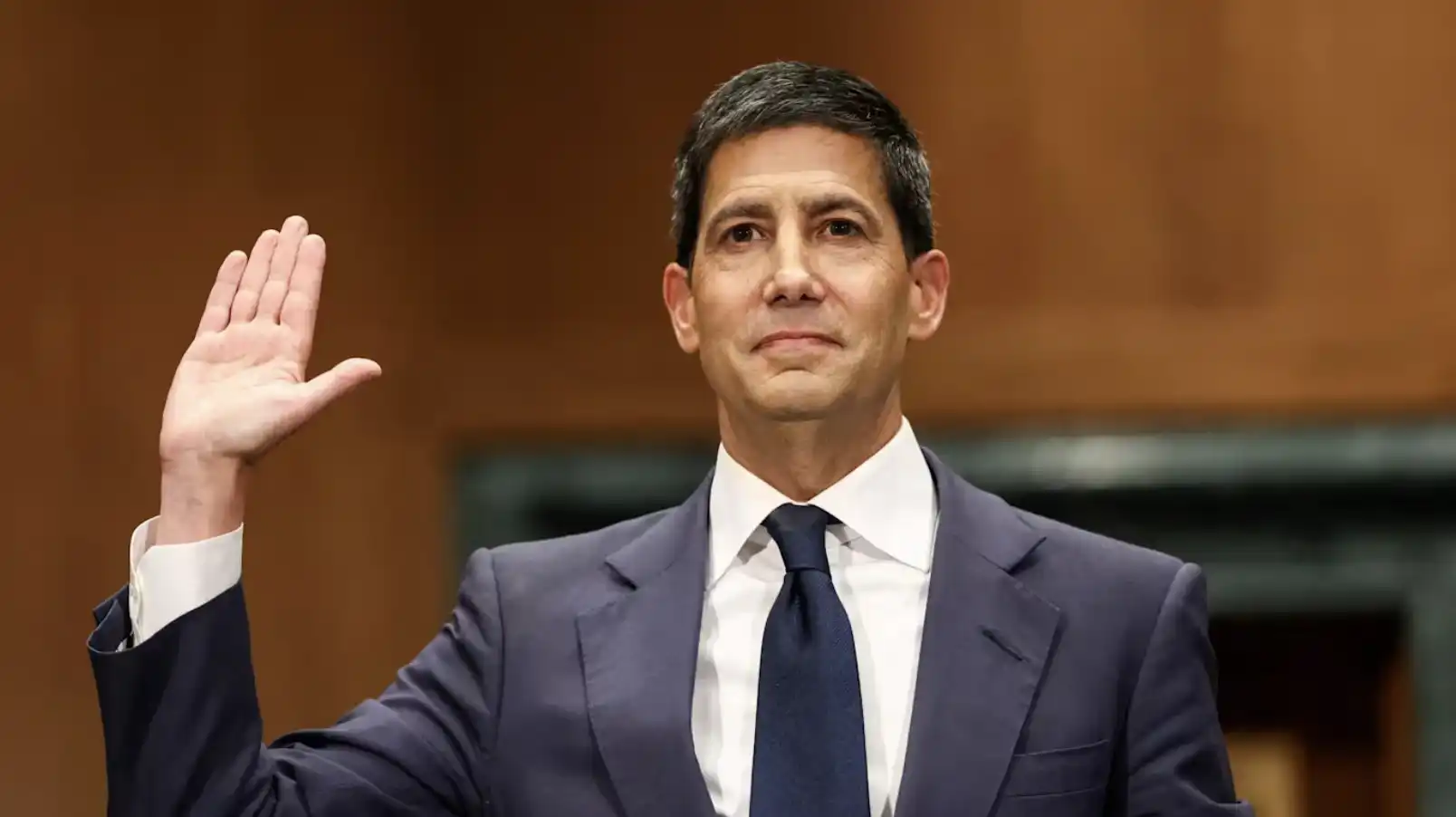
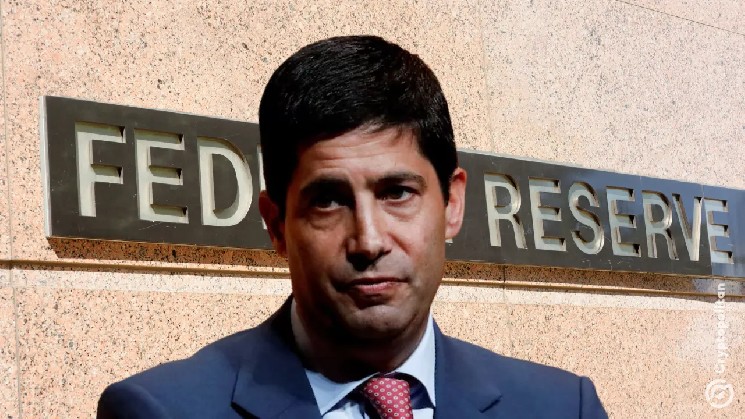
Warsh Concludes Capitol Hill Visit! A Breakdown: What Did He Say Over These Two Days?

Walsh Concludes Capitol Hill Testimony: Key Takeaways on Independence, Inflation, and AI In his first congressional hearings as Fed Chair, Kevin Walsh faced intense scrutiny over the central bank's independence, internal reforms, and policy transparency. Over two days before House and Senate committees, lawmakers, particularly Democrats, questioned his ties to the Trump administration and recent initiatives like an AI task force led by venture capitalist Marc Andreessen. Walsh staunchly defended the Fed's independence, stating, "Trump selected an independent person to do an independent job," and vowed to ignore political pressure on interest rates. He emphasized a "zero tolerance" approach to inflation, downplaying the significance of a single favorable CPI report and signaling that rate hikes remain an option to restore price stability. He addressed criticism of the Andreessen-led AI working group by clarifying it only has an advisory role. On AI's economic impact, Walsh suggested the investment boom might not be inherently inflationary and could boost productivity and wages over time. Regarding policy, Walsh reiterated his preference to move away from detailed forward guidance, promising all decisions would be released publicly and simultaneously. He framed his internal reform efforts, including five new working groups starting "from a blank slate," as necessary because past Fed policy contributed to current inflation. The hearings ended with a mix of skepticism and a "wait-and-see" attitude from Washington. While Walsh navigated the initial challenge through hawkish rhetoric and debate skills, observers noted his credibility will ultimately depend on concrete actions to fight inflation and safeguard the Fed's autonomy.

marsbit07/16 02:11

Warsh Concludes Capitol Hill Visit! A Breakdown: What Did He Say Over These Two Days?

marsbit07/16 02:11

活动图片