Lawmakers Rally Behind Crypto: SEC Chair Urged To Allow Digital Assets In 401(k)s

bitcoinistPublished on 2025-12-12Last updated on 2025-12-12

Abstract

US Congress is advancing support for President Trump's Executive Order 14330, signed in August 2025, which aims to democratize access to alternative assets—including cryptocurrencies—in 401(k) retirement plans. The order directs the Department of Labor and the SEC to reduce regulatory barriers preventing investments. A bipartisan group of lawmakers, including Reps. French Hill and Maxine Waters, endorsed the move, emphasizing the potential for higher risk-adjusted returns for 90 million Americans. However, the American Federation of Teachers opposes the order, calling it "irresponsible and reckless," and warning of increased fraud risks and erosion of securities protections for retirement savings.

The US Congress is moving rapidly to support President Donald Trump’s Executive Order 14330, signed on August 7, 2025, which is focused on “democratizing access to alternative assets, including crypto, for 401(k) Investors.”

This order mandates the Department of Labor (DOL) and the Securities and Exchange Commission (SEC) to lower regulatory barriers that currently prevent investments in alternative assets—such as private equity, real estate, digital assets, and commodities—from being included in 401(k) retirement plans.

Congressional Push For Crypto In 401(k)s

In a joint letter signed by Republican Congressman French Hill and Democratic ranking member Maxine Waters of the House Financial Services Committee, lawmakers expressed their endorsement of the Executive Order.

They highlighted the importance of providing all Americans with access to alternative asset investments as a means to enhance net risk-adjusted returns on their retirement savings.

The letter emphasized that the Executive Order instructs the Secretary of Labor to work alongside the SEC to assess the need for regulatory adjustments. It also calls on the SEC to alter its guidelines to facilitate access to these alternative assets in participant-directed defined contribution retirement plans.

The legislators urged the SEC to act promptly, suggesting that revisions to existing regulations are essential to allow 90 million Americans currently restricted from investing in alternative assets to secure a more dignified retirement.

However, the implementation of this Executive Order may face further delays as the American Federation of Teachers (AFT) has publicly voiced its opposition to this initiative as well as to the proposed cryptocurrency market structure bill, which has already encountered notable delays in Congress.

AFT Raises Alarm Over Executive Order

As reported by Bitcoinist on Wednesday, December 10, AFT President Randi Weingarten criticized the Executive Order, describing it as “as irresponsible as it is reckless.”

The federation’s President further expressed significant concern over the alleged risks that this order poses to working families’ pensions and the broader economy.

Weingarten pointed out that the current draft of the order raises “deep concerns” regarding retirement plans, including those related to the union’s own pensions. Her argument centers on the fear that advancing crypto legislation could pave the way for widespread fraud and unethical practices within retirement schemes.

Among the specific worries mentioned by the AFT is a provision allowing non-crypto companies to issue stock on the blockchain, thereby circumventing established regulatory frameworks for securities.

Weingarten warned that this could lead to the erosion of traditional securities laws and potentially disastrous outcomes. She cautioned that retirement plans, including pensions and 401(k) accounts, might be invested in unsafe assets even under the guise of being traditional securities.

The daily chart shows the total crypto market cap valuation dropping toward $3.03 trillion on Thursday. Source: TOTAL on TradingView.com

Featured image from DALL-E, chart from TradingView.com

Trending Cryptos

Related Reads

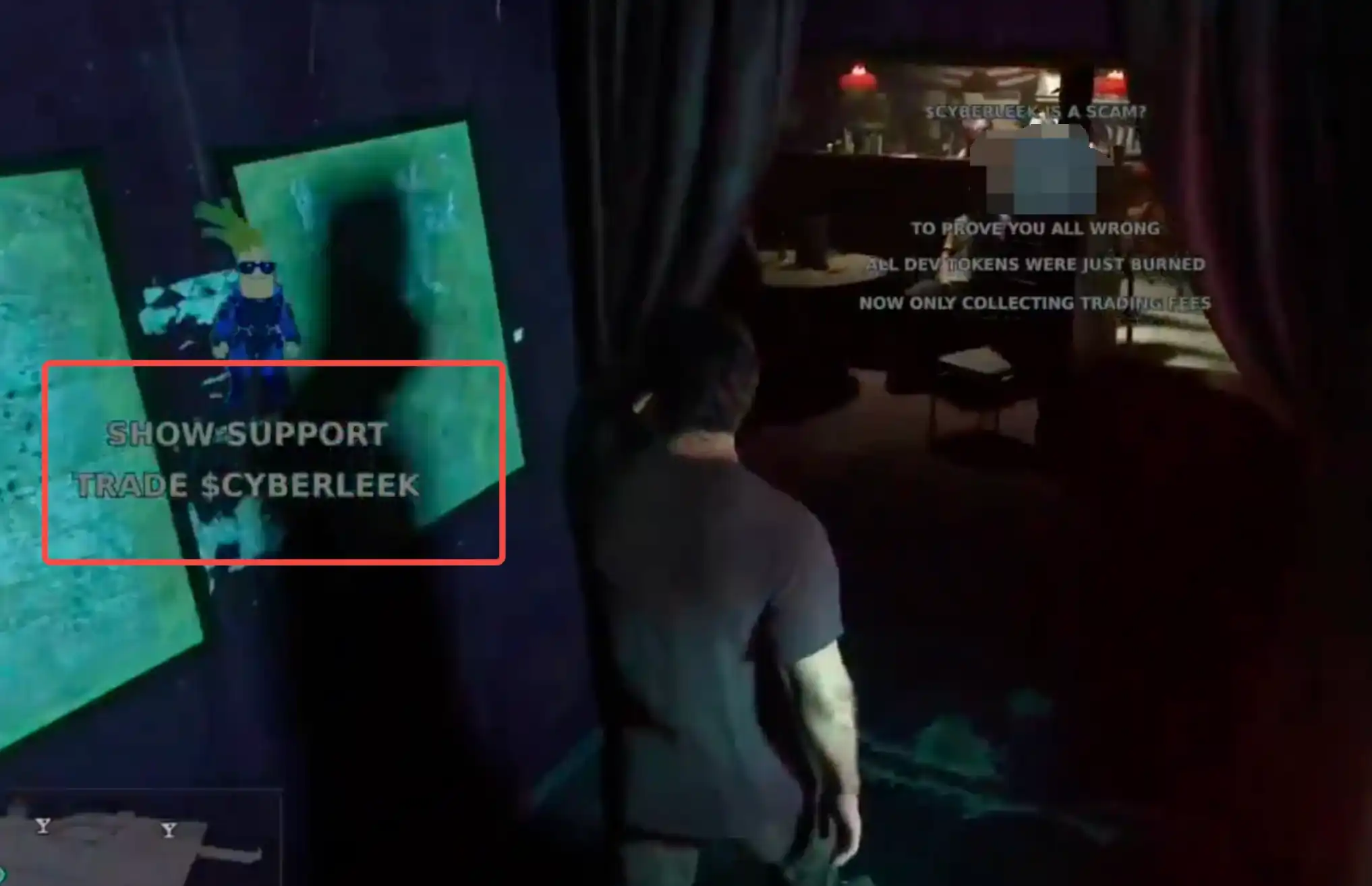
Hacker Leaks GTA6 and Launches a Token: Leaked Videos Become Ad Space for $CYBERLEEK, Must Buy Tokens to Vote for Next Clip

A hacker group called "CyberLeek" has leaked gameplay footage of the highly anticipated video game *GTA 6*, which is slated for release in 2026. Simultaneously, the group launched a meme token, $CYBERLEEK, on Solana. The leaks, which include maps and gameplay clips, are heavily watermarked with advertisements urging viewers to buy the token. Investigations of blockchain data reveal that the token was created and funded from a single wallet approximately eight hours before the first leak was released, suggesting a coordinated plan. The group has implemented a voting system where token holders can "vote" for the next type of content to be leaked by sending $CYBERLEEK tokens to a designated wallet—a process that permanently transfers the tokens to the hackers. This creates a self-sustaining cycle where interest in the leaks drives token purchases. Financially, the operation involved minimal upfront costs (less than $3,500 in out-of-pocket expenses) but generated significant revenue. On its first day, the token saw $15 million in trading volume, netting the creators an estimated $30,000 from transaction fees alone. While the group later burned a large portion of its developer-held tokens (worth over $1 million) to build trust, the fee-generating mechanism remains intact. The game's publisher, Take-Two Interactive, has initiated legal proceedings to identify the hackers. Despite this, the case demonstrates a new model where leaked intellectual property is used as leverage to promote and profit from a cryptocurrency, with meme token markets serving as an additional revenue stream.

marsbit28m ago

Hacker Leaks GTA6 and Launches a Token: Leaked Videos Become Ad Space for $CYBERLEEK, Must Buy Tokens to Vote for Next Clip

marsbit28m ago

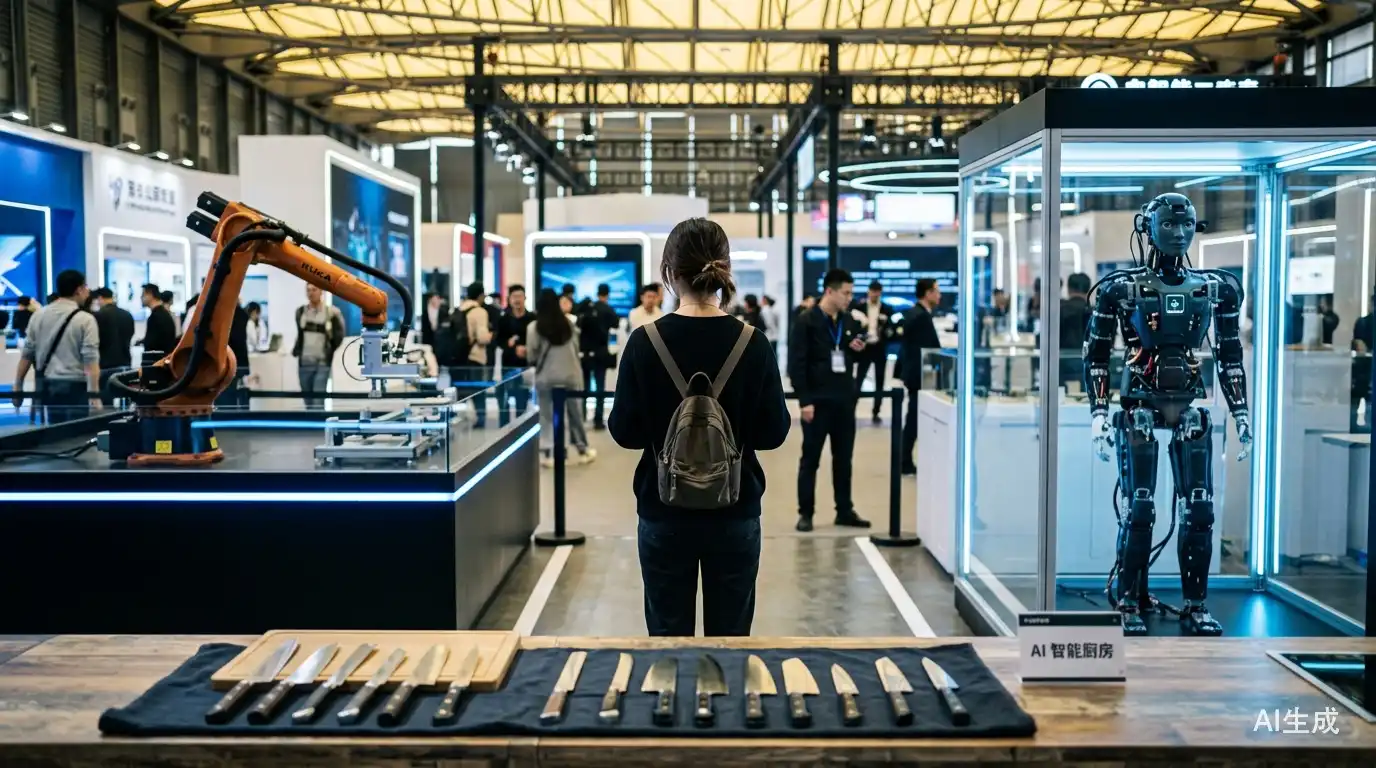
Jensen Huang's Daughter: From Chef to an $8 Million Annual Salary

Madison Huang, daughter of NVIDIA founder Jensen Huang, recently made a rare public appearance in Beijing during the 2026 World Robot Conference. As the Senior Director of Product and Technology Marketing for NVIDIA's Physical AI Platform, with an annual salary of approximately $1.2 million, her visit focused on evaluating leading Chinese robotics companies like UBTech, Unitree, and others. This highlights NVIDIA's strategic interest in the burgeoning Chinese robotics ecosystem, a key battleground for the development of Physical AI—technology that enables machines to understand and interact with the physical world. Huang's career path is unconventional. Initially pursuing her passion, she studied culinary arts, worked as a chef, and later held a marketing role at LVMH. She joined NVIDIA as an intern in 2020 after completing an MBA, quickly rising through the ranks. Her brother, Spencer Huang, followed a similar path, closing a cocktail bar he co-founded to also join NVIDIA, where he now works on robotics software. Jensen Huang has publicly addressed nepotism concerns, humorously noting that some "second-generation" employees outperform their parents. The conference itself underscored China's vibrant robotics sector, marked by Unitree's recent blockbuster IPO and a pipeline of companies preparing to go public. While hardware development and manufacturing are advancing rapidly, industry leaders like Wang Xingxing of Unitree point to the next critical challenge: developing the "brain" or AI that allows robots to perform diverse, unseen tasks based on simple instructions. With massive manufacturing scale and diverse real-world testing scenarios, China is positioned as a central player in the global race to define the future of robotics.

marsbit3h ago

Jensen Huang's Daughter: From Chef to an $8 Million Annual Salary

marsbit3h ago

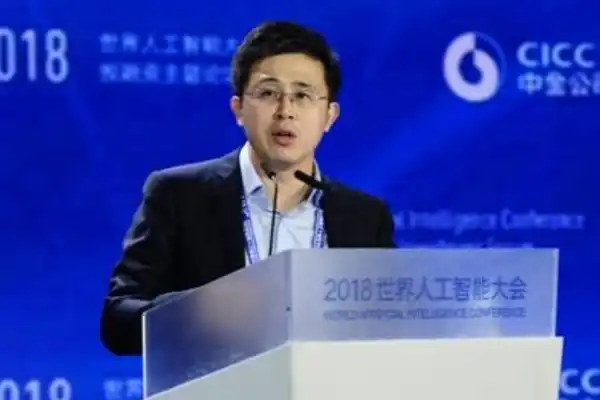
He Gave Wang Xingxing the First 2 Million, Now Serves as Chairman for the Next 'Unitree'

On August 19, 2024, Unitree Robotics, China's "first humanoid robotics stock," went public. Its founder, Wang Xingxing, started a decade ago with his self-developed XDog. In 2016, at a critical funding juncture, he received his first angel investment of 2 million RMB from Yin Fangming. This bet has since yielded a return of over 140 times. Yin Fangming is more than just a key investor. He was a co-founder of the AI robotics company ROOBO, whose own venture ultimately struggled. This firsthand experience with the hardware challenges in robotics gave him unique insight when backing Unitree, a company renowned for its hardware R&D and cost control. While his own company faltered, Yin continued investing shrewdly. He partially cashed out some Unitree shares early, reinvesting the proceeds into sectors like energy (e.g., solid-state battery firm TaiLan) and commercial aerospace (e.g., small launch vehicle developer XianDeng Aerospace). However, his most significant move after Unitree is his deep involvement with Galaxy General, a leading embodied AI unicorn. In July 2024, Yin stepped from behind the scenes to officially become its Chairman, indicating a role far beyond a typical investor. This comes as Galaxy General is viewed as preparing for future capital moves. Yin's career has consistently been ahead of the curve—from mobile internet to AI and robotics. Known for his foresight and low profile, he declined an interview for this story, offering only a statement encouraging support for visionary entrepreneurs like Wang Xingxing.

marsbit3h ago

He Gave Wang Xingxing the First 2 Million, Now Serves as Chairman for the Next 'Unitree'

marsbit3h ago

Coldcard Theft Reflection: Source Code Visibility Does Not Equal Security

The article examines the open-source vs. closed-source debate in crypto, prompted by a theft of over $100M in Bitcoin from Coldcard hardware wallets. It clarifies key terminology: true "Free and Open Source Software" (FOSS) grants four essential freedoms (use, study, share, modify), while "source available" code, like Coldcard's firmware, may have usage restrictions. The piece argues that visible source code alone does not guarantee security; actual safety depends on the economic incentives for thorough, ongoing review by skilled individuals. Using Bitcoin Core as a model, the article describes a successful, transparent open-source development culture built on public review and consensus. It contrasts this with the Coldcard case, where a critical bug in a lightly-reviewed, source-available library went undetected for years, highlighting a "tragedy of the commons" scenario where assumed but absent scrutiny creates vulnerability. The economics of licensing are crucial: restrictive licenses can limit the pool of motivated commercial reviewers. Finally, the article explores AI's impact. It cites the Bitcoin Red Team's use of AI to rapidly audit codebases and find vulnerabilities at scale, demonstrating a powerful new tool for security. However, AI also floods projects with low-quality code, straining maintainers. The piece concludes that in high-stakes crypto, only well-audited projects—whether open or closed-source—can withstand evolving threats, with AI both challenging and aiding security practices.

marsbit3h ago

Coldcard Theft Reflection: Source Code Visibility Does Not Equal Security

marsbit3h ago

Trading

Spot

Hot Articles

Discussions

Welcome to the HTX Community. Here, you can stay informed about the latest platform developments and gain access to professional market insights. Users' opinions on the price of S (S) are presented below.

活动图片