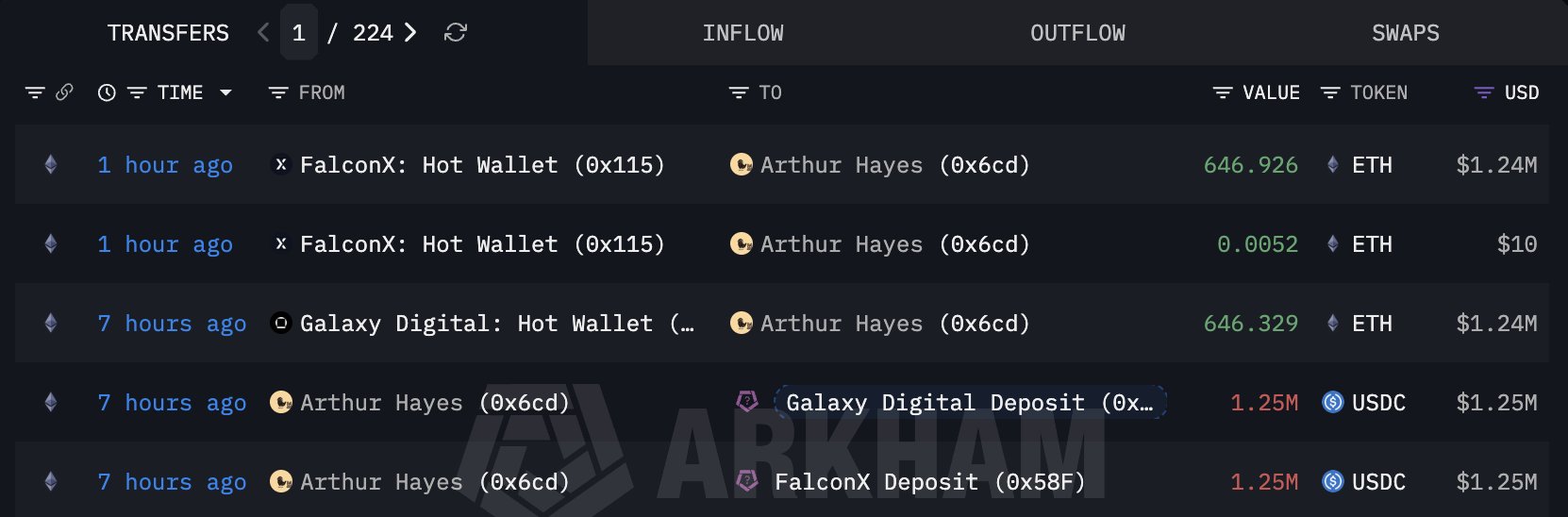
Arthur Hayes reinforced the Ethereum accumulation narrative after Lookonchain reported that he purchased 1,293 ETH worth approximately $2.48 million.
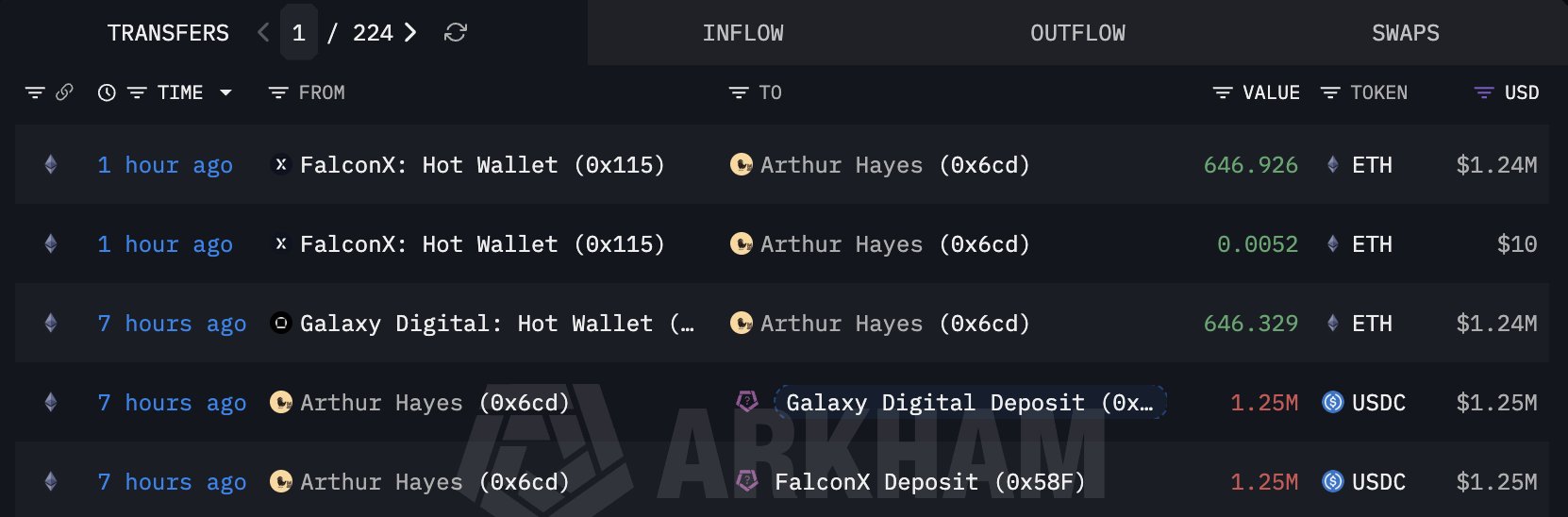
The transaction followed another notable move, where a separate whale transferred 21.3K ETH valued at about $40.95 million from Fidelity Custody into a newly created on-chain wallet.
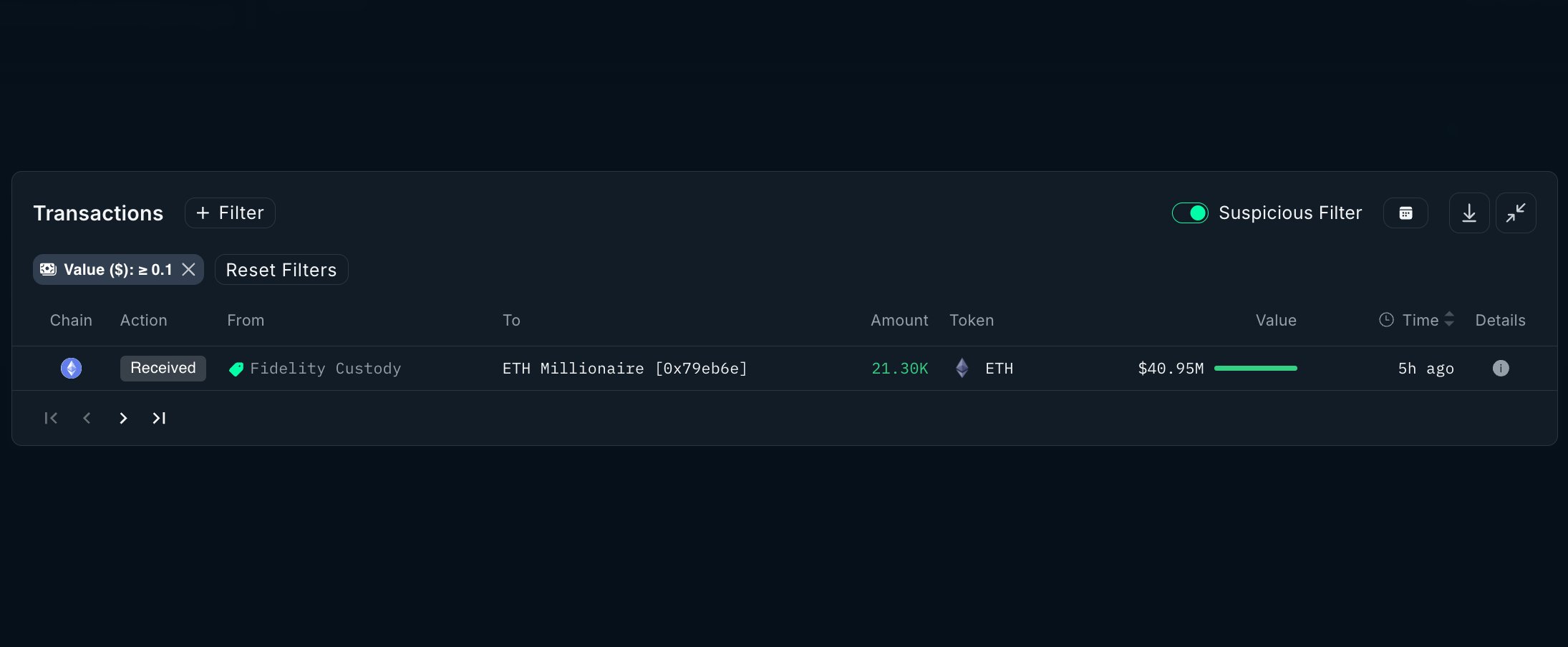
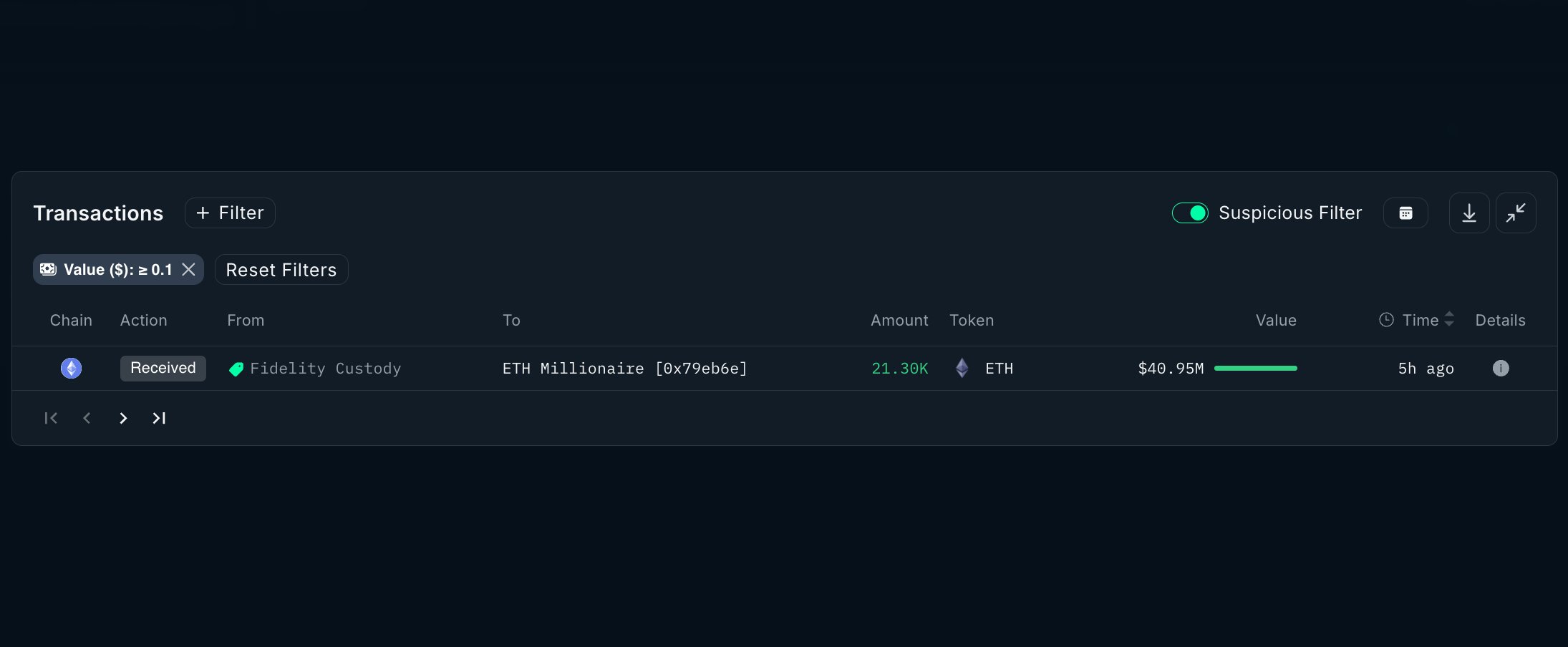
Rather than signaling exchange withdrawals, the transfer reflected capital moving from traditional institutional custody onto decentralized rails.
This shift suggested the holder intended to deploy the assets on-chain or maintain direct custody.
Together, both transactions highlighted growing confidence among large investors despite Ethereum trading below the psychological $2,000 barrier.
Exchange flows stayed mixed despite outflow trend
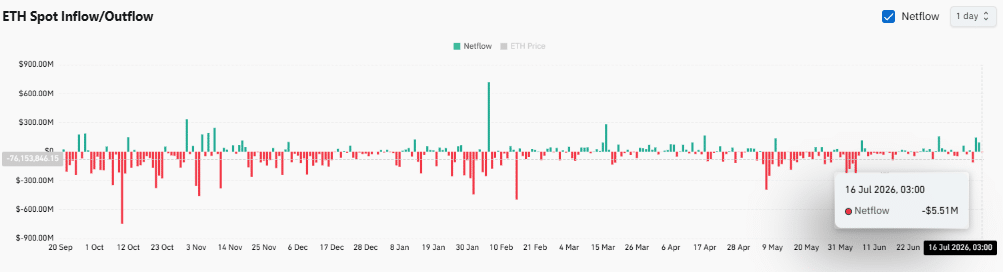
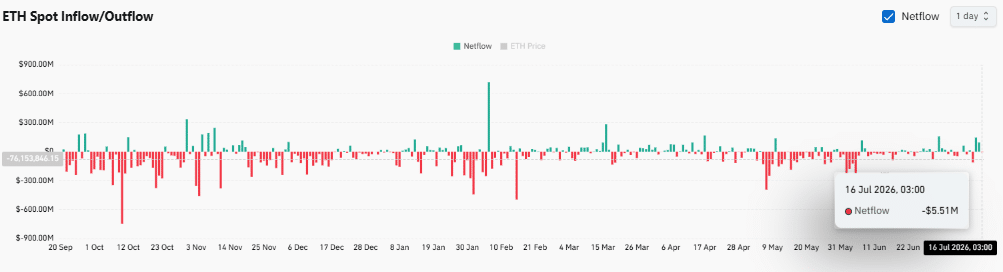
Ethereum’s spot Netflow data painted a mixed short-term picture while preserving a broader accumulation backdrop.
The latest daily reading showed a net inflow of approximately $5.51 million on 16 July, indicating more ETH entered exchanges during that session.
Even so, the wider chart revealed that exchange outflows had dominated across most trading sessions over recent months, with repeated negative netflow spikes outweighing isolated inflow periods.
Those persistent outflows suggested investors had continued removing ETH from trading venues instead of preparing immediate sales.
Recent inflows therefore appeared limited within the broader trend rather than marking a structural shift in market behavior.
If exchange balances continue declining over time, available liquid supply would likely remain constrained, supporting Ethereum’s longer-term supply dynamics.
Whale-sized trades kept dominating spot activity
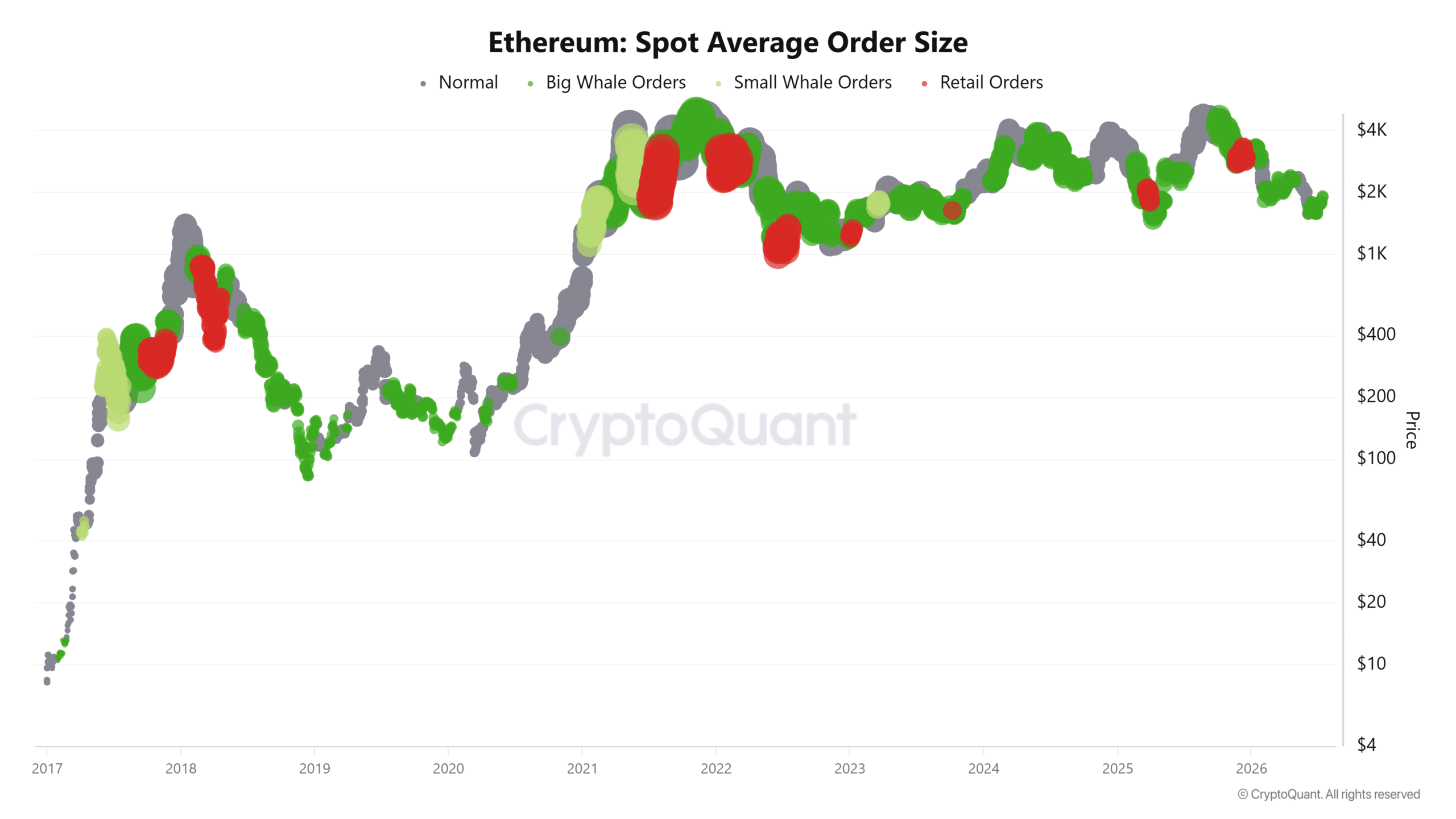
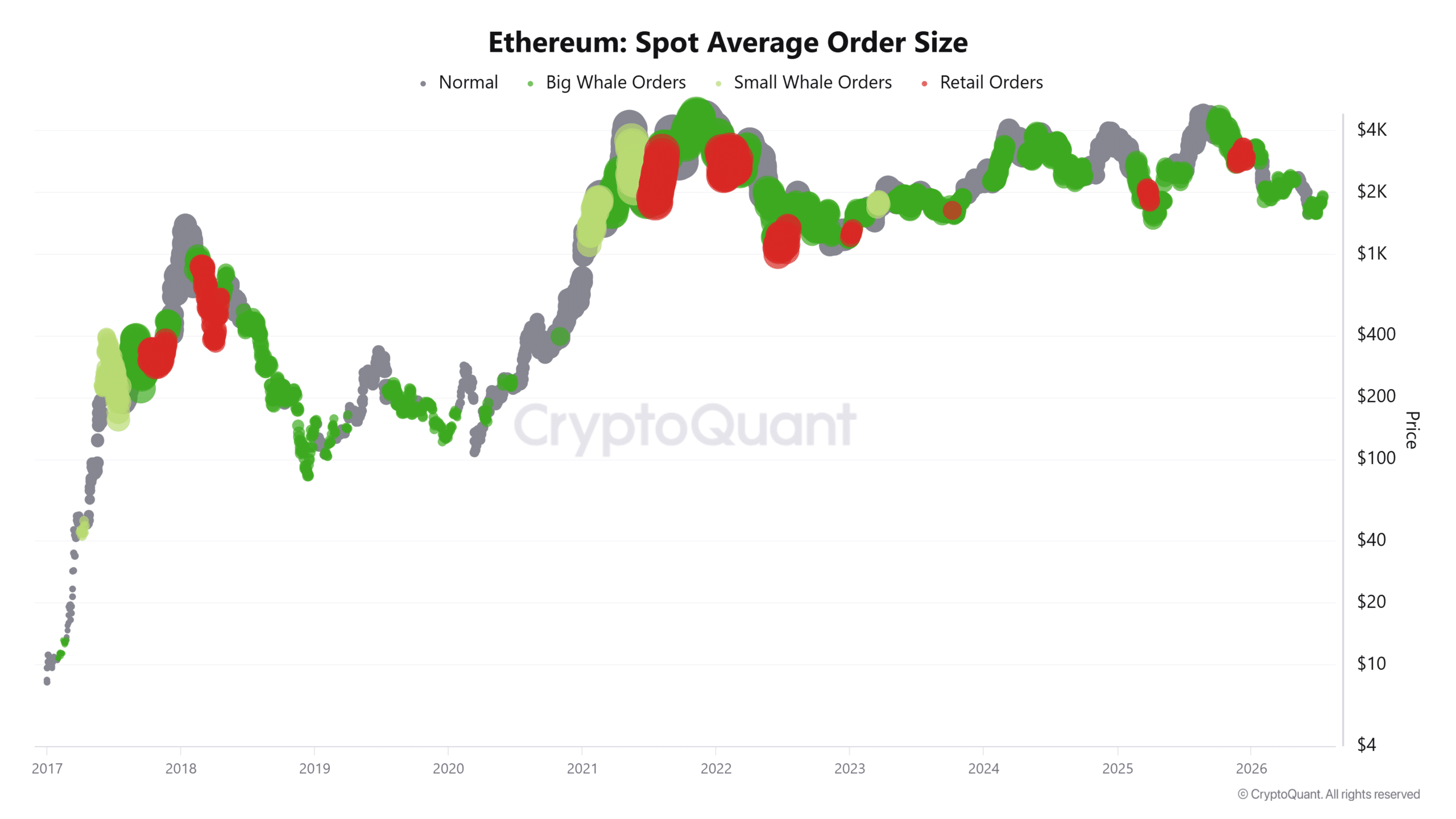
Spot Average Order Size remained inside the “Big Whale Orders” zone, confirming that large transactions continued dominating Ethereum’s spot market activity.
The indicator suggested institutional participants and high-net-worth investors accounted for a significant share of executed trades rather than retail-sized orders.
This reading aligned closely with the latest purchases from Arthur Hayes and the sizeable transfer from Fidelity Custody to a fresh wallet.
Instead of representing isolated transactions, the activity reflected a broader pattern of whale participation across the market.
Growing involvement from large buyers often improves market depth and reinforces confidence during recovery phases.
Even so, sustained accumulation would still require consistent follow-through before translating into a decisive breakout above key resistance levels.
Can Ethereum finally reclaim $2,000?
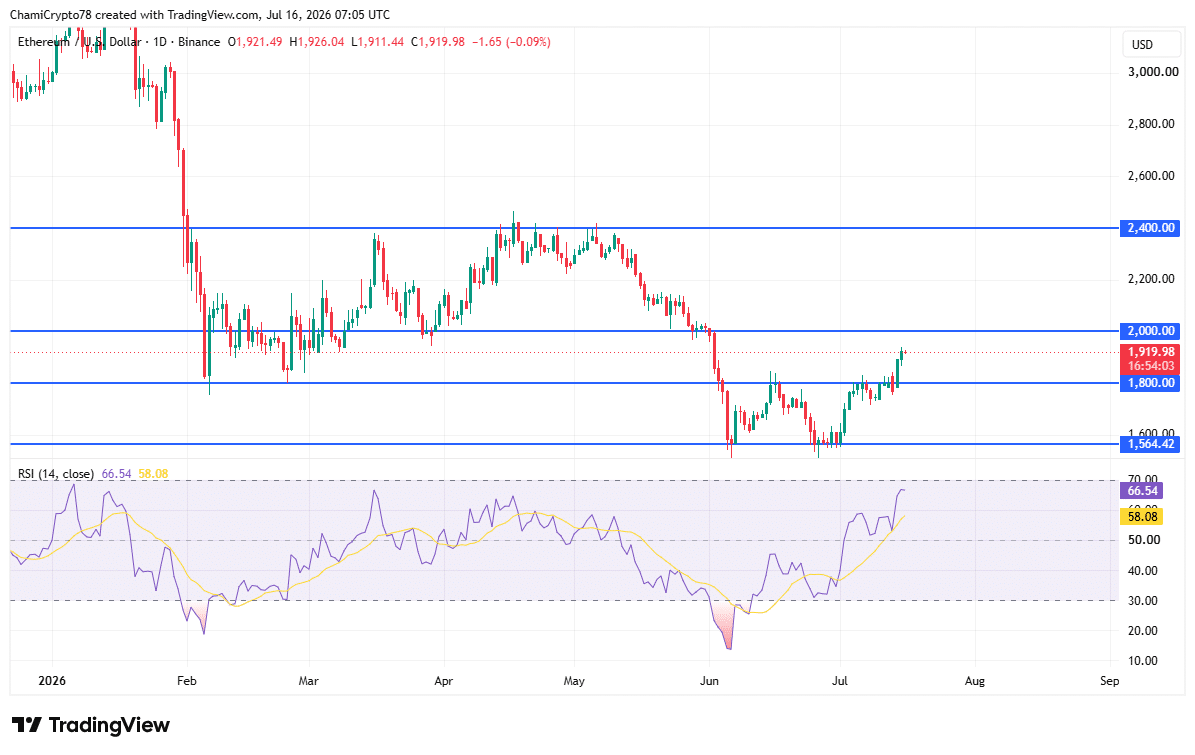
At the time of analysis, Ethereum [ETH] traded near $1,920 after recovering strongly from its early-June low around the $1,564 support level.
Buyers steadily pushed price toward the major $2,000 resistance, although that barrier continued capping advances during the latest session.
The Relative Strength Index climbed to 66.54, while its moving average stood near 58.08. Those readings showed strengthening buying interest without entering overbought territory above 70.
Price also formed higher lows throughout July, reflecting improving market structure after the sharp correction.
Even so, the latest candle closed slightly lower, indicating buyers encountered resistance as ETH approached $2,000.
If bulls reclaimed that level, price could challenge the next resistance near $2,400. Otherwise, another rejection could draw ETH back toward the $1,800 support before another recovery attempt.
To sum up, Ethereum’s latest whale activity strengthened the broader accumulation narrative instead of weakening it.
Institutional capital continued shifting onto decentralized rails, while large spot orders remained dominant across the market.
Although the $2,000 resistance still requires confirmation, the improving technical structure suggested buyers could attempt another breakout if accumulation persists and demand continues supporting price.
Final Summary
- Whale accumulation and institutional wallet activity continued supporting Ethereum’s improving market structure.
- ETH approached $2,000 as buying strength increased, though resistance remained firmly intact.