Airdrops Rewarded 'Farmers' but Killed the Real Community
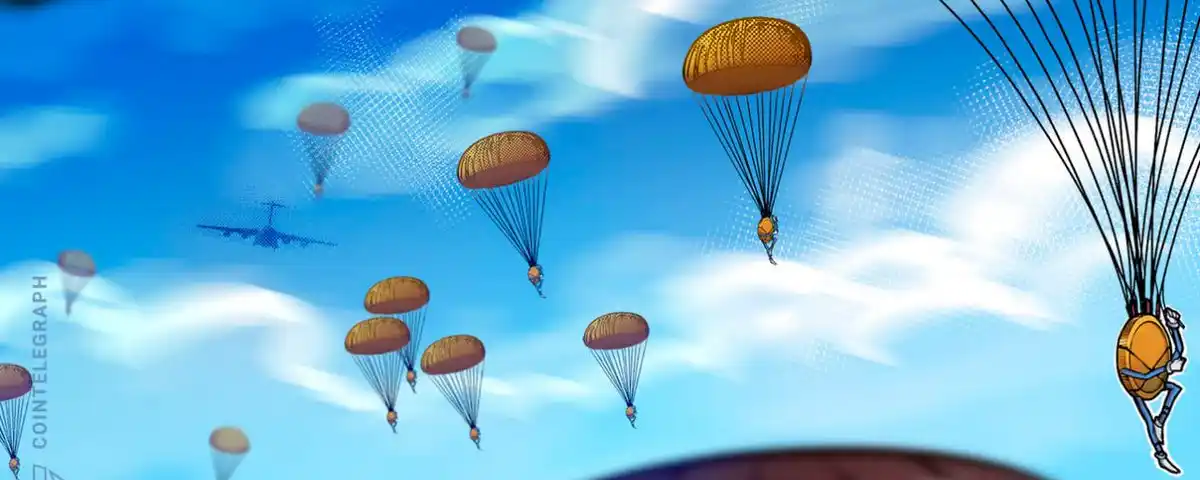
Token airdrops, intended to build communities, have instead become mechanisms that train users to extract maximum value and exit quickly. This outcome stems from design flaws in the 2021–2024 token distribution model: low float, high fully diluted valuations, points programs that reward activity over intent, and eligibility rules easily reverse-engineered by those with time and scripting skills. As a result, rational behavior shifted to mass wallet creation, simulated engagement, and immediate selling.
Points programs exacerbate this issue, turning participation into a resource-intensive competition that marginalizes genuine users. Teams are aware of wallet clustering and disproportionate token accumulation but continue the model for short-term growth. Consequently, airdrops lose credibility, with significant supply reserved for immediate sell-offs at launch.
In response, token sales and ICOs are returning—not out of nostalgia but as a structural correction. New distribution methods incorporate screening mechanisms like identity and reputation signals, on-chain behavior analysis, jurisdictional limits, and allocation caps. These aim to distribute tokens to long-term users rather than mercenaries.
This shift highlights a tension between permissionless ideals and practical needs for access control. Privacy-preserving identity systems are becoming essential infrastructure to verify user attributes without exposing identities, avoiding a binary choice between open but exploitable systems and restrictive ones.
Wallet limitations—fragmentation, weak recovery, blind signing, and browser-based vulnerabilities—also contribute to these challenges. Forward-thinking teams are integrating identity, wallet, and token distribution into a cohesive system where users can prove uniqueness without revealing identity and maintain control without fragile private keys.
The goal is not exclusivity but better alignment: fewer committed participants are more valuable than many indifferent ones. Projects aligned with human values show better retention, governance engagement, and market resilience. Successful teams will treat token distribution as infrastructure, design for adversarial environments, use identity protectively, and embrace well-designed friction.
The failure of airdrops lies not in user greed but in rewarding it. To grow beyond its current audience, crypto must stop training people to extract value and instead give them reasons to belong.
marsbit03/25 08:24