Indepth Research

Provide in-depth research reports and independent analysis, leveraging data, technology, and economic insights to deliver a comprehensive examination of the blockchain ecosystem, project potential, and market trends.

A Detailed Explanation of Tempo Chain and MPP Machine Payments Protocol

The global payment system is undergoing structural transformation, driven by the explosive growth of stablecoins and the rise of the AI agent economy. This creates a pressing need for next-generation payment infrastructure. AI agents have five core payment requirements: autonomy, micro-payments, high frequency, interoperability, and atomic settlement. Tempo, a payment-native blockchain by Commonware, addresses these needs. It features the Simplex BFT pipelined consensus for sub-second finality, dedicated block space, a stablecoin-native gas mechanism, and the Machine Payments Protocol (MPP) for end-to-end autonomous payments. Its technical architecture is payment-optimized. Key innovations include: - **Simplex BFT Consensus:** A pipelined design reducing confirmation latency to one network round-trip (1Δ). - **BLS Aggregate Signatures:** Minimizes bandwidth and computational overhead. - **Parallel Transaction Execution:** Enabled by custom EIP-2718 transaction types and an expiring nonce system. - **Dedicated Payment Lanes:** Protocol-reserved block space to shield payments from network congestion. - **Stablecoin-Native Design:** Stablecoins are first-class citizens for gas and on-chain exchange. MPP, co-designed with Stripe, is an open standard like "OAuth for payments." It enables AI agents to pay autonomously via a standardized HTTP challenge-response flow. Its core innovation is a session mechanism for efficient, continuous resource consumption without per-action on-chain confirmations. MPP is payment-rail agnostic, supporting various networks like Tempo, Stripe, and Lightning. Application scenarios include cross-border corporate settlements, 24/7 tokenized deposit clearing, commercially viable micro-payments, and autonomous AI agent transactions. Compared to rivals like Circle's Arc and Stable, Tempo differentiates through its EVM compatibility and Stripe partnership. Versus general-purpose chains like Ethereum L2s and Solana, Tempo's advantage lies in its payment-semantic native design, not just superior performance. The success of autonomous AI payments hinges on resolving regulatory uncertainty around agent identity and compliance. Tempo's core contribution is rethinking payment infrastructure at the protocol level, focusing on precision in payment semantics, pluggable compliance, and agent authorization models.

marsbit04/07 13:31
A Detailed Explanation of Tempo Chain and MPP Machine Payments Protocol

marsbit04/07 13:31

The Small-Town Youth Labeling AI Giants

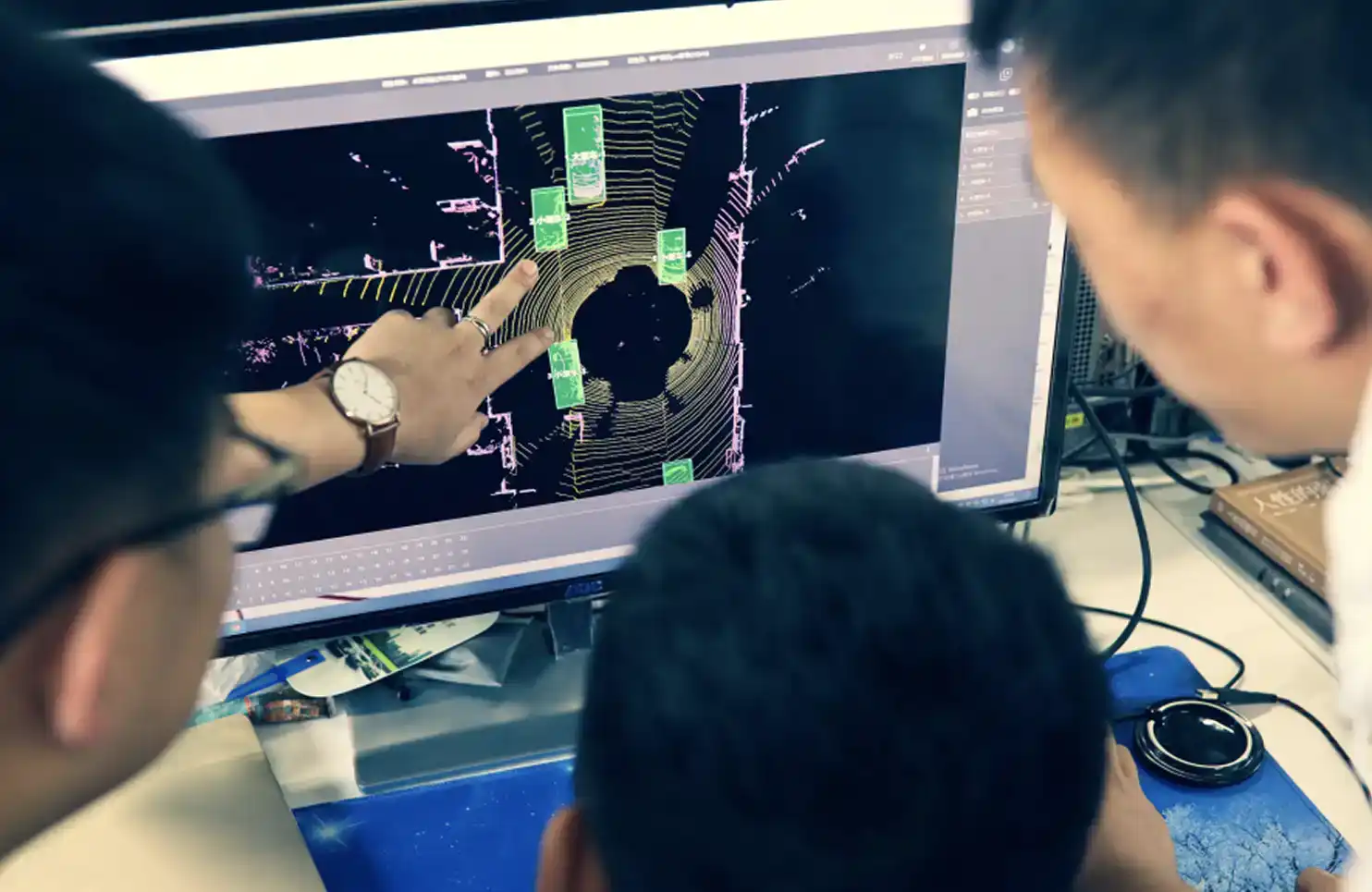
In China's hinterland cities like Datong, Shanxi, thousands of young people are working as data annotators—the invisible workforce behind AI development. They perform repetitive tasks like drawing bounding boxes on images or rating AI-generated responses, earning piece-rate wages as low as a few cents per task. These workers, mostly from rural areas or small towns, endure intense labor conditions: strict monitoring, high error tolerance thresholds, and mental exhaustion. Despite the cognitive nature of their work, they are often paid meager salaries, with some earning as little as ¥30 ($4) for a day’s work. As AI industry evolves, even highly educated workers—including master’s graduates—are being drawn into similar precarious freelance roles, evaluating complex AI outputs under vague and shifting standards. Yet the industry is structured through layers of outsourcing, where most profits flow to tech giants like OpenAI and Microsoft, while annotators see dwindling incomes. Worse, as AI models become more self-sufficient, the demand for human annotators is declining. Companies like Li Auto have slashed annotation costs by using AI-powered tools that complete in hours what used to take humans years. These annotators, who helped train the very systems now replacing them, face an uncertain future—a stark contrast to the booming valuations and optimistic narratives of the global AI industry. No one seems to see a problem with any of this.

marsbit04/07 04:37

The Small-Town Youth Labeling AI Giants

marsbit04/07 04:37

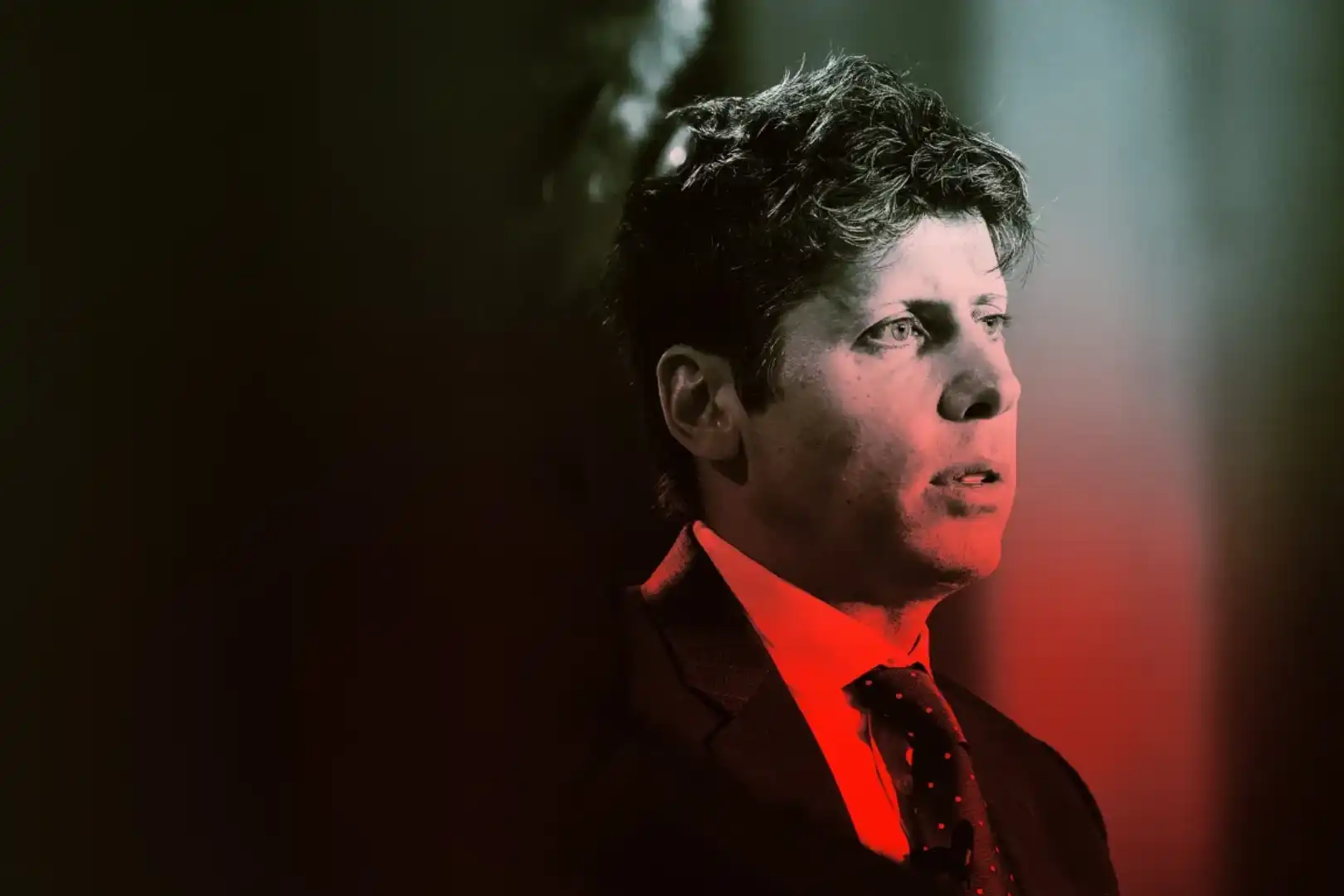
The New Yorker In-Depth Investigation Analysis: Why Do OpenAI Insiders Believe Altman Is Untrustworthy?

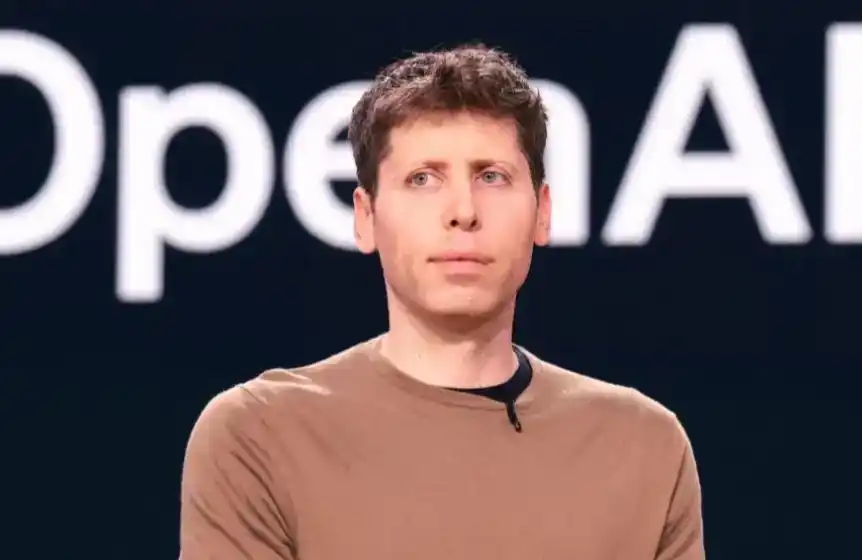
"The New Yorker investigation, based on internal documents and interviews with over 100 sources, reveals deep internal distrust in OpenAI’s leadership, particularly toward CEO Sam Altman. Key allegations include a pattern of dishonesty, undermining safety protocols, and prioritizing commercial interests over OpenAI’s original non-profit mission to develop AI safely. Chief Scientist Ilya Sutskever compiled a 70-page dossier accusing Altman of repeatedly lying to the board—for instance, falsely claiming GPT-4 features had passed safety reviews. Anthropic co-founder Dario Amodei’s private notes further detail how Microsoft’s investment deal effectively neutered OpenAI’s safety commitments. The report also highlights unfulfilled promises, such as allocating only 1-2% of promised computing resources to critical safety teams. Internal conflicts extend to CFO Sarah Friar, who opposed Altman’s aggressive IPO timeline amid financial concerns. Microsoft executives compared Altman to fraudsters like SBF, citing a tendency to distort facts and renege on agreements. Critics argue that Altman’s unchecked authority and alleged disregard for transparency pose significant risks given OpenAI’s powerful, potentially dangerous AI technology. The company’s transformation from a safety-first non-profit to a profit-driven entity raises fundamental questions about its governance and ethical commitments."

marsbit04/07 03:40

The New Yorker In-Depth Investigation Analysis: Why Do OpenAI Insiders Believe Altman Is Untrustworthy?

marsbit04/07 03:40

70-Page Confidential Document's First Allegation: 'Lying', Altman Told the Board 'I Can't Change My Character'

In a major investigation, Pulitzer winner Ronan Farrow and Andrew Marantz reveal two previously undisclosed documents: a ~70-page confidential file compiled by former OpenAI chief scientist Ilya Sutskever and over 200 pages of internal notes by Anthropic CEO Dario Amodei from his time at OpenAI. Sutskever’s file, which opens with the accusation that Sam Altman exhibited a "pattern of lying," alleges he misled executives and the board on safety protocols and corporate matters. Amodei’s notes similarly claim “the problem at OpenAI is Sam himself,” citing instances like Altman denying agreed-upon terms in Microsoft’s $1 billion deal. Key revelations include: - No written report was produced from the post-reinstatement independent investigation into Altman. - OpenAI’s superalignment team received only 1-2% of the promised computing resources, mostly on outdated clusters. - In 2018, executives considered a "National Plan" to auction AI tech to nations including China and Russia. - Microsoft executives expressed strong distrust toward Altman, with one comparing his risk profile to figures like Bernie Madoff. During a board call after his firing, Altman reportedly said, "I can’t change my personality," which a director interpreted as an admission of persistent dishonesty. Altman denies intentional deception, attributing his behavior to "well-intentioned adaptation" and conflict avoidance.

marsbit04/06 14:24

70-Page Confidential Document's First Allegation: 'Lying', Altman Told the Board 'I Can't Change My Character'

marsbit04/06 14:24

活动图片