Industry News

Tracks company news, strategic changes, funding activities, and personnel adjustments across the blockchain and crypto industries, delivering a full-spectrum industry overview for our users.

Top 10 AI Models Speak Out: What Do Crypto Users Care About Most in 2025?

This article summarizes the top concerns of cryptocurrency users in 2025, as predicted by 10 major AI models. The models were asked to identify the three most common questions users would have about crypto in 2025, with instructions to avoid real-time searches and base answers on long-term discussion patterns. The responses, while varied, cluster around three core themes: market cycles, profit opportunities, and risk management. Key recurring questions include: - The current market phase (bull or bear) and how long it will last. - Bitcoin's price trajectory post-halving and the market's peak. - Where to find profitable opportunities (alpha) and the best assets or sectors to invest in (e.g., RWA, AI+Crypto, L2s, Solana). - The impact of regulatory changes and ETF approvals on the market and asset safety. - How to identify scams, assess project legitimacy, and securely store assets. - Practical on-chain concerns like avoiding MEV and setting slippage. The analysis notes that the models' different focuses reflect their design and user base. For instance, ChatGPT framed questions around a structured narrative of market anxiety, while Kimi addressed granular technical issues. More capable models tended to provide sharper, more specific questions, while others fell back on broader, common themes. Overall, the collective output reveals a user mindset focused on first gauging market trends, then seeking alpha, and finally mitigating risks.

比推12/24 06:50

Top 10 AI Models Speak Out: What Do Crypto Users Care About Most in 2025?

比推12/24 06:50

The Trillion-Dollar Stablecoin War: Binance Decides to Re-enter the Fray

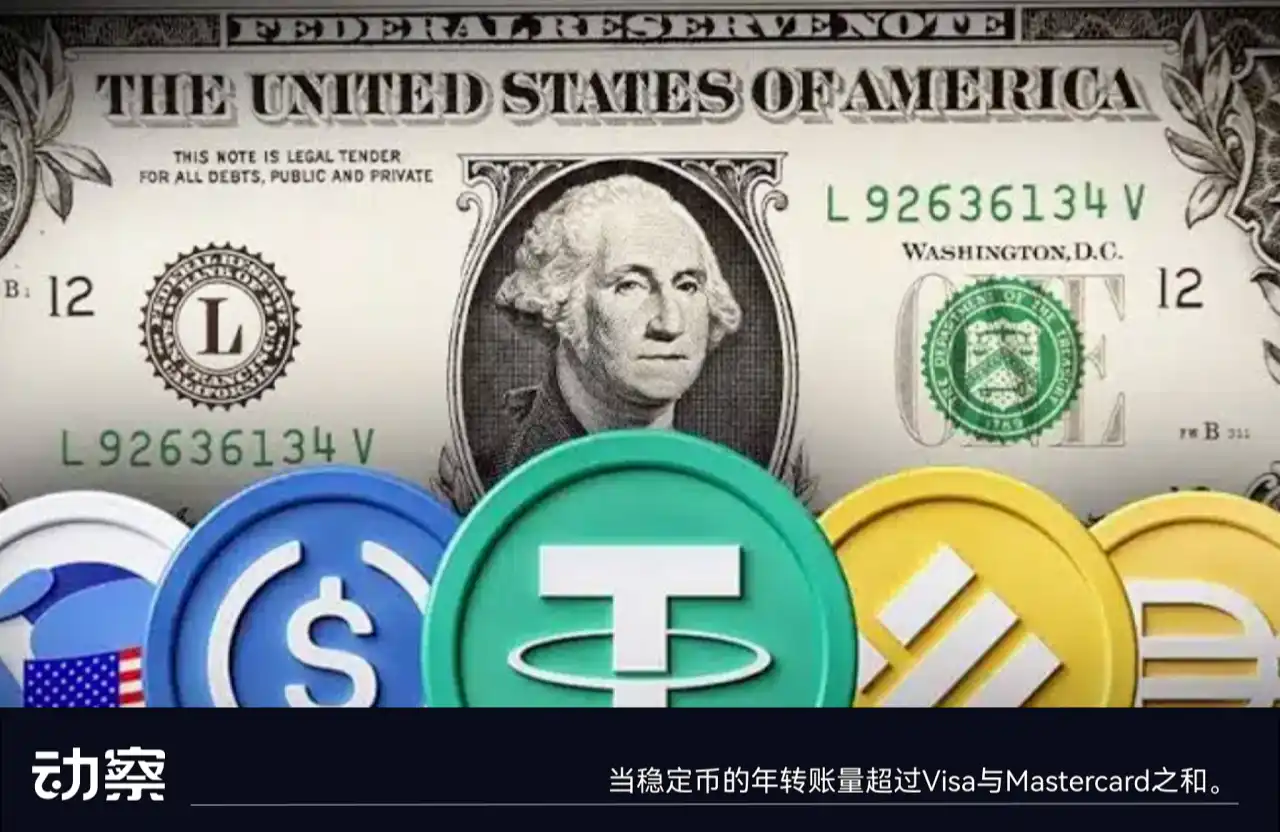
The stablecoin market, with $27.6 trillion in on-chain transfers in 2024, has surpassed the combined volume of Visa and Mastercard. This marks a shift from a niche crypto product to a critical piece of global financial infrastructure. The article outlines the evolution of stablecoins. The 1.0 era was defined by first-mover advantage and passive monopolies. Tether's USDT dominates with a 60% market share, while Circle's USDC, despite its compliance focus, faced a crisis during the 2023 Silicon Valley Bank collapse, proving that network effect is the ultimate moat. Binance's journey reflects this competitive landscape. Its first stablecoin, the regulated BUSD, was shut down by U.S. regulators in 2023. It then pivoted to supporting FDUSD and has now taken a strategic stake in a new model with the launch of $U. Unlike traditional stablecoins, $U is a "stablecoin ETF" or "套娃" (nesting doll), backed by a basket of existing stablecoins: USDT, USDC, and the politically-connected USD1 from the Trump family. USD1's rapid growth, including a $2 billion investment into Binance from an Abu Dhabi fund, highlights a new dimension: stablecoins. The article argues that stablecoins are no longer just financial tools but vehicles for political capital and a new front in the battle for monetary influence, as evidenced by the U.S. passing the GENIUS Act to establish a federal regulatory framework. The "nesting doll" structure of $U aims to mitigate single-point risks (e.g., USDT's opacity, USDC's banking risk, USD1's political ties) and aggregate liquidity. However, it also creates a potential chain of risk contagion. The competition has moved from a solo fight for survival (1.0) to an era of alliances and aggregation (2.0), where the key is who can build the largest coalition. With giants like PayPal and Ripple entering the fray, the battle for the future of digital dollars is intensifying, and its outcome will have profound implications for the global financial system.

marsbit12/24 06:11

The Trillion-Dollar Stablecoin War: Binance Decides to Re-enter the Fray

marsbit12/24 06:11

Where Did the $362 Million Go? Hyperliquid Counters FUD, A Decentralization Route Debate Behind the Reconciliation

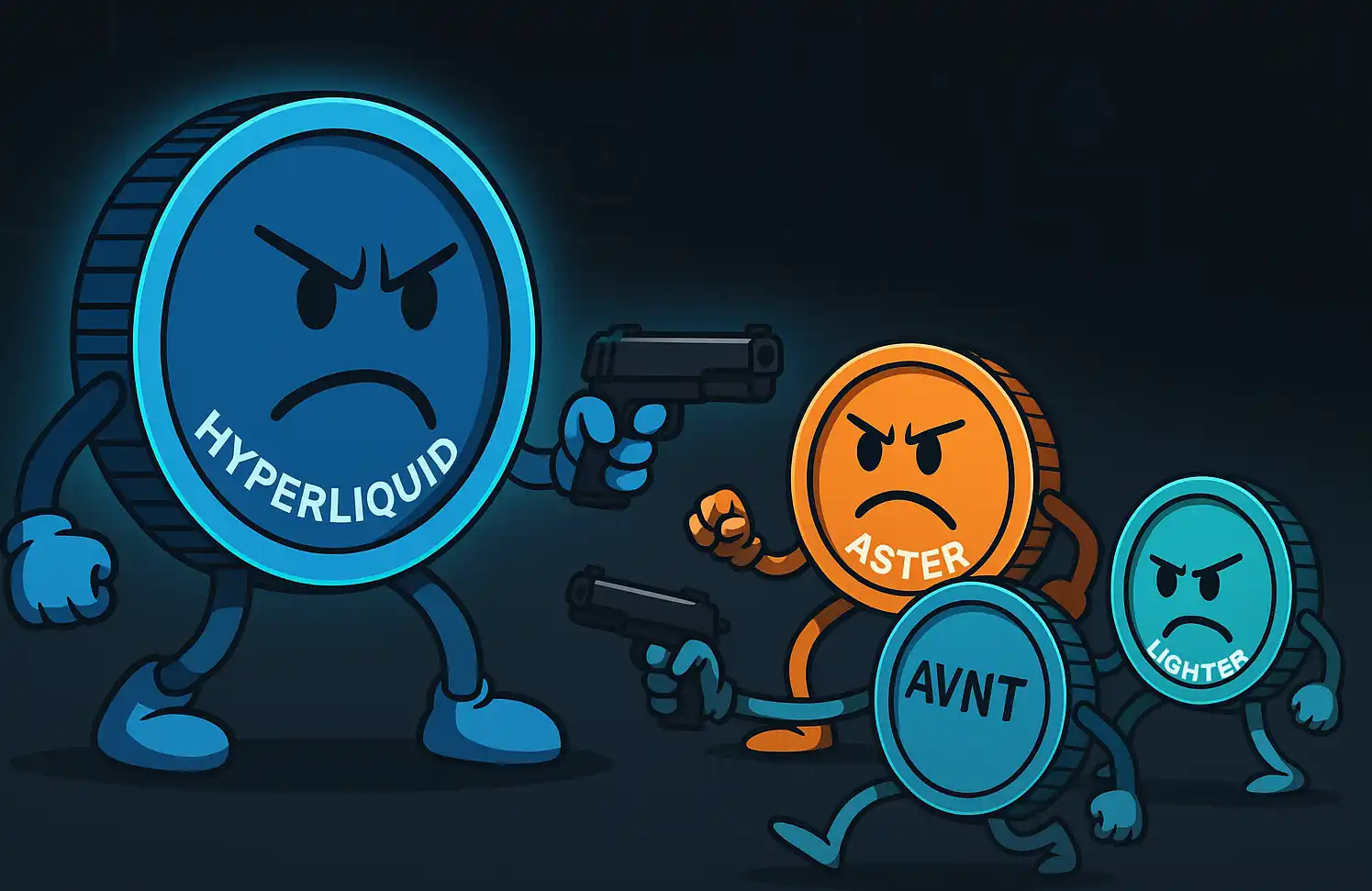
A technical report published on December 20, 2025, accused Hyperliquid, a decentralized exchange, of multiple severe issues—including insolvency and a "God mode backdoor"—claiming it was a centralized platform disguised as a blockchain. Hyperliquid issued a detailed response refuting the claims. The most serious allegation—a $362M shortfall in user funds—was debunked. The discrepancy arose because the accuser overlooked native USDC on HyperEVM during Hyperliquid’s transition from an L2 to an independent L1. Total reserves across Arbitrum and HyperEVM matched user balances. Other accusations were partially addressed: some code was testnet-related, limited broadcast nodes were an anti-MEV measure, and chain freezes were part of upgrade procedures. However, Hyperliquid did not fully respond to claims about unqueryable governance proposals and a lack of a cross-chain "escape hatch" for withdrawals. The exchange also compared itself to competitors like Lighter and Aster, criticizing their reliance on centralized sequencers and lack of transparency, while highlighting its own fully on-chain state verification. Additionally, Hyperliquid addressed community concerns about insider trading, attributing significant short selling to a former employee. The incident underscores broader challenges in DeFi transparency as protocols grow more complex, emphasizing the crypto mantra: "Don’t trust, verify."

marsbit12/24 02:55

Where Did the $362 Million Go? Hyperliquid Counters FUD, A Decentralization Route Debate Behind the Reconciliation

marsbit12/24 02:55

活动图片