Autor: George Sivulka
Compilación: Deep Tide TechFlow
Guía de Deep Tide: La IA ha multiplicado por 10 la productividad individual, pero ninguna empresa vale 10 veces más por ello. George Sivulka, inversor de a16z (y también fundador de la empresa de IA Hebbia), cree que el problema no está en la tecnología en sí, sino en que las organizaciones no se han reestructurado. Propone siete dimensiones para distinguir la "IA a nivel institucional" de la "IA a nivel personal"—coordinación, señal, sesgo, ventaja en el margen, orientación a resultados, empoderamiento y sin prompts—esencialmente diciendo: no basta con cambiar el motor eléctrico, hay que rediseñar toda la fábrica.
Texto completo a continuación:
La IA acaba de multiplicar por 10 la productividad de cada persona.
Ninguna empresa vale 10 veces más por ello.
¿A dónde se fue la productividad?
No es la primera vez que pasa.
En la década de 1890, la electricidad prometía enormes ganancias de productividad.
Las fábricas textiles de Nueva Inglaterra, construidas originalmente en torno a la potencia rotativa del vapor, pronto reemplazaron las máquinas de vapor por motores eléctricos más rápidos.
Pero durante treinta años enteros, las fábricas electrificadas apenas aumentaron su producción. La tecnología iba muy por delante. Pero la organización no la seguía.
No fue hasta la década de 1920, cuando las fábricas rediseñaron por completo las líneas de producción—líneas de ensamblaje, motores independientes en cada equipo, trabajadores y máquinas realizando tareas completamente diferentes—que la electrificación produjo rendimientos reales.
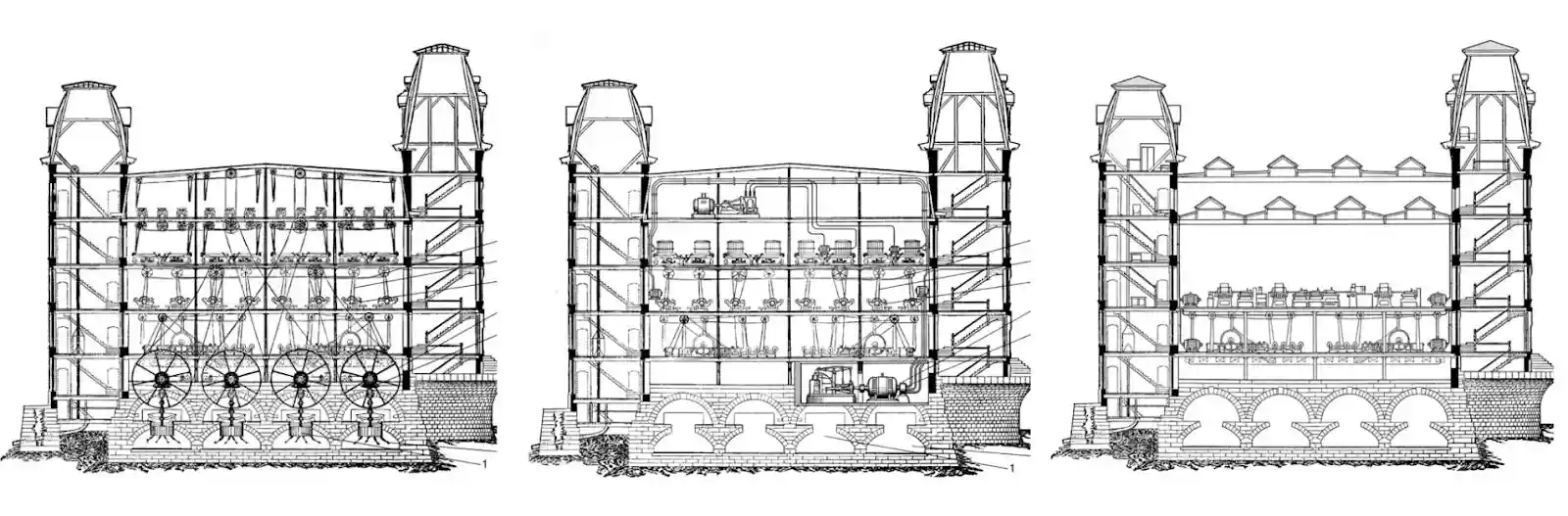
Leyenda de la imagen: Tres evoluciones de la fábrica textil Lowell. De izquierda a derecha: Fábrica de energía de vapor de 1890, fábrica de accionamiento eléctrico de 1900, fábrica de "accionamiento por celdas" de 1920 (es decir, reconstruida desde cero como línea de ensamblaje eléctrica).
El retorno no vino de la tecnología en sí, ni de hacer que un solo trabajador o máquina hilara más rápido. Llegó cuando finalmente rediseñamos la institución y la tecnología juntas.
Es la lección más cara de la historia de la tecnología, y ahora estamos repitiendo esa lección.
En 2026, la IA está aportando un aumento de productividad de 10 veces para quienes saben aprovecharla. Pero no es suficiente. Cambiamos el motor eléctrico, pero aún no hemos rediseñado la fábrica.
Por un simple hecho: individuos eficientes no equivalen a organizaciones eficientes.
La gran mayoría de los productos de IA dan la sensación de "eficiencia", pero no impulsan valor real. La mayor parte de los casos de uso de IA que ves, son "eficiencia máxima" auto-complaciente de individuos en Twitter o en el Slack de la empresa, con un impacto real cero.

La repetida narrativa del "servicio como software" del último año va en la dirección correcta, pero no da un plan. Y se pierde el panorama general. La verdadera transición no es de herramienta a servicio, sino construir la tecnología y la institución juntas (ya sea reformando lo viejo o empezando de cero). Un futuro verdaderamente eficiente necesita una categoría completamente nueva de productos—las líneas de ensamblaje del mañana.
Las organizaciones eficientes necesitan "inteligencia a nivel institucional".
Este artículo profundizará en las siete dimensiones que diferencian la "IA institucional" de la "IA personal". Las empresas de todo el espacio B2B de IA de la próxima década se construirán sobre estas diferencias:
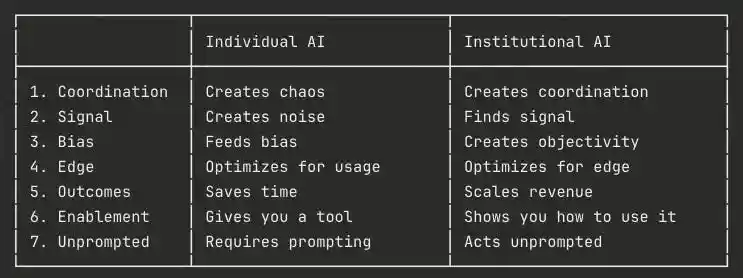
Leyenda de la imagen: Tabla comparativa de los siete pilares de la inteligencia institucional
Los siete pilares de la inteligencia institucional
1. Coordinación
La IA personal crea caos.
La IA institucional crea coordinación.
Primero, un experimento mental. Supón que mañana duplicas el número de personas en tu organización, clonando a tus mejores empleados.
Estos empleados tienen cada uno pequeñas diferencias, preferencias, peculiaridades y perspectivas (especialmente tus mejores empleados). Si no se gestionan adecuadamente, con comunicación insuficiente, división de responsabilidades, OKRs, límites de roles sin definir... creas caos.
Medido a nivel individual, la organización podría ser más eficiente. Pero miles de Agentes (o humanos) remando cada uno en su dirección, en sentidos opuestos, el mejor resultado es no moverse, el peor es destrozar la cohesión organizativa.
Esto no es una hipótesis. Cada organización que adopta la IA sin una capa de coordinación lo está experimentando ahora. Cada empleado tiene sus propios hábitos de uso de ChatGPT, su propio estilo de prompts, sus propios resultados—que no encajan en absoluto con los de los demás. El organigrama puede seguir ahí, pero el trabajo generado por la IA sigue de hecho otra línea.
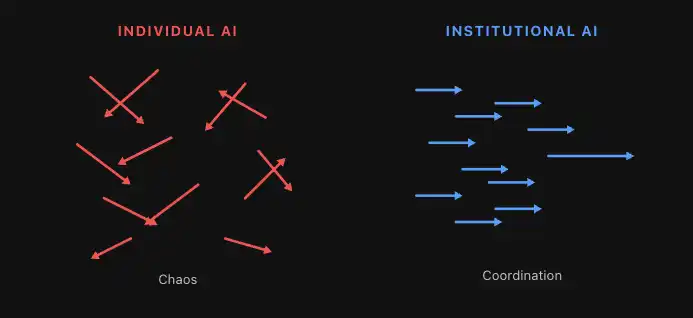
Leyenda de la imagen: Individuos (o Agentes) eficientes remando en direcciones diferentes. Sin coordinación, es caos.
La coordinación es una necesidad absoluta, tanto para humanos como para Agentes.
La inteligencia institucional dará lugar a toda una industria de "gestión de Agentes"—centrada en los roles y responsabilidades de los Agentes, la comunicación entre Agentes y entre Agentes y humanos, y cómo medir el valor de un Agente (cobrar por volumen no es ni de lejos suficiente).
2. Señal
La IA personal crea ruido.
La IA institucional encuentra la señal.
Hoy los humanos pueden crear—o generar—cualquier cosa imaginable: artículos escritos por IA, presentaciones, hojas de cálculo, fotos, videos, canciones, sitios web, software. Qué regalo tan maravilloso.
El problema es que la gran mayoría del contenido generado por IA es basura absoluta. La proliferación de basura IA es tan severa que algunas organizaciones están reaccionando exageradamente, prohibiendo directamente cualquier resultado de IA. Honestamente, yo me siento igual—dirijo una empresa de IA, pero exijo a mi equipo ejecutivo que no use IA en ningún producto de texto final. No soporto esa basura.
Piensa en cómo se está transformando la industria del Private Equity (capital privado). El año pasado, quizá recibías 10 oportunidades de negocio en tu mesa. Este año, el próximo trimestre recibirás 50 oportunidades, cada una pulida impecablemente por IA, y tu tiempo para evaluarlas es el mismo—tienes que encontrar la única que es sólida.
Generar cualquier cosa ya no es el problema. Para cualquier organización seria, el problema ahora es generar y cribar lo correcto. En un mundo impulsado por IA, encontrar ese único resultado bueno, ese único buen negocio, la señal en el ruido, se vuelve cada vez más crítico. El motor económico central de la próxima década será desenterrar la señal de la montaña de basura de crecimiento exponencial.
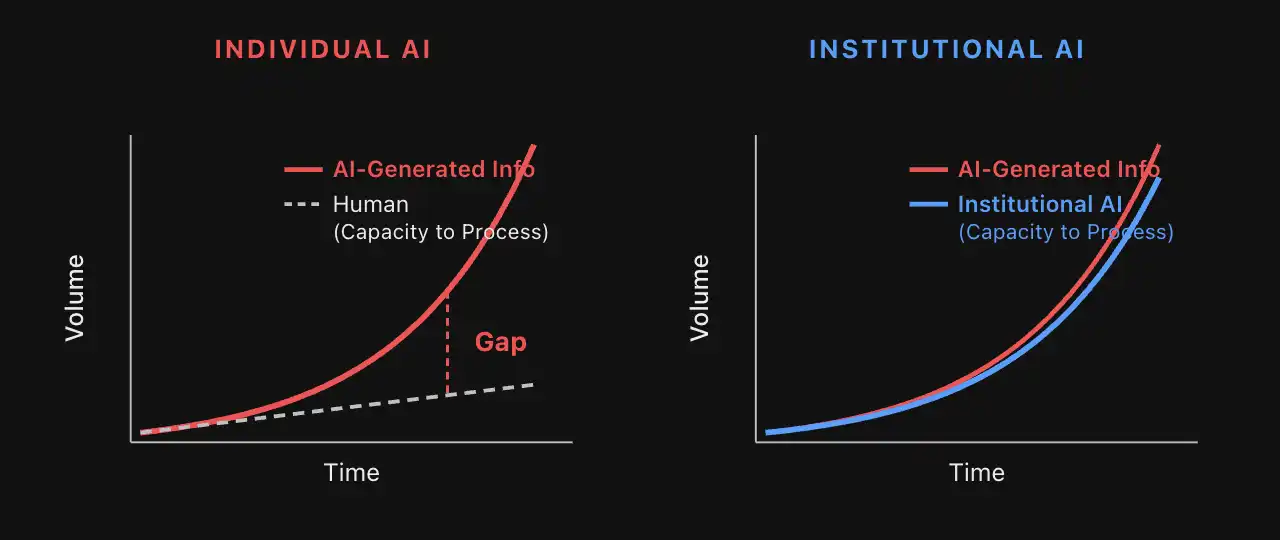
Leyenda de la imagen: La basura IA generada por herramientas de productividad personal se está multiplicando a velocidad exponencial. Los humanos ya no pueden clasificarla del ruido por sí mismos, necesitan una nueva clase de productos de IA institucional.
La inteligencia institucional debe encontrar la señal, debe estructurar el ruido para penetrar la basura, y debe ser definible, determinista y auditable en su funcionamiento.
La IA personal puede enfatizar la productividad "siempre activa" al estilo Clawdbot, satisfaciendo tus necesidades las 24 horas del día, los 7 días de la semana de manera impredecible—esencialmente Agentes no deterministas. La IA institucional, en cambio, depende de la fiabilidad de los Agentes deterministas. Los Agentes con puntos de control, pasos y procesos predecibles son los que pueden escalar, pueden descubrir la señal, y a través de esa señal impulsar retornos de ingresos para la organización.
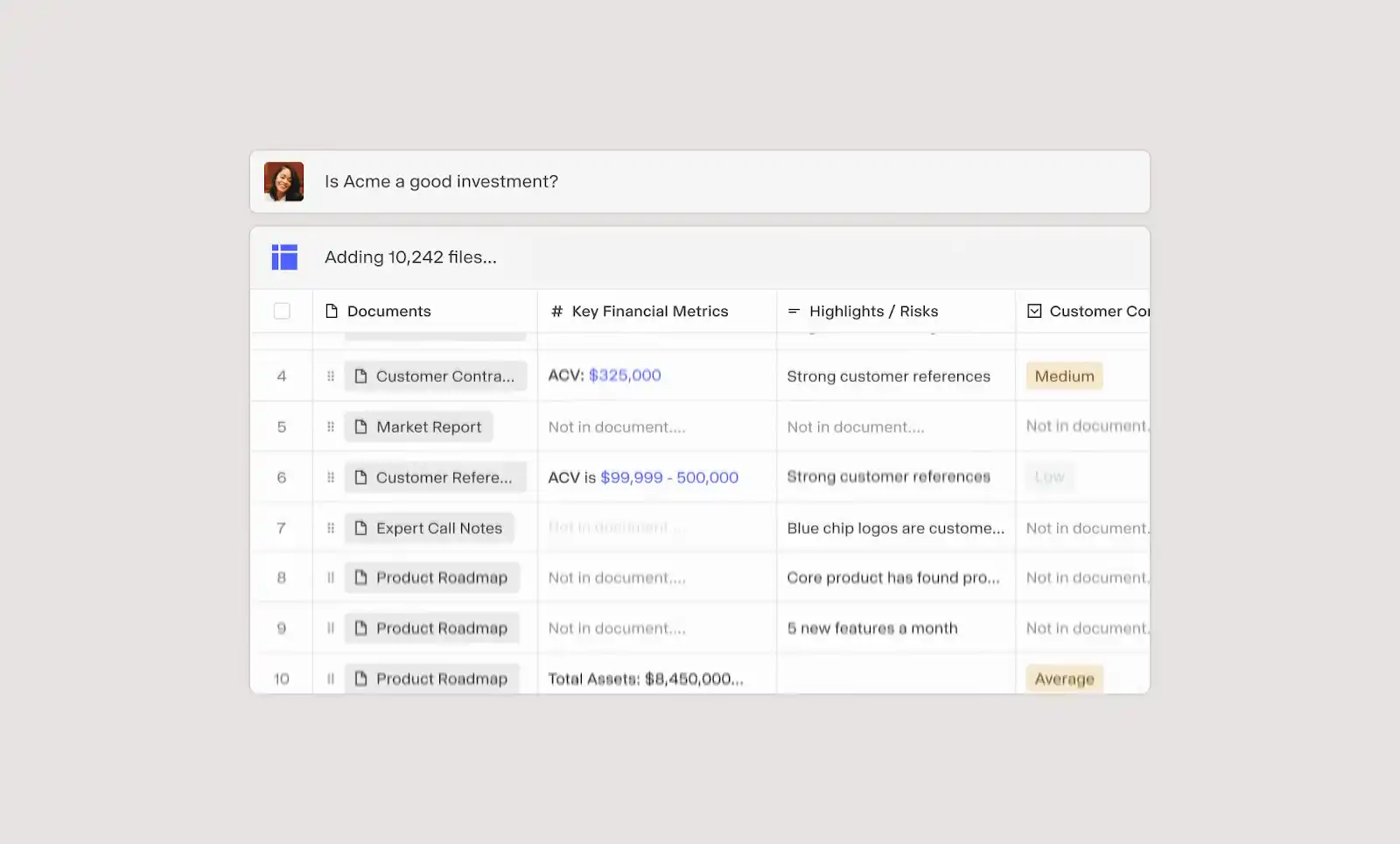
Leyenda de la imagen: Matrix es una herramienta que utiliza tecnología generativa para penetrar el ruido, abriendo así un mundo de Agentes deterministas y puntos de control.
3. Sesgo
La IA personal alimenta el sesgo.
La IA institucional crea objetividad.
El debate en torno a los sesgos sociopolíticos dominó el discurso de la IA durante años. Los laboratorios de modelos base finalmente sortearon el problema con suficiente Ajuste por Refuerzo con Retroalimentación Humana (RLHF), convirtiendo todos los modelos en aduladores. Hoy, ChatGPT, Claude y otros modelos están tan alineados que te darán la razón en cualquier tema dentro de la Ventana de Overton (a veces incluso traspasándola un poco, mirad a @Grok). El debate sobre el sesgo sociopolítico ha disminuido. Pero un nuevo problema ha tomado su lugar.
Esta conformidad excesiva con todo es ya ridículamente absurda. Se ha convertido en un meme en sí misma—ese reflejo condicionado de Claude de "¡Tienes toda la razón!", digas o no digas toda la razón.

Esto suena inofensivo. No lo es.
Muchas de las personas que más impulsan la IA en las organizaciones pronto podrían ser los empleados con peor desempeño de la historia. Piensa por qué.
El empleado con peor desempeño de la organización, que casi no recibe retroalimentación positiva a diario, pronto tendrá una IA (ASI) que lo aprueba en todo. Pensarán para sus adentros: 'La inteligencia más brillante de la historia está de acuerdo conmigo. Mi manager es el que está equivocado.'
Es adictivo. Y es tóxico para la organización.
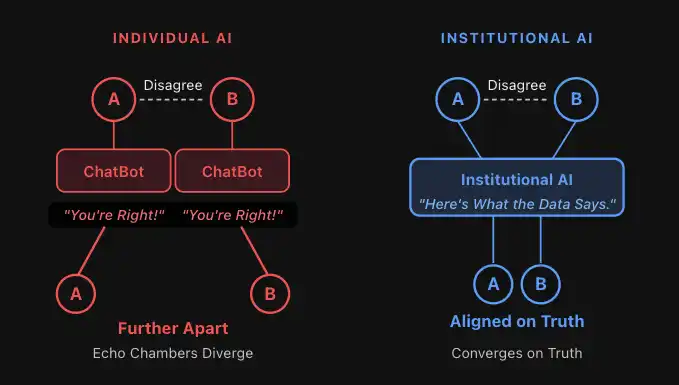
Leyenda de la imagen: La cámara de eco de la IA personal exacerba la división, alejando a dos personas, una dinámica que, al escalar, creará facciones dentro de una organización previamente cohesionada.
Esto revela algo importante. Las herramientas de productividad personal refuerzan al usuario. Pero lo que realmente debería reforzarse son los hechos.
Las organizaciones humanas, tras miles de años de evolución, han construido sistemas específicamente para combatir este problema:
- Reuniones del comité de inversiones
- Due diligence de terceros
- Juntas directivas
- La separación de poderes ejecutivo, legislativo y judicial del gobierno de EE.UU.
- La democracia representativa, y la democracia misma
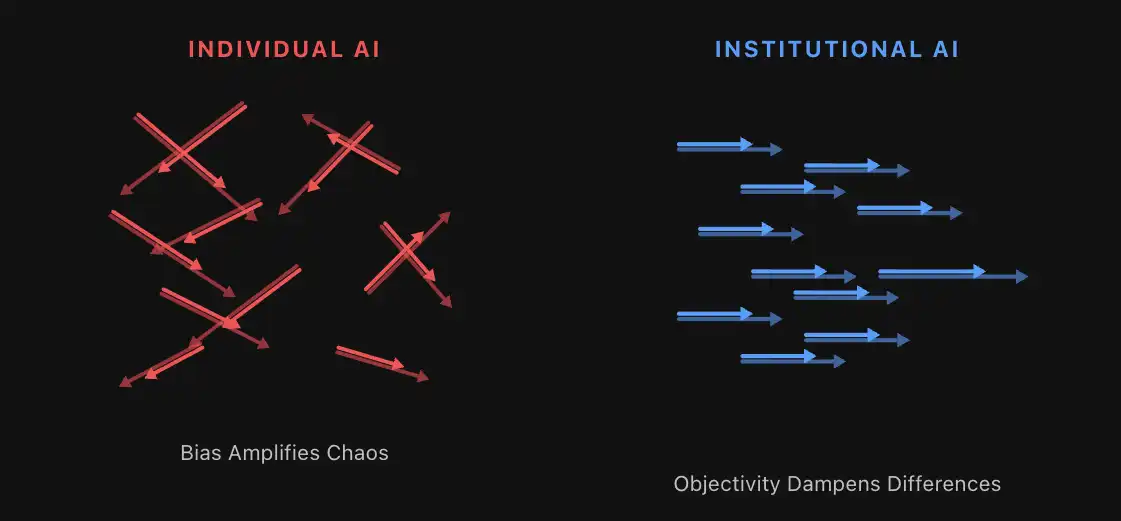
Leyenda de la imagen: La objetividad incluso puede mitigar el problema de coordinación—suprimiendo en lugar de amplificar las pequeñas divergencias.
Las organizaciones rara vez fracasan por falta de confianza de los empleados. Fracasan porque nadie está dispuesto o es capaz de decir "no".
La IA institucional debe desempeñar este papel. No estará ajustada por RLHF para complacer al usuario o sus creencias, sino para desafiar sus sesgos. Dar retroalimentación positiva cuando el comportamiento es eficiente, y trazar líneas duras, forzar correcciones cuando se desvían.
Por lo tanto, el Agente más importante dentro de una organización no será un "sí-man", sino un "vetador" disciplinado—que cuestione el razonamiento, exponga riesgos, ejecute estándares. Algunas de las aplicaciones de IA más influyentes del futuro se construirán en torno a restricciones institucionales: miembros de la junta directiva IA, auditores IA, pruebas de terceros IA, cumplimiento IA...
4. Ventaja en el margen
La IA personal optimiza el uso.
La IA institucional optimiza la ventaja en el margen.
La frontera de capacidades de la IA se mueve semanalmente, incluso diariamente. Las empresas de modelos base, compitiendo por cada persona y cada organización, iteran rápidamente en capacidades.
Pero el clásico dilema del innovador nos dice que, en aplicaciones específicas, la profundidad siempre vence a la amplitud:
- @Midjourney trabaja para mantenerse ligeramente por delante en el diseño de imágenes.
- @Elevenlabsio trabaja para mantenerse ligeramente por delante en modelos de voz.
- @DecagonAI trabaja para estar siempre por delante en la experiencia completa de servicio al cliente.
Aunque los modelos base se acercarán cada vez más, para los expertos en cada dominio, la verdadera ventaja en el margen es clave. Muchos de los mejores diseñadores usan @Midjourney, muchas de las mejores empresas de IA de voz usan @Elevenlabsio—porque incluso mientras los modelos base avanzan, el enfoque implacable de las aplicaciones especializadas en impulsar su ventaja marginal específica, define por sí misma la ventaja.
Mientras las soluciones especializadas también evolucionen, las capacidades que realmente importan para los resultados económicos—lo que es crítico para las empresas—siempre estarán del lado del producto especializado.
Esto se manifiesta claramente en las finanzas—actualmente el área más candente del desarrollo de LLM. Una vez que una capacidad se democratiza, por definición, no te ayudará a superar al mercado. ¿Pero si la tecnología de vanguardia puede producir una ventaja de nicho temporal del 1%? Ese 1% puede impulsar retornos de miles de millones de dólares.
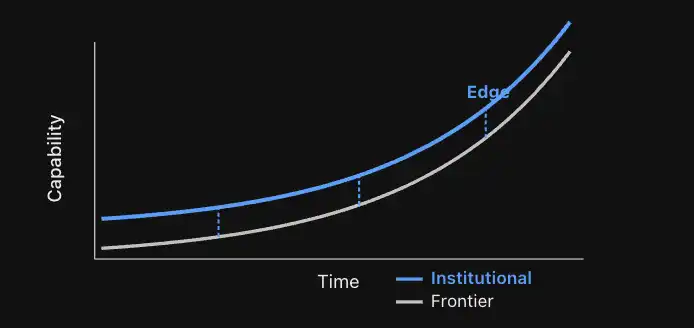
Leyenda de la imagen: Para cualquier tarea lo suficientemente específica, la ventaja en el margen la define la solución institucional que construyas sobre la tecnología de vanguardia.
Nuestros usuarios constantemente superan la frontera. La ventana de contexto de los LLM ha crecido de 4K a 1 millón de tokens en cuatro años. Algunos de nuestros usuarios procesan 30 mil millones de tokens en una sola tarea. Este año ya vemos el camino para tareas de 100 mil millones de tokens. Cada vez que la capacidad del modelo base aumenta, nosotros hemos ido más lejos.
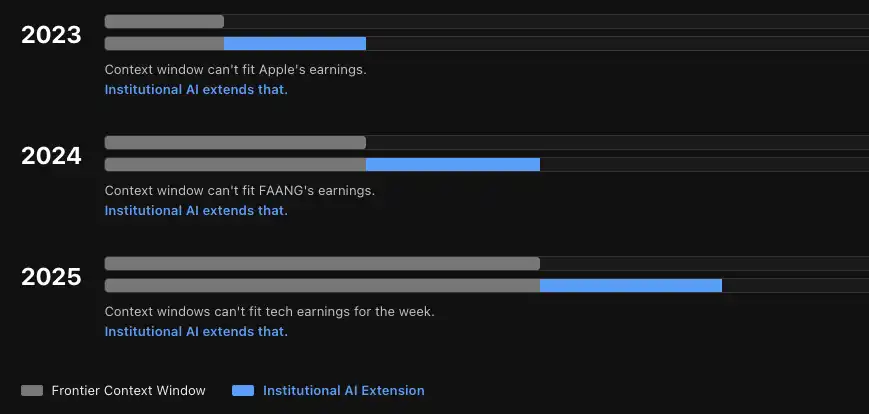
Leyenda de la imagen: La ventana de contexto, como otras capacidades, es un blanco móvil. Comparación de la evolución de la ventana de contexto entre los laboratorios de vanguardia y Hebbia en los últimos tres años.
La generalidad para usuarios amplios es importante, por supuesto, especialmente en la fase de introducción de los empleados a la IA. Pero el futuro no será que la gente use ChatGPT/Claude o soluciones verticales, sino ChatGPT/Claude más soluciones verticales.
La inteligencia institucional debe aprovechar Agentes especializados en dominios, incluso en tareas específicas.
Nos hacemos una pregunta que suena absurda pero no lo es:
"¿Qué Agentes elegiría una AGI como atajos? Incluso una superinteligencia querría herramientas especializadas para dominios específicos."
La frontera de capacidades de la IA siempre se está moviendo, y las organizaciones que aprovechen la verdadera ventaja en el margen serán las ganadoras. Todos los demás están pagando por una mercancía genérica muy cara.
5. Resultados
La IA personal ahorra tiempo.
La IA institucional amplía los ingresos.
@MaVolpi me dijo una vez algo que reformuló mi forma de pensar sobre vender IA a empresas: "Si le preguntas a cualquier CEO cuál es su prioridad, reducir costos o ampliar ingresos, casi todos dirán ingresos."
Pero casi todos los productos de IA en el mercado hoy ofrecen reducción de costos—prometen ahorrarte tiempo, hacer más con menos personas, o reemplazar mano de obra.
La IA institucional debe ofrecer ganancias incrementales. Y las ganancias incrementales son mucho más difíciles de convertir en commodity que el tiempo ahorrado.
Tomemos el desarrollo de software asistido por IA. Los IDE de código son una de las mejores herramientas de productividad de IA personal jamás creadas, pero ya enfrentan una enorme presión de Claude Code (otra herramienta de IA personal). Cognition está jugando un juego completamente diferente. Su negocio de más crecimiento estable es vender transformación con tecnología, no vender herramientas. Apuesto a que este modelo tendrá permanencia.

El software puro "se está volviendo rápidamente no invertible". El servicio puro no es escalable. La capa de soluciones—que une la tecnología y los resultados—es donde se sedimentará el valor duradero.
Mira las Fusiones y Adquisiciones (M&A). La IA personal ayuda a los analistas a modelar más rápido. La IA institucional identifica, de cien objetivos, ese único oponente comercial que vale la pena perseguir, y luego expande la búsqueda a mil. Una ahorra tiempo, la otra crea ingresos.
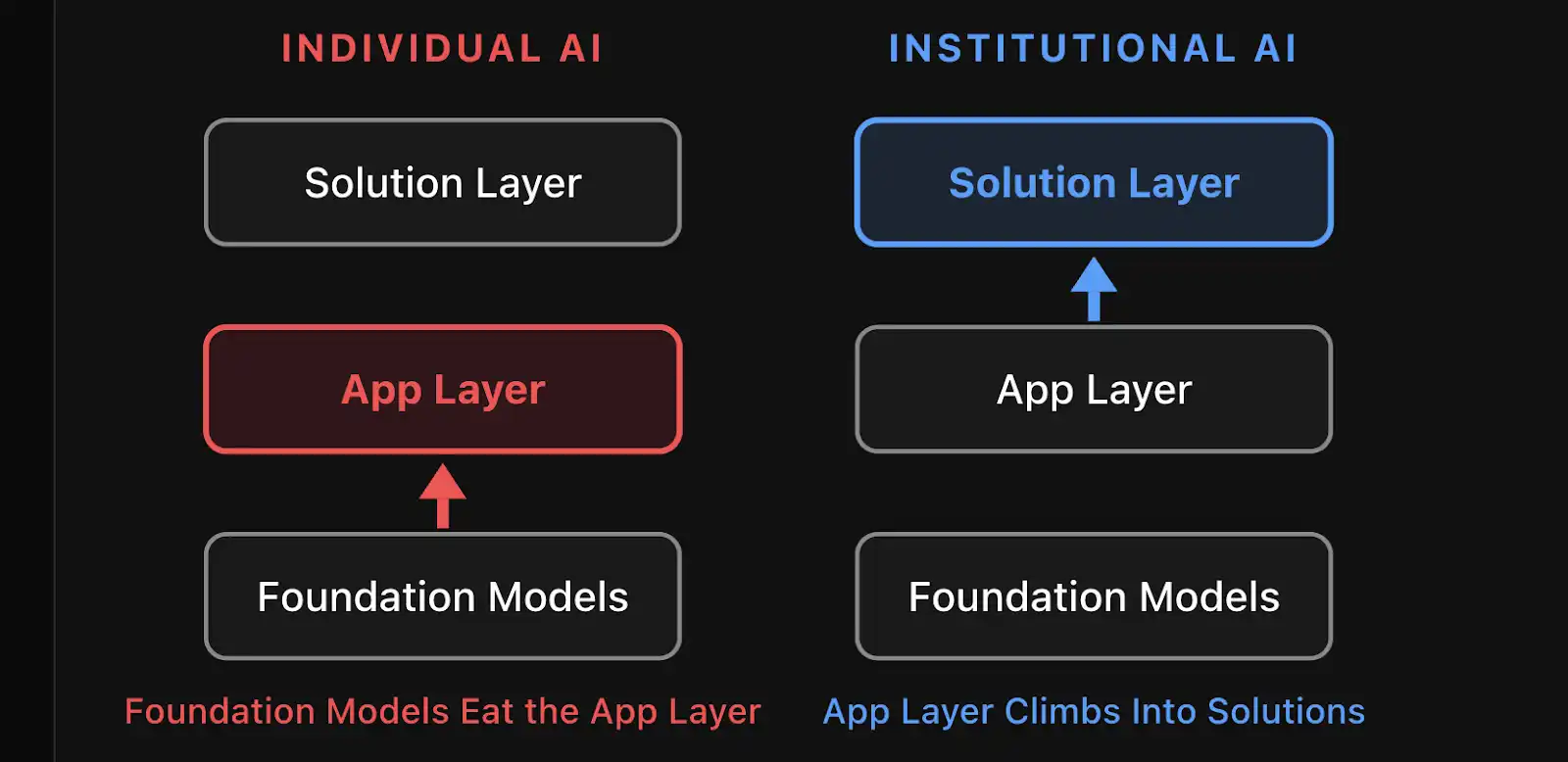
Leyenda de la imagen: Las empresas de modelos base se están moviendo hacia la capa de aplicaciones verticales. Las empresas de la capa de aplicaciones verticales se están moviendo hacia la capa de soluciones.
"Moverse aguas arriba" es la gravitación natural actual del mercado. Los modelos base se mueven hacia la capa de aplicaciones, las empresas de la capa de aplicaciones se mueven hacia la capa de soluciones.
La inteligencia institucional es la capa de soluciones. Y la capa de soluciones—donde están los resultados—sedimentará el valor duradero, capturando la mayor parte de los beneficios.
6. Empoderamiento
La IA personal te da una herramienta.
La IA institucional te enseña a usarla.
Por muy inteligentes que sean, los humanos se resisten al cambio.
Lo creas o no, todavía hay tiendas exitosas en Nueva York que no aceptan tarjetas de crédito. Saben que pierden dinero, saben que no aceptar tarjetas les hace perder dinero, pero no actúan. Del mismo modo, en un futuro previsible, ciertos empleados en ciertas organizaciones simplemente se negarán a usar la IA.
La transición de una organización puramente humana a una organización híbrida con prioridad en la IA será el desafío más persistente y definitorio de la próxima década. Y muchas veces, las personas de más alto nivel y más importantes en la organización son las últimas en adoptar.
https://substackcdn.com/image/fetch/f_auto,q_auto:good,fl_progressive:steep/https%3A%2F%2Fsubstack-post-media.s3.amazonaws.com%2Fpublic%2Fimages%2F7a48c219-8440-4f27-a8eb-8c84778ac8df_687x332.png
Leyenda de la imagen: Los niveles más altos de la organización—las personas más alejadas de la "operación de herramientas de productividad"—suelen ser el grupo de adopción de nuevas tecnologías más lento pero más crítico.
Palantir es la única "empresa de software" que ha mantenido múltiplos de valoración ultra altos durante la venta masiva de acciones de tecnología del último par de meses (caída de billones de dólares). Hay una razón. Palantir fue una de las primeras verdaderas empresas de "ingeniería de procesos". Lo llames "ingeniería de procesos" o "escribir archivos de habilidades de Claude", la IA institucional del futuro dará lugar a una industria: codificar los procesos empresariales en Agentes, y gestionar el cambio necesario para implementarlos.
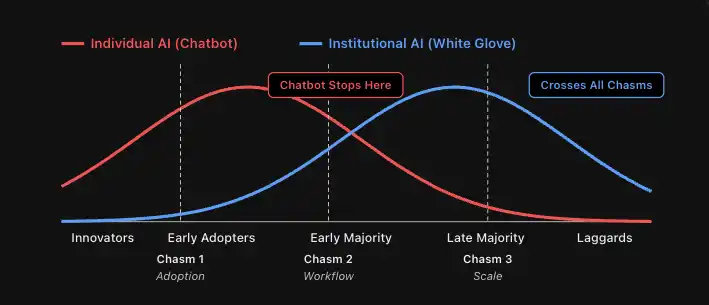
Leyenda de la imagen: La adopción completa de la IA por parte de la organización cruzará múltiples brechas, cada una con sus propios desafíos. Poner los procesos en línea con la IA será el principal impulsor.
Me atrevo a decir que la ingeniería de procesos se convertirá en la "técnica" más importante a corto plazo.
Y en la ingeniería de procesos, la experiencia en negocios e industria—no la experiencia en software—es la más crítica. Las soluciones verticales cultivarán talento con experiencia en ingeniería de implementación en primera línea, implementación y gestión del cambio.
Un importante banco de inversión (entre los tres primeros) que eligió Hebbia para un despliegue completo lo expresó mejor: la razón por la que no trabajaron con un gran laboratorio de modelos fue porque "tuvimos que explicarle a su equipo qué es un CIM (Memorándum de Información Confidencial)". Claude o GPT ciertamente entienden el dominio, pero el equipo responsable de la implementación no...
Esta diferencia lo cambia todo.
7. Sin prompts
La IA personal responde a los prompts humanos.
La IA institucional actúa proactivamente, sin necesidad de prompts.
Se habla mucho sobre la comunicación entre Agentes, si las empresas e instituciones futuras necesitarán humanos.
Pero la mejor pregunta es: ¿los futuros Agentes de IA necesitarán siquiera prompts?
Escribir prompts para una AGI es como conectar un motor eléctrico a un telar manual. Está fundamental e irreversiblemente limitado por el eslabón más débil de la cadena de suministro organizativa—nosotros mismos. Los humanos simplemente no sabemos qué preguntas correctas hacer, y mucho menos cuándo hacerlas.
El trabajo más valioso que la IA puede hacer es aquel que nadie pensó en preguntar. La IA debería encontrar riesgos que nadie detectó, contrapartes comerciales en las que nadie pensó, pipelines de ventas cuya existencia nadie conocía.
Esto abrirá completamente los límites de los casos de uso de la IA.
Un sistema sin prompts monitorea continuamente el flujo de datos de toda la cartera. Detecta que el ciclo de capital de trabajo de una empresa en cartera se ha deteriorado silenciosamente durante tres meses consecutivos, lo cruza con los covenants del acuerdo de crédito, y notifica al socio operativo antes de que anyone en el fondo abra ese PDF.
Cuando ya no necesitas humanos para escribir prompts a la IA, emergen nuevas interfaces y nuevas formas de trabajar. En @Hebbia tenemos ideas fuertes al respecto. Hablaremos de ello más adelante.
Conclusión
Todo lo anterior no niega el valor de los chatbots, los Agentes y la IA personal.
La IA personal será el vehículo mediante el cual la mayoría de las empresas del mundo experimenten por primera vez la magia transformadora de la IA. Impulsar el uso, impulsar la facilidad de uso, es el primer paso crucial en la gestión del cambio necesaria para construir una economía con prioridad en la IA.
Pero al mismo tiempo, la necesidad de inteligencia institucional es clara, urgente y enorme.
En el futuro, cada organización tendrá un chatbot de un gran laboratorio de modelos. Cada organización también tendrá una IA institucional construida específicamente para problemas de dominio específico—y la IA personal usará la IA institucional como la herramienta más crítica en su caja de herramientas.
La IA institucional y la IA personal "mejor combinadas" es una tendencia inevitable.
Pero recuerda la lección de la fábrica textil de la década de 1890. Las fábricas que se electrificaron primero, perdieron frente a las que rediseñaron la línea de producción.
Ya tenemos la electricidad. Es hora de rediseñar nuestras fábricas.
Agradecimientos a @aleximm y @WillManidis por su revisión, y a Will por su artículo "Tool-Shaped Objects" que inspiró este texto.



















