48 Hours to Transfer $1.5 Billion: How Did Iranian Elites Use Cryptocurrency to Bypass U.S. Sanctions?

比推Published on 2026-01-16Last updated on 2026-01-16

Abstract

Iran's leadership reportedly transferred $1.5 billion out of the country using cryptocurrency within 48 hours, including $328 million moved by the son of Supreme Leader Khamenei to Dubai, according to Israeli intelligence. This comes amid escalating U.S. sanctions, domestic protests, and severe economic crisis in Iran, with hyperinflation and currency collapse. Since 2018, Iran has systematically used crypto to evade international sanctions, leveraging energy resources for Bitcoin mining and operating through platforms like Nobitex. The Islamic Revolutionary Guard Corps (IRGC) alone moved around $1 billion via UK-registered exchanges. The surge in crypto-based capital flight has coincided with significant price increases in privacy-focused cryptocurrencies like Monero and Dash. Cryptocurrency has become a key financial tool for Iran to bypass traditional banking restrictions amid ongoing geopolitical tensions.

Author: Eric, Foresight News

Original Title: Iran's Trump Card Against U.S. Sanctions: Using Cryptocurrency to Evade Restrictions?


On January 15, Beijing time, Israeli news media Channel 14 reported that intelligence indicated Iranian elites transferred $1.5 billion out of the country via cryptocurrency within 48 hours. The son of Iran's Supreme Leader Khamenei alone moved $328 million to Dubai using cryptocurrency.

Iran has recently faced internal and external challenges. After dealing with Venezuela, Trump has set his sights on Iran. Although Trump hinted at suspending attacks on Iran in recent days, according to Axios, five sources from the U.S., Israel, and Arab countries familiar with the situation revealed that U.S. President Trump is delaying decisions on military strikes against Iran. The White House is currently consulting internally and with allies on the timing of the action and whether it would sufficiently destabilize the Iranian regime.

Amid external military threats, Iran is also in turmoil domestically. Since December 28, 2025, large-scale protests have erupted across Iran. According to data from the U.S. Institute for the Study of War, there were over 150 protests in Iran on January 8 alone, spanning 27 provinces. Armed clashes and attacks by ethnic minority militias on Islamic Revolutionary Guard Corps (IRGC) bases have been reported in some areas.

Economically, the Iranian rial has collapsed against the U.S. dollar, plummeting to approximately 1.34–1.4 million rials per dollar. Inflation has soared, with food prices rising by 60–70%. Combined with fuel price hikes and long-term sanctions, Iran's economy is on the verge of collapse.

In fact, the use of cryptocurrency to evade sanctions and transfer assets is not a recent development in Iran. From ordinary citizens to government leaders, this practice began as early as 2018. After the establishment of the local cryptocurrency exchange Nobitex, Iran's national-level entities, regime officials, and the IRGC started using cryptocurrency to bypass sanctions and access international markets. Additionally, Iran has leveraged its surplus oil and energy resources to power Bitcoin mining, converting energy into crypto assets.
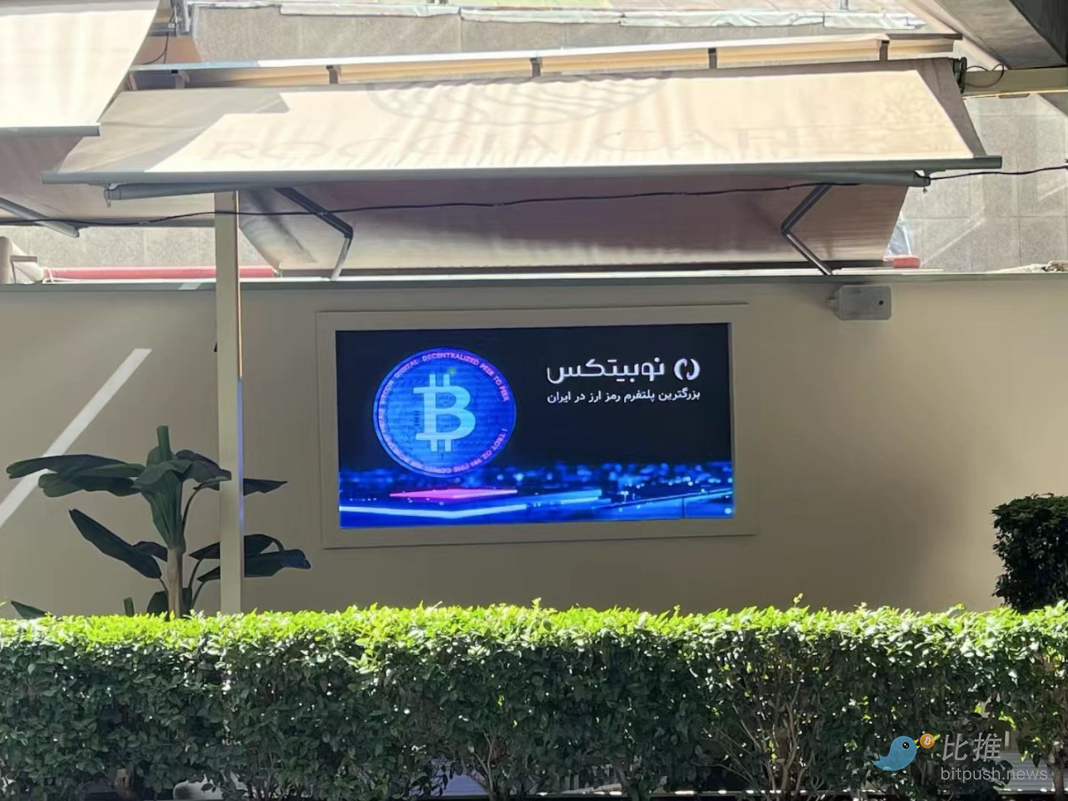
Cryptocurrency advertisements on the streets of Iran

According to a Washington Post report from a week ago, the IRGC transferred approximately $1 billion worth of cryptocurrency through two UK-registered exchanges between 2023 and 2025. Using Zedcex and Zedxion, which are operated by the same entity, the IRGC successfully circumvented Western financial restrictions. Transactions related to the IRGC alone accounted for 56% of the trading volume on these two exchanges. Miad Maleki, a former U.S. Treasury official involved in Iran sanctions, stated that digital currencies are becoming financial channels for Iran's shadow banking system.

Meanwhile, private cryptocurrency exchanges have become increasingly popular among Iranian citizens. According to a 2025 field investigation by Foresight News, there is a nearly one-kilometer-long black market in Iran where many citizens engage in private currency exchange transactions.
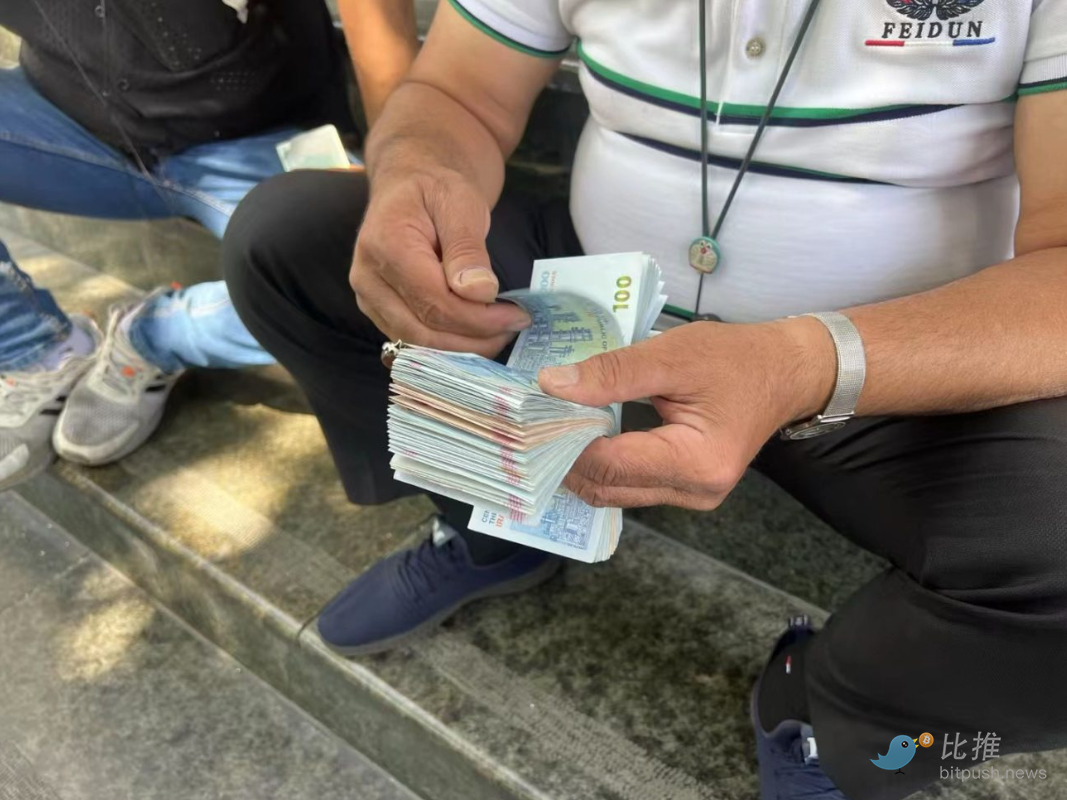
Exchanging cryptocurrency for Iranian rials on the black market

Following the recent large-scale outward transfer of funds by Iranian elites, some privacy-focused cryptocurrencies have seen astonishing price surges. XMR reached a new all-time high, briefly touching $800. DASH rose over 120% in the past seven days, while DCR increased by nearly 70%. ZEN, FHE, ARRR, and others also saw significant gains.
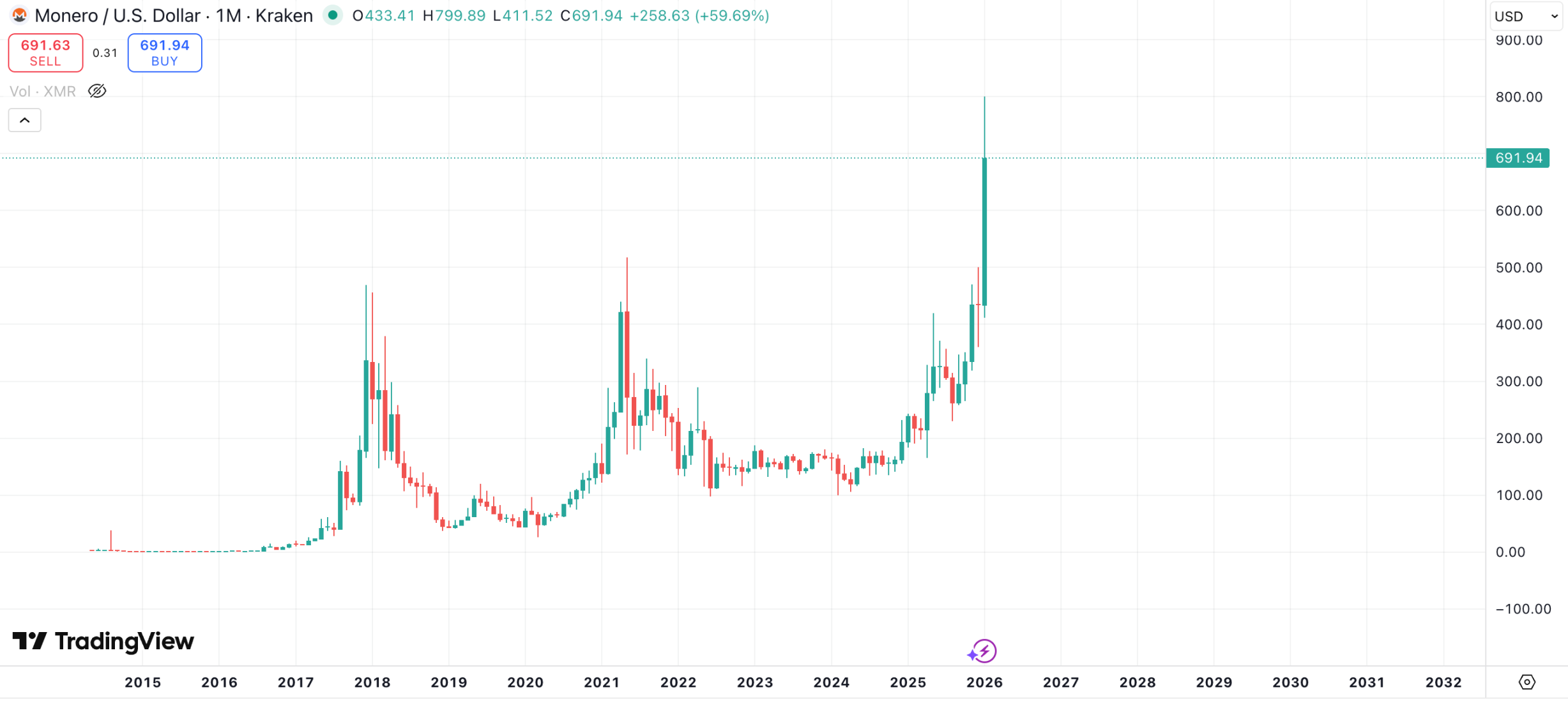
Although there is no clear evidence directly linking the rise of privacy-focused cryptocurrencies to the outflow of funds by Iranian elites, the timing coincidence is noteworthy for industry participants. Cryptocurrency has become a financial tool for many countries and organizations, and ongoing turbulent international situations may influence cryptocurrency market trends for a considerable time to come.


Twitter:https://twitter.com/BitpushNewsCN

BitPush Telegram Group:https://t.me/BitPushCommunity

BitPush Telegram Channel: https://t.me/bitpush

Original article link:https://www.bitpush.news/articles/7603490

Related Questions

QAccording to the article, how much cryptocurrency did Iran's leadership transfer in 48 hours to evade US sanctions?

AIran's leadership transferred $1.5 billion in cryptocurrency within 48 hours.

QWhich specific Iranian entity was reported to have used UK-registered exchanges to move around $1 billion in crypto between 2023 and 2025?

AThe Islamic Revolutionary Guard Corps (IRGC) was reported to have moved around $1 billion through two UK-registered exchanges, Zedcex and Zedxion.

QWhat was one of the primary methods Iran used to convert its natural resources into crypto assets?

AIran used its surplus oil and energy resources to power Bitcoin mining, thereby converting energy into crypto assets.

QWhat significant economic challenges was Iran facing domestically, as mentioned in the article?

AIran was facing a collapsing rial, with the exchange rate plummeting to about 1.34-1.4 million rials to 1 US dollar, soaring inflation, and food prices rising by 60-70%.

QWhich type of tokens saw a significant price increase coinciding with the timing of the large fund transfers from Iran?

APrivacy-focused tokens, such as XMR, DASH, and DCR, saw significant price increases, with Monero (XMR) hitting a new all-time high.

Related Reads

Will the Fed Still Cut Interest Rates? Tonight's Data Is Crucial

The core debate surrounding the Federal Reserve's potential interest rate cuts is intensifying amid geopolitical conflict and rebounding inflation. The key question is whether high energy prices will cause persistent inflation or weaken consumer demand enough to force the Fed to cut rates. Citigroup presents a bullish case for cuts, arguing that oil supply disruptions from the Strait of Hormuz are temporary and will not lead to lasting inflationary pressure. They point to receding bond yields and oil prices as evidence the market is pricing in a short-lived shock. Citi's data also shows tightening financial conditions, a stabilizing labor market, and healthy tax returns, supporting their view that the path to lower rates remains open. Conversely, Deutsche Bank offers a starkly contrasting, more hawkish outlook. They argue the Fed's current policy is already neutral and expect rates to remain unchanged indefinitely. Their view is based on stalled disinflation progress and a shift toward more hawkish rhetoric from key Fed officials like Waller, who cited risks from prolonged Middle East conflict and tariffs. Other officials, including Williams and Hammack, signaled rates would likely stay on hold for a "considerable time." The market pricing has shifted dramatically, now forecasting zero cuts in 2026. The imminent release of the March retail sales "control group" data is highlighted as a critical test. This metric, which excludes gas station sales, will reveal if high gasoline prices are eroding consumer spending in other areas. A weak reading could support the case for imminent rate cuts, while a strong one would bolster the argument for the Fed to hold steady. This data is pivotal for determining the near-term policy path.

marsbit22m ago

Will the Fed Still Cut Interest Rates? Tonight's Data Is Crucial

marsbit22m ago

The Second Half of Macro Influencer Fu Peng's Career

Fu Peng, a prominent Chinese macroeconomist and former chief economist of Northeast Securities, has joined Hong Kong-based digital asset management firm Bitfire Group (formerly New Huo Group) as its chief economist. This move, announced in April 2026, triggered an 11% surge in Bitfire's stock price. Fu, known for his accessible macroeconomic commentary and large social media following, will focus on integrating digital assets into global asset allocation frameworks, particularly combining FICC (fixed income, currencies, and commodities) with cryptocurrencies for institutional clients. His career includes roles at Lehman Brothers and Solomon International, with significant influence gained through public communication. However, in late 2024, Fu faced temporary social media bans after a controversial private speech at HSBC on China's economic challenges, though he denied regulatory sanctions. He later left Northeast Securities citing health reasons. Bitfire, a licensed virtual asset manager serving high-net-worth clients, seeks to build trust and attract traditional capital through Fu’s expertise and credibility. The partnership represents a strategic shift for both: Fu enters the crypto sector after a traditional finance peak, while Bitfire aims to leverage his macro framework for institutional adoption. Outcomes remain uncertain regarding capital inflows and compatibility within corporate structure.

marsbit1h ago

The Second Half of Macro Influencer Fu Peng's Career

marsbit1h ago

Trading

Spot
Futures

Hot Articles

Discussions

Welcome to the HTX Community. Here, you can stay informed about the latest platform developments and gain access to professional market insights. Users' opinions on the price of S (S) are presented below.

活动图片