¡El Bitcoin (BTC) y los altcoins experimentan un enorme crecimiento! Pero Glassnode sigue sin estar convencida: ¡la empresa advierte a los inversores y explica los niveles críticos!

cryptonews.ruPublished on 2026-08-20Last updated on 2026-08-20

Abstract

El mercado de criptomonedas experimentó un fuerte repunte, con Bitcoin superando los 72,000 dólares (alza del 1.91%) y altcoins como Ethereum (un 20%), Solana y XRP siguiendo la tendencia. Según Bloomberg, el crecimiento se atribuye a expectativas de mayor liquidez por eventos en bonos del Tesoro estadounidense y comentarios positivos desde Washington. Sin embargo, la firma de análisis Glassnode expresó cautela. Señaló que la recuperación de Bitcoin parece una tendencia alcista a corto plazo, no un cambio de tendencia general. Bitcoin se mantiene por debajo de umbrales clave: el costo a corto plazo para inversores (68,500 dólares) y el precio promedio del mercado (75,800 dólares), lo que indica debilidad. Además, aunque la demanda en futuros perpetuos es positiva y los flujos de ETFs se estabilizan, la prima de Coinbase sigue negativa, sugiriendo que la demanda spot en EE.UU. no se ha recuperado significativamente. Glassnode concluye que, para confirmar una tendencia alcista sostenida, Bitcoin necesita superar de manera estable esos niveles críticos de costos y mostrar un mayor fortalecimiento en la demanda spot.

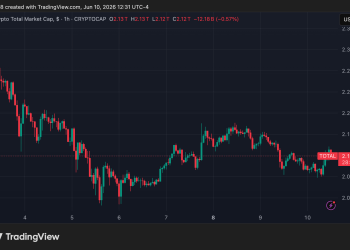
Ayer por la noche, el mercado de criptomonedas inició un potente repunte que continúa hoy. En las últimas 24 horas, el Bitcoin subió aproximadamente un 1,91%, superando la marca de $72,000, y los altcoins siguieron su ejemplo.

El mayor altcoin, Ethereum, mostró un aumento de alrededor del 20%, mientras que otros grandes altcoins como Solana y XRP también experimentaron crecimientos de dos dígitos.

Según Bloomberg, el aumento de precios se debe a las mayores expectativas de liquidez impulsadas por eventos en el mercado de bonos del Tesoro de EE.UU. y declaraciones positivas de Washington sobre las criptomonedas, lo que aumenta la aversión al riesgo de los inversores.

Según Bloomberg, la mejora en el sentimiento del mercado, respaldada por las expectativas de una política favorable a las criptomonedas en EE.UU. y un aumento en la liquidez del Tesoro, impulsó el crecimiento del mercado de activos digitales.

La agencia Bloomberg informó que el Bitcoin experimentó un repunte acelerado después del cierre de posiciones cortas, registrando el mayor aumento diario desde marzo.

¡Esto no significa un cambio de tendencia!

Mientras se debate si el repunte del Bitcoin y los altcoins continuará, la empresa de análisis criptográfico Glassnode ofreció una evaluación cautelosa.

En su último análisis, Glassnode argumentó que la reciente recuperación del Bitcoin ha sido más bien una tendencia alcista a corto plazo que un cambio de tendencia.

Según Glassnode, la reciente recuperación del Bitcoin aún no indica el comienzo de una nueva tendencia alcista. Glassnode señala que, actualmente, el BTC está por debajo tanto del umbral de costo a corto plazo para los inversores, que es de aproximadamente $68,500, como del precio promedio del mercado de $75,800, argumentando que el mercado sigue siendo débil.

Por otro lado, las pérdidas no realizadas relativas aumentaron al 25% desde el pico del ciclo, pero esto está significativamente por debajo del 60% o más observado en ciclos anteriores. Además, el ratio de ganancias/pérdidas realizadas a 90 días es de 0,75, que aún no desciende por debajo del nivel de 0,5 históricamente observado durante las fases de agotamiento de vendedores.

En conclusión, Glassnode señaló que la demanda de contratos de futuros perpetuos se ha vuelto positiva y que el flujo de capitales hacia los ETF se ha estabilizado, pero la prima de Coinbase sigue siendo negativa, lo que indica que la demanda de contratos al contado en Estados Unidos no se ha recuperado sustancialmente.

En el contexto de esta situación, la evaluación de Glassnode sugiere que, para confirmar de manera más convincente que el Bitcoin ha entrado en una tendencia alcista, se necesitan una superación sostenida de los niveles críticos de costos y un fortalecimiento de la demanda en el mercado al contado.

*Esto no es una recomendación de inversión.

end-content

Trending Cryptos

Related Questions

Q¿Qué cifra alcanzó Bitcoin tras subir aproximadamente un 1,91% en las últimas 24 horas, según el artículo?

ASuperó la marca de los 72.000 dólares.

Q¿Qué altcoins principales, además de Ethereum, mostraron un crecimiento de dos dígitos?

ASolana y XRP también mostraron un crecimiento de dos dígitos.

Q¿Por qué afirma Glassnode que el reciente repunte de Bitcoin no indica el inicio de una nueva tendencia alcista?

APorque Bitcoin se encuentra por debajo tanto del umbral de coste a corto plazo para los inversores (~68.500 dólares) como del precio medio del mercado (~75.800 dólares), y porque la demanda de contratos al contado en EE.UU. no se ha recuperado significativamente.

Q¿Cuáles son los dos factores, según Bloomberg, que impulsaron el optimismo y el crecimiento del mercado de criptomonedas?

ALas expectativas de una política estadounidense favorable a las criptomonedas y el aumento de la liquidez del Tesoro.

QSegún Glassnode, ¿qué se necesita para una confirmación más sólida de que Bitcoin ha entrado en una tendencia alcista?

AEs necesario un rebote sostenido por encima de los niveles críticos de coste y un aumento de la demanda de contratos al contado (spot).

Related Reads

Kaito Reboots 'Talk-to-Earn Economy', but Many Are Hesitant to Install the New Plugin

Kaito AI has launched a new browser extension called Kaito Pulse, aiming to revitalize what the community terms the "talk-to-earn" or "social-fi" economy on X (formerly Twitter). The plugin displays users' on-chain trading activity, such as positions from platforms like Polymarket, directly within the X timeline. This aims to create a new "attention + behavior verification" system, shifting focus from who generates the most discussion to whose discussions are backed by credible, verifiable actions. However, the launch quickly sparked significant privacy concerns within the crypto community. Critics, led by an analysis from user "Ultra," allege the extension's code enables deep data collection. This includes potential device fingerprinting (using GPU, hardware, and audio data), tracking of X user behavior (browsing paths, clicks, engagement), and verification processes that could access sensitive data from third-party accounts like ChatGPT, Claude, and trading platforms. The debate centers on whether such extensive verification is necessary to combat fake engagement and AI-generated content, or if it constitutes an unacceptable privacy sacrifice. In response, Kaito founder Yu Hu stated the design follows data minimization principles. He claimed Kaito Pulse does not collect or store users' raw data but instead uses verification techniques, including zkTLS, to generate proofs of identity or behavior without exposing the underlying information. Yu Hu acknowledged that some permission descriptions could be misleading and promised improvements in future versions. The controversy highlights a core dilemma for social-fi projects: platforms need more user data to distinguish real influence from artificial hype, but users must decide how much privacy they are willing to trade for potential rewards and ranking within these new incentive systems.

Odaily星球日报6m ago

Kaito Reboots 'Talk-to-Earn Economy', but Many Are Hesitant to Install the New Plugin

Odaily星球日报6m ago

After Two and a Half Years of Entrepreneurship and Full AI Adoption, the Company Has Actually Become More 'Traditional'

"After 2.5 years of running my company, achieving near 100% AI adoption with Agents in roles like finance, HR, and operations, we've paradoxically become more 'traditional.' We learned that establishing a thick AI middle layer creates bottlenecks. Instead, we advocate for a 'thin platform, thick frontline' model, empowering employees closest to problems to use AI tools themselves, fostering ownership and initiative. The true foundation isn't the AI models, but the unique data and context a company accumulates—our most vital, irreplaceable asset, requiring diligent governance. As AI handles repetitive, describable tasks, human roles revert to their core: building genuine relationships, trust, and brand reputation through authentic communication, which AI cannot accelerate. A critical question is where the time saved by AI goes. It must be returned—to clients, to creative work, to employees' own lives—rather than just fueling higher output demands. For managers, AI strips away execution-focused busywork, exposing the necessity to define clear goals, make tough judgments, and take ultimate responsibility. Onboarding newcomers presents a challenge: while AI can generate 80% solutions instantly, we must deliberately design paths for them to develop judgment, understand context, and safely learn from mistakes. Ultimately, AI's organizational value isn't about replacing people but removing unnecessary friction, allowing more meaningful human connection. The real test of an 'AI-era' company isn't its tech stack, but how it treats people: delegating creative power, returning saved time, fostering growth, and upholding accountability. The core luxury and purpose of our work remains authentic human relationships."

marsbit14m ago

After Two and a Half Years of Entrepreneurship and Full AI Adoption, the Company Has Actually Become More 'Traditional'

marsbit14m ago

US Stock Market Trends (August 21): Long-Term Bond Repo Fails, Walmart's Warning Drags Dow Down 700 Points

**U.S. Market Trends (Aug 21): Long-Term Bond Relief Fizzles, Walmart Drags Dow Down 700 Points** U.S. stocks fell sharply, with the Dow plunging over 700 points, as relief from the Treasury's long-term bond buyback plan proved fleeting. Major indexes declined as long-end Treasury yields and oil prices resumed their upward climb, reigniting inflation fears and pressure on high-valuation assets. The key catalyst was the rapid reversal in the bond market. The Treasury's expanded buyback program briefly calmed markets, but 30-year yields quickly rebounded near 5.26%, approaching recent 20-year highs. This signaled that liquidity interventions cannot overcome structural pressures from massive U.S. debt, fiscal deficits, and competing capital demands from AI infrastructure spending. Simultaneously, rising oil prices (WTI +2.3%) on geopolitical tensions renewed inflation concerns, squeezing consumer spending power. This pressure was highlighted by Walmart's 9% stock plunge. Despite beating earnings estimates, its weak U.S. same-store sales growth and lowered annual guidance exposed caution among lower-income consumers. Tech stocks faced broad pressure. The "Magnificent Seven" giants broadly declined, with Moderna crashing over 23% a day after a massive rally on vaccine trial news, exemplifying swift profit-taking. However, select semiconductor names (e.g., Marvell, Micron) gained on specific AI-related catalysts, indicating a more discerning market moving beyond hype to scrutinize real cash flows and capital expenditure sustainability. Bitcoin surged past $72,000, while gold seesawed near $4,500/oz. Alibaba's earnings showed strong AI cloud revenue growth but significant cash outflow due to infrastructure investments. The market's core takeaway is that Treasury actions provide only temporary relief, not a trend reversal. Focus now shifts to whether long-term yields can stabilize below 5.3% and to upcoming Federal Reserve commentary for clues on the rate path. Sustainable equity recovery hinges on the bond market calming and major tech stocks showing concurrent strength.

marsbit15m ago

US Stock Market Trends (August 21): Long-Term Bond Repo Fails, Walmart's Warning Drags Dow Down 700 Points

marsbit15m ago

547 Million OP Tokens Transferred from User Airdrop to Ecosystem Fund: DAO Voting Becoming Sham Democracy

An Optimism governance vote approved the controversial transfer of 546.9 million OP tokens (12.7% of total supply, ~24% of circulating supply) from the remaining "User Airdrop" allocation to the Foundation-controlled "Strategic Ecosystem Fund." The vote passed with a decisive 849,000 OP vote from "Test in Prod," a core development team fully funded by the Optimism Collective, cast just 17 minutes before the deadline. The Foundation argued that broad user airdrops are ineffective for the current institutional expansion phase and that the funds are needed as a flexible "war chest" to secure enterprise clients like Bitpanda and Dunamu. Critics, including L2BEAT and researcher Polynya, opposed the move. They cited the Foundation's overly broad mandate, a lack of clear link to token holder interests, insufficient assessment of past ecosystem fund expenditures (~686M OP spent), and the rewriting of the original distribution promise made to users. The incident highlights deeper governance concerns beyond low voter turnout. It raises questions about the independence of votes from entities financially dependent on the Foundation and the ethical limits of DAO governance—specifically, whether a majority vote can legitimately redefine foundational promises and minority expectations. The move signals a shift from community-focused airdrops to enterprise-driven strategy, eroding user trust amid OP's significant price decline.

marsbit36m ago

547 Million OP Tokens Transferred from User Airdrop to Ecosystem Fund: DAO Voting Becoming Sham Democracy

marsbit36m ago

Trading

Spot

Hot Articles

What is $BITCOIN

DIGITAL GOLD ($BITCOIN): A Comprehensive Analysis Introduction to DIGITAL GOLD ($BITCOIN) DIGITAL GOLD ($BITCOIN) is a blockchain-based project operating on the Solana network, which aims to combine the characteristics of traditional precious metals with the innovation of decentralized technologies. While it shares a name with Bitcoin, often referred to as “digital gold” due to its perception as a store of value, DIGITAL GOLD is a separate token designed to create a unique ecosystem within the Web3 landscape. Its goal is to position itself as a viable alternative digital asset, although specifics regarding its applications and functionalities are still developing. What is DIGITAL GOLD ($BITCOIN)? DIGITAL GOLD ($BITCOIN) is a cryptocurrency token explicitly designed for use on the Solana blockchain. In contrast to Bitcoin, which provides a widely recognized value storage role, this token appears to focus on broader applications and characteristics. Notable aspects include: Blockchain Infrastructure: The token is built on the Solana blockchain, known for its capacity to handle high-speed and low-cost transactions. Supply Dynamics: DIGITAL GOLD has a maximum supply capped at 100 quadrillion tokens (100P $BITCOIN), although details regarding its circulating supply are currently undisclosed. Utility: While precise functionalities are not explicitly outlined, there are indications that the token could be utilized for various applications, potentially involving decentralized applications (dApps) or asset tokenization strategies. Who is the Creator of DIGITAL GOLD ($BITCOIN)? At present, the identity of the creators and development team behind DIGITAL GOLD ($BITCOIN) remains unknown. This situation is typical among many innovative projects within the blockchain space, particularly those aligning with decentralized finance and meme coin phenomena. While such anonymity may foster a community-driven culture, it intensifies concerns about governance and accountability. Who are the Investors of DIGITAL GOLD ($BITCOIN)? The available information indicates that DIGITAL GOLD ($BITCOIN) does not have any known institutional backers or prominent venture capital investments. The project seems to operate on a peer-to-peer model focused on community support and adoption rather than traditional funding routes. Its activity and liquidity are primarily situated on decentralized exchanges (DEXs), such as PumpSwap, rather than established centralized trading platforms, further highlighting its grassroots approach. How DIGITAL GOLD ($BITCOIN) Works The operational mechanics of DIGITAL GOLD ($BITCOIN) can be elaborated on based on its blockchain design and network attributes: Consensus Mechanism: By leveraging Solana’s unique proof-of-history (PoH) combined with a proof-of-stake (PoS) model, the project ensures efficient transaction validation contributing to the network's high performance. Tokenomics: While specific deflationary mechanisms have not been extensively detailed, the vast maximum token supply implies that it may cater to microtransactions or niche use cases that are still to be defined. Interoperability: There exists the potential for integration with Solana’s broader ecosystem, including various decentralized finance (DeFi) platforms. However, the details regarding specific integrations remain unspecified. Timeline of Key Events Here is a timeline that highlights significant milestones concerning DIGITAL GOLD ($BITCOIN): 2023: The initial deployment of the token occurs on the Solana blockchain, marked by its contract address. 2024: DIGITAL GOLD gains visibility as it becomes available for trading on decentralized exchanges like PumpSwap, allowing users to trade it against SOL. 2025: The project witnesses sporadic trading activity and potential interest in community-led engagements, although no noteworthy partnerships or technical advancements have been documented as of yet. Critical Analysis Strengths Scalability: The underlying Solana infrastructure supports high transaction volumes, which could enhance the utility of $BITCOIN in various transaction scenarios. Accessibility: The potential low trading price per token could attract retail investors, facilitating wider participation due to fractional ownership opportunities. Risks Lack of Transparency: The absence of publicly known backers, developers, or an audit process may yield skepticism regarding the project's sustainability and trustworthiness. Market Volatility: The trading activity is heavily reliant on speculative behavior, which can result in significant price volatility and uncertainty for investors. Conclusion DIGITAL GOLD ($BITCOIN) emerges as an intriguing yet ambiguous project within the rapidly evolving Solana ecosystem. While it attempts to leverage the “digital gold” narrative, its departure from Bitcoin's established role as a store of value underscores the need for a clearer differentiation of its intended utility and governance structure. Future acceptance and adoption will likely depend on addressing the current opacity and defining its operational and economic strategies more explicitly. Note: This report encompasses synthesised information available as of October 2023, and developments may have transpired beyond the research period.

2.0k Total ViewsPublished 2025.05.13Updated 2025.05.13

What is $BITCOIN

Discussions

Welcome to the HTX Community. Here, you can stay informed about the latest platform developments and gain access to professional market insights. Users' opinions on the price of BTC (BTC) are presented below.

活动图片