Tom Lee dice que Ethereum podría liderar las finanzas de la era de la IA ante la aceleración de la adopción institucional

TheNewsCryptoPublished on 2026-07-13Last updated on 2026-07-13

Abstract

En la conferencia WebX 2026 en Tokio, Tom Lee afirmó que Ethereum tiene el potencial de convertirse en la capa de liquidación para la era de la inteligencia artificial. Atribuyó esta oportunidad a los cambios en el liderazgo de la Fundación Ethereum y a la creciente participación institucional en los mercados de activos digitales. Lee mencionó tendencias macroeconómicas como la política monetaria de EE.UU., la Ley CLARITY y las inversiones en IA que podrían afectar al mercado cripto en 2026. Destacó la demanda institucional como un factor clave que respalda el futuro rol de Ethereum, señalando que Wall Street ahora lo favorece. Comparó el entorno actual de Ethereum con la recuperación bursátil estadounidense tras la crisis de 1987, sugiriendo que Ethereum podría estar formando un suelo importante antes de una posible recuperación. También destacó el evento Robinhood Chain en el ecosistema Ethereum. Además, reveló que Bitmine posee aproximadamente 5.74 millones de ETH (4.8% del suministro circulante) y planea aumentar sus tenencias al 5%. La compañía también busca expandir sus inversiones en el ecosistema Ethereum en general. Sus comentarios reflejan un interés institucional creciente en la infraestructura de Ethereum, más allá del rendimiento a corto plazo. Los analistas siguen monitoreando si la participación institucional, los desarrollos regulatorios y las aplicaciones blockchain consolidarán la posición de Ethereum durante el resto de 2026.

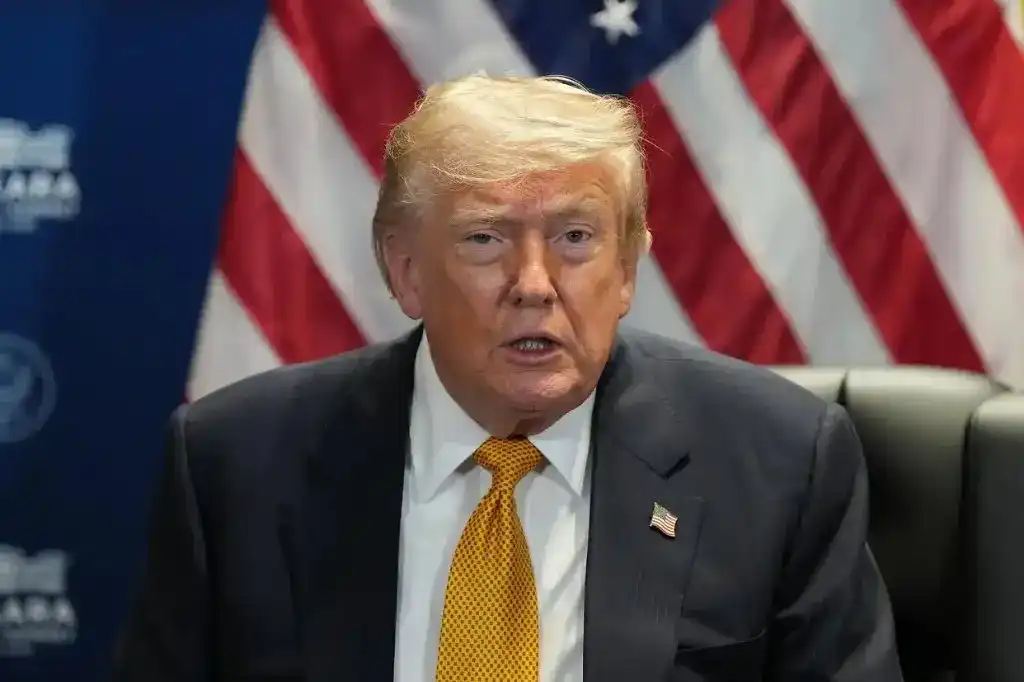
En el WebX 2026 de Tokio, organizado por Coinpost, Tom Lee fue uno de los ponentes que mostró su apoyo a Ethereum. Lee pronunció su discurso principal titulado "Ethereum: La cura para el Valle Inquietante de la Riqueza". Lee afirmó que Ethereum tiene el potencial de convertirse en la capa de liquidación para la era de la inteligencia artificial. Atribuyó esa oportunidad a los cambios en el liderazgo dentro de la Fundación Ethereum y a la creciente participación institucional en los mercados de activos digitales.

Declaró: "Bajo el liderazgo de la nueva fundación, ETH tiene el potencial de convertirse en la capa de liquidación para la era de la IA".

Lee mencionó varias tendencias macroeconómicas que podrían afectar al mercado de criptomonedas durante 2026. Entre ellas se incluían la política monetaria de Estados Unidos, la Ley CLARITY, las tendencias de inversión en inteligencia artificial y el pobre rendimiento del sector financiero en comparación con otros sectores. Además, mencionó la creciente demanda institucional como uno de los principales factores que respaldan el papel de Ethereum en el futuro. Como señaló Lee, Wall Street ahora favorece a Ethereum debido al aumento de las inversiones de las instituciones en él.

La cadena de Robinhood y la estructura del mercado respaldan las perspectivas de Ethereum

Lee realizó una comparación entre el entorno actual del mercado de Ethereum y la recuperación del mercado bursátil estadounidense tras el desplome de 1987. Lee declaró que Ethereum parece estar a punto de formar un importante fondo antes de una posible recuperación. Además, Lee analizó el historial de rendimiento del precio de Ethereum a través de diversos ciclos de mercado, destacando el hecho de que muchas personas no reconocen su valor intrínseco cuando el precio cae. Lee mencionó a Robinhood Chain como un evento reciente en el ecosistema de Ethereum.

Bitmine amplía sus tenencias de Ethereum

Lee también reveló información actualizada sobre la estrategia de tesorería de Ethereum de Bitmine durante la presentación. Dijo que Bitmine posee actualmente aproximadamente 5.74 millones de ETH, lo que representa alrededor del 4.8% de la oferta circulante de Ethereum.

La empresa planea aumentar gradualmente sus tenencias hasta aproximadamente el cinco por ciento del suministro total de Ethereum. Lee añadió que Bitmine también tiene la intención de ampliar las inversiones en todo el ecosistema más amplio de Ethereum junto con su estrategia de tesorería.

Sus comentarios reflejaron el creciente interés institucional en la infraestructura de Ethereum más que en el rendimiento a corto plazo del mercado. Inversores y analistas siguen monitoreando si la participación institucional, los avances regulatorios y las aplicaciones en expansión de la cadena de bloques fortalecen la posición de Ethereum durante el resto de 2026.

Noticias destacadas sobre criptomonedas:
Lawson lanza la primera prueba de pago integrada en TPV de Japón con la stablecoin JPYC


EtiquetasIAInteligencia ArtificialBlockchainCriptomonedaETHETHERUUM (ETH)Robinhoodtom lee

Trending Cryptos

Related Questions

Q¿Qué potencial le atribuye Tom Lee a Ethereum según su discurso en WebX 2026?

ATom Lee atribuye a Ethereum el potencial de convertirse en la capa de liquidación para la era de la inteligencia artificial.

Q¿Cuáles son algunas de las tendencias macroeconómicas mencionadas por Lee que podrían afectar al mercado cripto en 2026?

AMenciona la política monetaria de EE.UU., la Ley CLARITY, las tendencias de inversión en inteligencia artificial y el pobre desempeño del sector financiero en relación con otros sectores.

Q¿Qué comparación hizo Tom Lee entre el mercado actual de Ethereum y un evento histórico bursátil?

AComparó el entorno de mercado actual de Ethereum con la recuperación del mercado bursátil estadounidense después del crash de 1987, sugiriendo que Ethereum podría estar formando un piso importante antes de una posible recuperación.

Q¿Cuánto ETH posee actualmente Bitmine según la información actualizada compartida por Lee?

ABitmine posee actualmente aproximadamente 5.74 millones de ETH, lo que representa alrededor del 4.8% de la oferta circulante de Ethereum.

Q¿Qué evento reciente en el ecosistema de Ethereum fue mencionado por Tom Lee durante su presentación?

AMencionó a Robinhood Chain como un evento reciente en el ecosistema de Ethereum.

Related Reads

Is the iPhone Moment for Embodied AI Coming Soon?

Is the "iPhone moment" for embodied AI approaching? This article, based on a roundtable discussion, presents expert insights on the current state and future of embodied AI. The consensus is that the pivotal "iPhone moment" is still distant. The field is likened to the "brick phone" era, with technology paths—such as VLA and world models—not yet converging. While robotic "motor skills" (e.g., walking) have matured, the "brain" (decision-making, generalization) remains far from commercial readiness. A major bottleneck is data: an estimated tens of millions of data points are needed for a breakthrough, but only around 500,000 currently exist globally. Currently, cost remains prohibitive for widespread labor replacement, making the economic case challenging. However, experts see a three-tiered market potential: a billion-level market for emotional companionship (e.g., entertainment, basic care), a trillion-level market for commercial services (e.g., guides, receptionists), and a massive, long-term opportunity for physical labor in factories and homes. The discussion suggests that while humanoid robots face hurdles, non-humanoid embodied AI applications (like existing service robots) can be deployed sooner. The ultimate vision is for AI to operate seamlessly in the physical world, not just behind screens. Regarding AI tools, participants noted their widespread use for boosting efficiency in coding, research, and teaching. However, they warned against over-reliance due to risks of AI "deception" and the erosion of critical thinking, emphasizing that core judgment must remain with humans. In summary, embodied AI holds immense promise but requires significant progress in brain models, data collection, and cost reduction before achieving its transformative potential. Its development is expected to be gradual, advancing through specific use cases rather than a single explosive moment.

marsbit9m ago

Is the iPhone Moment for Embodied AI Coming Soon?

marsbit9m ago

Wall Street Morning Report: U.S. Stocks Suffer Collective Setback, Apple Hits New High Against the Trend, Tonight's CPI and Waller's Hearing to Determine Interest Rate Path

Wall Street Morning Report: U.S. stocks fell collectively, while Apple hit a new record high. Key events including tonight's CPI data and Fed Chair Walsh's testimony will set the direction for interest rates. Markets experienced a sharp "risk-off" move due to escalating Middle East tensions and unexpected hawkish signals from the Federal Reserve. Major indices declined, with the Nasdaq Composite leading losses, down 1.55%. The VIX fear index surged over 14%. Geopolitical tensions spiked as the U.S. conducted consecutive airstrikes on Iran and announced a maritime blockade of Iranian ports, set to begin on July 15. This triggered a panic-driven rally in oil, with WTI crude soaring over 9% to breach $80 per barrel. Safe-haven flows bolstered the U.S. dollar and Treasury yields, while gold plunged nearly 3%, losing its $4,000 level. Rate markets now price a nearly 50% chance of a Fed rate hike in July, up significantly from prior expectations, following hawkish commentary from Fed Governor Waller. The tech sector, particularly AI-related stocks, faced intense selling pressure. The Philadelphia Semiconductor Index plunged 4%. Notable decliners included SK Hynix (down 9% on its second trading day as an ADR), Nvidia, AMD, and Intel. In contrast, Apple shares rose 0.63% to a record high, viewed as a stable haven away from the costly AI data center arms race. Key events to watch include the U.S. June CPI inflation data and Fed Chair Walsh's Congressional testimony tonight, which will critically influence the Fed's policy path. Major bank earnings also begin today. The formal implementation of the U.S. maritime blockade against Iran on July 15 and upcoming events like TSMC's Q2 earnings and a SpaceX Starship test flight remain in focus.

marsbit56m ago

Wall Street Morning Report: U.S. Stocks Suffer Collective Setback, Apple Hits New High Against the Trend, Tonight's CPI and Waller's Hearing to Determine Interest Rate Path

marsbit56m ago

Crude Oil Surges 10% in Intraday Trading! US Military Restores Blockade on Iran, Trump Warns of 'Heavy Blows' Tonight and Tomorrow, Imposes 20% Fee on Strait Shipping

Crude oil prices surged up to 10% intraday as tensions between the US and Iran escalated sharply. President Trump announced the reinstatement of a maritime blockade against Iran, targeting its ships and their customers, while stating the Strait of Hormuz would remain open to all other nations. He further declared that the US, as the "guardian" of the strait, would impose a 20% fee on all cargo transiting the strategic waterway to compensate for security costs. The US Central Command confirmed the naval blockade would commence on July 14 (GMT). Following Trump's statements, reports emerged of explosions near Iran's Larak Island and the port of Bandar Abbas, though Iranian authorities did not confirm their nature. Iran's Foreign Minister criticized the proposed 20% fee as excessive, asserting Iran's role as the guardian of the strait. An Iranian military spokesperson warned of a strong response to any unauthorized US interference in the waterway. The United Nations' International Maritime Organization (IMO) expressed opposition to charging tolls for passage through international straits, stating such measures lack legal foundation. Market reactions were pronounced, with Brent crude briefly surpassing $83 and WTI above $78. The situation intensified as Trump notified Congress of renewed hostilities with Iran, following US airstrikes on Iranian targets.

marsbit59m ago

Crude Oil Surges 10% in Intraday Trading! US Military Restores Blockade on Iran, Trump Warns of 'Heavy Blows' Tonight and Tomorrow, Imposes 20% Fee on Strait Shipping

marsbit59m ago

How to Regulate Single-Stock Leveraged ETFs? On Thursday, the Entire Market Is Watching This Korean Government Meeting

The highest-level economic coordination body in South Korea, the "F4" comprising the Ministry of Economy and Finance, the Financial Services Commission, the Bank of Korea, and the Financial Supervisory Service, will hold an emergency meeting on Thursday to discuss regulatory measures for single-stock leveraged ETFs. These products, launched just six weeks ago, have been widely blamed for exacerbating market volatility. The KOSPI's 8% plunge on Monday triggered the year's seventh trading halt, intensifying scrutiny. Regulators have expressed rare public regret over approving the products. FSS Governor Lee Bok-hyun stated he "regretted not doing everything possible to prevent" their introduction and acknowledged structural problems, citing massive retail investments and legal complications from a rushed rollout. Possible countermeasures under discussion include raising margin requirements, imposing daily price limits, and adjusting leverage caps. However, officials admit these may be temporary fixes. Data confirms the amplified volatility. Since the ETFs' launch, days with KOSPI moves exceeding 3% have nearly doubled. Trading halts have reached record levels, surpassing the 2008 financial crisis peak. The products allow 2x leveraged bets on giants like Samsung Electronics and SK Hynix. Their daily rebalancing to match returns is seen as mechanically fueling market swings. The outcome of Thursday's F4 meeting is highly anticipated, with expectations leaning towards stricter controls on leverage, investor access, or other structural constraints to curb the products' market impact.

marsbit1h ago

How to Regulate Single-Stock Leveraged ETFs? On Thursday, the Entire Market Is Watching This Korean Government Meeting

marsbit1h ago

Trading

Spot

Hot Articles

Discussions

Welcome to the HTX Community. Here, you can stay informed about the latest platform developments and gain access to professional market insights. Users' opinions on the price of ETH (ETH) are presented below.

活动图片