AGI倒计时,OpenAI首席研究官重磅表态:留给人类的窗口“很小”

marsbitPublished on 2026-06-30Last updated on 2026-06-30

Abstract

OpenAI首席研究官Mark Chen近日表示,通用人工智能(AGI)即将到来,人类面临的窗口期“很小”。他认为,AI模型正快速接近能够自主进行“自我维持研究”的阶段,届时创新和进化或将由AI主导。 Chen指出,如今在各个领域都已出现AI的“神之一手”——做出超越人类直觉的突破。他坚信,扩展定律(Scaling Laws)尚未失效,技术进步仍处在指数曲线上。此前OpenAI在内部大力押注的推理模型o1的成功,也增强了这一信心。 随着AI执行能力的大幅提升,人类在研究中的角色可能演变为“氛围研究员”(Vibe Researcher),即主要负责提出关键问题和凭借“品味”判断成果价值,而将具体的实施、编排工作交给AI。OpenAI的路线图目标正是实现端到端的AI自主研究。 然而,通往AGI之路仍充满挑战。一是评估危机(Benchmaxxing),现有评测方法易被钻空子,缺乏真正有效的评估标准;二是“参差的前沿”问题,AI可能在复杂任务上表现出色,却在需要常识或持续学习的简单任务上失败。Chen承认这些难题,但相信正在被攻克。 最后,Chen谈及一个温馨的隐喻:当AGI实现后,他个人的愿望是开一家面馆。这暗示在AI主导认知与创新的未来,人类独有的体验、情感与故事,可能成为最宝贵的价值。

通用人工智能AGI,即将到来。

刚刚,OpenAI首席研究官Mark Chen豪言:

在某种意义上,就像希望你能感觉到,AGI(通用人工智能)即将到来......

我们正越来越接近这样一个世界:模型能够自主提出更多创新——它们能够进行自我维持的研究。

这不仅仅是效率的提升,「进化」本身也被外包给了硅基生命。

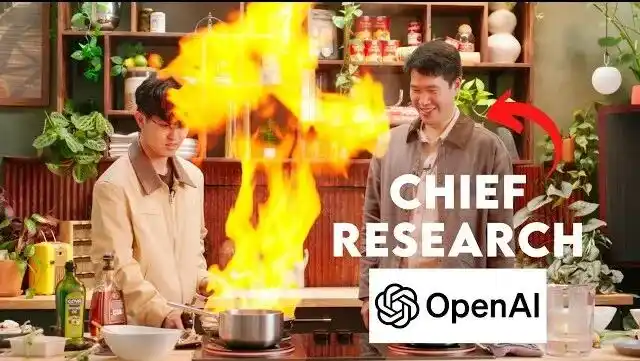
当Mark Chen在镜头前熟练地切着蘑菇和洋葱时,他谈论的不仅是一碗汤,而是人类文明最后的一块阵地。

如果AI能够自己研究自己,那在AGI到来的前夜,人类究竟该扮演什么角色?
每个领域都在经历自己的「神之一手」

要明白这句话的分量,得先回到Mark入行的那一刻。

2016年,AlphaGo对战李世石。
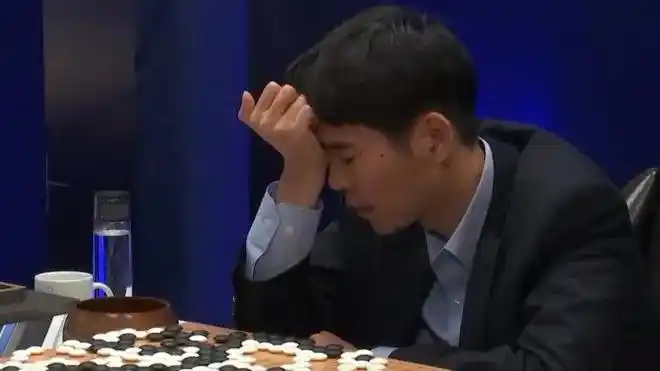
第二局里有一手「第37手」,落子的瞬间,全人类棋手集体看不懂。
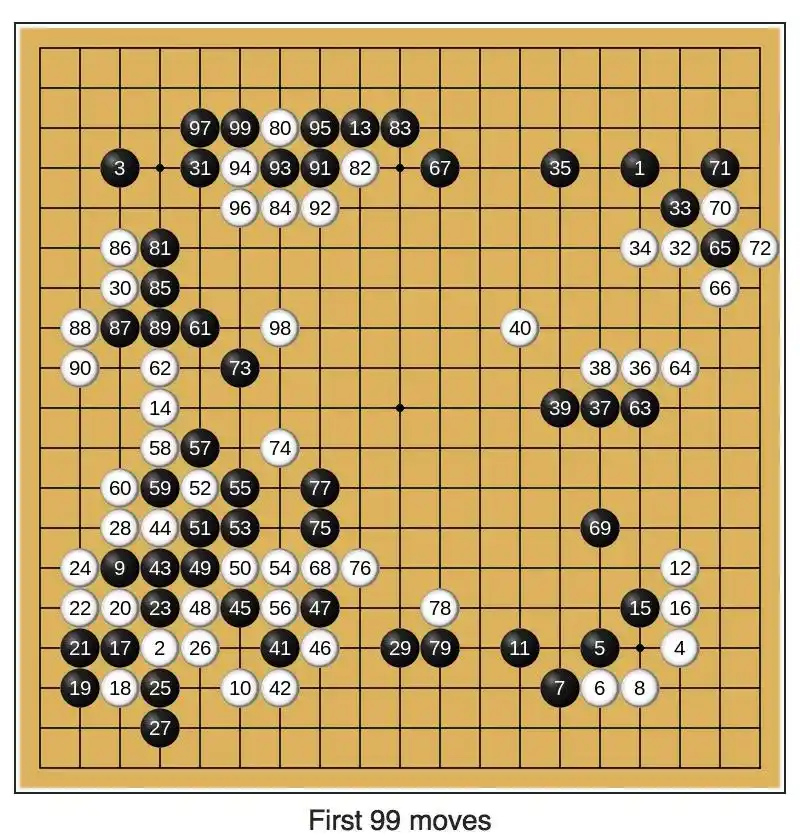
后来才明白,那是机器走出的、人类根本想不到的一手。那一刻点燃了无数人,也把Mark Chen拽进了这个领域。

而如今呢?

「最疯狂的是,」Mark说,「你现在在几乎每一个领域,都能看到『神之一手』。」

数学里有,计算机科学里有,编程里有。
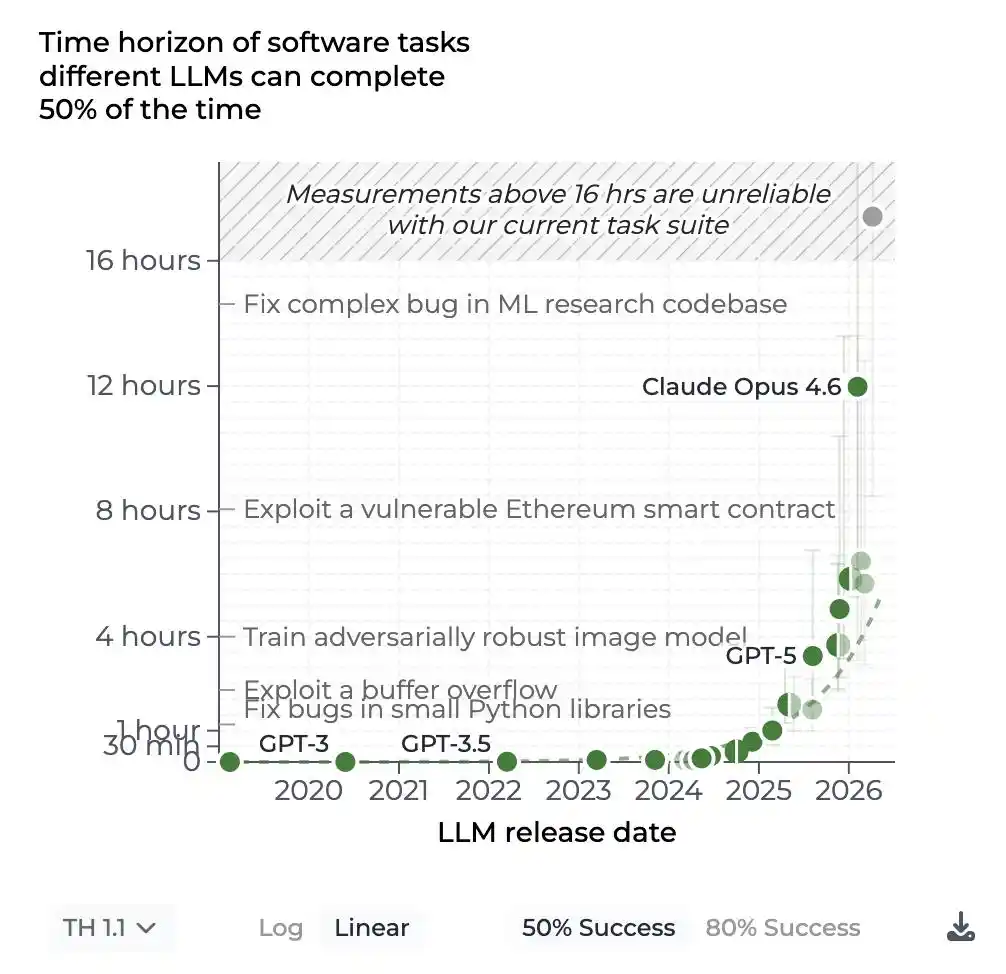
他描述了一个很微妙的时间点:很多人是在今年年初「一觉醒来」,突然意识到:AI agent在我这一行,真的能干活了。

不是玩具。不是demo。是能替你完成有意义的、长周期的真实工作(long-horizon work)。

这意味「模型自己做研究」这件事,不再是科幻片里的桥段。

它是从一连串已经发生的「神之一手」里,自然外推出来的下一步。

你顺着这条线往前看,终点处站着的,就是那个会自己搞研究的模型。

Scaling不止,预训练未死

可这种乐观,到底靠什么撑着?

靠一个信念:Scaling曲线还没到头。

这两年,「预训练已死」「语言模型到不了AGI」的论调隔三差五就要冒出来。

Mark Chen对这些唱衰「相当激烈地反对」。

他点破了套路。

「预训练已死」听着很新鲜,其实是部老掉牙的剧本,过去这些年被反复重播。
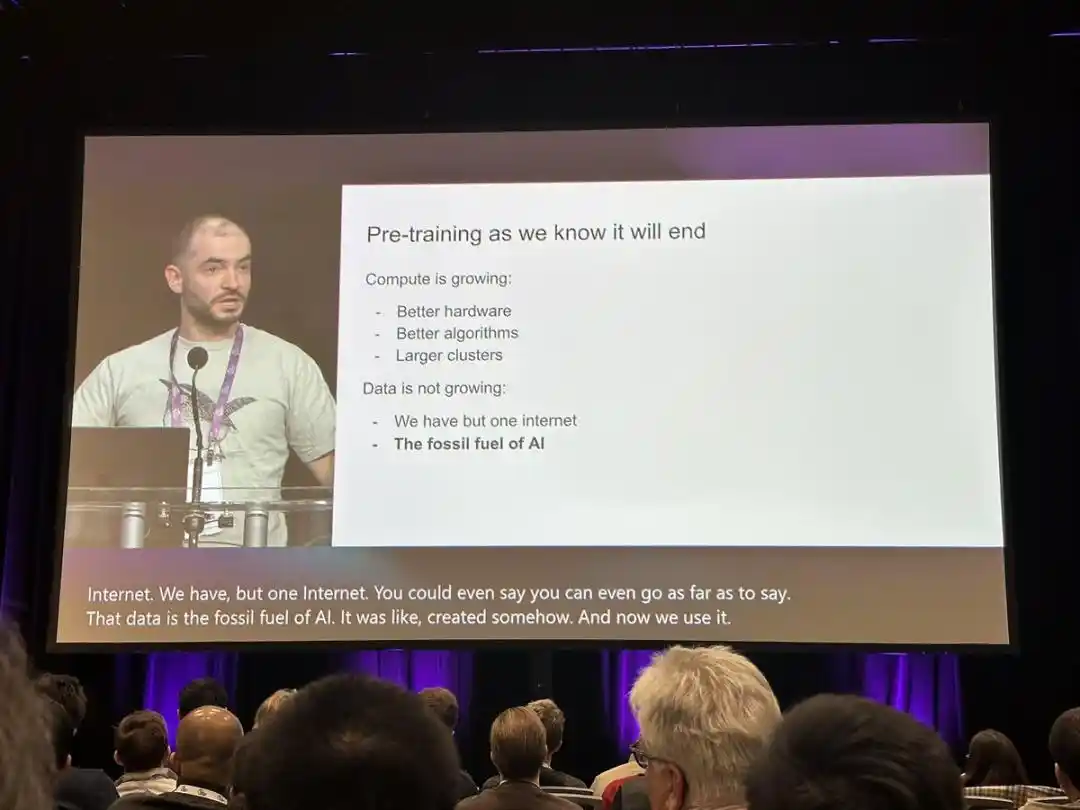
每一次,都有人指着某个瓶颈说「到顶了,过不去了」;每一次,OpenAI又总能掏出一个新的工程技巧、或某个研究上的新洞见,把那堵墙凿穿。

Mark Chen坚信,「我们正处在指数曲线上。它已经撑过了将近10个数量级,没有任何理由它不会继续撑下去。」
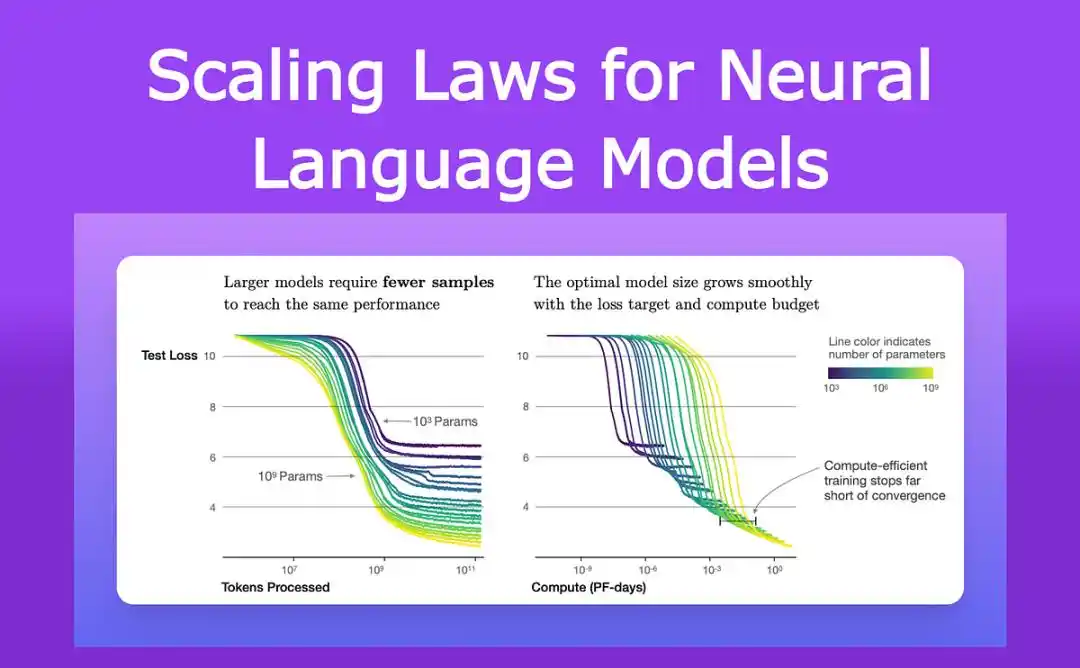
而最有说服力的证据,是OpenAI自己亲手赌赢过一次。

赌的,就是推理(reasoning)。

o1刚立项时,连OpenAI内部都有人不信。

当时「预训练+后训练」的范式太能打了,有人会很自然地问:机器已经转得好好的,何必再去折腾别的?

是Jakub Pachocki、Ilya Sutskever等几个有信念、有判断力的人硬推,才慢慢把它变成全公司的根本性赌注。
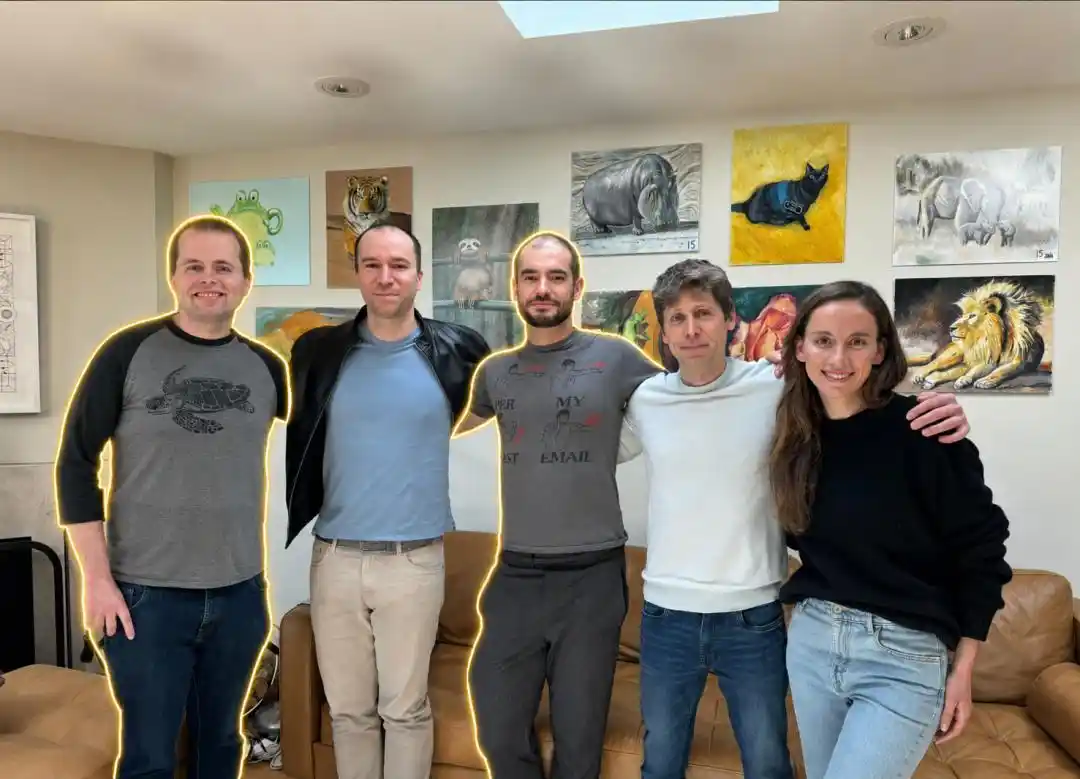
一年后,o1出世,推理范式引爆整个行业。

曲线还没到头,加上最大的突破往往来自一开始没人信的赌注,这两条加在一起,就是Mark Chen敢说「模型自我维持研究不远了」的底气。

当模型开始在长达数周、甚至数月的任务上进行思考时,它所产生的创新,可能已经超出了人类专家的认知盲区。

这正是「自我维持科研」的基石:如果它能推导出人类没见过的数学公式,它当然也能写出比人类更优的算法架构。

Vibe Researcher:当执行力变得廉价

我们已经有了vibe coder——动动嘴,让AI写代码。
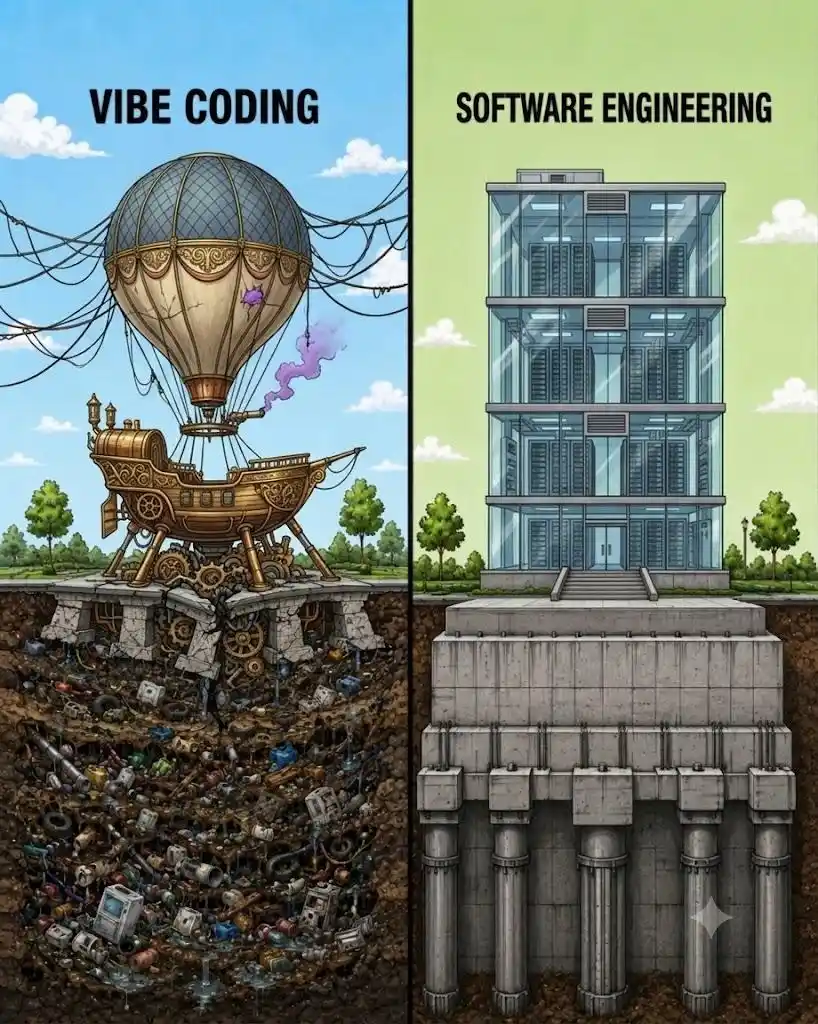
研究,也在往这个方向滑。

在访谈中,一个极具争议的概念被反复提及:Vibe Researcher(氛围研究员)。

这是一个略带自嘲但深思熟虑的职业预测。

Mark认为,未来的顶级研究员将不再是那个写下每一行PyTorch代码的人,而是那个「拿捏感觉」的人。

无论是OpenAI还是其他实验室,你都开始看到,大量的工作正在变成以「编排」(orchestration)为主。

翻译成人话:人负责出主意,模型负责把活全干完。

研究员动脑子想点子,剩下的实现、执行、调度,模型自己搞定。

OpenAI的三年路线图,终点写得明明白白:让模型做端到端(end-to-end)的研究,从出主意到出成果,全程自己来。
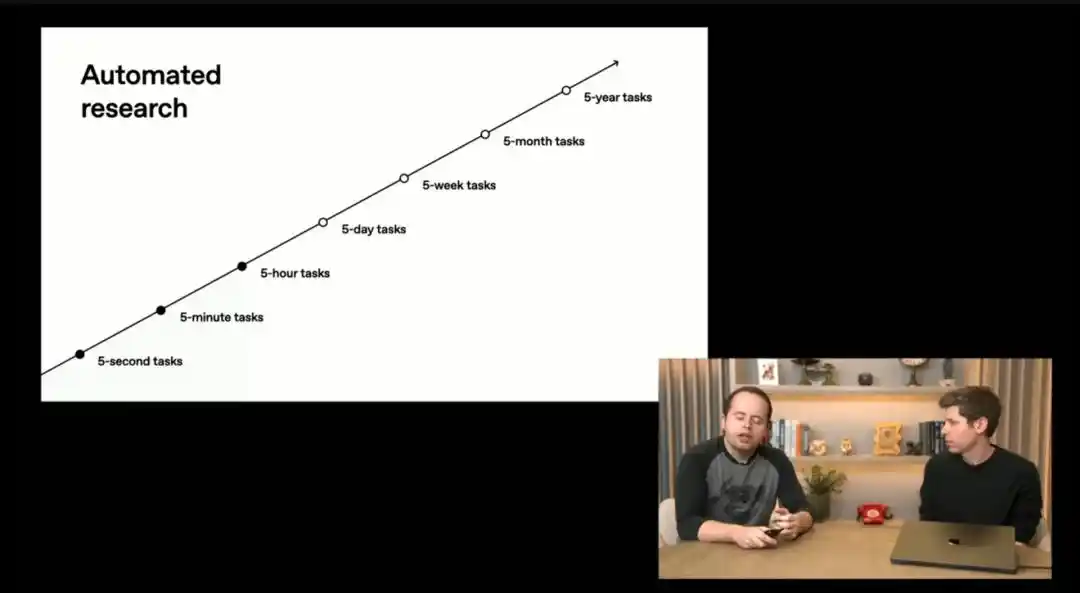
但这条路上,全是还没填平的坑

随着AI能够自主执行和编排(Orchestration)任务,人类的工作将被极限压缩到两端:

1、提出真正的问题。

2、判断AI给出的答案是否有「灵魂」。

这就是所谓的「品味」(Taste)

因为机器没有「生活」,所以它没有「常识」,也就无从产生「品味」。

但冷静下来想,Mark Chen自己比谁都清楚,这条路远没有铺平。

第一个坑:评测,崩了。

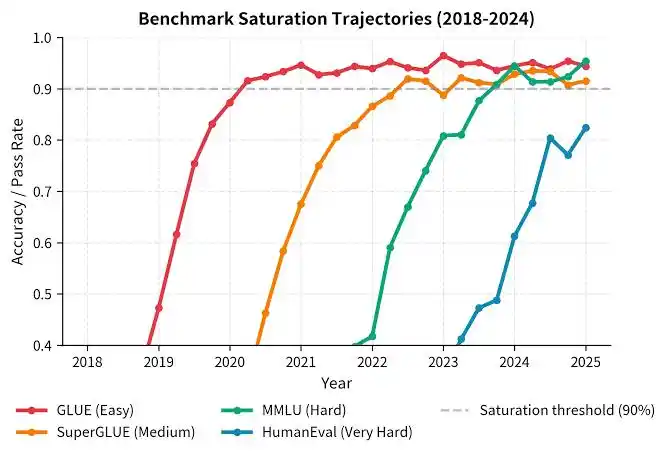
他用了一个内部词,叫「Benchmaxxing」(刷榜)——找一堆和测试集长得几乎一模一样的题,往死里训,分数好看得不得了,泛化能力半点没涨。

更糟的是,公认的金标准benchmark数量太少。

「我们真的处在一场评测危机里。」他说,SAT那种经典测试,对今天的模型全都饱和了。

甚至,一个评测一旦被公开到世界上,它就已经不是好评测了,就像一张印出来就立刻作废的考卷。
应对这一问题的两种策略:

1、将评估创建团队与模型优化团队分离,形成一种对抗性激励。

2、大规模部署模型并观察实际应用中的失败模式。
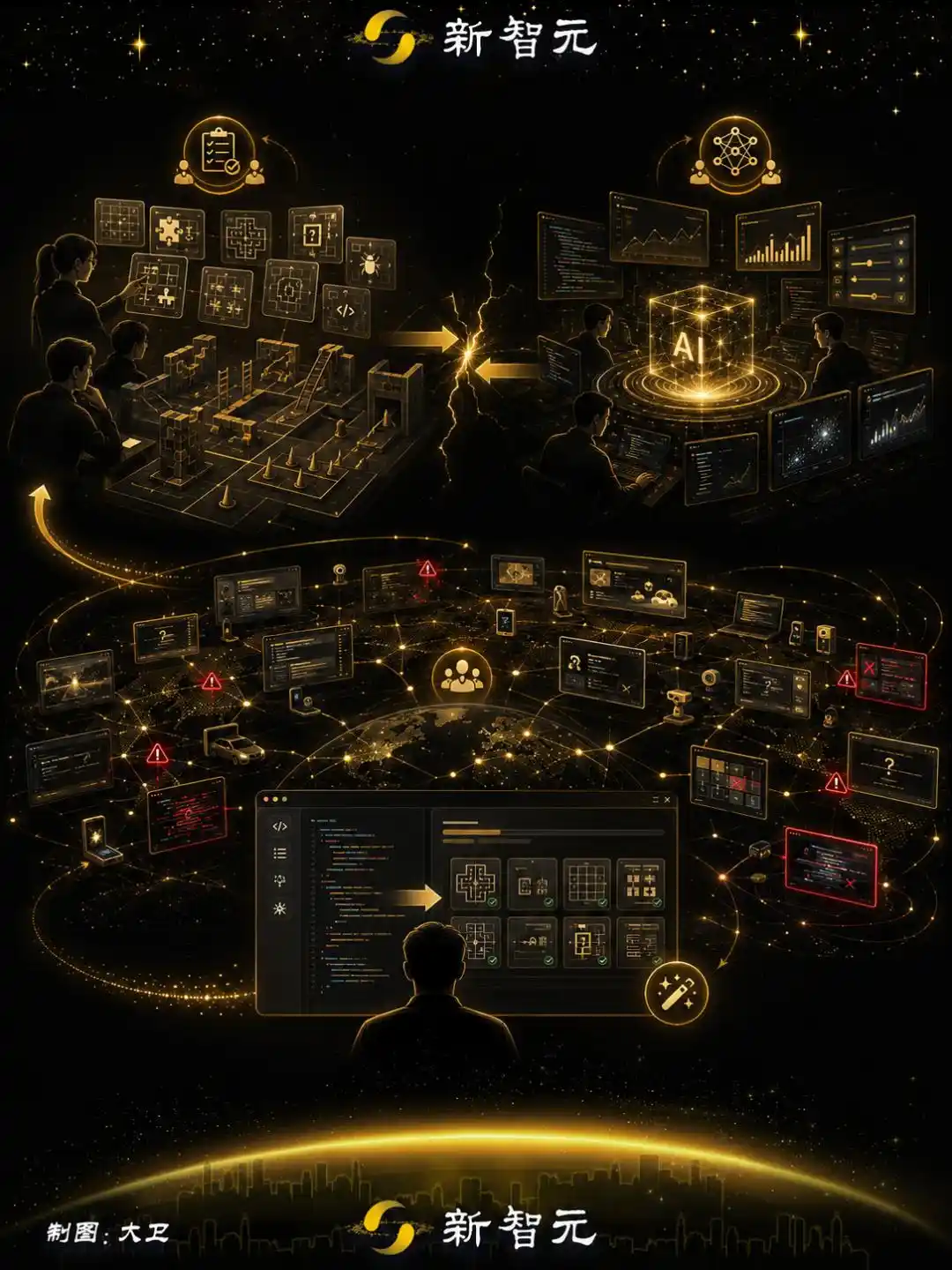
他还指出,每一项新能力的出现都会伴随着对应的评估需求,而引导评估方向是他工作中相当重要的一部分。

第二个坑:参差的前沿(jagged frontier)。

模型能拿下奥数、信奥级别的难题,却可能搞不定人类随手就能做的琐事,就一个能心算微积分、却不会自己系鞋带的天才。
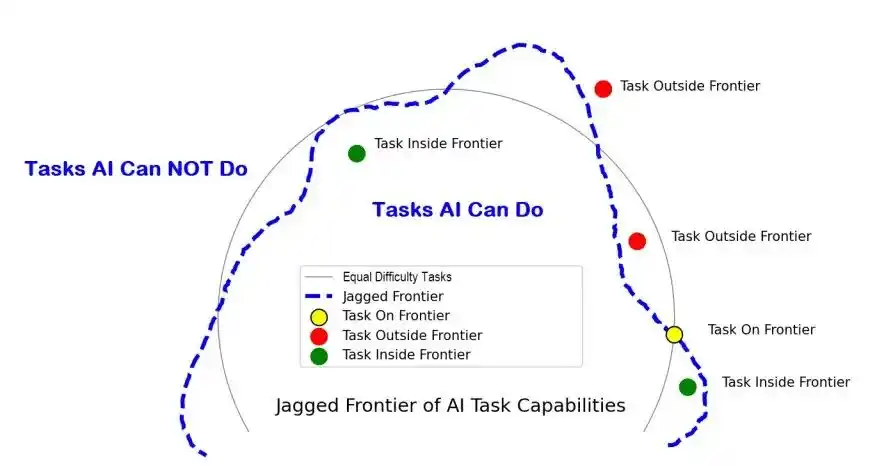
差在哪?差在「上下文」,差在持续学习(continual learning)——把一个任务里学到的教训,用到下一个任务上。

这对人太自然了,对模型,却是全行业正在死磕的硬骨头。

被问到通往AGI是不是还需要两三个根本性的突破,Mark没接。

他说,持续学习这种东西是「必须解锁的基础能力」,至于算不算"突破"他说不好,但「很多发都已经瞄准了球门,我相当确定它们会进。」

这就是他的态度:坑是真的,每一个坑都已经有人在填,而且他赌填得上。

汤的隐喻:在AGI之后去开个面馆

访谈中最温馨的一幕,是关于「汤」的故事。

据说Mark Zuckerberg曾试图用自制的汤去挖走OpenAI的研究员,而Mark Chen的回应则是:直接把汤带到办公室分给大家。
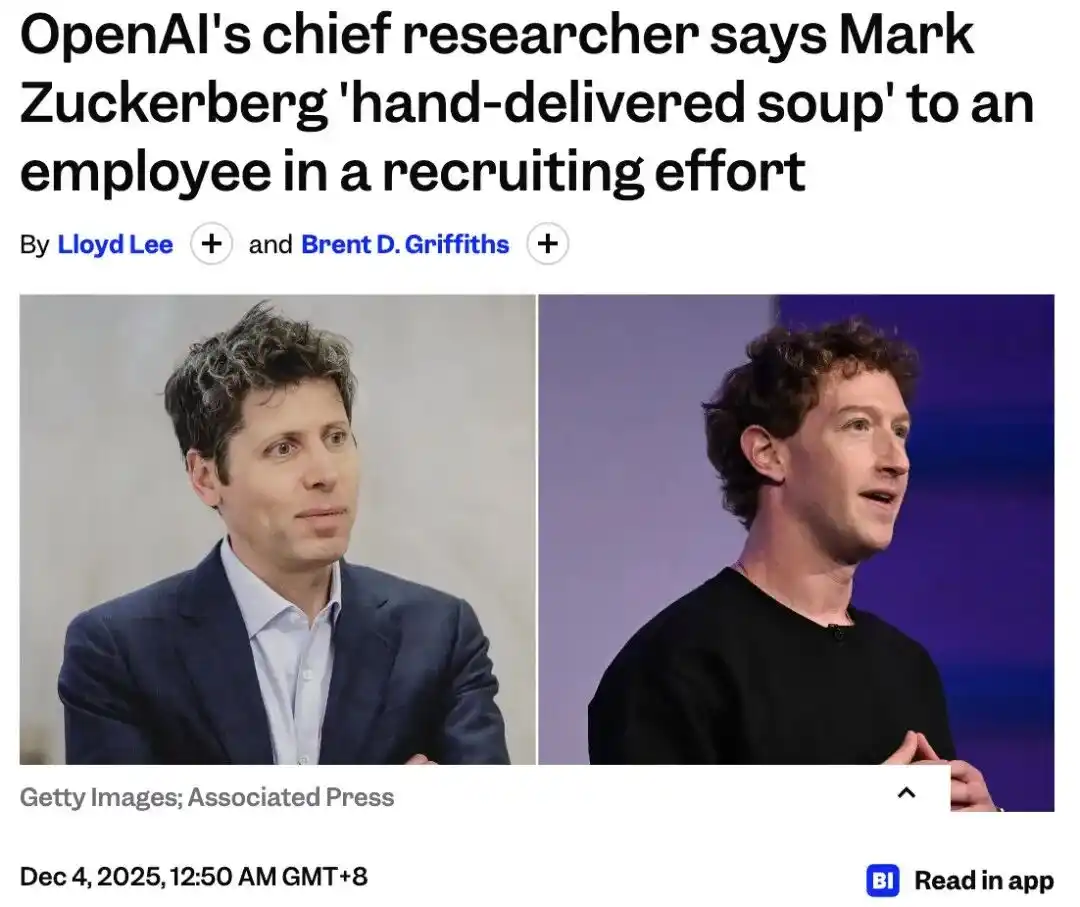
当被问到AGI实现后的终极愿望时,这位掌管着全球最强大AI大脑的人,回答:

「我想去开个面馆。这可能是我的AGI后爱好。」

这个回答里藏着深意。

当AI能够完成所有「自我维持的科研」,当所有的知识和创新都能以光速产生,人类最稀缺的资源将不再是智力,而是「体验」

机器可以算出一碗汤的最佳咸度,但它永远无法赋予这碗汤以「温度」和「故事」。

参考资料:

https://www.youtube.com/watch?v=fpAthTtha8c

https://finance.biggo.com/podcast/1241bc21164ccc75

本文来自微信公众号“新智元”,作者:ASI启示录

Trending Cryptos

Related Questions

Q根据OpenAI首席研究官Mark Chen的观点,通用人工智能(AGI)何时可能到来?

AMark Chen没有给出AGI到来的具体时间点,但他表示AGI“即将到来”,并强调人类留给自己的窗口期“很小”,暗示可能比许多人预期的更早。

QMark Chen认为,当前AI发展的主要瓶颈是什么?

AMark Chen指出了两大主要挑战:一是“评测危机”,即现有的标准评估方法(Benchmarks)对先进模型已经失效,难以衡量真实能力;二是“参差的前沿”,即模型在复杂专业任务上表现出色,但在需要常识、上下文和持续学习的日常任务上仍有不足。

Q文章中提到“Vibe Researcher”是什么意思?这预示着研究领域将如何变化?

A“Vibe Researcher”(可译为“氛围研究员”或“感觉研究员”)是Mark Chen提出的一个概念,指未来研究人员的角色将从亲手执行具体研究任务,转变为提出创意、把握方向和进行“编排”(Orchestration),即主要负责出主意和判断成果的“品味”(Taste),而把具体的执行、实现等工作交给AI模型完成。

Q为什么Mark Chen对“预训练已死”这类论调表示强烈反对?

AMark Chen认为“预训练已死”是周期性出现的过时论调。他坚信扩展律(Scaling Laws)依然有效,AI能力仍在指数曲线上增长。他举例说明了OpenAI通过工程突破和新洞见(如押注重推理的o1模型)多次打破了所谓的“天花板”,因此没有理由认为这条增长曲线会很快终结。

Q在Mark Chen的想象中,AGI实现后人类最宝贵的价值是什么?他个人的愿望是什么?

AMark Chen认为,当AGI能够完成所有自我维持的科研后,人类最稀缺的资源将不再是智力或知识创造力,而是独特的“体验”、“温度”和“故事”。这些是AI无法替代的。他个人在AGI实现后的终极愿望是“去开个面馆”,这象征性地表达了对回归人性化、有温度的生活体验的向往。

Related Reads

In the AI Era, What's Left for Bitcoin?

As Bitcoin falls below $60,000, the author reflects on the relationship between AI and Bitcoin, seeing them as two sides of the same coin. In the AI era, the cost of generating content has plummeted, making fake text, images, and videos increasingly easy and cheap to produce. This has led to a fundamental shift: while AI dramatically lowers the cost of information production, it also undermines trust and authenticity online. What becomes truly valuable is not more content, but the ability to verify what is real—"verifiability." This perspective offers a new lens for Bitcoin. Its massive energy consumption, often criticized as wasteful, is reinterpreted. While AI burns energy to enhance "capability" and efficiency, Bitcoin burns energy to produce "verifiability." Its purpose is not to be trusted but to enable a system where no trust in intermediaries—banks, platforms, or developers—is needed. Every transaction and the entire ledger's history is secured by cryptography and a decentralized network of nodes, making it independently verifiable. AI cannot forge a transaction on the Bitcoin network because the system is designed for proof, not generation. The author draws a historical parallel to the Renaissance: the printing press drastically reduced the cost of copying knowledge, while double-entry bookkeeping reduced the cost of trust in commerce. Today, AI is the new printing press, reducing content creation costs to near zero. Blockchain, and Bitcoin as its pioneer, may be the modern equivalent of double-entry bookkeeping—a foundational technology for verifying digital asset ownership and historical records without centralized authorities. Thus, AI and blockchain are not competitors. AI lowers the cost of creation; blockchain lowers the cost of verification. In an age where AI can generate anything, true scarcity may lie not in more content, but in independently verifiable facts. Whether the market will reprice Bitcoin accordingly remains uncertain, but its core value proposition as a "machine for producing verifiability" becomes strikingly relevant.

marsbit52m ago

In the AI Era, What's Left for Bitcoin?

marsbit52m ago

In the Age of AI, What's Left for Bitcoin?

Author: Sevclub, Seven Research Amid Bitcoin's recent drop below $60k, the author reflects on a growing sense that AI and Bitcoin are two sides of the same coin. Today, encountering any content triggers a new default question: "Was this made by AI?" The cost of generating convincing text, images, and video is now negligible. While the internet lowered information *distribution* costs, AI is crashing information *production* costs to near zero. The consequence is a flood of content where truth and falsehood are increasingly indistinguishable. In this environment, what becomes truly valuable is not more information, but the ability to verify what is real—"verifiability." This reframes the common criticism that Bitcoin "wastes electricity." AI consumes power to produce "capability" (e.g., more powerful models). Bitcoin consumes power to produce something else: "verifiability." Bitcoin's core purpose isn't about belief or trust in any institution, developer, or even its creator. It's about enabling independent verification. Every bitcoin's origin, every transaction, and the integrity of the entire ledger are secured by mathematics, cryptography, and a global network of nodes. AI can fabricate convincing media, but it cannot falsify a transaction on the Bitcoin network. The expended energy makes篡改历史 (tampering with history) prohibitively expensive, purchasing a globally verifiable ledger. The author draws a historical parallel to the Renaissance. The printing press drastically reduced the cost of copying knowledge, while double-entry bookkeeping reduced the cost of trust in commerce—one enabled creation, the other verification. Today, AI is the new printing press, driving content production costs toward zero. The question becomes: what is this era's "double-entry bookkeeping"? Blockchain appears to be the leading candidate. It doesn't verify which news is true or which image is real, but it provides a foundational layer for independently verifying asset ownership and historical records in the digital realm without centralized authorities. Therefore, AI and blockchain are not in competition. AI lowers the cost of *generation*. Blockchain (and Bitcoin as a prime example) lowers the cost of *verification*. One creates, the other proves. Whether Bitcoin ultimately succeeds remains uncertain, facing potential challenges from quantum computing, regulation, and technical evolution. However, the author now sees it less as a "machine for making bitcoin" and more as a "machine for making verifiability." In an age where AI can generate anything, true scarcity may no longer be "more content," but "more independently verifiable facts." Whether the market will price this accordingly is a separate question.

链捕手1h ago

In the Age of AI, What's Left for Bitcoin?

链捕手1h ago

Trading

Spot

Hot Articles

Discussions

Welcome to the HTX Community. Here, you can stay informed about the latest platform developments and gain access to professional market insights. Users' opinions on the price of S (S) are presented below.

活动图片