加密货币ATM巨头Bitcoin Depot警告可能倒闭

bitcoinistPublished on 2026-05-16Last updated on 2026-05-16

Abstract

加密货币ATM巨头Bitcoin Depot警告可能倒闭。该公司在加拿大运营约220台机器时,加政府于2026年4月提出全国禁令以打击诈骗和洗钱,对其造成重击。该公司在提交给美国证交会的文件中表示,管理层对业务持续运营能力存在“重大疑问”。 首席财务官指出,2025年第四季度积累了超过2000万美元的法律判决,同时面临多州监管机构的诉讼以及交易量骤降。2026年第一季度收入同比减少8000万美元,净亏损950万美元。公司认为监管收紧和合规控制加强是客户减少使用机器的主因。 法律压力早在加拿大提案前就已开始,例如2026年1月向缅因州支付近200万美元和解。随后马萨诸塞州、爱荷华州等多州及地方政府也对该公司采取行动或限制其业务。其股价在五天内暴跌超40%。 2026年3月,公司更换了仅任职三个月的CEO,由拥有合规背景的Alex Holmes接任。公司正试图处理现有法律风险并适应剧变的市场,但新领导层能否稳定业务仍是未知数。机器仍在运行,诉讼未止,美加两边的监管之墙正在逼近。

当加拿大政府在四月发布春季经济更新报告,提议为打击诈骗犯和洗钱者而在全国范围内禁止加密货币ATM机时,Bitcoin Depot在加拿大境内大约有220台机器在运行。这对该公司来说,时机再糟糕不过了。

无路可走的公司

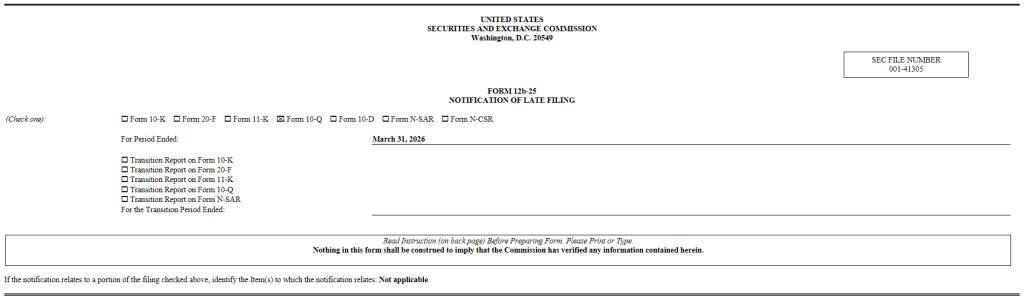
这家总部位于亚特兰大的加密货币自助服务终端运营商周二在向美国证券交易委员会提交的10-Q表格中披露,管理层对该业务能否持续运营存在"重大疑问"。

首席财务官David Gray列举了2025年第四季度累积的超过2000万美元的法律判决,以及来自州监管机构的一波诉讼和交易量的急剧下降。

与去年同期相比,2026年第一季度收入下降了8000万美元。该公司在这三个月内还录得950万美元的净亏损。

官员们指出,日益收紧的监管和强化的合规控制是客户减少使用这些机器的主要原因。

来源:SEC

各州正在关上大门

法律压力在加拿大提案之前就已开始。一月份,Bitcoin Depot向缅因州消费者信贷保护局支付了近200万美元以了结一项投诉。

此后,马萨诸塞州、爱荷华州和其他州也对该提起了诉讼。个别市镇也采取措施限制或禁止加密货币自助服务终端,地方官员称此举源于对居民成为诈骗受害者的担忧。

BTCUSD当前交易价格为78,103美元。图表:TradingView

在纳斯达克以股票代码BTM交易的Bitcoin Depot股票在五个交易日内下跌超过40%,从5美元跌至2.90美元。

三月份,公司解雇了仅任职三个月的首席执行官Scott Buchanan,由Alex Holmes接任。

Holmes于2016年至2024年期间运营MoneyGram,以其在监管合规方面的背景而闻名——这显然是Bitcoin Depot目前急需的技能。

领导层变动,前路未卜

该公司在SEC的文件中将收入下降归因于监管影响和强化合规控制的双重作用。

报告指出,Bitcoin Depot正试图管理现有的法律风险,同时适应与一年前大不相同的市场环境。

新领导层能否稳定业务仍有待观察。机器仍在运行。诉讼并未停止。而边境两侧的监管之墙正日益逼近。

特色图片来自ICIJ,图表来自TradingView

Trending Cryptos

Related Questions

Q根据文章,导致比特币自助服务亭运营商Bitcoin Depot收入下降和运营困难的主要因素有哪些?

A导致Bitcoin Depot收入下降和运营困难的主要因素包括:加拿大政府提议全国禁止加密货币ATM、美国多个州和地方政府对公司的诉讼和禁令、超过2000万美元的法律判决债务、第一季度交易量急剧下降以及营收减少8000万美元。公司指出,法规收紧和合规控制加强是客户减少使用机器的主要原因。

Q在2026年第一季度,Bitcoin Depot的财务表现具体如何?

A在2026年第一季度,Bitcoin Depot的营收与去年同期相比减少了8000万美元,并录得950万美元的净亏损。

QBitcoin Depot在2026年3月进行了怎样的高层管理人员变动?

A2026年3月,Bitcoin Depot任命了拥有监管合规背景的Alex Holmes为新任首席执行官,取代了仅任职三个月的Scott Buchanan。Alex Holmes曾在2016年至2024年间担任MoneyGram的首席执行官。

Q文章提到了哪些美国州对Bitcoin Depot采取了法律行动?

A文章提到,美国缅因州、马萨诸塞州和爱荷华州等州已对Bitcoin Depot提起法律诉讼或采取行动。其中,公司曾向缅因州的消费者信贷保护局支付近200万美元以解决一项投诉。

QBitcoin Depot的股票(纳斯达克代码:BTM)在文章描述的五天期间内价格有何变化?

A在文章描述的五天交易期间内,Bitcoin Depot(股票代码BTM)的股价从5美元暴跌超过40%,跌至2.90美元。

Related Reads

Podcast Notes | Conversation with GSR Asset Management Head: To Determine if This Crypto Rally is Real, Just Watch the Lending Rates on Aave

Podcast Summary: Dialogue with GSR's Head of Asset Management: To Determine if This Crypto Rally is Real, Just Check Lending Rates on Aave Andy Baehr, Managing Director of Asset Management at GSR, discusses the current crypto market, characterizing it as stuck in a state of "ambivalence" with short-lived, unsustainable rallies. He outlines a simple framework: the market moves between "ambivalence" and "conviction" (sustained upward momentum). Currently, every rally resembles a single-stage rocket booster that quickly fizzles out. Baehr identifies three key signals to watch: 1) DeFi lending rates, 2) the potential passage of the CLARITY Act, and 3) the market forming a consensus on the "Fed hawkish peak." He emphasizes that the most immediate indicator for the sustainability of the recent CPI-triggered rally is the USDC borrowing rate on Aave, currently around 3.75%—close to U.S. Treasury yields. The absence of a credit spread indicates low leverage demand and a lack of market energy. He explains that a healthy, sustained rally requires layered buying pressure. Last year's rally progressed from an ETH short squeeze to crypto-native trader influx and finally to ETF inflows. Currently, this structure is missing. Other potential structural buyers like Digital Asset Treasury (DAT) companies are absent, and ETF flows have proven transient. Baehr notes that while small-cap crypto tokens outperformed large caps in Q2—a potential sign of capitation in major assets—capital is also flowing to more exciting opportunities like AI stocks and tech IPOs, leaving crypto sidelined. Regarding DeFi, he highlights that platforms like Aave provide a clear, real-time signal of leverage demand through their supply/demand-driven interest rates. A significant, sustained rate increase would signal genuine market conviction. He also observes the quiet emergence of fixed-income-like products and vaults in DeFi. On regulation, the probability of the CLARITY Act passing before the August 7th deadline has dropped linearly from 75% to below 40% on Polymarket. Baehr suggests its passage would be treated as a bullish surprise, a potent driver for price movement. However, political hurdles, including ethical clause debates and disclosures about the First Family's crypto profits, remain significant obstacles. Ultimately, the market awaits clarity on the Fed's terminal rate under Chair Warsh. Until the "Fed Solstice"—the point where the market collectively understands the peak of hawkish policy—sustained conviction will be difficult to achieve.

marsbit3m ago

Podcast Notes | Conversation with GSR Asset Management Head: To Determine if This Crypto Rally is Real, Just Watch the Lending Rates on Aave

marsbit3m ago

7 Months After the Collapse of Huiwang, Southeast Asia's Escrow Platforms Undergo a Major Reshuffle

Following the collapse of Huione Pay—dubbed the "Alipay of Southeast Asia"—seven months ago, the region's underground financial guarantee platform sector is undergoing a significant reshuffle. This power vacuum has been swiftly filled by emerging platforms such as XinBi, Tiger/Navigator, JinBei (renamed JinBo), Dali/Tiancheng, and FullyLight. These platforms, operating largely via Telegram and offering services like escrow for illicit transactions, have absorbed the vast user base and markets left behind by Huione. While positioning themselves as "trust intermediaries," their primary clientele consists of networks involved in online scams, money laundering, illegal gambling, and even human trafficking. For instance, the Tiger/Navigator platform explicitly provides "escrow" services for kidnapping-for-ransom operations ("强押车交易"). Data underscores the immense scale: Huione alone processed over $103 billion in cryptocurrency payments and facilitated over $31 billion through its escrow market before its downfall, linking it to Cambodia's notorious Prince Group. Since its collapse, competitors have seen explosive growth. For example, the XinBi platform has accumulated over $1.6 billion in total USDT revenue, while platforms like NewPay, OkPay (under Dali), and FullyLight Wallet collectively processed over $4.8 billion in USDT in a single year. This ecosystem thrives in regions like Cambodia and Myanmar, where regulatory gaps allow these platforms to act as critical financial infrastructure for sprawling cybercrime industries, from scam compounds to online casinos. The article concludes that the moniker "Southeast Asian Alipay" is a misnomer, obscuring the platforms' fundamental role in enabling serious criminal enterprises rather than representing legitimate financial innovation.

Odaily星球日报1h ago

7 Months After the Collapse of Huiwang, Southeast Asia's Escrow Platforms Undergo a Major Reshuffle

Odaily星球日报1h ago

The Changing Landscape: What Are Crypto VCs Experiencing?

Title: The Shifting Landscape of Crypto Venture Capital The era of dedicated crypto venture capital funds is undergoing a significant transformation. Once essential for navigating the sector's complexity and high risk, these specialized funds are now facing an identity crisis as the market matures. This shift mirrors historical patterns in other specialized investment classes like cleantech and SPACs, where initial information advantages dissipate as technologies become mainstream and integrated into existing industry frameworks. The article argues that crypto is reaching a critical inflection point, transitioning from a "building phase" to an "integration phase." Major players like Stripe, BlackRock, and Visa now engage with crypto not for its novel mechanics but as a foundational financial infrastructure. Their needs—regulatory compliance, banking partnerships, distribution channels—align with traditional fintech, a domain easily understood by large, generalist funds like Sequoia and Founders Fund. This evolution creates a "barbell effect" within the VC landscape. On one end are massive, diversified platforms that can incorporate crypto as one vertical among many. On the other are small, nimble funds focused on niche, experimental projects. The middle ground—medium-sized dedicated crypto funds—is being squeezed out. Their typical fund size makes it impossible to generate sufficient returns solely from early-stage crypto bets, yet they cannot compete with giants for later-stage deals. Consequently, leading crypto-native firms like Paradigm and Framework Ventures are expanding into AI, robotics, and other sectors, driven partly by LP pressure for better returns amid a broader VC DPI crisis. Others, like Dragonfly and a16z, have narrowed their crypto focus predominantly to financial infrastructure like stablecoins, reframing the sector's core narrative. For crypto entrepreneurs, this consolidation presents challenges. While generalist funds offer larger checks and broader resources, crypto projects now compete fiercely with AI for attention and capital within these firms. Furthermore, the long-term, non-commercial foundational work that built the ecosystem—funded by dedicated crypto VCs—is less likely to attract generalist capital focused on direct returns. The conclusion is that "crypto investor" as a standalone category is becoming obsolete, akin to "internet investor." Crypto is becoming a baseline infrastructure layer. The future will see a barbell structure: large-scale growth financing handled by generalist funds, while pioneering, speculative projects are funded by small, specialized vehicles. The dedicated crypto funds of the 2017-2021 boom, which incubated core infrastructure, are giving way to this new, bifurcated reality.

Foresight News1h ago
The Changing Landscape: What Are Crypto VCs Experiencing?

Foresight News1h ago

Trading

Spot

Hot Articles

How to Buy ATM

Welcome to HTX.com! We've made purchasing Atletico De Madrid Fan Token (ATM) simple and convenient. Follow our step-by-step guide to embark on your crypto journey.Step 1: Create Your HTX AccountUse your email or phone number to sign up for a free account on HTX. Experience a hassle-free registration journey and unlock all features.Get My AccountStep 2: Go to Buy Crypto and Choose Your Payment MethodCredit/Debit Card: Use your Visa or Mastercard to buy Atletico De Madrid Fan Token (ATM) instantly.Balance: Use funds from your HTX account balance to trade seamlessly.Third Parties: We've added popular payment methods such as Google Pay and Apple Pay to enhance convenience.P2P: Trade directly with other users on HTX.Over-the-Counter (OTC): We offer tailor-made services and competitive exchange rates for traders.Step 3: Store Your Atletico De Madrid Fan Token (ATM)After purchasing your Atletico De Madrid Fan Token (ATM), store it in your HTX account. Alternatively, you can send it elsewhere via blockchain transfer or use it to trade other cryptocurrencies.Step 4: Trade Atletico De Madrid Fan Token (ATM)Easily trade Atletico De Madrid Fan Token (ATM) on HTX's spot market. Simply access your account, select your trading pair, execute your trades, and monitor in real-time. We offer a user-friendly experience for both beginners and seasoned traders.

3.2k Total ViewsPublished 2024.03.29Updated 2025.03.21

How to Buy ATM

Discussions

Welcome to the HTX Community. Here, you can stay informed about the latest platform developments and gain access to professional market insights. Users' opinions on the price of ATM (ATM) are presented below.

活动图片












