穿越三轮牛熊、惊险复活、持续赚钱:Curve 成为 DeFi“流动性中枢”的真正原因

marsbitPublished on 2025-11-14Last updated on 2025-11-15

Curve 并非靠运气挺过每一次熊市。

它之所以能存活下来,是因为它专为一件事而打造:可持续性。

从 2019 年的一个数学实验到 2025 年成为全球流动性支柱,Curve 的发展历程就是真实收益、激励协调一致和社区韧性的演进。

下面一起逐年回顾:

2019 年:StableSwap(一种新的 AMM 理念)的诞生

当时 DeFi 还处于萌芽阶段。像 DAI、USDC 和 USDT 这样的稳定币很受欢迎,但交易者面临高滑点,流动性提供者(LP)的收益也很低。

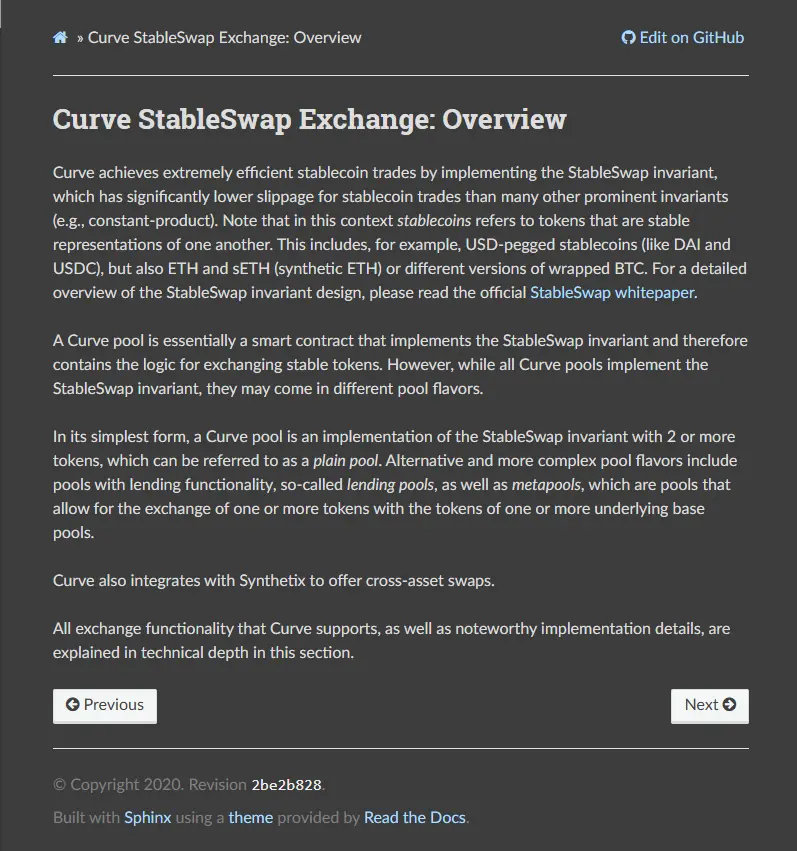
Michael Egorov 发现了这一缺陷,并推出了 StableSwap,这是一种新的 AMM 模型,结合了常和函数(constant-sum)与常积函数(constant-product),使稳定资产的滑点接近于零。
veCRV

这并非只是另一个 DEX 概念。

这是一个数学上的突破,为 LP 带来了深度流动性与真实收益。

StableSwap 成为了 Curve Finance 的基因:首个真正为稳定币效率而优化的 AMM。

2020 年:Curve Finance 与 veTokenomics 的曙光

2020 年初,Curve Finance 正式上线,其使命明确:

通过高效的稳定币流动性提供稳定的收益。但其真正的创新出现在 2020 年 8 月,推出了 CurveDAO 和 veCRV 模型(投票锁仓机制),这是一种重新定义 DeFi 治理的代币经济设计。

Curve 不再奖励短期参与者,而是激励长期合作:

  • 锁定 CRV --> 获得 veCRV
  • 投票决定哪些资金池获得奖励
  • 获得更高的收益

这种结构构建了一个良性飞轮,将 LP 转变为利益相关者,并开启了传奇的 “Curve 之战”,Convex、StakeDAO 和 Yearn 等 DAO 为争夺 veCRV 权力而展开激烈竞争。

到年底,Curve 的 TVL 超 10 亿美元,巩固了其作为 DeFi 流动性支柱的地位。

2021 年:扩大流动性,深化社区

2021 年,Curve 证明了其可扩展性。

  • 其日交易量达到 10 亿美元,每天产生 40 万美元的费用,全部分配给 veCRV 持有者。
  • Tricrypto(USDT/WBTC/WETH)的推出使 Curve 超越了稳定币的范畴。

当其他项目追求不可持续的收益时,Curve 则专注于真正的收益和流动性深度。

每次交易都创造了价值,每个 LP 都获得了真实的收益。

与此同时,社区逐渐成熟,治理投票增加、贿选(bribes)行为加剧,“Curve 之战”将治理变成了一场经济与博弈论交织的杰作。

Curve 不再仅仅是一个协议,而是一个经济生态系统。

2022 年:熊市压力测试

随着 2022 年熊市重创“DeFi 2.0”,Curve 的基本面受到考验,但表现坚挺。

即便 DeFi 领域的流动性普遍枯竭,Curve 的 StableSwap 不变系统和 veCRV 结构仍使激励机制保持一致:

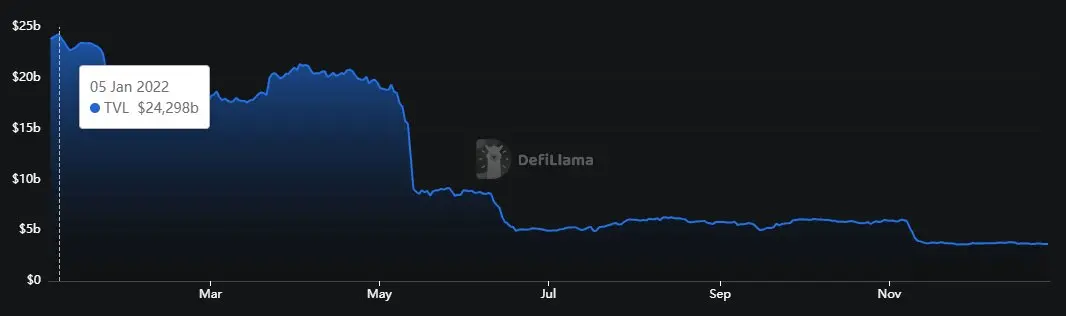
  • 2022 年 1 月 TVL 超过 240 亿美元达到峰值,到 2022 年年中,Curve 仍有超过 57 亿美元的 TVL
  • LP 从稳定的交易量中获得稳定的费用
  • 由于长期锁定,CRV 的抛售压力保持在低位

veCRV

Curve 还通过 Aurora、Arbitrum 和 Optimism 扩展了跨链业务,巩固了其作为多链流动性标准的地位。

在其他项目纷纷消失之际,Curve 用实际行动展示了经济韧性。

2023 年:危机与社区韧性

2023 年 8 月,Curve Finance 因 Vyper 编译器漏洞被攻击,损失约 7300 万美元,多个稳定币池受到影响。对大多数协议来说,这无疑是致命的打击。

但 Curve 却挺了过来。

几周内,白帽黑客、合作伙伴和 veCRV 持有者迅速行动。通过社区协调和谈判,73% 的被盗资金得以追回,这在 DeFi 历史上实属罕见。

与此同时,Curve 推出了 crvUSD,这是一种去中心化的超额抵押稳定币,为 veCRV 持有者带来了真正的实用价值和新的收益来源。

Curve 的社区证明了它不仅活跃,而且经过了实战考验。

2024 年:扩展生态系统飞轮

Curve 从自动做市商(AMM)发展成为一个完整的 DeFi 生态系统:

  • LlamaLend:无需许可的借贷服务,支持 ETH 和 WBTC 作为抵押品。
  • Savings crvUSD (scrvUSD):一种产生收益的稳定币,连接了 DeFi 和 TradFi。
  • CRV 的通胀率降至 6.35%,巩固了代币长期价值。
  • 与贝莱德支持的 BUIDL 基金建立的合作关系,将 Curve 的流动性与机构资本相连接。

veCRV 系统继续支撑着这一增长:将用户、DAO 乃至机构围绕 Curve 的流动性引擎进行整合。

2025 年:流动性、收益与传承

到 2025 年,Curve 不再仅仅是一个 DEX,它已成为 DeFi 流动性的支柱。

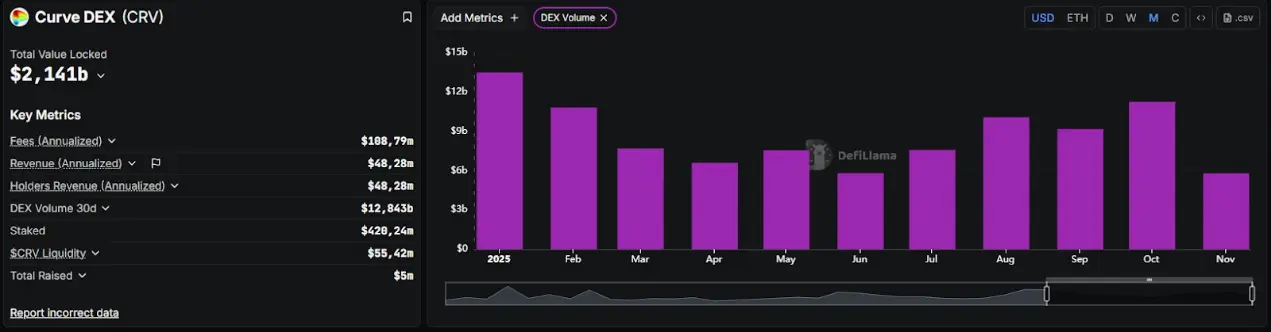
第一季度交易量达到 346 亿美元(同比增长 13%),超过 550 万笔交易,日均交易量 1.15 亿美元,该协议继续为 veCRV 持有者每年产生 1940 万美元的费用。
veCRV

crvUSD 达到 1.78 亿美元的历史最高市值,而 Curve 则在全球 DEX 中排名第二,TVL 达 19 亿美元。

最初作为稳定币自动做市商(AMM)的项目,现已发展成为一个基于数学(StableSwap)、经济学(veTokenomics)和社区信念的自给自足的流动性网络。

经受住周期考验的秘诀

Curve 的三大支柱是:StableSwap 提供的流动性深度;veTokenomics 提供的激励机制;社区的韧性。

当热门项目兴衰更迭之际,Curve 始终坚守其核心优势:将流动性转化为基础设施,将收益转化为持久价值。

Curve 的创立并非为了昙花一现,而是为长久发展而建。

Related Reads

Behind Robinhood's Chain Launch and Tokenized Stocks: No Equity Rights, How Far Can This Packaging Game Go?

Robinhood is launching its own Layer 2 blockchain (Robinhood Chain) and "tokenized stocks," but these are not actual equity shares. The tokens are legally structured as debt securities or derivatives, offering economic exposure to a reference stock without granting voting rights or direct ownership. This move represents Robinhood's strategy to expand from a traditional brokerage into a "financial super app," building a user-friendly, programmable financial interface on top of complex, legally compliant, and jurisdiction-specific backend structures. The company's existing business remains strong, driven by options, event contracts, and stock trading. The new blockchain and tokenization efforts are an ambitious layer of infrastructure built atop this core, aiming to make financial products more portable and globally accessible via crypto rails. Key components include the Robinhood Wallet, Bitstamp acquisition (for institutional reach), the Lighter perpetual contracts platform, and Robinhood Earn (DeFi yield). The central challenge is the "brokerage chain paradox": maintaining a simple, intuitive user experience while the underlying assets are highly structured, regulated, and legally distinct from direct ownership. The success of this strategy depends on users, developers, and regulators accepting this model. If the complexity is misunderstood or deemed misleading, it could create product liability issues and stall expansion. The initiative is a significant infrastructure play, but its long-term viability hinges on navigating this fundamental tension between simplicity and legal reality.

marsbit42m ago

Behind Robinhood's Chain Launch and Tokenized Stocks: No Equity Rights, How Far Can This Packaging Game Go?

marsbit42m ago

Zhipu, Afraid of Becoming the Next MiniMax

Title: Zhipu, Fearing to Become the Next MiniMax In July 2026, amid the success of its coding-focused AI, Zhipu's founder, Tang Jie, issued an internal letter titled "The Giant Wave Has Come." It notably avoided celebrating recent triumphs, such as Zhipu's trillion-HKD market cap and booming MaaS revenue driven by its GLM-5.2 model in coding applications. Instead, the letter pivoted the narrative to future-oriented concepts like Long Horizon Task, Autonomous Agents, Self-Evolving systems, and AGI. This strategic shift in messaging followed the sharp devaluation of its competitor, MiniMax. After its lock-up period expired, MiniMax's stock plummeted as the market began evaluating it with traditional SaaS metrics like ARR and user growth, rather than as a frontier AI pioneer. Seeing this, Tang Jie aimed to preempt a similar revaluation of Zhipu. He fears that if the market starts viewing Zhipu primarily as a profitable "AI coding company," its valuation would become anchored to conventional financial metrics, losing the premium associated with AGI potential. Therefore, the letter reframed Zhipu's mission. While acknowledging that coding was the current commercial driver, Tang positioned Zhipu on the "infrastructure path," akin to OpenAI and Anthropic. The new focus is on developing agents capable of complex, long-term planning and autonomous operation—moving from assisting individuals (OPC: One Person Company) to automating entire organizations (NPC: No People Company). This "Touch High" plan explicitly prioritizes long-term AGI research over short-term monetization. The article frames this as a critical divergence in China's AI landscape: the "commercialization path" (exemplified by MiniMax) versus the "infrastructure path" (chosen by Zhipu). The former risks being judged harshly by internet-era metrics once growth slows, while the latter risks failing if technological breakthroughs stall. Tang Jie's letter is thus a calculated move to secure Zhipu's identity as an AGI contender, buying time before the inevitable market demand for commercial proof. The core question remains: can Zhipu's "mo gao" (reach high) plan achieve genuine technological leaps fast enough to outpace the market's diminishing patience for stories over substance?

marsbit43m ago

Zhipu, Afraid of Becoming the Next MiniMax

marsbit43m ago

Trading

Spot
活动图片